Brigitte Bardot, French cinema icon and animal rights advocate, dies at 91
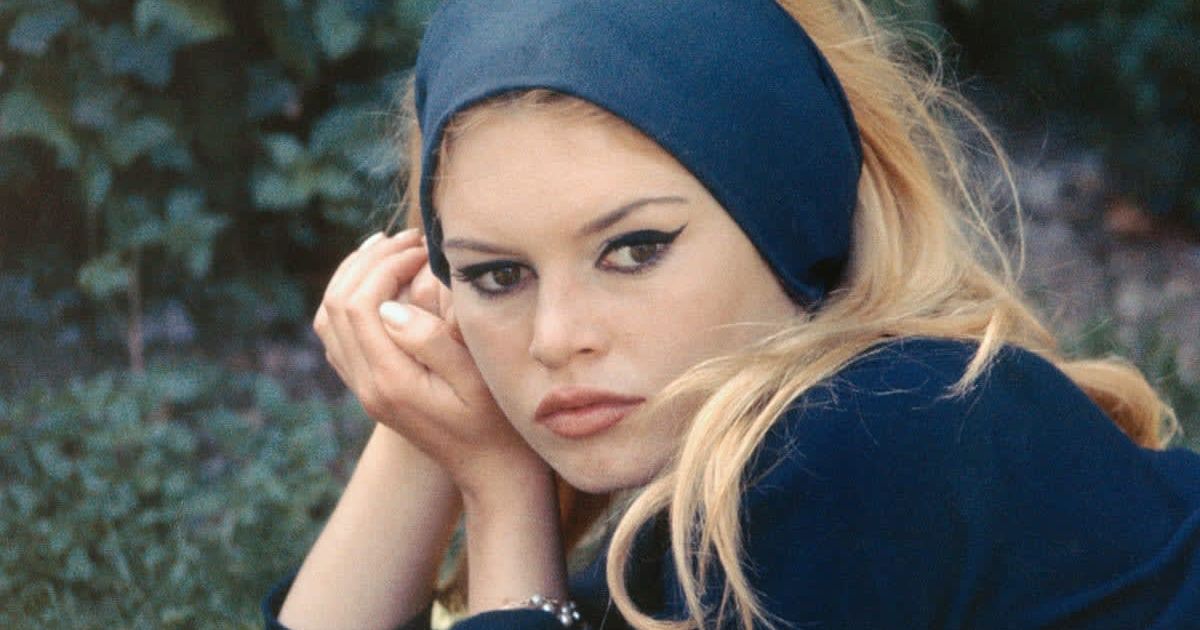
PARIS, FRANCE: Brigitte Bardot, the French film star whose free-spirited on-screen persona made her an international symbol and who later renounced cinema to devote her life to animal rights, has died at the age of 91, French media and the Associated Press reported.
Bardot died at her home in southern France, according to Bruno Jacquelin of the Brigitte Bardot Foundation for the Protection of Animals.
No cause of death was disclosed, and funeral arrangements have not yet been announced. She had been hospitalized last month following a period of ill health.
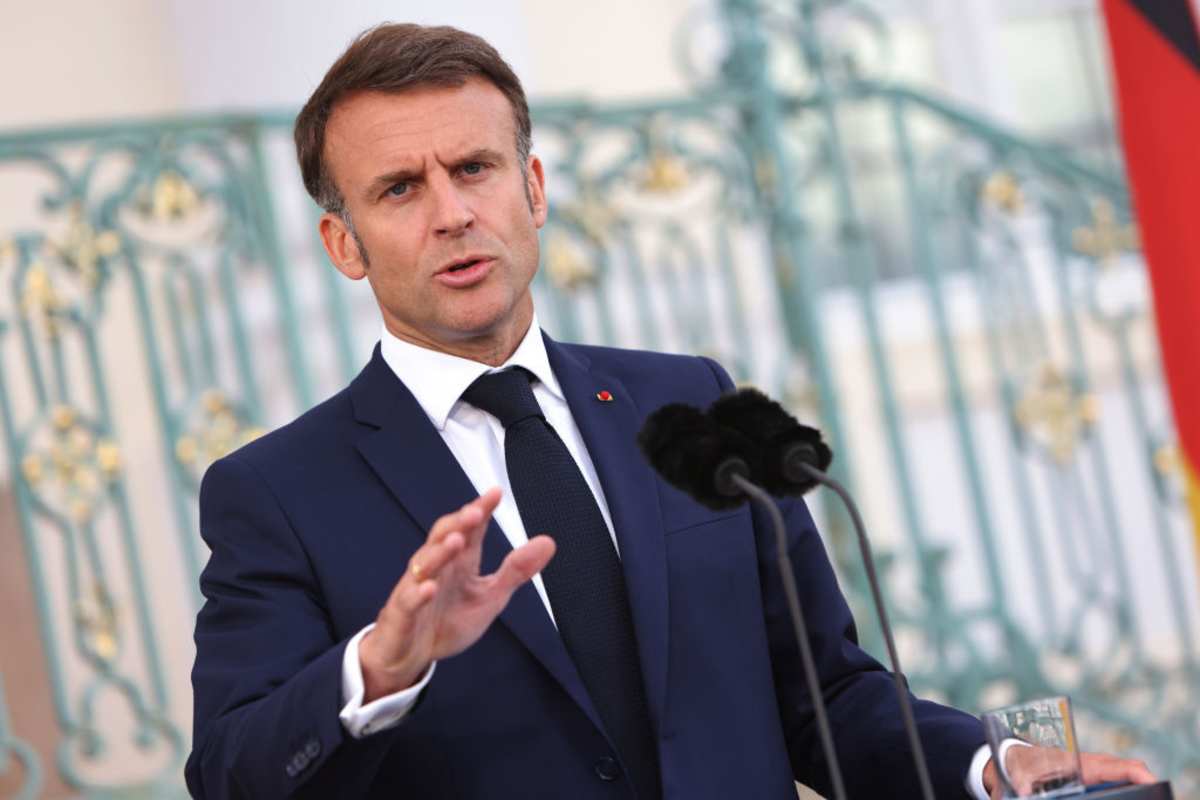
French President Emmanuel Macron led tributes, saying Bardot “embodied a life of freedom” and lived a deeply “French existence.” Jordan Bardella of the far-right National Rally, which Bardot supported in her later years, called her a “passionate patriot” who symbolized “an entire era of French history.”
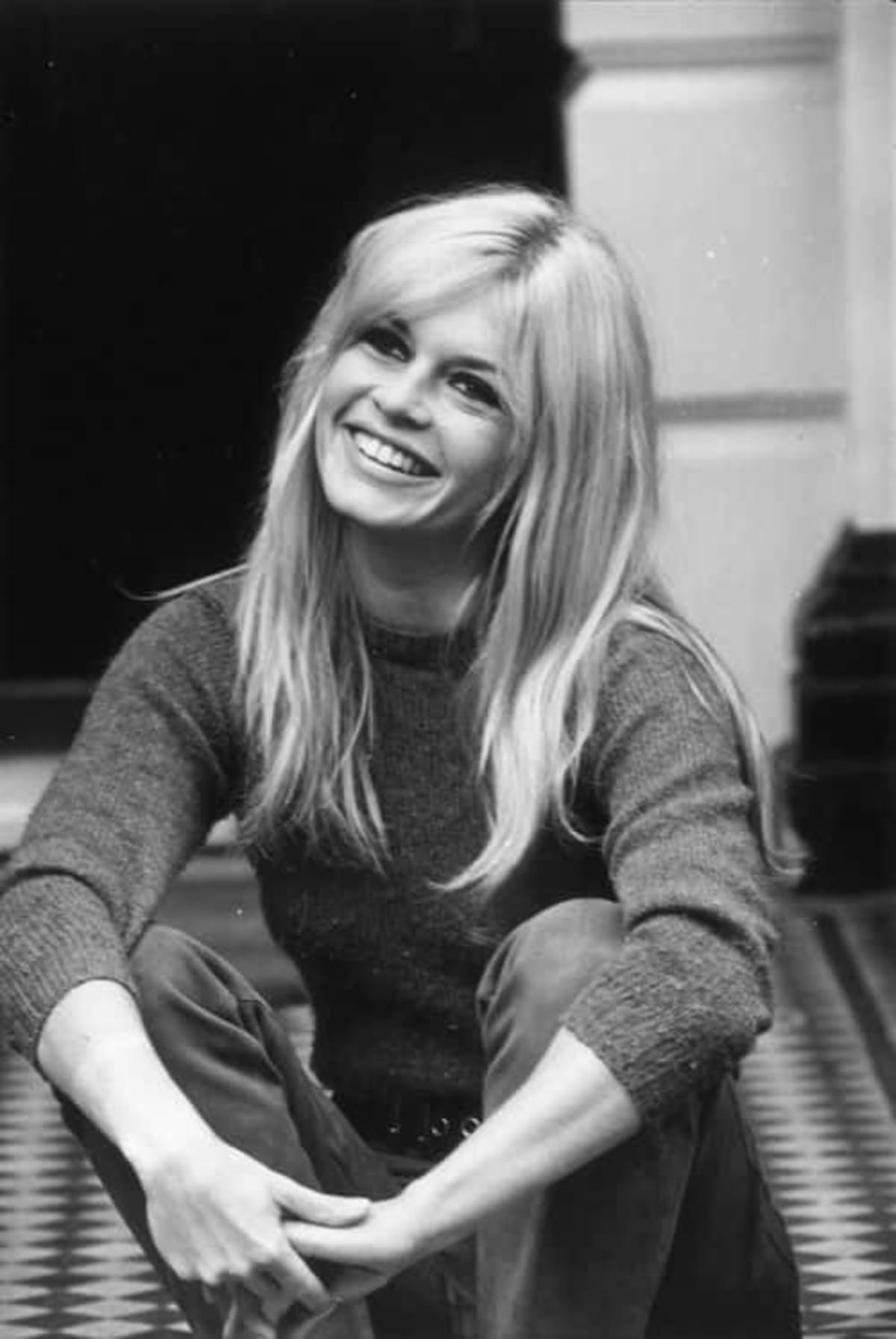
Global fame and cultural impact
Born on September 28, 1934, in Paris, Bardot rose to worldwide fame after starring in the 1956 film 'And God Created Woman', directed by her first husband, Roger Vadim.
The provocative film, centered on a liberated young woman in Saint-Tropez, shocked audiences and critics alike but became a box office sensation in France and abroad.
With her blonde hair and uninhibited screen presence, Bardot emerged as a defining figure of the revolution. Philosopher Simone de Beauvoir hailed her as “the most liberated woman in post-war France” and a “locomotive of women’s history.”
Affectionately known as “BB,” she appeared in more than 40 films, including 'The Truth' (1960) and 'Viva Maria!' (1965), before retiring from acting in 1973 at the age of 39.
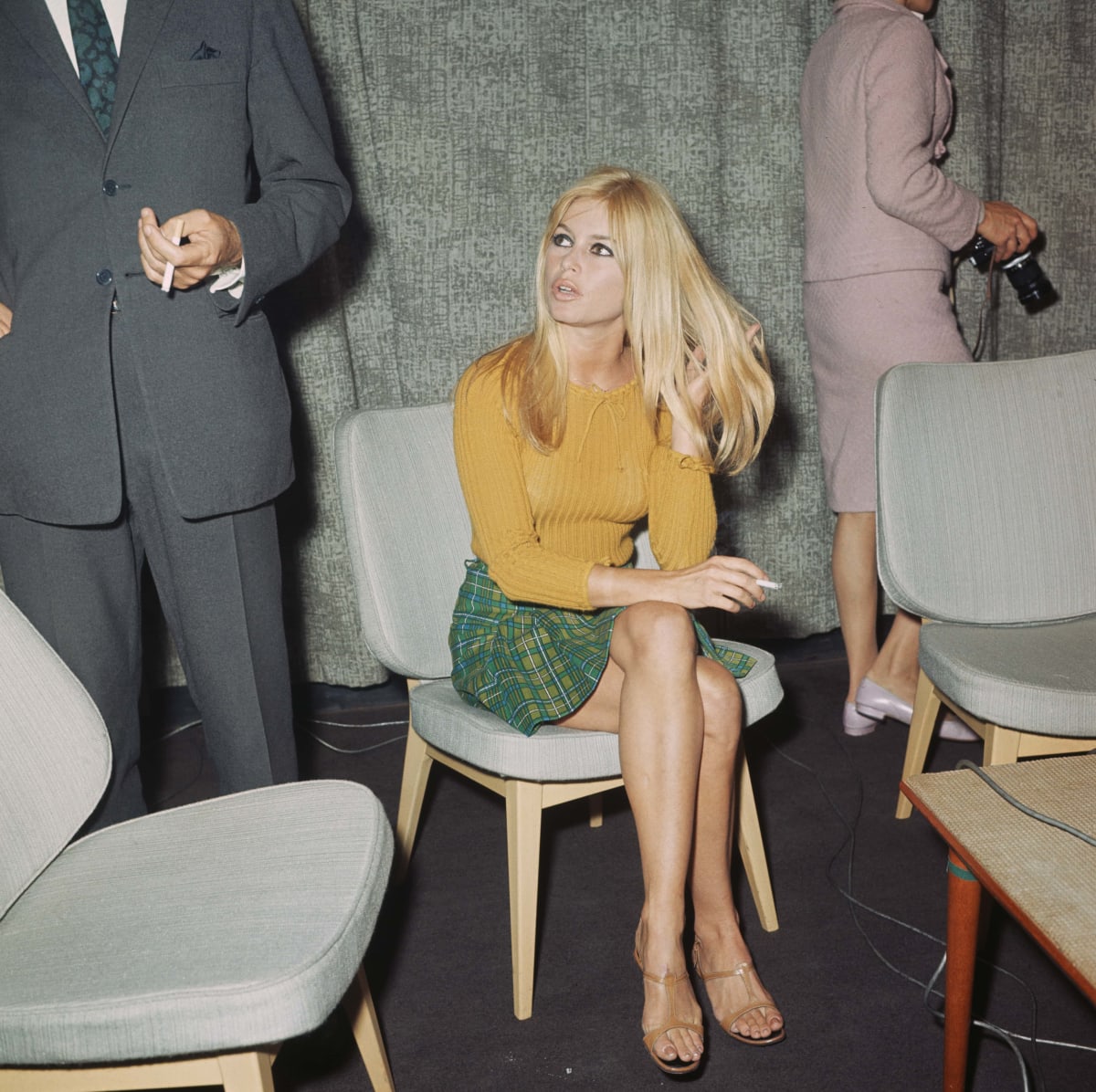
Turning away from stardom
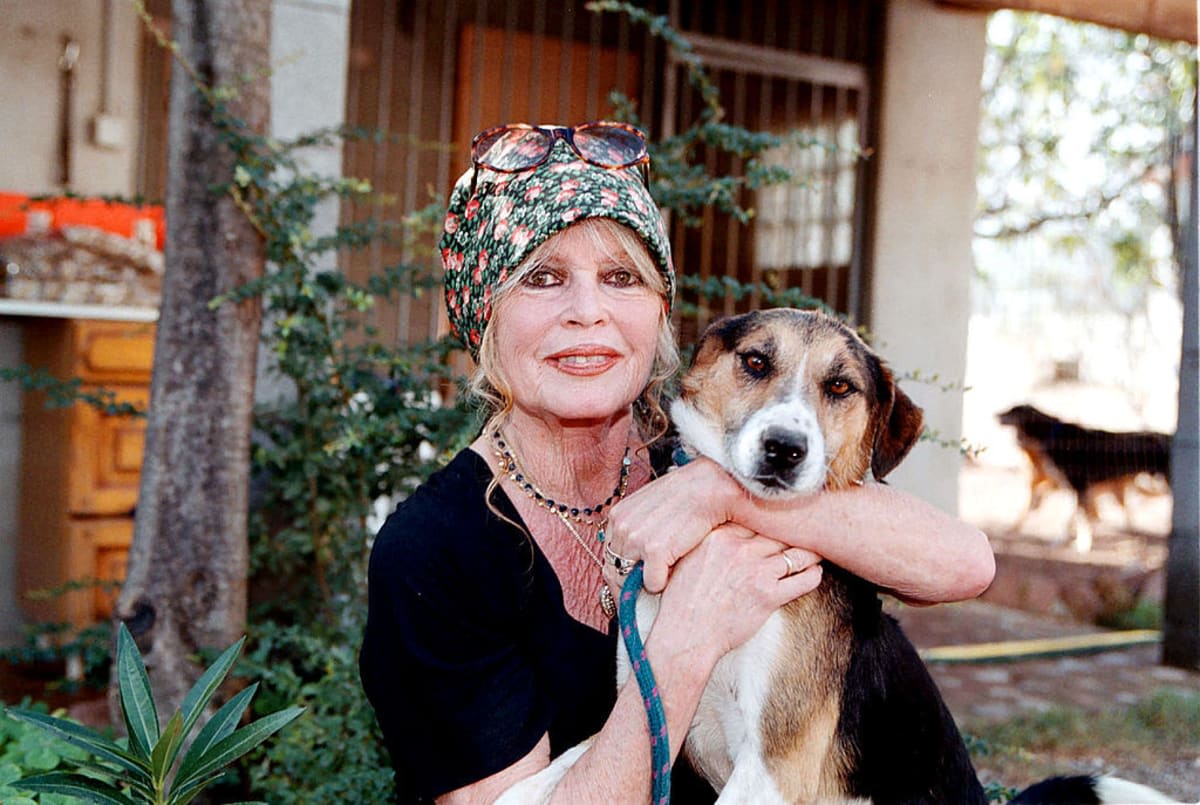
After leaving cinema, Bardot withdrew to her estate on the French Riviera and largely retreated from public life. Before doing so, she posed for Playboy to mark her 40th birthday, a final nod to the image that had defined her career.
She soon redirected her fame toward activism. “I gave my youth and my beauty to men,” Bardot once said. “But I give my wisdom and experience to animals.”
In 1986, she founded the Brigitte Bardot Foundation, leading high-profile campaigns against fur trapping, seal hunting, horse meat consumption and the killing of endangered species.
She traveled extensively, lobbied governments and helped secure animal welfare legislation and convictions for animal abuse.
When France awarded her the Legion of Honor in 1985, Bardot insisted it was for her work defending animals, not her film career.

Controversy and political views
In her later years, Bardot’s outspoken views drew sharp criticism. She reportedly aligned herself with far-right politics and was repeatedly fined for inciting hatred.
Her 1996 memoir sparked outrage when she publicly endorsed National Front leader Jean-Marie Le Pen. Her fourth husband, Bernard d’Ormale, had ties to the party, further entrenching her political stance.
A tumultuous personal life
Bardot’s private life was as dramatic as her public persona. Married four times, she acknowledged numerous affairs, including one with Serge Gainsbourg, with whom she collaborated on music during the 1960s and 1970s.
She had one son, Nicolas-Jacques Charrier, from her marriage to actor Jacques Charrier.
In her memoir, Bardot wrote candidly and controversially about motherhood, comments that led to a lawsuit by her former husband and son, who were awarded damages.
Bardot later reconciled with her son and met her grandchildren and great-granddaughter.
An enduring but complicated legacy
Though Bardot often dismissed her own acting talent, her influence on cinema, fashion and popular culture remains profound.
She also recorded dozens of pop songs and became a style icon whose image endures decades after her retirement.
In a rare 2007 interview, when asked how she became an icon of French cinema, Bardot appeared almost puzzled by her own legacy. “I don’t know,” she said. “I think that I arrived and left at the right time.”