Cancer patients urge Bernie Sanders to help pass life-saving bill he blocked in Senate: 'Be a hero'
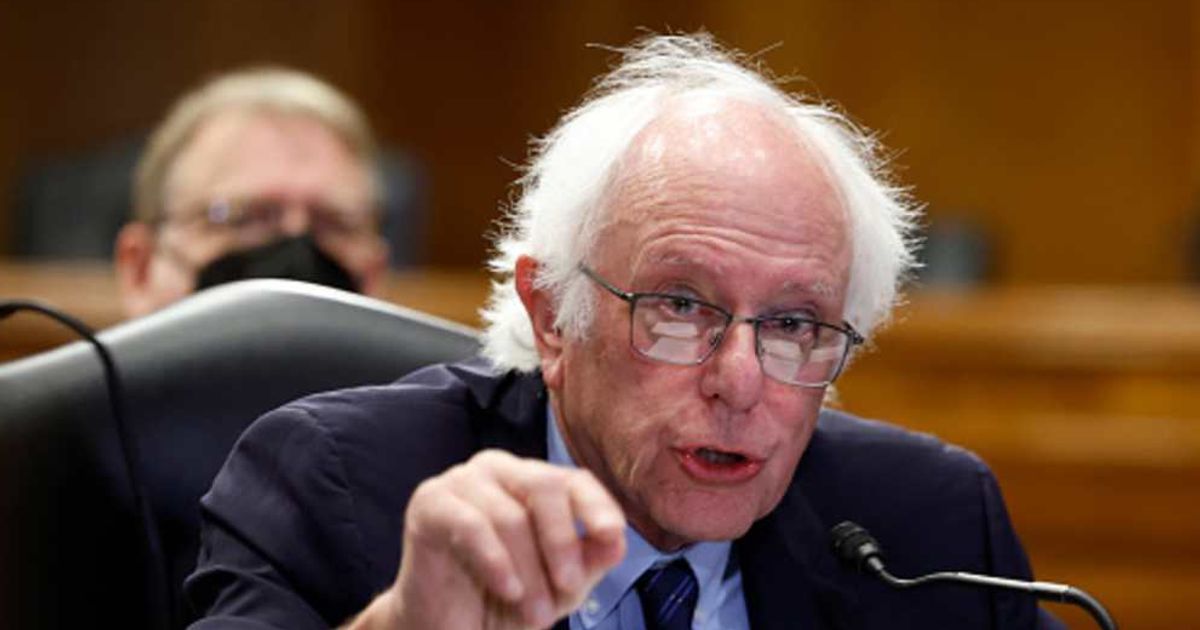
WASHINGTON, DC: Sick children battling cancer and their families are urgently pleading with Sen Bernie Sanders to help pass the Mikaela Naylon Give Kids a Chance Act, a bipartisan bill aimed at expanding access to crucial pediatric cancer treatments and clinical trials.
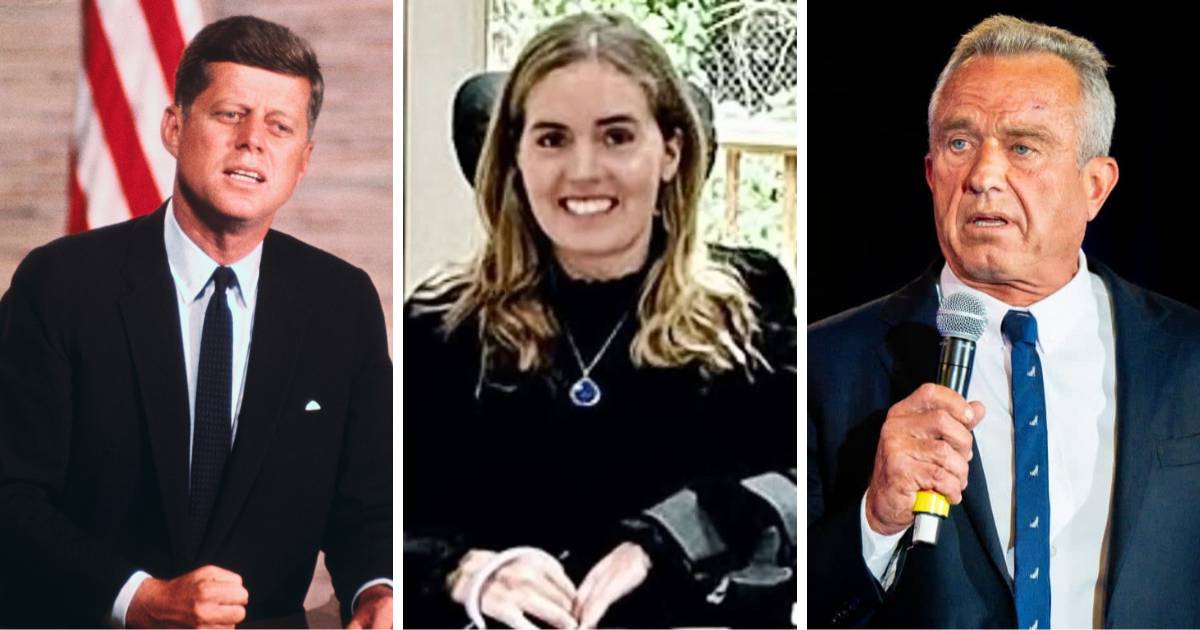
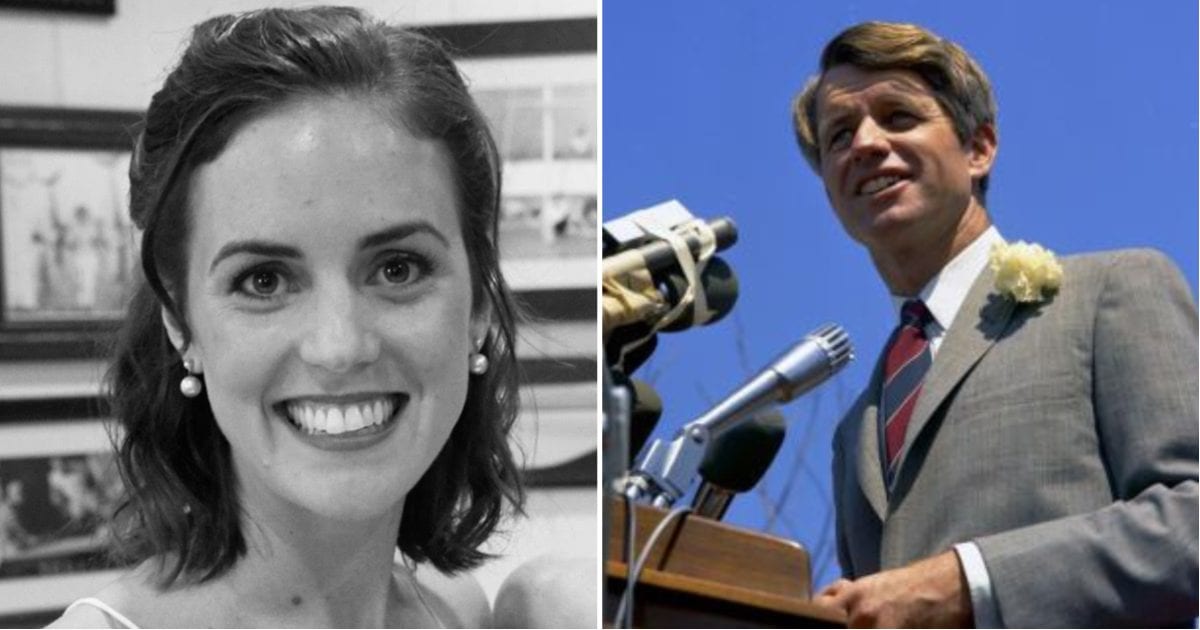
The legislation, named after a young cancer advocate who recently died, unanimously passed the House but stalled in the Senate after Sanders opposed it, prompting backlash and emotional appeals from patients and advocates alike.

Bernie Sanders' opposition to Give Kids a Chance Act
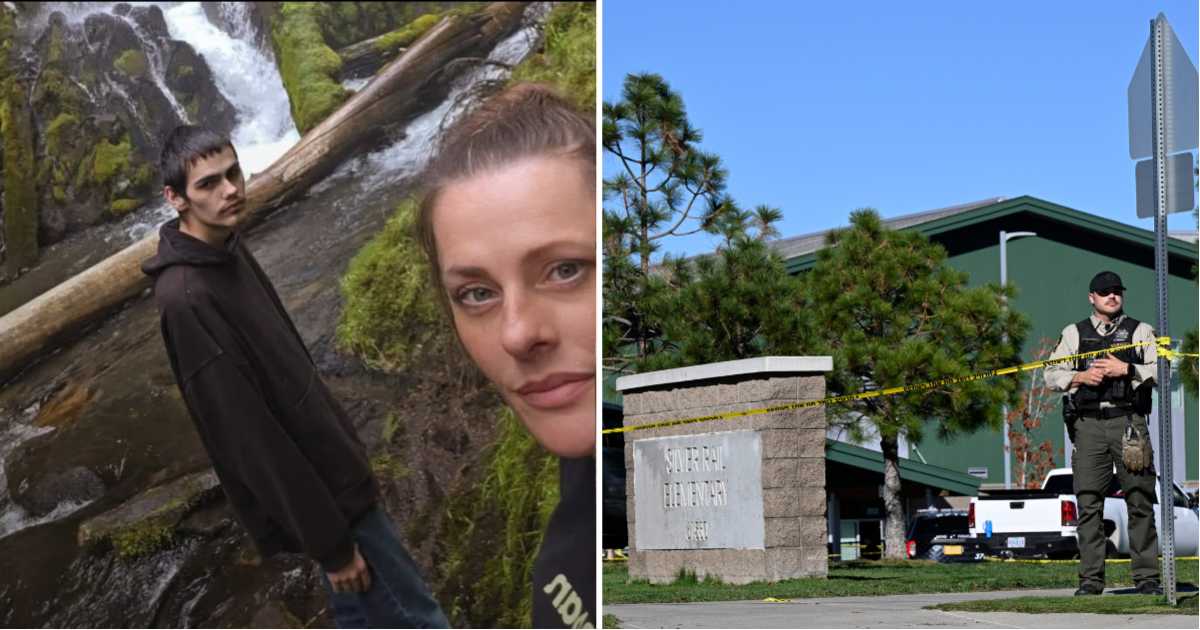
Jacob Knudsen, an 18-year-old and an osteosarcoma survivor who has endured 21 surgeries, chemotherapy, and radiation since age 12, is among those pushing for passage of the act, which would allow pediatric cancer patients to participate in clinical trials and ensure access to promising treatments.
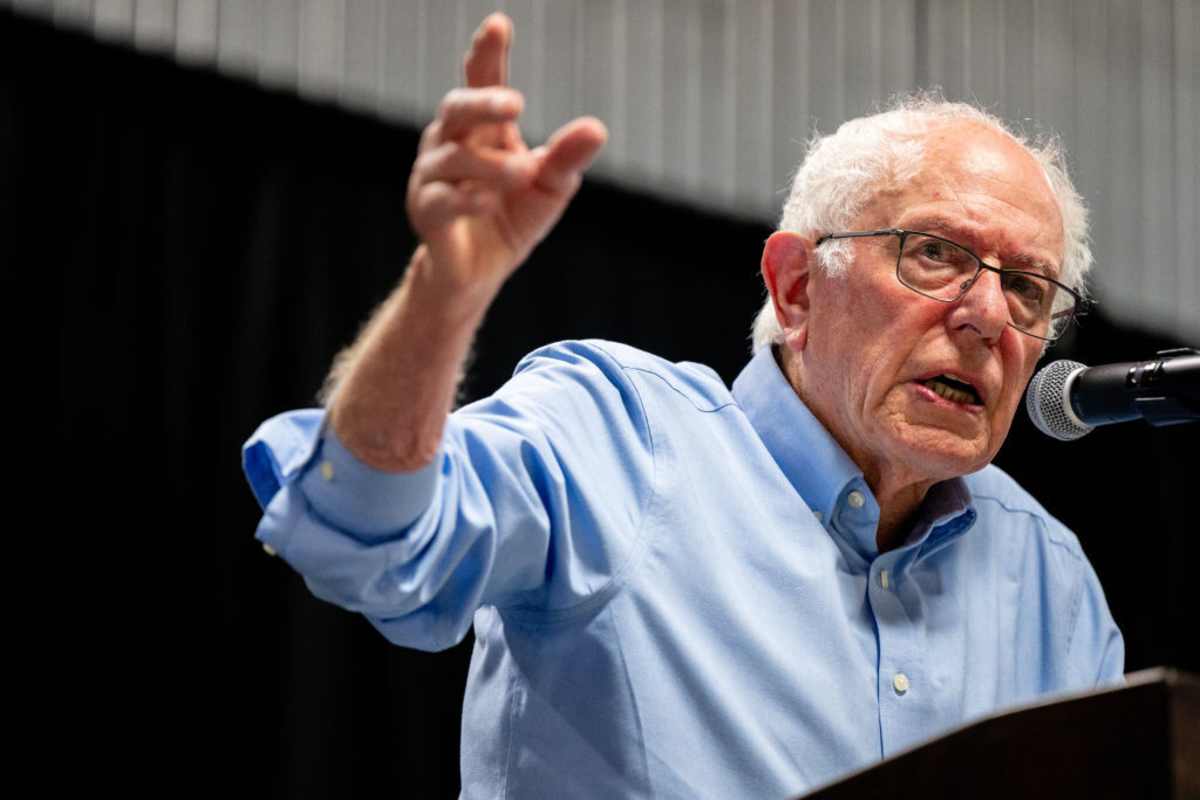
The bill sailed through the House of Representatives with unanimous support. However, when it reached the Senate, Sanders opposed it, insisting that funding be linked to other health measures such as community health center financing.
Opponents of Sanders’ stance have branded him “evil,” saying his demands for additional legislative trade‑offs stalled a bill that costs taxpayers nothing and could drive innovation in pediatric cancer research.
Bernie did indeed stop a unanimous request on this childhood cancer bill last week.
— Sam Stein (@samstein) December 20, 2025
Has to be noted that Rand Paul stopped a UC request on the exact same bill a year ago.
And Elon Musk stopped the bill from passing as part of the government funding bill days before that. https://t.co/A1yXaHn66N
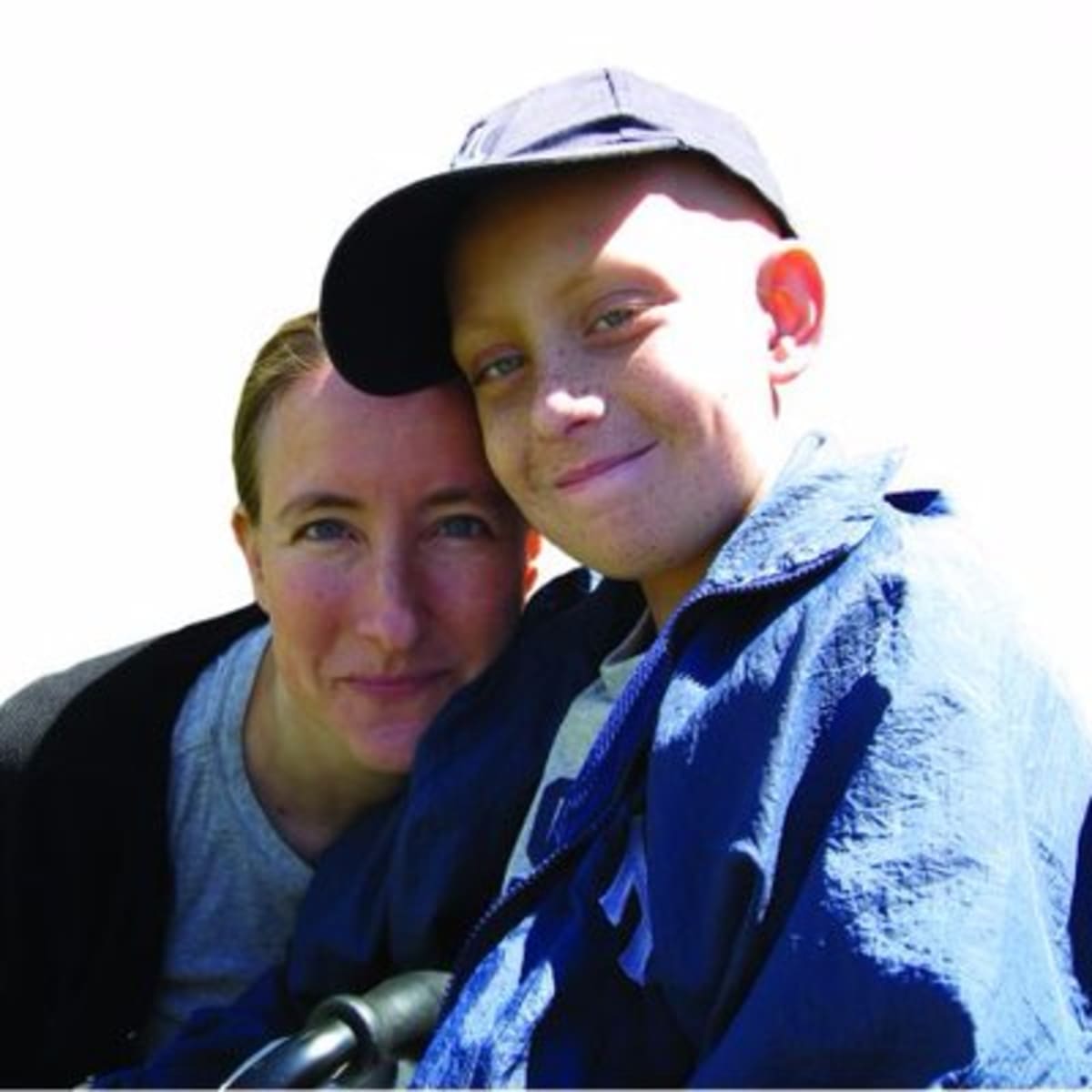
Nancy Goodman, executive director of Kids v Cancer, described the frustration of families and patients, saying they feel like they are “dying and nobody’s watching.” Goodman, who with her husband lost her own 10‑year‑old son to medulloblastoma in 2009, explained that the bill would encourage the most innovative studies.
She added that it would push pharmaceutical companies to develop potentially curative drugs for children. Goodman also questioned the Senate’s functionality, asking pointedly how Congress can be considered effective if it cannot pass a bill that saves lives and has widespread support.
Cancer survivors and families urge Bernie Sanders to act
Knudsen, now resuming college classes at California State University in Long Beach while facing the possibility of more cancer in his lungs, has become a determined advocate.
He implored Sanders to "be a hero” and help get the bill through the Senate, stressing that no one ever imagines their child or grandchild could suddenly face a life‑threatening illness with so little recourse.
Another young patient, Anderson Coy, 21, who is battling diffuse intrinsic pontine glioma (DIPG), a rare and terminal brain cancer, echoed similar sentiments. Coy and his mother, JuliAn, criticized the decision by senators like Sanders to attach unrelated demands that prevented a vote.
JuliAn emphasized that 16,000 children under age 20 are diagnosed with pediatric cancer each year, and she found it upsetting that political maneuvers hinder efforts to address such suffering.
Coy’s illness, which shows little research progress and has a survival rate below 2%, underscores the urgency parents and patients feel. His mother voiced the devastating impact of the disease on their family, while also expressing hope that increased research and support could one day change outcomes for children like her son.
He further highlighted that the earlier such legislation passes, the more lives it could save, and wondered how many potential innovators and leaders might be lost to cancer without greater support and research.