Charlie Kirk assassination case takes dramatic turn over Bible evidence and 'anti-Christian' claims
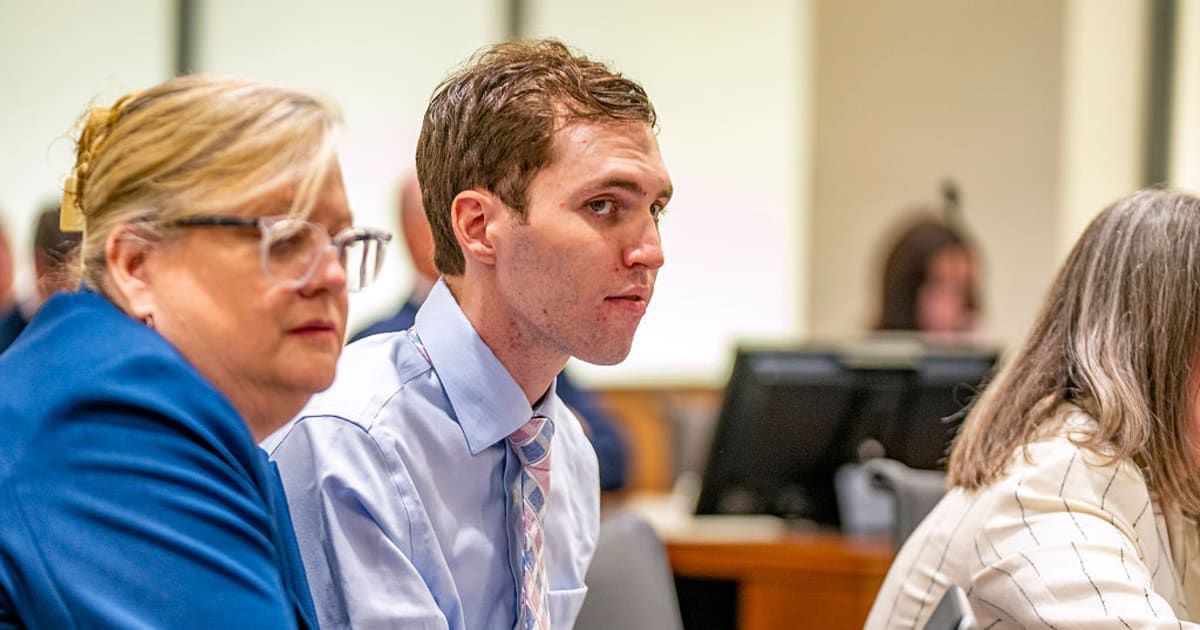
PROVO, UTAH: Day 3 of the preliminary hearing in the assassination case of Charlie Kirk on Wednesday, July 8, took a dramatic turn as attorneys for accused gunman Tyler Robinson accused prosecutors of trying to portray their client as "anti-Christian" by introducing Bible passages into evidence.
The dispute unfolded during arguments over a proposed victim-targeting enhancement, with the defense warning that the state was improperly transforming a homicide case into a judgment of Robinson's religious beliefs.
JUDGE PRESSES DEFENSE: "DOES RELIGION OR GENDER INTERSECT WITH POLITICAL EXPRESSION?"
— Real America's Voice (RAV) (@RealAmVoice) July 7, 2026
At the Robinson hearing, defense attorney warns prosecutors are turning the case into whether Robinson's views are "anti-Christian": "The state brought [the Bible] to this courtroom... and that… pic.twitter.com/78qONMHcMk
After lengthy arguments from both sides, the judge ruled the evidence could be admitted on a provisional basis, saying it was relevant at this stage of the proceedings.
Defense challenges Bible evidence
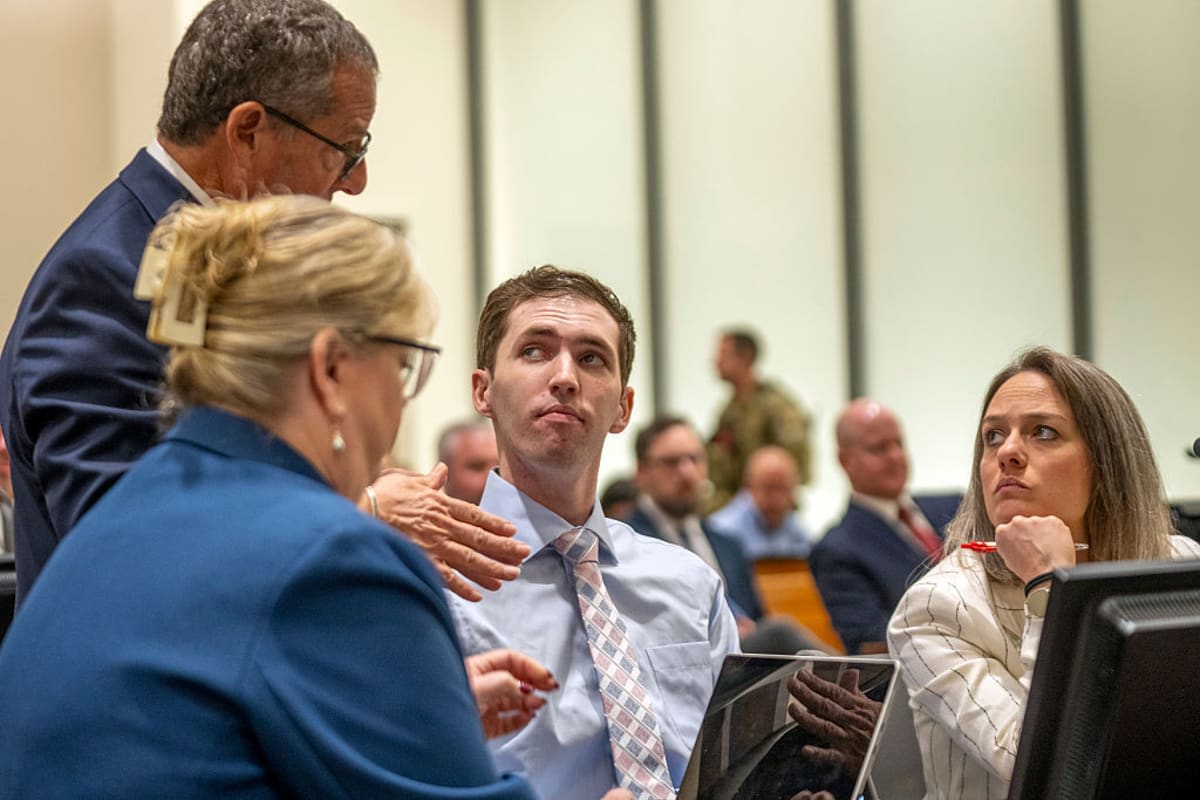
Defense attorney Richard Nowak argued there was no evidence Robinson had heard any specific religious or political remarks made by Kirk before the September 10 shooting.
He said prosecutors were attempting to use biblical passages to establish Robinson's state of mind without showing a direct connection between the defendant and the statements.
TYLER ROBINSON’S DEFENSE SAYS THEY ARE WORRIED THAT THE STATE IS TRYING TO SAY TYLER ROBINSON IS ANTICHRISTIAN; CONCERNED THE STATE HAS BROUGHT A BIBLE INTO THE COURTROOM
— Zach Jones - Secretary of Psyops (@ZachJones1994) July 8, 2026
RICHARD NOWAK: “Mr. Kirk said before September 10th specifically that Mr. Robinson may or may not have… https://t.co/BvPU8cGYbB pic.twitter.com/mbHUr2t3P5
"The state brought the Bible into this courtroom," Nowak told the judge. "And that concerns me greatly because the state is turning this into a question of whether Mr Robinson's views, identity and life are anti-Christian."
He also emphasized that Utah's victim-targeting enhancement distinguishes political expression from religion, arguing prosecutors had charged the enhancement based on political expression but were now relying on religious material to support it.
Judge weighs politics and religion
During the exchange, the judge questioned whether religion and political expression could intersect, prompting Nowak to argue that the issue was far too complex to resolve during a preliminary hearing.
Nowak maintained that the court should focus solely on whether the proposed evidence was relevant under Utah's rules of evidence rather than making broader conclusions about where politics and religion overlap.
The judge later clarified that the question arose because the defense itself had referenced the intersection of religion and politics while arguing against the evidence.
Evidence admitted provisionally
After hearing arguments from both sides, the court stressed that the hearing's purpose was only to determine whether probable cause exists, not to decide guilt.
The judge said the ruling should not be interpreted as an indication of how the case would ultimately be resolved, but found the disputed material relevant to the prosecution's victim-targeting enhancement.
The evidence was therefore admitted on a provisional basis, allowing prosecutors to rely on it as the preliminary hearing continues.
The ruling marks another closely watched development in the high-profile prosecution, where legal disputes are increasingly extending beyond the facts of the shooting to broader questions about motive, political expression and the scope of evidence that may ultimately be presented at trial.