Charlie Puth urges Elon Musk after SpaceX launch ‘frightened’ his pregnant wife with sonic boom
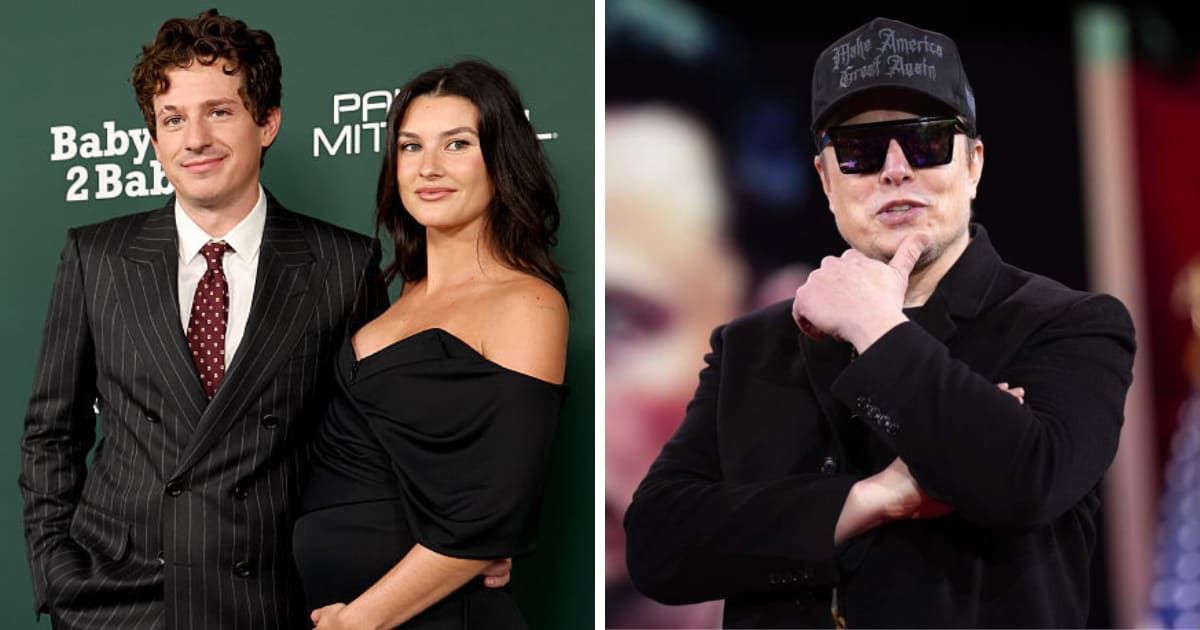
Hi @elonmusk …these sonic booms have gotten progressively louder since they started launching the rockets in Santa Barbara. This one at 3am today felt like 150-160 dB, violently shook our whole house, and really frightened my pregnant wife. I hope they do not get louder :/
— Charlie Puth (@charlieputh) December 10, 2025
SANTA BARBARA, CALIFORNIA: Pop singer Charlie Puth has publicly appealed to SpaceX owner and Tesla CEO Elon Musk to halt the rocket launches that have been rattling his home, saying the sonic booms are frightening his pregnant wife.
The launch occurred at 3:40 am on Wednesday, December 10, from Vandenberg Space Force Base in California. Puth, who lives in Santa Barbara, is roughly 60 miles from the launch site.
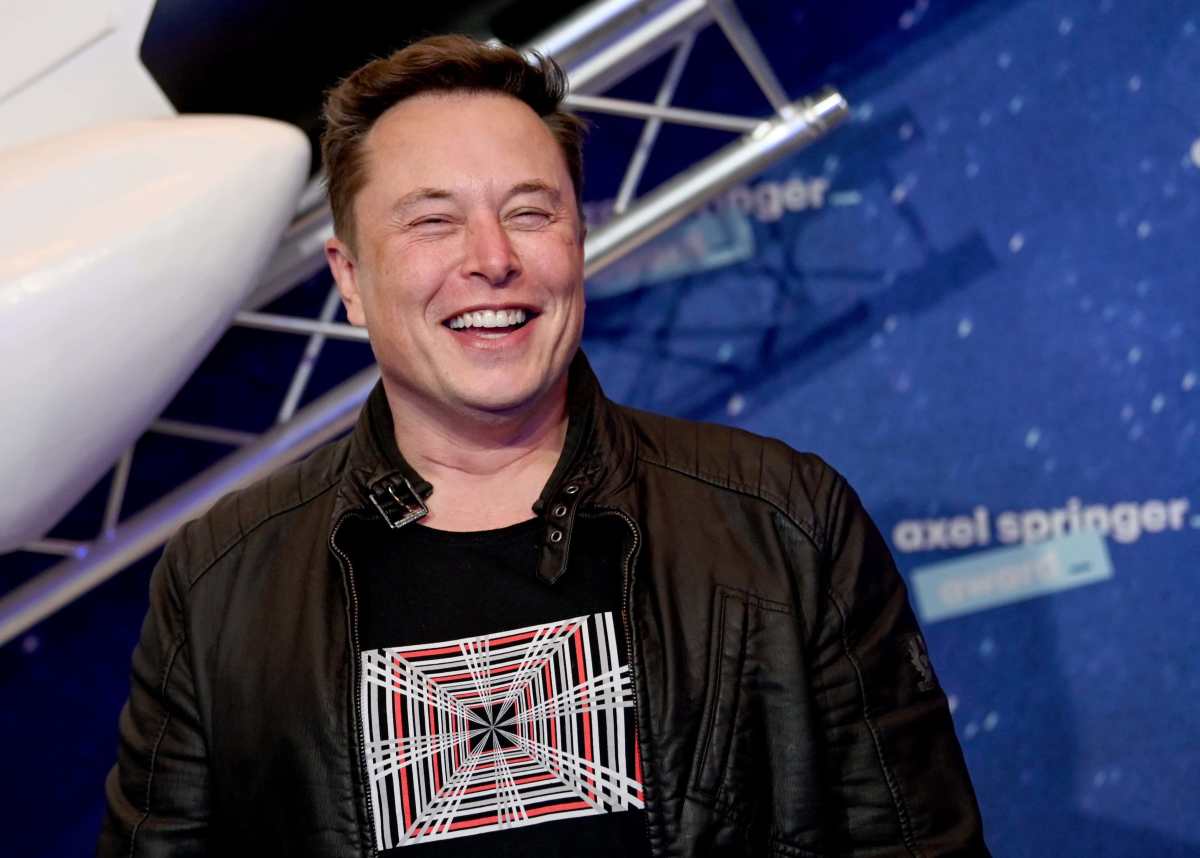 Elon Musk posed on the red carpet at the Axel Springer Award ceremony in Berlin in 2020 (Britta Pedersen-Pool/Getty Images)
Charlie Puth urges Elon Musk to address sonic booms
Following the launch, Puth posted on X and wrote directly to Musk: “Hi @elonmusk… these sonic booms have gotten progressively louder since they started launching the rockets in Santa Barbara.”
The singer explained that the early-morning launch produced a boom so powerful he estimated it at 150–160 dB, adding that it “violently shook our whole house, and really frightened my pregnant wife. I hope they do not get louder :/.”
The sound level Puth described is far above the range considered safe. While it is unclear how he measured it, the American Speech-Language-Hearing Association notes that any sound above 120 dB is unsafe, even for short exposure.
SpaceX acknowledged on its website that “residents of Santa Barbara, San Luis Obispo, and Ventura counties may have heard one or more sonic booms during the launch, but what residents experienced depended on weather and other conditions.”
There is another rocket launch scheduled from the same base on December 14, adding urgency to Puth’s plea.

SpaceX launch raised new concerns over noise impact
The flight marked the 160th Falcon 9 launch of 2025. The Starlink 15-11 mission deployed 27 additional broadband satellites, continuing the expansion of SpaceX’s mega-constellation in low Earth orbit.
Previously, the California Coastal Commission urged the US Space Force, which operates the Vandenberg site, to monitor the effects of noise and sonic booms on nearby wildlife. Space Force officials rejected these requests at an August 2024 meeting, saying they already conduct sufficient monitoring, according to the Los Angeles Times.
Falcon 9 launches 27 @Starlink satellites from California pic.twitter.com/pZJ6aWY67u
— SpaceX (@SpaceX) December 10, 2025
Conservation groups, including the Center for Biological Diversity, American Bird Conservancy, and the Carrizo/Comecrudo Tribe of Texas, filed a lawsuit in 2023 against the Federal Aviation Administration. They alleged the FAA failed to properly evaluate environmental impacts—including noise, heat and debris—from a SpaceX Starship launch that ended in an explosion.
A federal judge later dismissed the lawsuit, ruling there was no evidence that the FAA neglected its environmental review obligations.

Kent Gee, a physicist at Brigham Young University, told CNN last year that sonic booms can resemble “being a few feet away from a gunshot without hearing protection,” and may pose risks to structures, though more research is needed.
Musk, in previous posts on X, has minimized concerns about the strength of sonic booms. Last year, he said a Texas launch site “experiences storms and hurricanes that are far more serious than Starship launches,” dismissing a New York Times report that suggested structural damage was possible.