Chicago students track ICE raids by dropping real time pins on a map
CHICAGO, ILLINOIS: In the buzzing newsroom of The Phoenix, Loyola University Chicago’s student newspaper, a coffee pot gurgled in the corner while juniors Julia Pentasuglio and Ella Daugherty hunched over a laptop, refreshing a Google map dotted with red pins.
Each pin marked a reported sighting of federal immigration agents near Loyola’s campus and the surrounding neighborhoods.
A few feet away, editor-in-chief Lilli Malone scrolled through incoming tips from Rogers Park, a lakefront neighborhood where more than 80 languages are spoken. That day alone, seven new reports had landed of vans racing down side streets, masked officers drawing guns, students watching from dorm windows as neighbors were taken away.

These are not the kinds of stories the staff is used to covering. Until recently, their bread and butter were dorm-room Thanksgiving recipes and local Christmas tree lightings.
Under Donald Trump’s second term, however, the student journalists have taken on a different role. They are documenting immigration raids as fear spreads across campus and nearby communities.
They aim to replace online rumor with verified information, thus giving residents a clearer picture of which areas are being targeted as anxiety grows over who might be picked up next by immigration agents.
Across Chicago, student reporters, independent outlets and legacy news organizations are increasingly working together, sharing information and building tracking tools.
Since Trump’s return to the White House, his administration has ordered aggressive immigration sweeps in cities with large foreign-born populations, including Chicago, following through on a campaign promise to deport people living in the U.S. illegally.
From rumor to record
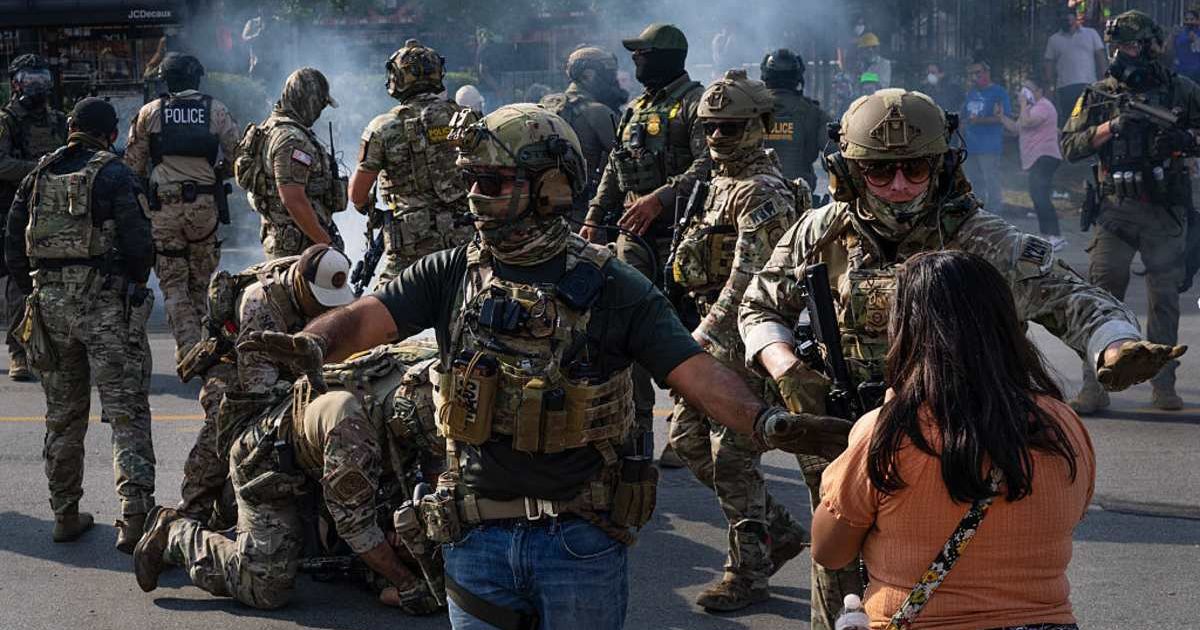
Weeks after Loyola students returned for the fall semester, the U.S. Department of Homeland Security launched Operation Midway Blitz in early September. Border Patrol agents were deployed across Chicago, armed with high-powered weapons and tear gas.
Local officials objected. Illinois Governor JB Pritzker called the operation “unlawful and unwarranted.” A new state law now allows Illinois residents to sue federal immigration agents if they believe their civil rights have been violated.

DHS said the operation targets violent criminals who put Americans at risk and said more than 4,300 people have been arrested as part of the effort. “Our efforts remain ongoing, we aren’t leaving Chicago,” a DHS spokesperson said in a statement.
On Loyola’s campus, fear had already been building before the operation began. Months earlier, a man from the U.S. Census Bureau entered a dormitory, Malone and Pentasuglio said.
The visit triggered false rumors that US Immigration and Customs Enforcement agents had arrived. Students flooded The Phoenix newsroom with questions, trying to determine whether the reports were true.
Some had real reason to worry. Loyola has a long history of welcoming immigrants without legal status, including students protected under Deferred Action for Childhood Arrivals who were brought to the U.S. as children. That commitment is especially pronounced in the university’s medical school and is a point of pride for the Jesuit institution, which upholds social justice as part of its mission.
“People were scared, and they needed someone to verify what was real,” Malone said.
Dropping pins and verifying facts
In early October, Malone and Pentasuglio, who is The Phoenix’s managing editor, opened a blank Google Map and began dropping pins.
They said each report is confirmed through photos, timestamped videos, or multiple eyewitness accounts before it appears on the map.
The goal was to give students and nearby residents a way to check rumors against verified sightings and to see where immigration agents had recently clustered, helping people gauge which areas might pose higher risk.
Each pin includes notes detailing what was reported and when.
On October 12, for example, multiple armed agents were spotted around the 1200 block of West North Shore Avenue around midday. On October 21, an arrest was reported at the North Lincoln Avenue Home Depot at 9:58 a.m.
A DHS spokesperson confirmed to Reuters that US Border Patrol conducted enforcement operations and made arrests at those locations on those dates.
The map quickly became a reference point not just for students, but for residents in surrounding neighborhoods trying to understand what was happening outside their doors.
Other student newsrooms step in
Loyola is not alone.
At the University of Chicago, deputy editor-in-chief Elena Eisenstadt said the campus paper, The Maroon, built its own Datawrapper tracker after reports began flooding social media platforms. These included Sidechat, an anonymous student messaging app.
“It felt like a wave,” she said. “When everyone is talking about something like that, you have to do something.”
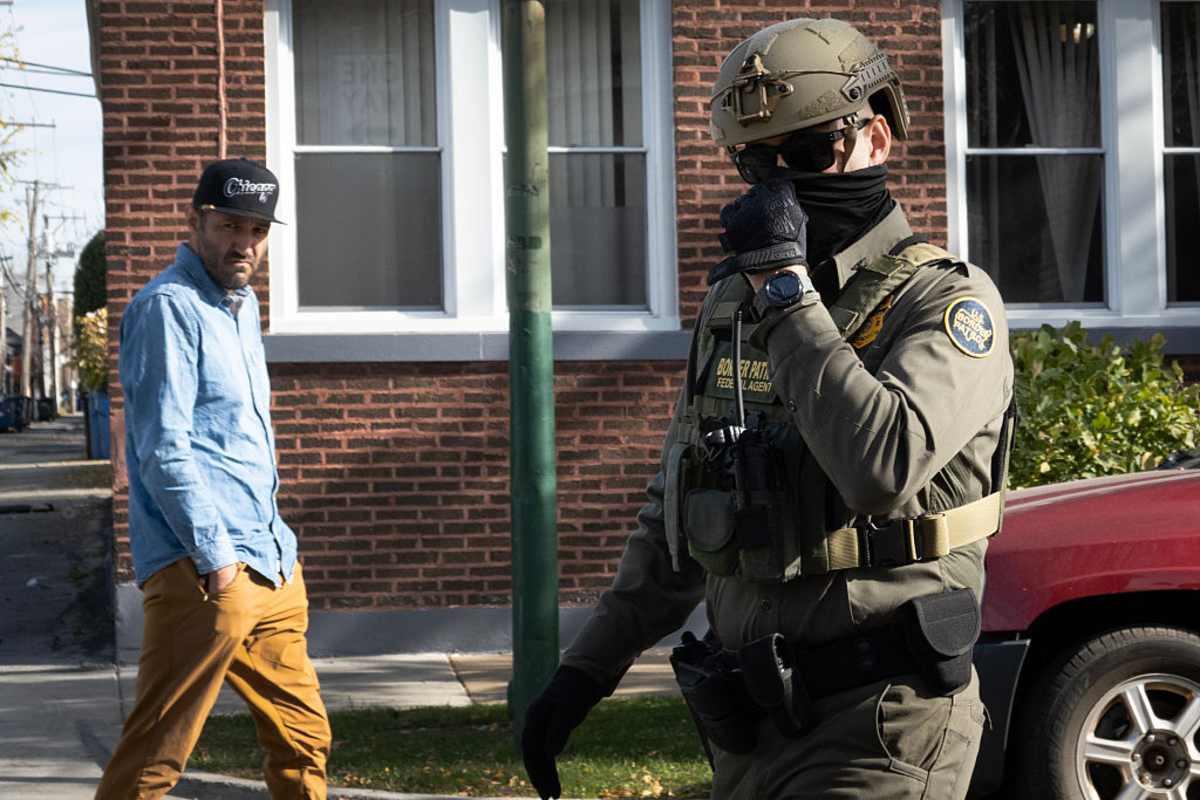
At DePaul University, managing editor Jake Cox said the DePaulia newsroom leaned heavily on tips from students and community members when ICE activity spiked near the Lincoln Park campus.
Social media posts and direct messages became key sources of information as reports multiplied.