CIA uses ‘Ghost Murmur’ heartbeat tech to locate downed US airman in Iran
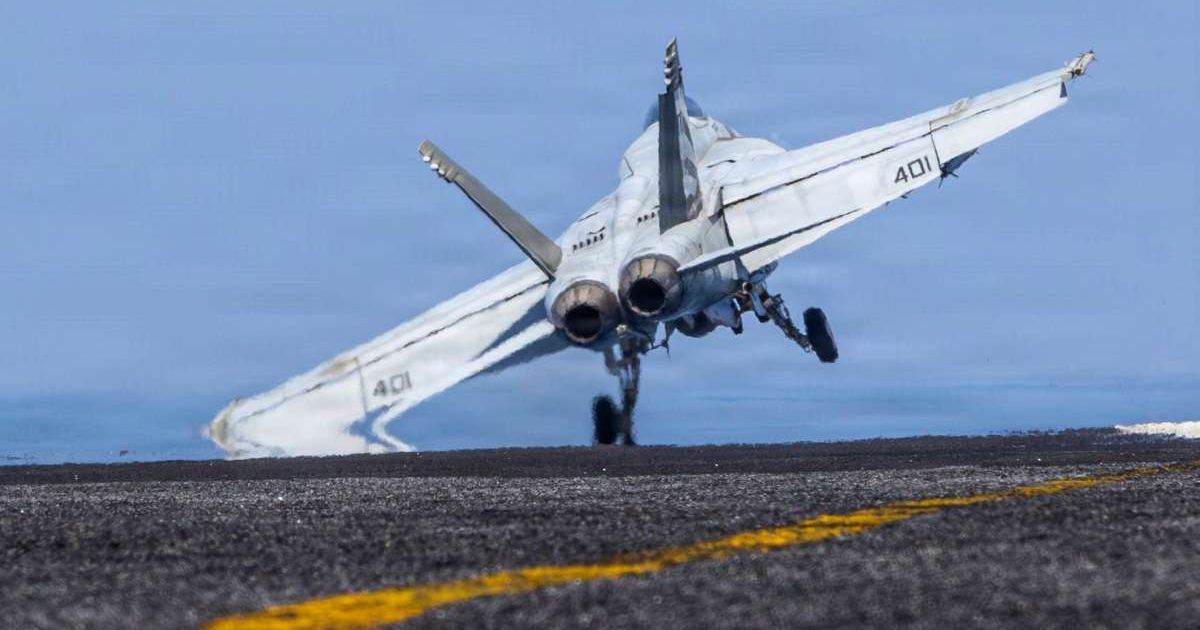
WASHINGTON, D.C.: The CIA used a secretive tool known as ‘Ghost Murmur’ to locate and rescue a second American airman shot down in southern Iran, according to a report by the New York Post.
The technology, described as a breakthrough in battlefield surveillance, helped identify the airman’s location in a remote desert area, enabling a successful rescue mission after days of uncertainty.
Ghost tech used in rescue
The system uses long-range quantum magnetometry to detect the electromagnetic signature of a human heartbeat, combined with artificial intelligence to filter out background noise,
“It’s like hearing a voice in a stadium, except the stadium is a thousand square miles of desert,” a source briefed on the program told the outlet. “In the right conditions, if your heart is beating, we will find you.”
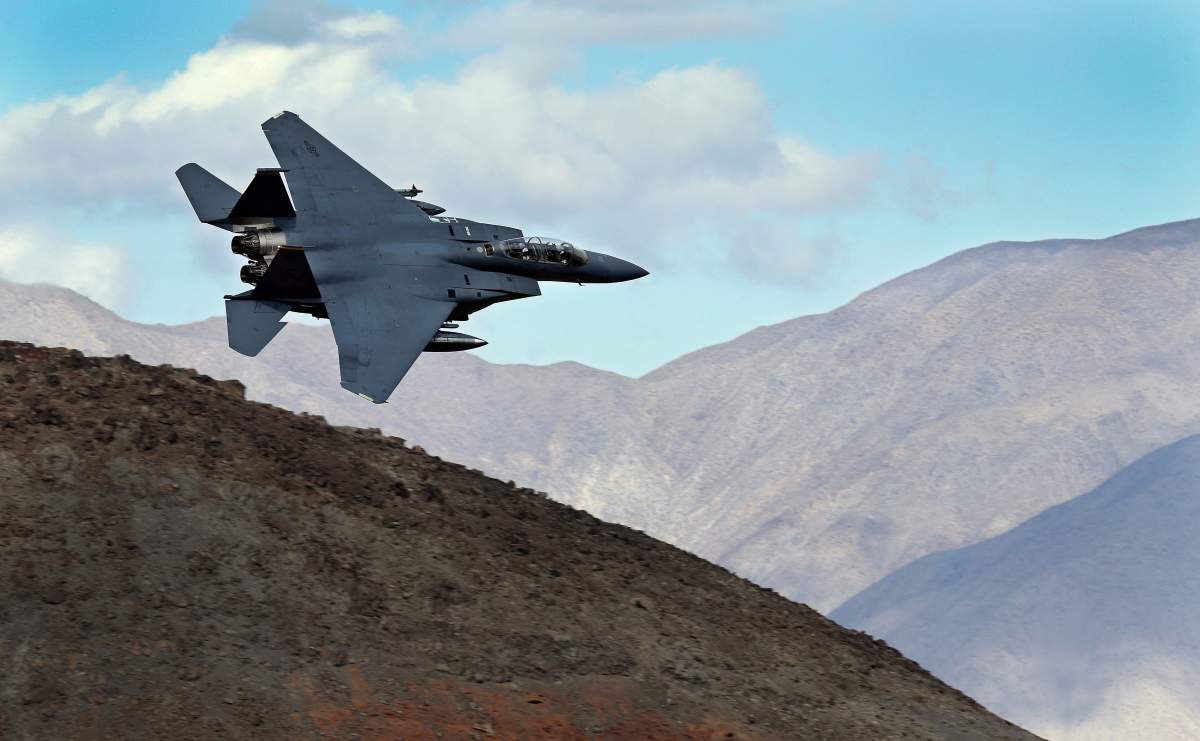
The rescued airman, identified only as “Dude 44 Bravo,” had been hiding in a mountain crevice after his F-15 jet was shot down. He reportedly survived for two days while Iranian forces searched the area.
How detection worked
Sources said the barren terrain provided ideal conditions for the tool’s first operational use, with minimal electromagnetic interference and limited human activity.
“Normally this signal is so weak that it can only be measured in a hospital setting with sensors pressed nearly against the chest,” a source said. “But advances in a field known as quantum magnetometry, specifically sensors built around microscopic defects in synthetic diamonds, have apparently made it possible to detect these signals at dramatically greater distances.”
The airman had activated a locator beacon, but his exact position remained unclear until the new technology detected his presence.
“He had to come out [of the crevice] to send the beacon,” the source said. “It was less important the signal they sent and more important that he had to come out to send [it].”
First field deployment
The mission marked the first known field use of Ghost Murmur by the CIA, sources said, with the system reportedly capable of detecting a human from significant distances under optimal conditions.
CIA Director John Ratcliffe confirmed the agency had identified the airman’s position before launching the rescue operation.

The effort involved hundreds of US personnel and multiple aircraft, with some planes later destroyed during the mission due to operational challenges. No American casualties were reported.
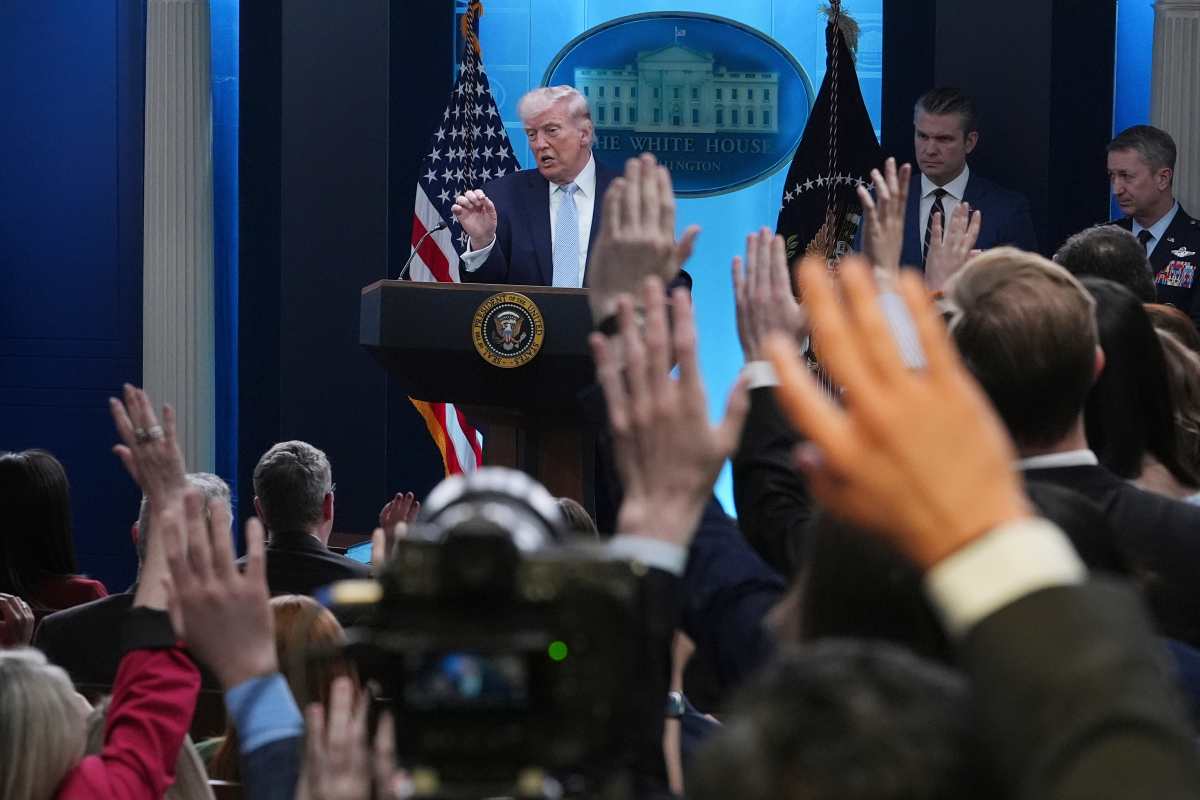
President Donald Trump also hinted at the advanced capability, saying the CIA located the missing airman from “40 miles away.”
“It’s like finding a needle in a haystack, finding this pilot, and the CIA was unbelievable,” Trump said.