Judge throws out Michael Wolff lawsuit over Melania Trump claims amid ‘tactical gamesmanship’
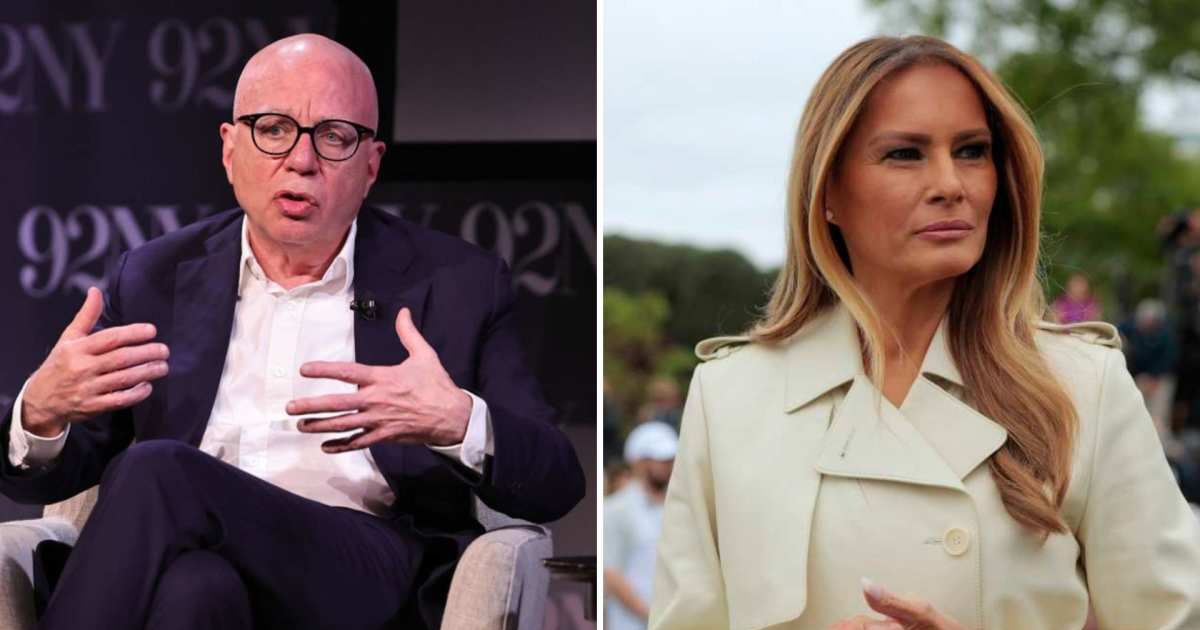
WASHINGTON, DC: A federal judge dismissed author Michael Wolff’s lawsuit against First Lady Melania Trump, that his attempt to block a threatened $1 billion defamation lawsuit was an improper use of the courts.
Judge Mary Kay Vyskocil, presiding in federal court in Manhattan, criticized both sides for what she described as “tactical gamesmanship” while dismissing Wolff’s anti-SLAPP lawsuit tied to statements involving the late financier Jeffrey Epstein.
Judge dismisses Michael Wolff lawsuit against Melania Trump
The ruling represented a legal victory for Melania Trump after months of escalating court disputes surrounding Wolff’s public comments and media appearances.

Judge Mary Kay Vyskocil in federal court in Manhattan chided both sides for an “inappropriate level of tactical gamesmanship” and said she “will not be conscripted to oversee an abusively presented spat.”
Vyskocil, who was appointed by President Donald Trump, agreed that Wolff and the first lady “have a real dispute,” but said “they must litigate it according to the same procedures as everyone else.”
The judge also suggested Wolff was attempting to gain procedural advantages by choosing a favorable court venue, with reports describing the lawsuit as an example of “forum shopping.”
Wolff sued Melania Trump last October after her lawyer, Alejandro Brito, wrote him a letter saying she would be “left with no alternative” but to sue him unless he retracted statements the lawyer said had caused her “overwhelming reputational and financial harm.”
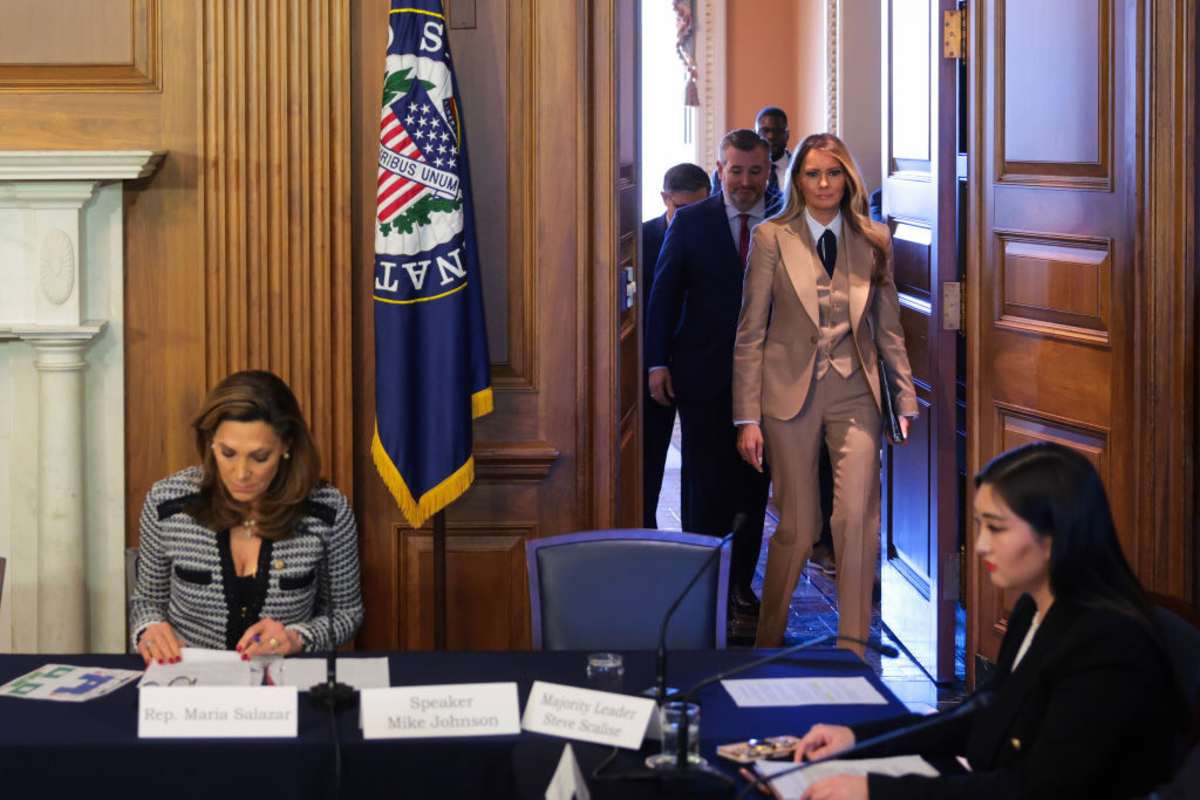
Wolff filed the lawsuit in state court in New York. Brito then took the case to federal court. In her 45-page decision, Vyskocil wrote that while federal court has jurisdiction, she was declining to exercise that jurisdiction and “dismisses this case to be litigated like any other.”
Melania Trump denies allegations linking her to Epstein
Nick Clemens, a spokesperson for Melania Trump, said she “is proud to continue standing up to, and fighting against, those who spread malicious and defamatory falsehoods as they desperately try to get undeserved attention and money from their unlawful conduct.”
In April, Melania Trump made a statement at the White House denying allegations linking her to Epstein.
Reading prepared remarks, the first lady said she and her lawyers were fighting back against “unfound and baseless lies” that suggested she had ties to Epstein.
“The lies linking me with the disgraceful Jeffrey Epstein need to end today,” Melania Trump said.
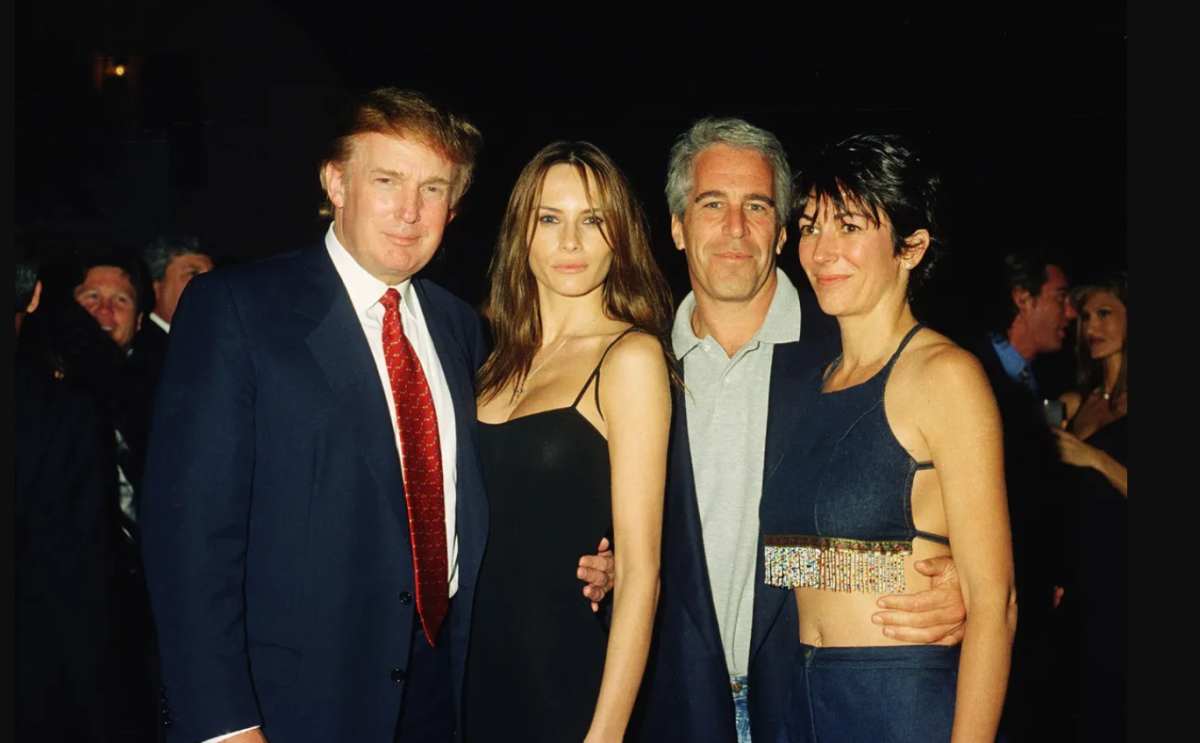
“The individuals lying about me are devoid of ethical standards, humility and respect. I do not object to their ignorance, but rather I reject their mean-spirited attempts to defame my reputation.”
In his lawsuit, Wolff argued that the Trumps “have made a practice of threatening those who speak against them” with costly legal actions “to silence their speech, to intimidate their critics generally, and to extract unjustified payments and North Korean style confessions and apologies.”
He said the threats were “designed to create a climate of fear in the nation so that people cannot freely or confidently exercise their First Amendment rights.”
Wolff has published a dozen books, including four bestsellers about President Donald Trump.