DeSantis signs Florida's strictest voter ID law as 1 million risk losing the right to vote
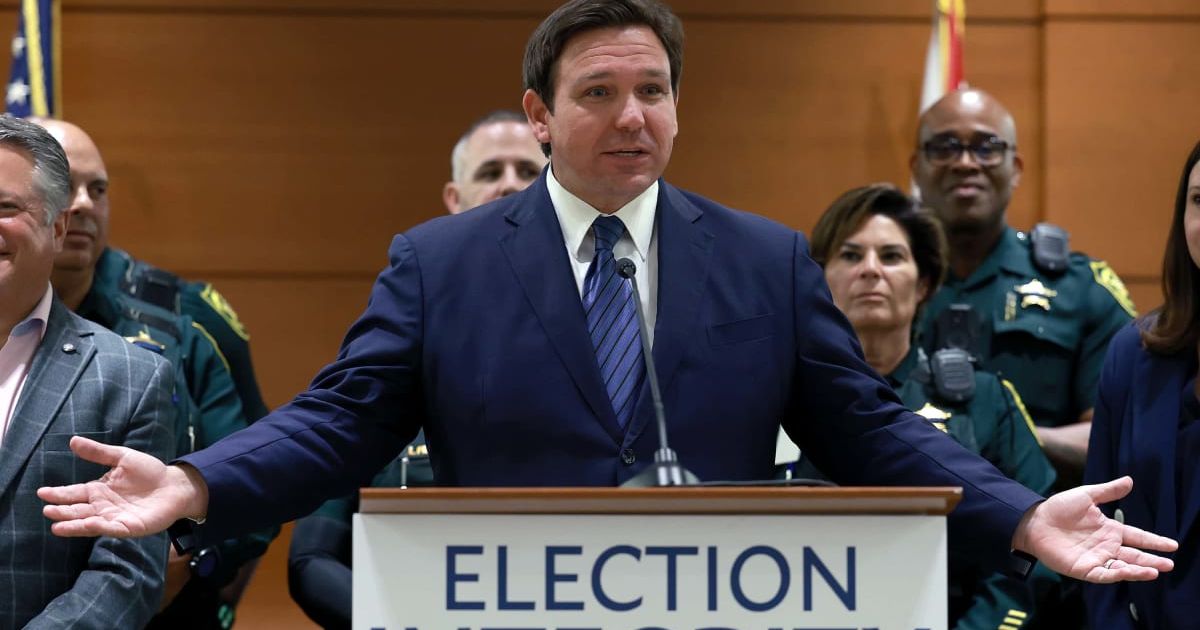
TALLAHASSEE, FLA: Republican Governor Ron DeSantis signed a sweeping election bill on Wednesday, April 1, establishing Florida’s own version of the federal 'SAVE America Act'.
The new law mandates that residents provide documentary proof of citizenship to register to vote and imposes the state’s strictest-ever photo ID requirements at the polls.
While the governor hailed the move as a victory for "voter integrity," the legislation has immediately triggered a federal lawsuit from a coalition of advocacy groups led by the ACLU and the League of Women Voters.
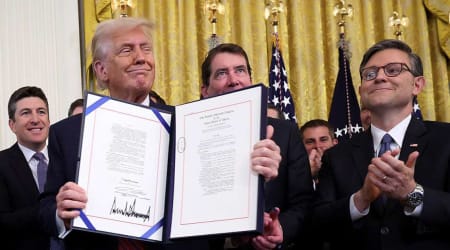
The measure mirrors the federal SAVE (Safeguard American Voter Eligibility) Act, a cornerstone of President Donald Trump’s 2026 legislative agenda currently stalled in the US Senate.

By enacting this at the state level, Florida joins a growing movement of GOP-led states, including Utah and South Dakota, that are seeking to bypass federal gridlock to implement citizenship verification protocols ahead of future election cycles.
Strict new proof of citizenship requirements
Under the new statute, Florida election officials are tasked with verifying the citizenship of every registered voter. For those who previously provided a passport or birth certificate when obtaining a Florida ‘REAL ID’ driver’s license, the process will be automatic.
However, residents without those documents on file will be flagged and given a narrow 30-day window to provide physical proof of citizenship or face immediate removal from the voter rolls.

Governor DeSantis defended the necessity of the law, citing the Florida Constitution’s requirement that only American citizens are permitted to vote.
Supporters argue the law is a common-sense barrier against potential fraud, pointing out that millions of Floridians have already produced such documents for travel or driving purposes.
Yet, the Brennan Center for Justice reports that 9% of voting-age citizens lack ready access to these documents, suggesting over one million Floridians could struggle to remain eligible.
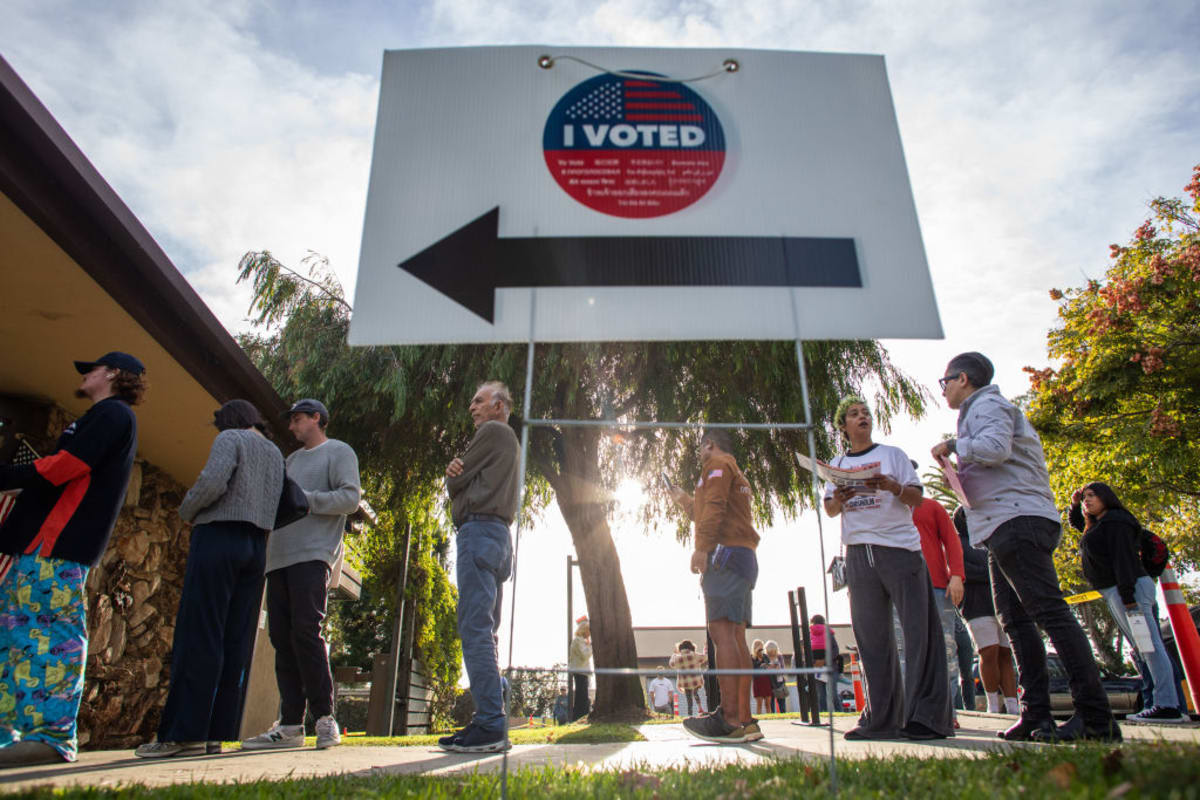
Advocates warn of Jim Crow era echoes
Critics and civil rights attorneys argue the law will disproportionately impact the state’s most vulnerable populations.
Jonathan Topaz, an attorney for the ACLU, warned that older Black voters born in the Jim Crow-era South, who may never have been issued official birth certificates, are at high risk of disenfranchisement.
Naturalized citizens, voters born in Puerto Rico, and those who have changed their names are also expected to face significant bureaucratic hurdles.
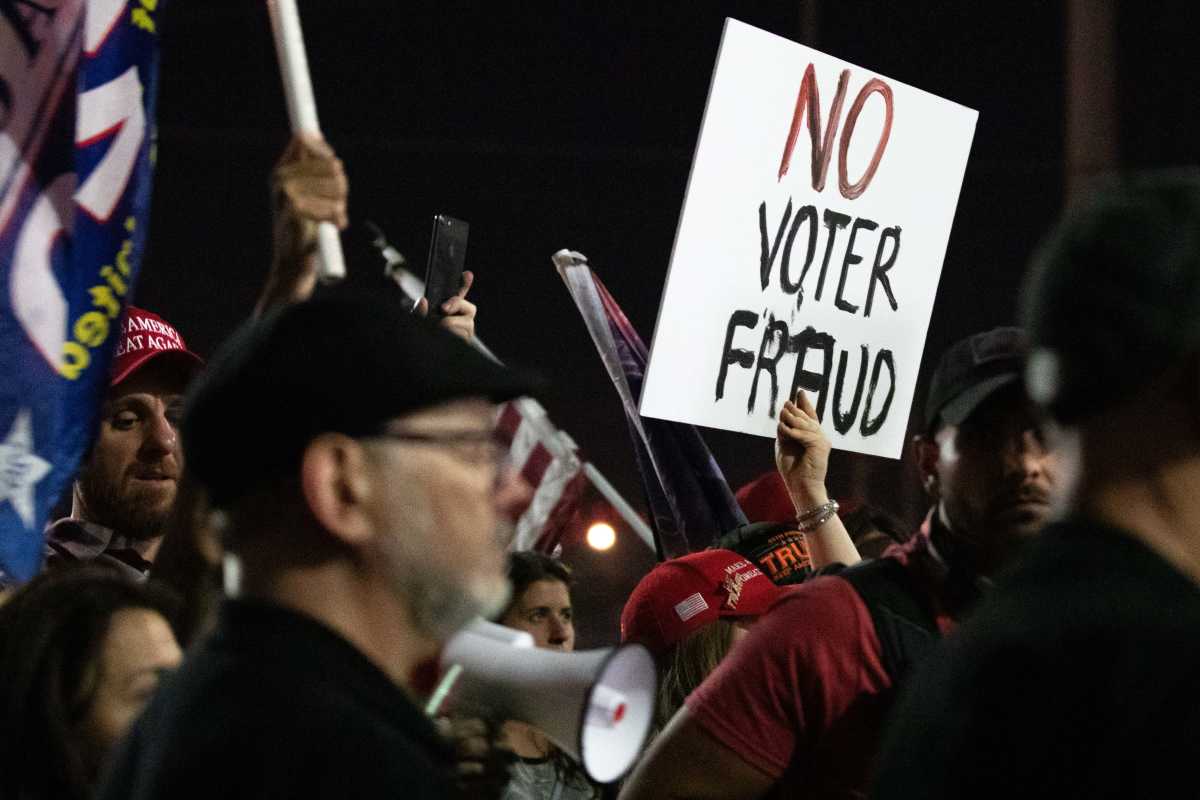
The law also eliminates the use of student and retirement community IDs at polling places. Election supervisors, such as Wendy Sartory Link of Palm Beach County, warned that this change will likely trigger "long lines" and a surge in provisional ballots at sites near college campuses and senior living facilities.
Out-of-state students, in particular, may find it impossible to secure a Florida-compliant ID in time for upcoming elections.
Election officials face massive implementation hurdles
Local election supervisors have expressed deep concern over the logistics of the January implementation. Supervisor Link noted that her office currently lacks the computer systems, staff, and funding required to handle the increased workload.
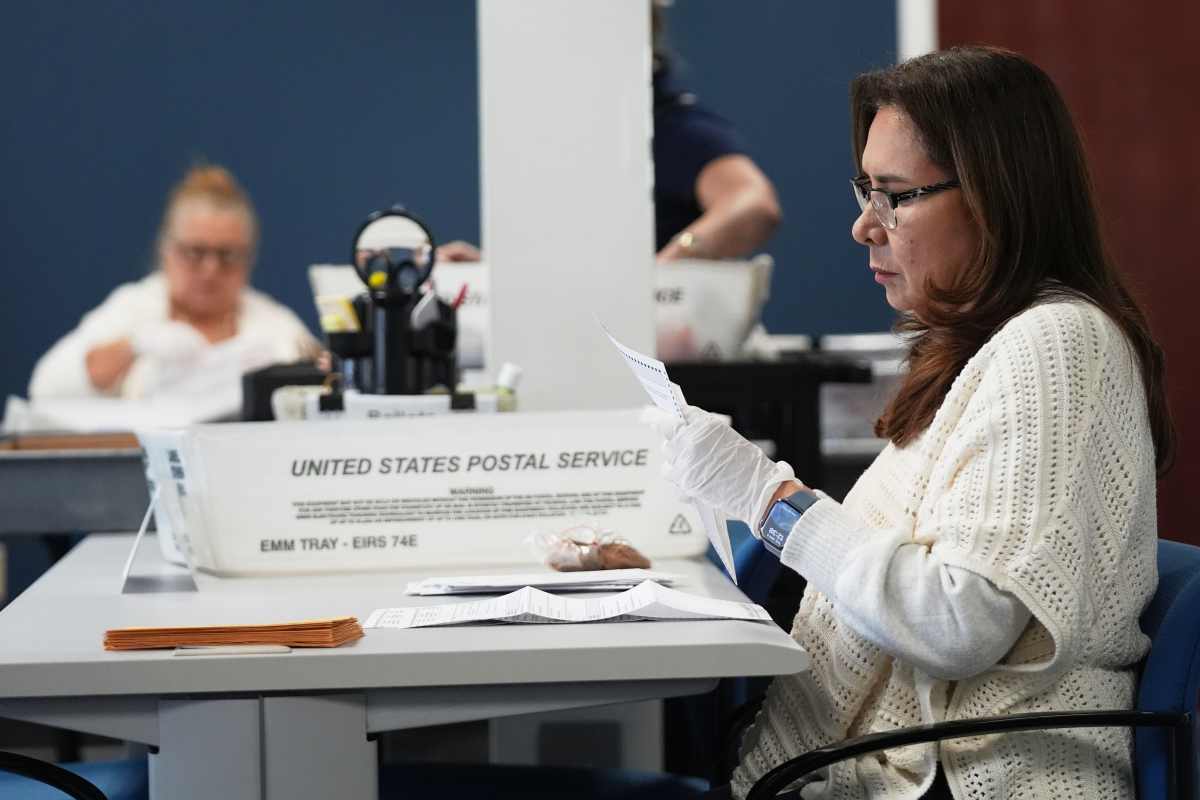
"The voter file doesn't currently include a space for citizenship proof," Link said, adding that new data-sharing systems between state agencies must be built from scratch.
There are also unresolved questions regarding the security and verification of documents. Supervisors remain unsure if they can accept digital copies of birth certificates or if they have the training to identify fraudulent out-of-state documents.
"If somebody brings an Idaho birth certificate, I don’t know what that looks like," Link admitted, raising the prospect of inconsistent enforcement across Florida’s 67 counties.
Arizona's 'bifurcated' model serves as warning
Florida’s legal challenge mirrors earlier efforts in Arizona, where a “bifurcated” voting system is currently in place following federal court rulings. Under that system, voters who do not provide proof of citizenship are permitted to vote only in federal elections.

Florida’s approach differs in structure, focusing on post-registration verification requirements. Supporters of the law argue that the framework is designed to align with existing legal precedents while expanding enforcement mechanisms.
The law is now facing a federal lawsuit filed by the American Civil Liberties Union (ACLU), which challenges its implementation. The case is expected to play a key role in shaping election procedures ahead of the 2026 midterm elections.
At the same time, similar legislation is being considered in multiple states, placing renewed focus on voting requirements and election administration policies across the country.