Trump sits in court, calls birthright citizenship 'stupid' as justices grill his order
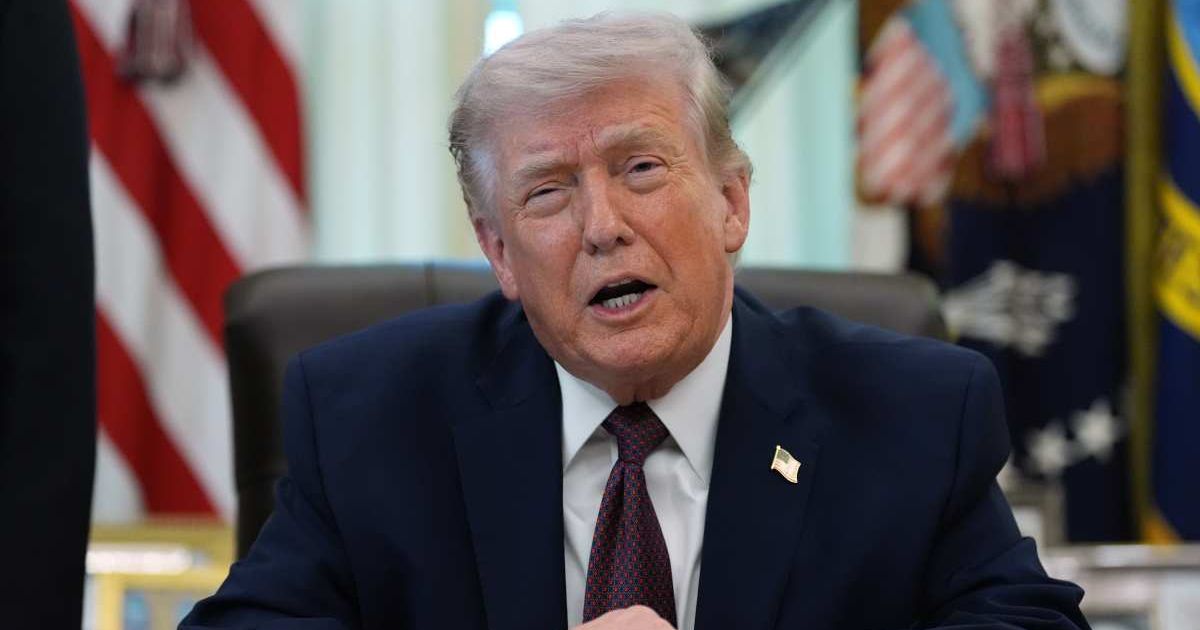
WASHINGTON, DC: The US Supreme Court on Wednesday, April 1, appeared skeptical of President Donald Trump’s effort to limit birthright citizenship, as justices questioned the legal basis of his executive order.
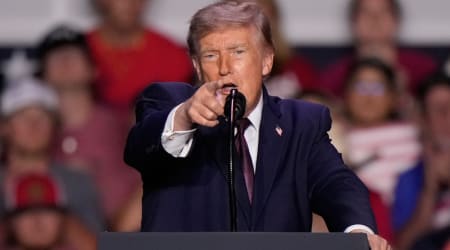
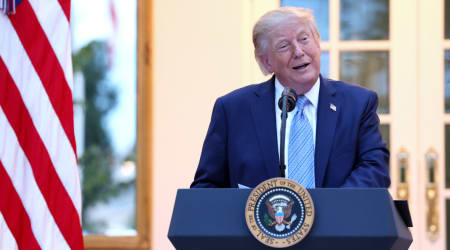
Trump, who attended oral arguments in person, proposed restricting citizenship to children born to at least one US citizen or permanent resident.
The move would alter longstanding interpretations of the Constitution’s 14th Amendment. During the proceedings, Trump also publicly criticized birthright citizenship in strong terms.
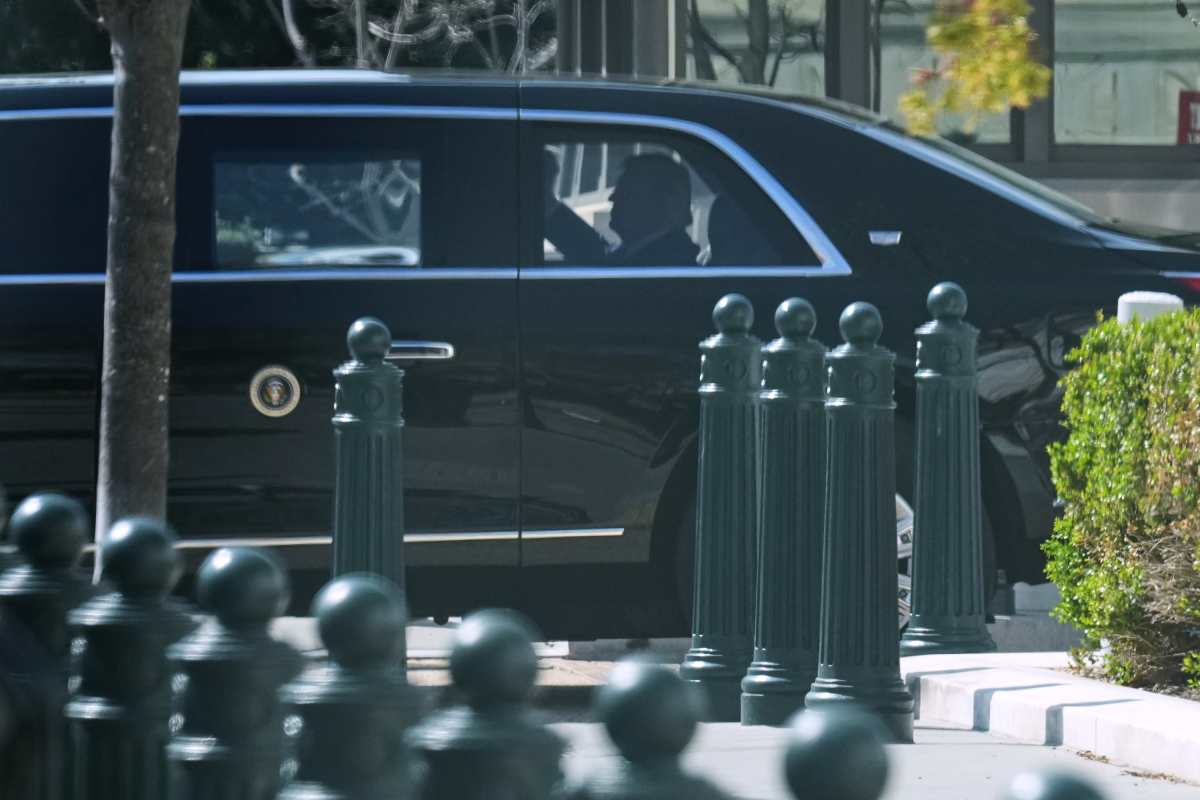
Justices question legal basis of executive order
During oral arguments, several Supreme Court justices raised concerns about the administration’s interpretation of the 14th Amendment’s citizenship clause.
The clause states, “All persons born or naturalized in the United States, and subject to the jurisdiction thereof, are citizens of the United States.”
Trump’s executive order seeks to reinterpret that provision by excluding children born to temporary visitors or individuals in the country without legal status.
The proposal, announced at the start of his second term, has been blocked by lower courts and has not taken effect.
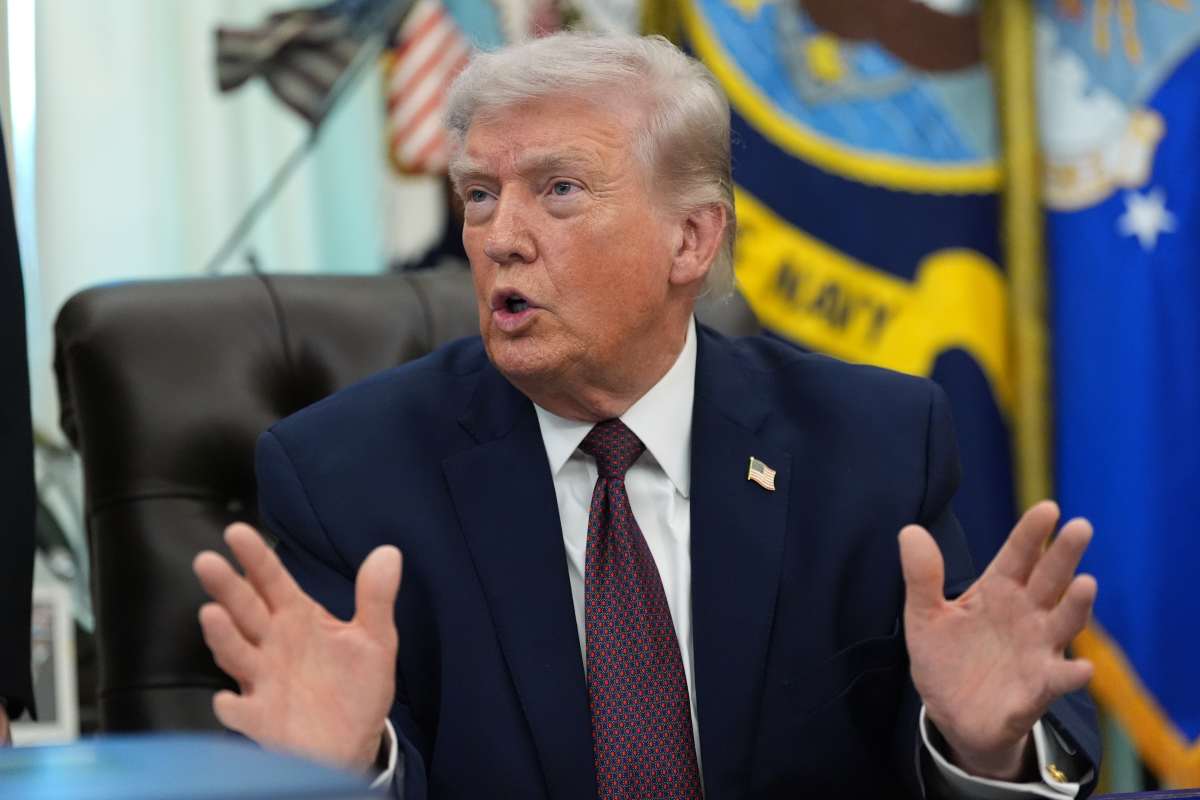
Chief Justice John Roberts questioned whether changing circumstances could justify a different interpretation of the Constitution.
“It's a new world. It's the same Constitution,” he told Solicitor General D John Sauer. Justice Neil Gorsuch also raised historical concerns, noting that legal status was not a determining factor at the time the amendment was ratified.
“If somebody showed up here in 1868 and established domicile, that was perfectly fine,” he said, adding that the legality of entry might not be relevant.

Justice Elena Kagan criticized the government’s reliance on less widely recognized sources.
“The text of the clause, I think, does not support you. I think you're sort of looking for some more technical, esoteric meaning,” she said.
Even Justice Clarence Thomas asked for further clarification on how the amendment was intended to address earlier rulings, such as the 1857 Dred Scott decision.
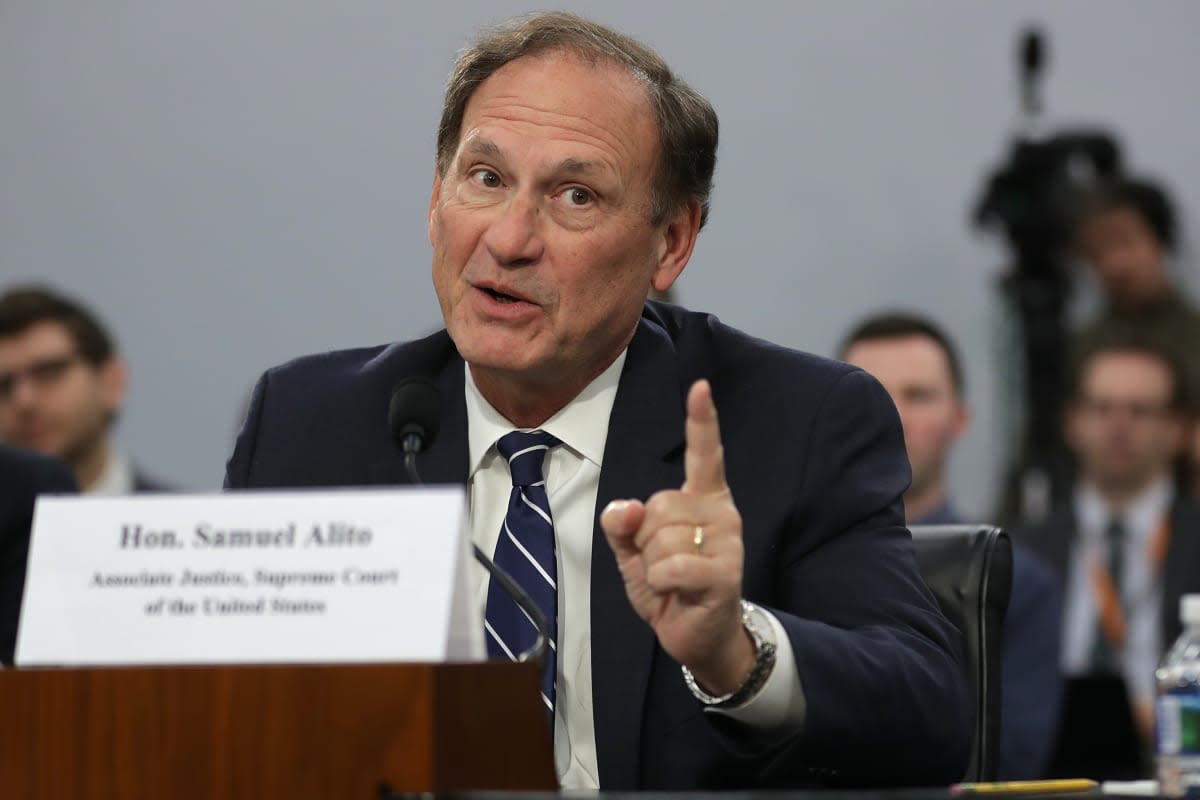
Justice Samuel Alito appeared more receptive to the administration’s position, suggesting that evolving circumstances such as modern immigration patterns could warrant reconsideration.
“What we're dealing with here is something that was basically unknown at the time when the 14th Amendment was adopted, which is illegal immigration,” he said.
Trump defends policy and criticizes birthright citizenship
Amid the court proceedings, Trump reiterated his opposition to birthright citizenship in a post on X, writing: “We are the only country in the world STUPID enough to have ‘Birthright’ Citizenship!”
The administration’s legal argument centers on the phrase “subject to the jurisdiction thereof,” asserting that it requires individuals to be under full political jurisdiction of the United States, without allegiance to another country.
Sauer argued that the clause was primarily intended to apply to formerly enslaved people and not universally to all individuals born on US soil.
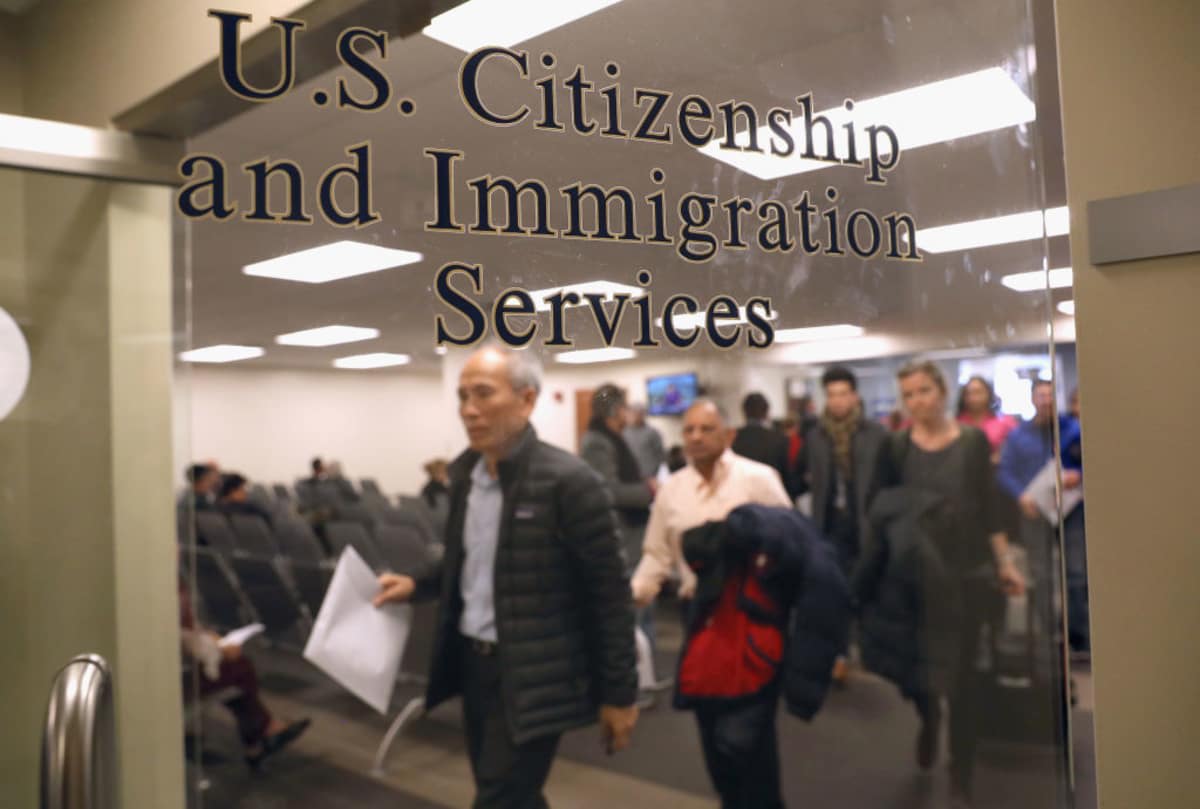
The case has broader implications, potentially affecting thousands of children born annually in the United States. Some families have expressed uncertainty about how the policy could impact them.