Deleted Signal messages leave judge with a stunning question about Trump's FEMA cuts
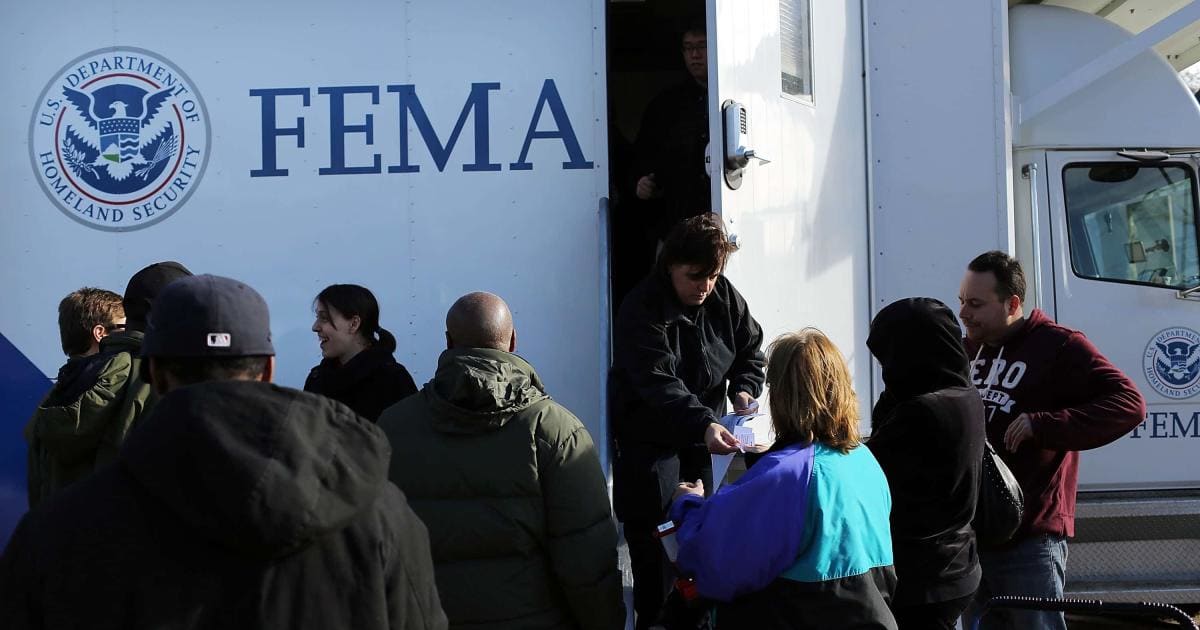
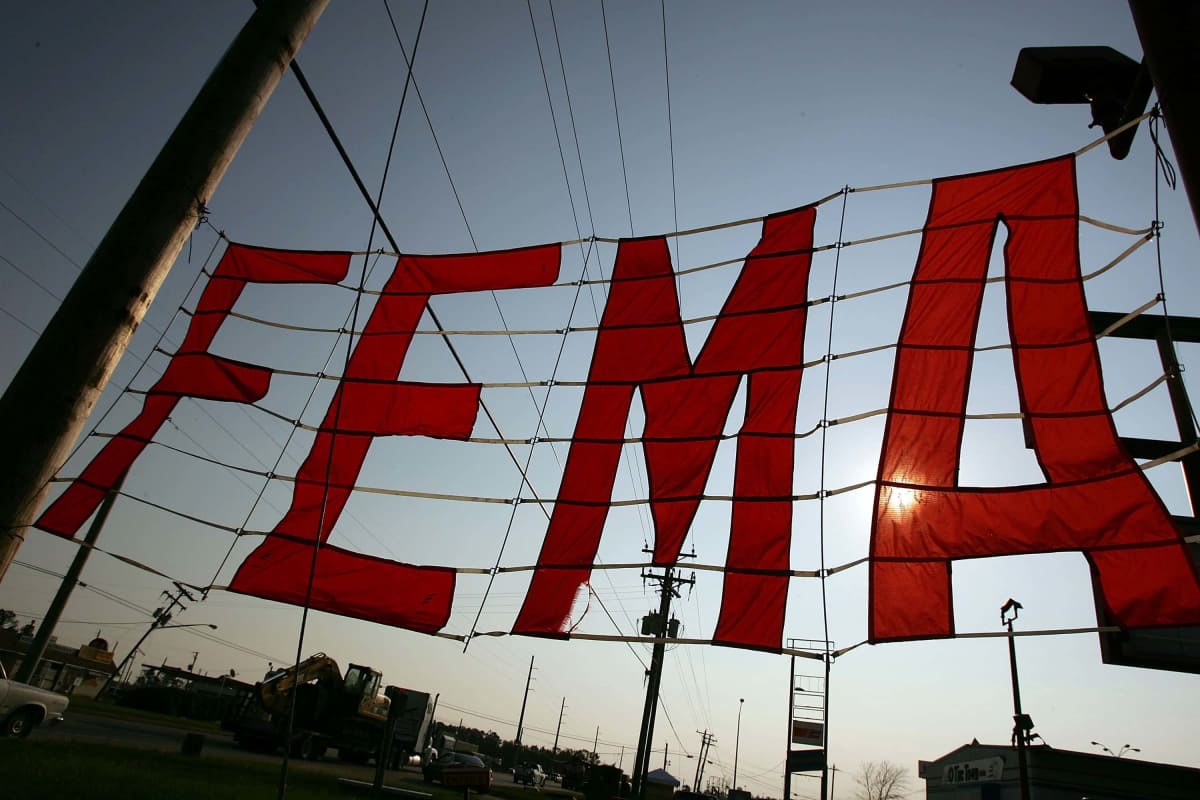
SAN FRANCISCO, CALIFORNIA: A federal judge has ruled that the Trump administration acted unlawfully in directing major staffing decisions at the Federal Emergency Management Agency, but the decision also left behind an unanswered question about a proposed plan to cut FEMA's workforce in half.
US District Judge Susan Illston said relevant messages between senior DHS and FEMA officials were permanently deleted after officials used Signal on personal phones with auto-delete timers.
The court found that the missing communications hampered the unions' case and its own ability to determine what happened.
Illston then raised the central question hanging over the case: how the specific 50% figure originated if FEMA's own supervisors hadn't proposed it?
Judge questions missing staffing evidence
The lawsuit was brought by the American Federation of Government Employees and other unions challenging changes to FEMA's workforce.
According to Illston's Friday, September 11, order, DHS and FEMA officials discussed FEMA and CORE staffing through Signal chats on personal cell phones.
The officials used auto-delete timers that removed messages within one to four weeks, the court said.
Those messages covered the period most relevant to the dispute and cannot be recovered.
The judge found the deleted communications were relevant and that plaintiffs were prejudiced by their loss.
The court also found that officials acted with the intent to deprive plaintiffs of the messages' use in the litigation.
FEMA never recommended half cuts
The dispute involved a reported plan to reduce FEMA's workforce from roughly 23,000 employees to 11,500 by the end of fiscal year 2026.
The court said DHS ultimately backed away from the proposed 50% reduction after the plan became public.
But Illston noted that the record raised questions about its origins.
"If FEMA supervisors and the FEMA CHCO did not recommend a 50% staffing cut, where did that number come from?" the judge wrote.
The administration's staffing changes also involved CORE employees, who are full-time disaster response and recovery workers hired for terms lasting between two and four years.
The court said FEMA later resumed renewals, though many workers were offered shorter terms than they had historically received.
DHS overstepped, court finds
Illston granted partial summary judgment to the unions on their Administrative Procedure Act claims and denied the government's cross-motion.
The judge found that DHS had unlawfully taken over authority that Congress assigned to FEMA to make its own personnel decisions.
The ruling cited the Post-Katrina Emergency Management Reform Act, passed after widespread criticism of the federal response to Hurricane Katrina.
The law established FEMA as a distinct entity within DHS and restricted the department's ability to substantially reduce its functions and authority.
Illston ruled that DHS acted unlawfully by interfering with FEMA's staffing decisions and that FEMA officials acted unlawfully by acquiescing to DHS's authority.
Why FEMA staffing still matters
The court has not yet issued final relief and directed both sides to determine what issues remain unresolved.
For Americans, the dispute goes beyond a government staffing fight.
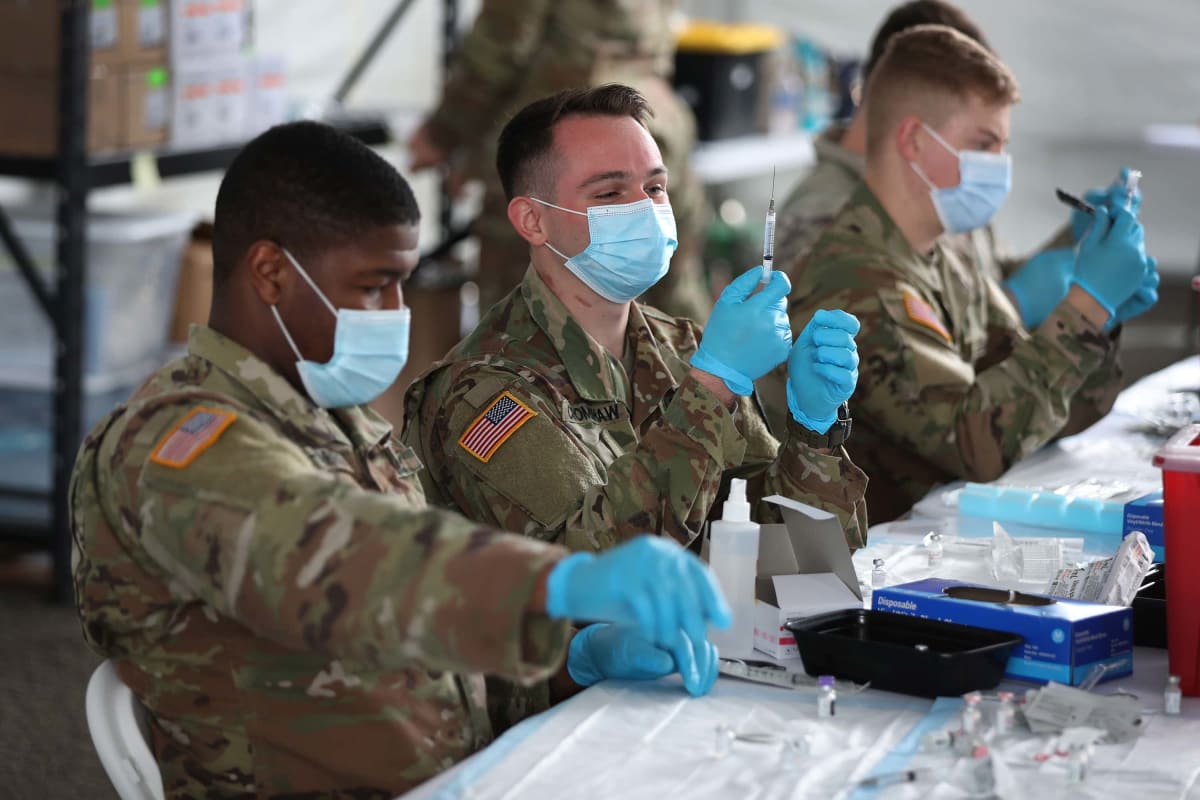
FEMA responds to hurricanes, floods, wildfires, and other major disasters, often relying on CORE employees for response and recovery work.
The ruling leaves the administration facing legal questions over FEMA's independence, while the missing Signal messages mean the court may never have a complete record of how the proposed cuts were developed.
The parties have been ordered to continue discussions over what relief should follow.