Could rising gas prices become major problem for Republicans in midterms?
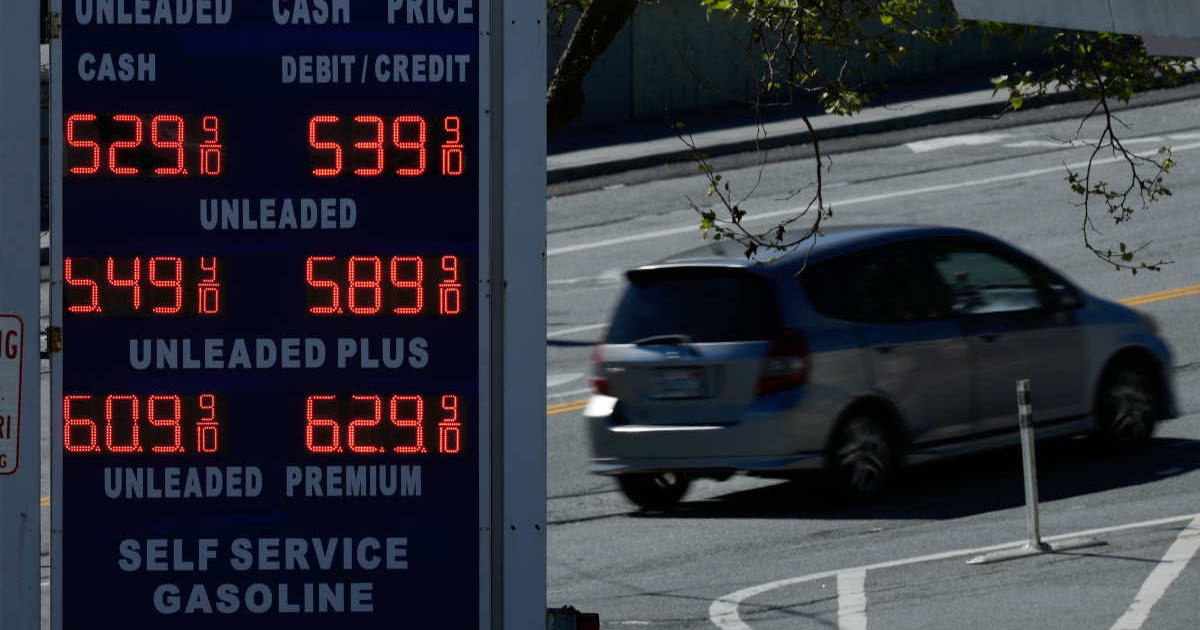
WASHINGTON, DC: Gasoline prices have dropped a bit lately, but they're still much higher than they were a year ago.
According to the latest Energy Information Administration data, regular gas averaged $4.35 a gallon nationwide for the week of October 5. That's down just over 11 cents from the week before, but it's still $1.23 more, about 39% higher, than this time last year. And compared to early September, prices now are around 20 cents higher. So while drivers might feel a hint of relief, they're still paying a lot more at the pump than they did last fall.
Republicans face a clear challenge as the November 3 midterms approach: Are voters blaming rising gas prices on those in power? So far, it looks like the cost at the pump is just one piece of a bigger affordability problem; people are feeling squeezed all over, not just when they fill up their cars.
Even so, Republican candidates and the Trump administration can’t brush off these concerns anymore. The pressure’s real, and it’s not going away.
How bad is the gasoline-price increase?
The national average for gas prices hides some big regional gaps. According to EIA’s October 5 data, regular gas hit $6.23 a gallon in California and $5.42 in Washington.
Compare that with much lower prices in Ohio ($3.83) and Texas ($3.87). The Gulf Coast sits at $3.91, while the West Coast sees an average of $5.73.
The national average jumped from $4.16 on September 7 to $4.48 by September 21, then dipped to $4.35. So, the drop isn’t following a simple upward trend, but even with the recent fall, drivers are still paying much more than last year.
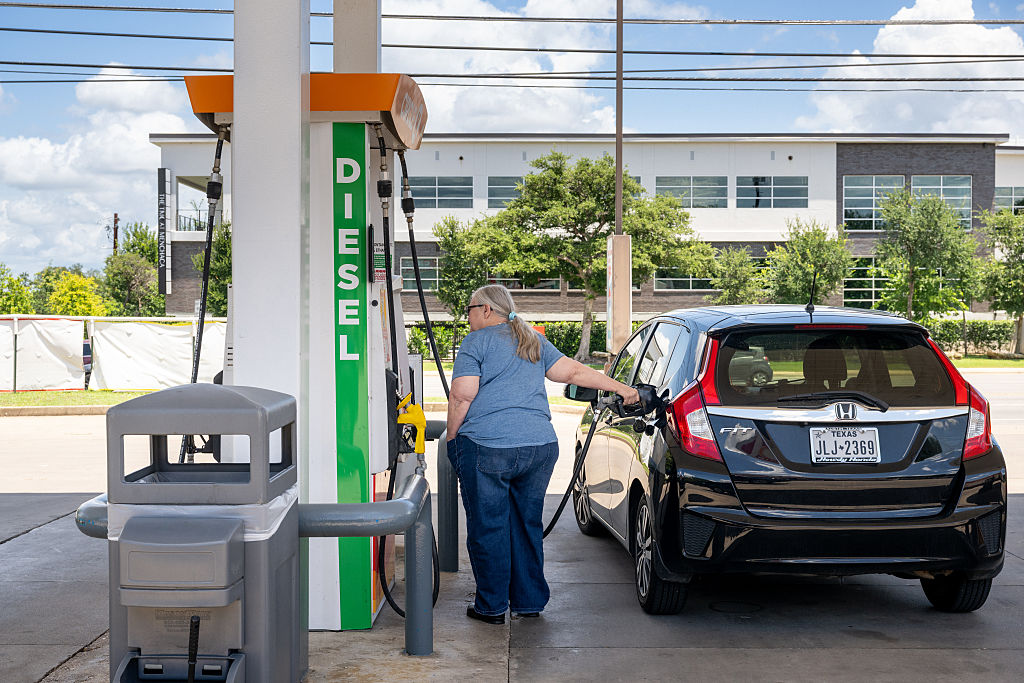
Why Americans are paying more for gas, and who feels it
The global oil market drives everything here. When fighting breaks out involving Iran, oil shipments get tangled up, especially with all that tension near the Strait of Hormuz.
Attacks on energy facilities and shrinking supplies of refined fuel just pile on more trouble. According to the EIA, what you pay at the pump mostly depends on crude oil prices and the cost of refining, so problems overseas hit American drivers fast.
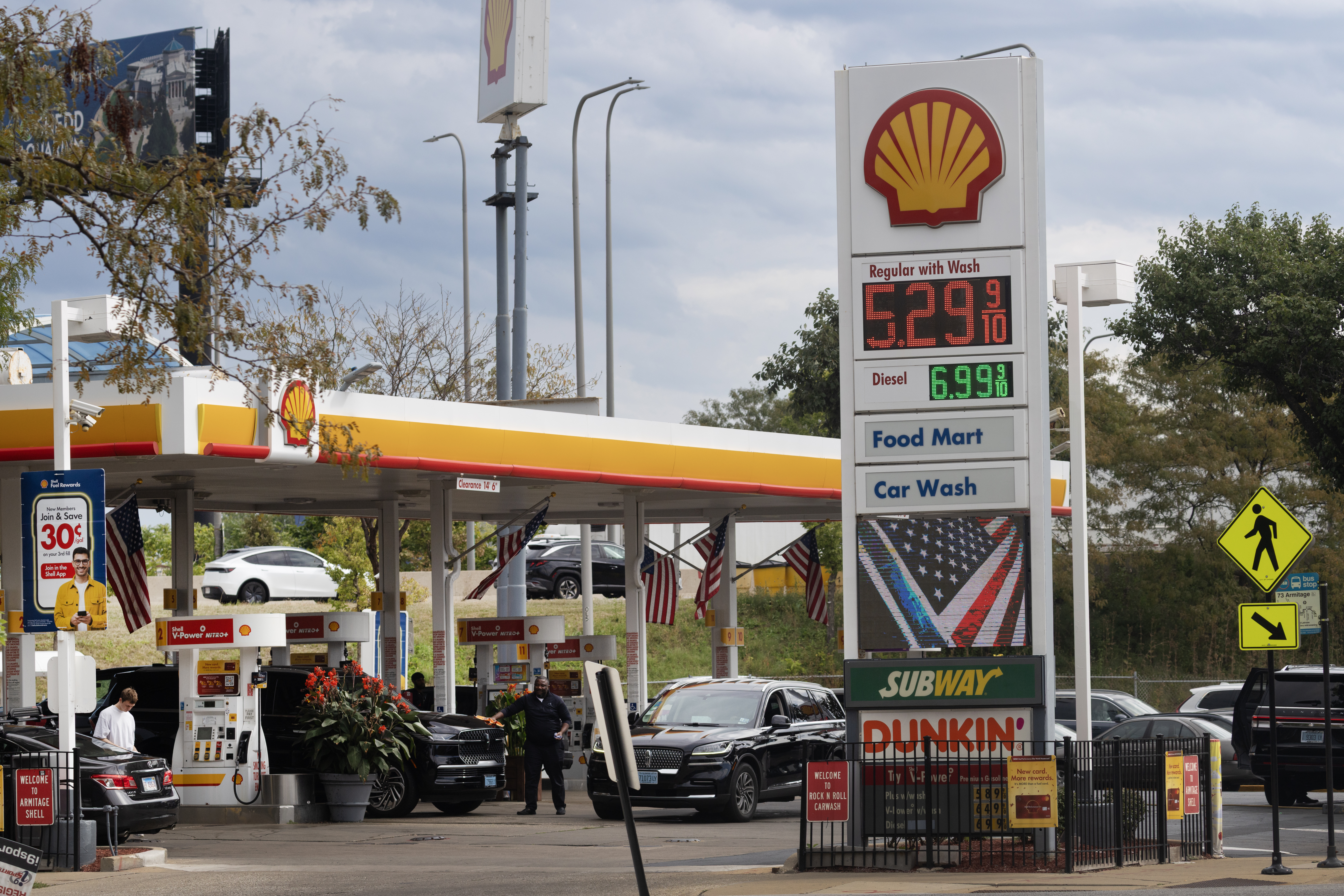
Gas prices are starting to give Trump and his party a real headache. According to an AP-NORC poll from late September, 65% of Americans say Trump’s policies are behind the stubbornly high prices, not outside events. Nearly half feel serious worry about affording gas, up sharply from 39% back in July. Only 17% approve of how Trump’s managing the cost of living.
It’s not just outsiders complaining. Frustration is seeping into Trump’s own base. Around 7 in 10 Americans think he’s handled the cost of living worse than they expected. Even among Republicans, about half worry about paying for groceries and gas. The poll shows roughly 6 in 10 Republicans disapprove of Trump’s approach to the cost of living.
It’s pretty irritating, especially since Trump’s main pitch in the 2024 campaign was all about cutting prices. He criticized Biden and Harris on inflation, pushing hard on the promise to make things cheaper. Now, the AP-NORC poll shows disappointment isn’t just sitting with Democrats or independents. Even about half of Republicans worry about how much groceries and gas cost.
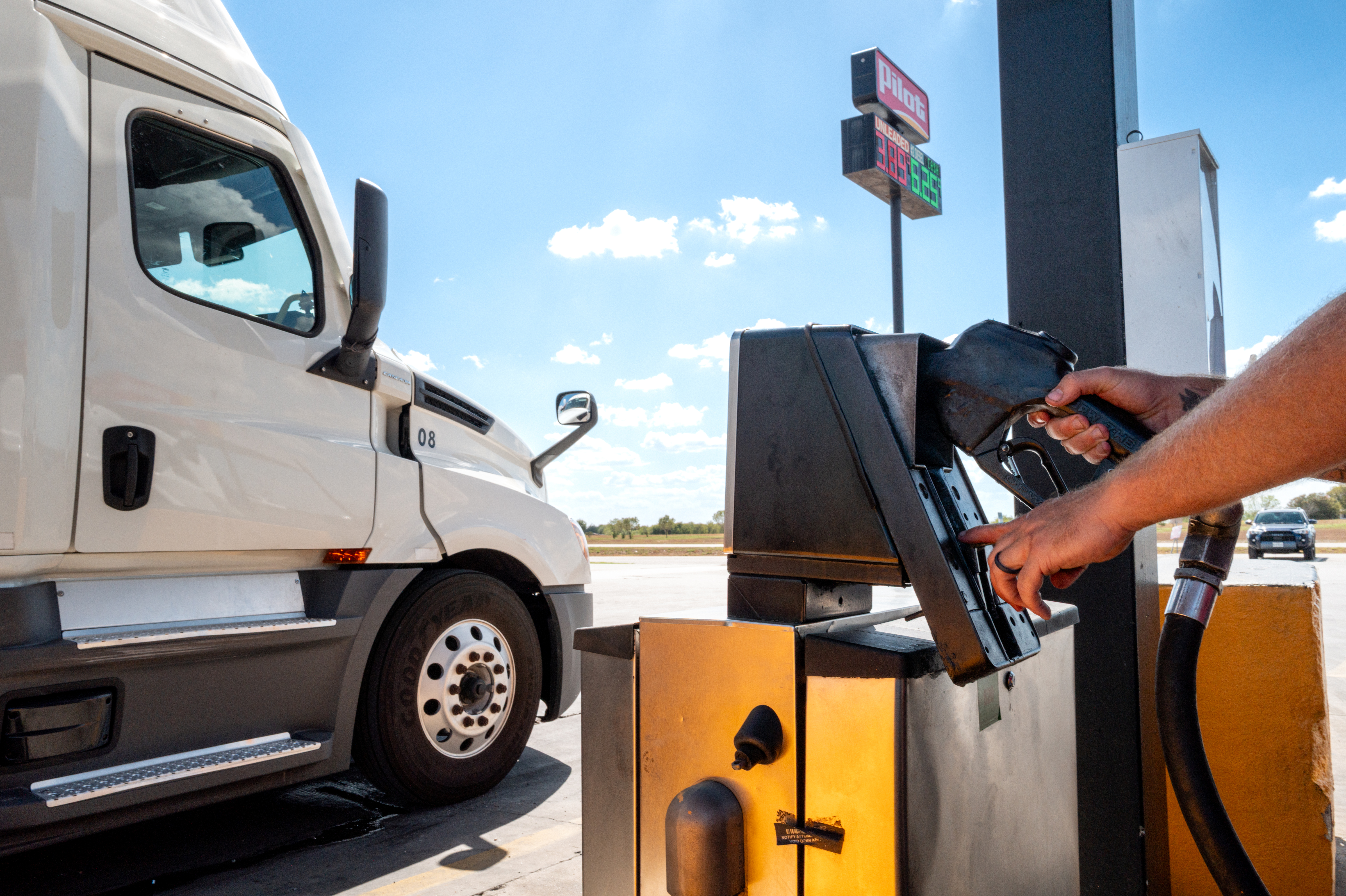
Rural Americans, farmers, truckers, and anyone whose livelihood depends on fuel are feeling the pinch more than most. The Wall Street Journal notes that soaring energy prices aren’t just a headline; voters everywhere are feeling the squeeze. Diesel costs hammer agriculture and transportation.
Farmers watch as expenses climb, not just to run their machinery but to get products to market. It’s not just them, either; businesses and families fork over more money just to ship goods and get where they need to go.
Are Republicans talking about it?
Republican candidates and lawmakers aren’t just talking; they want concrete steps to bring down fuel prices.
Ashley Hinson, running for Senate in Iowa, pushes for suspending federal and state gas taxes, stopping diesel exports for a while, expanding E15 ethanol, bringing back the biodiesel tax credit, and setting up relief programs to help farmers and truckers with diesel costs. The focus is clearly on immediate, practical measures to bring people relief at the pump.
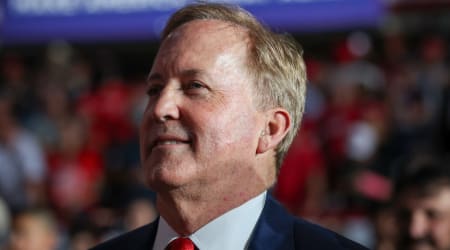
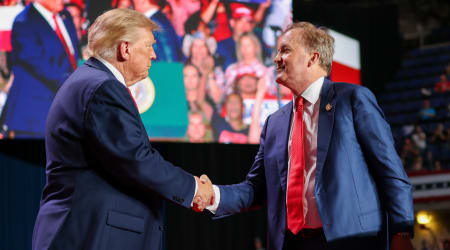
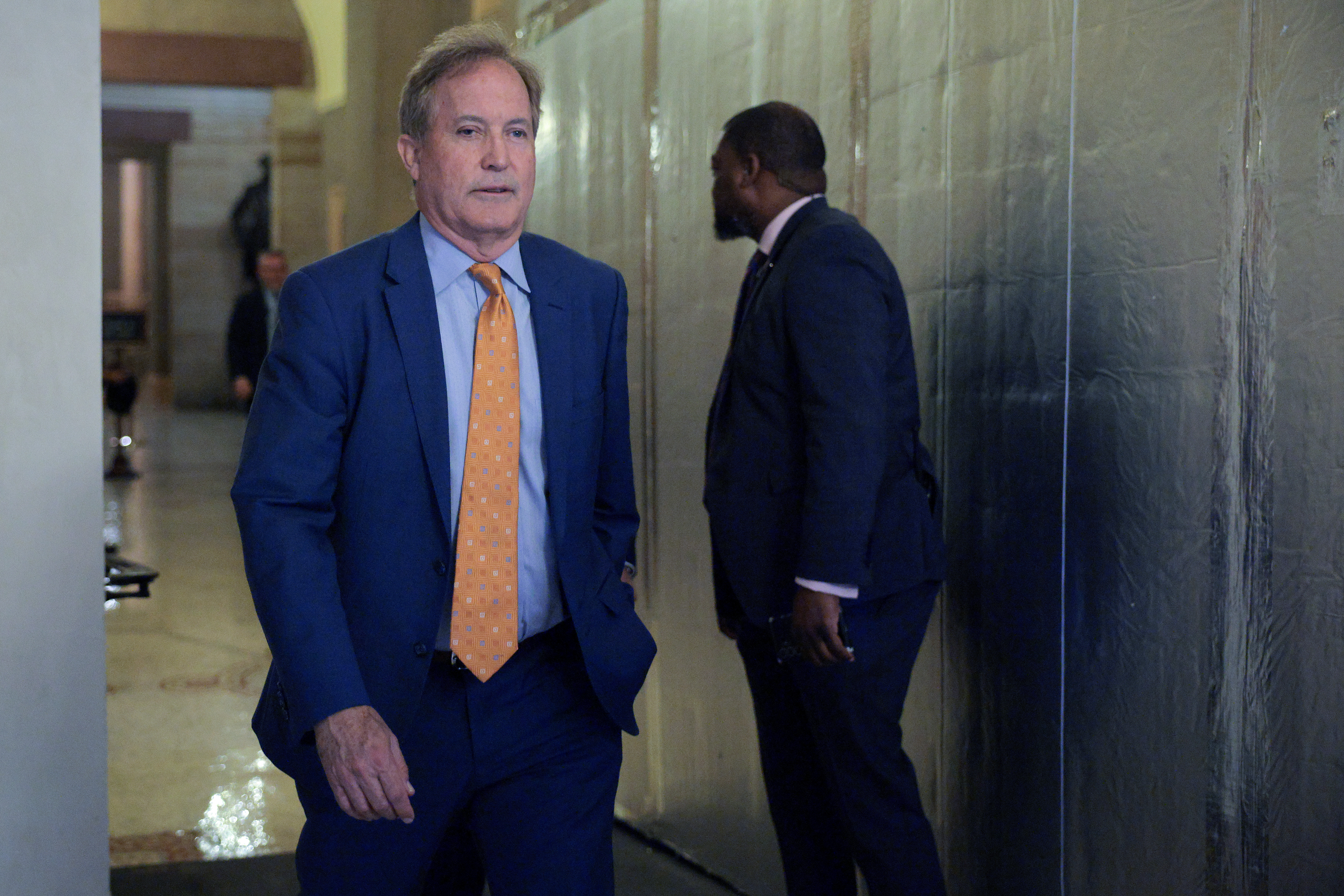
Take Texas Senate candidate Ken Paxton; he’s been blaming his campaign troubles on the Iran war and sky-high fuel prices. Axios got hold of audio where he said as much. Not long after, his campaign shifted to talk up tax cuts and ways to make life more affordable.
Others are zeroing in on cost-of-living issues. In Michigan, Mike Rogers, who’s running for Senate, split from Trump on tariffs that hit his state hard. Meanwhile, the administration keeps pushing fuel relief programs.
Trump himself admitted voters probably wouldn’t see much relief before the midterms. Back in September, he claimed oil prices would drop after the election and even predicted gas could sink below $2 a gallon. By saying this, he basically recognized that high fuel prices would keep causing political headaches for Republicans all the way to Election Day.
Trump’s team didn’t just talk about diesel; they acted. On October 5, an executive order made it temporarily easier to use dyed diesel on highways and let farmers, truck drivers, and other workers put off certain federal diesel taxes.
Could gasoline prices become a bigger midterm problem?
Gas prices catch people’s attention every time they fill up their tank. It’s no surprise that politicians start to worry; voters remember these prices when they vote.
Gas prices aren’t just numbers on a sign; they’re a headache for politicians. Every time people fill up their tanks, they’re reminded of who’s in charge. Lately, more voters are pointing the finger at Trump. According to an AP-NORC poll, 65% blame his policies for the stubbornly high costs. That’s a steeper hill than Biden had to climb just before the 2022 midterms, when only 44% held him responsible for rising prices.
Patrick De Haan from GasBuddy pointed out to Fox Business that high gas prices usually hurt the party in power. He’s warning Republicans they could run into the same trouble Democrats faced in 2022.
Even so, De Haan said ongoing geopolitical tensions could mess with that expected drop. So, the situation remains uncertain.
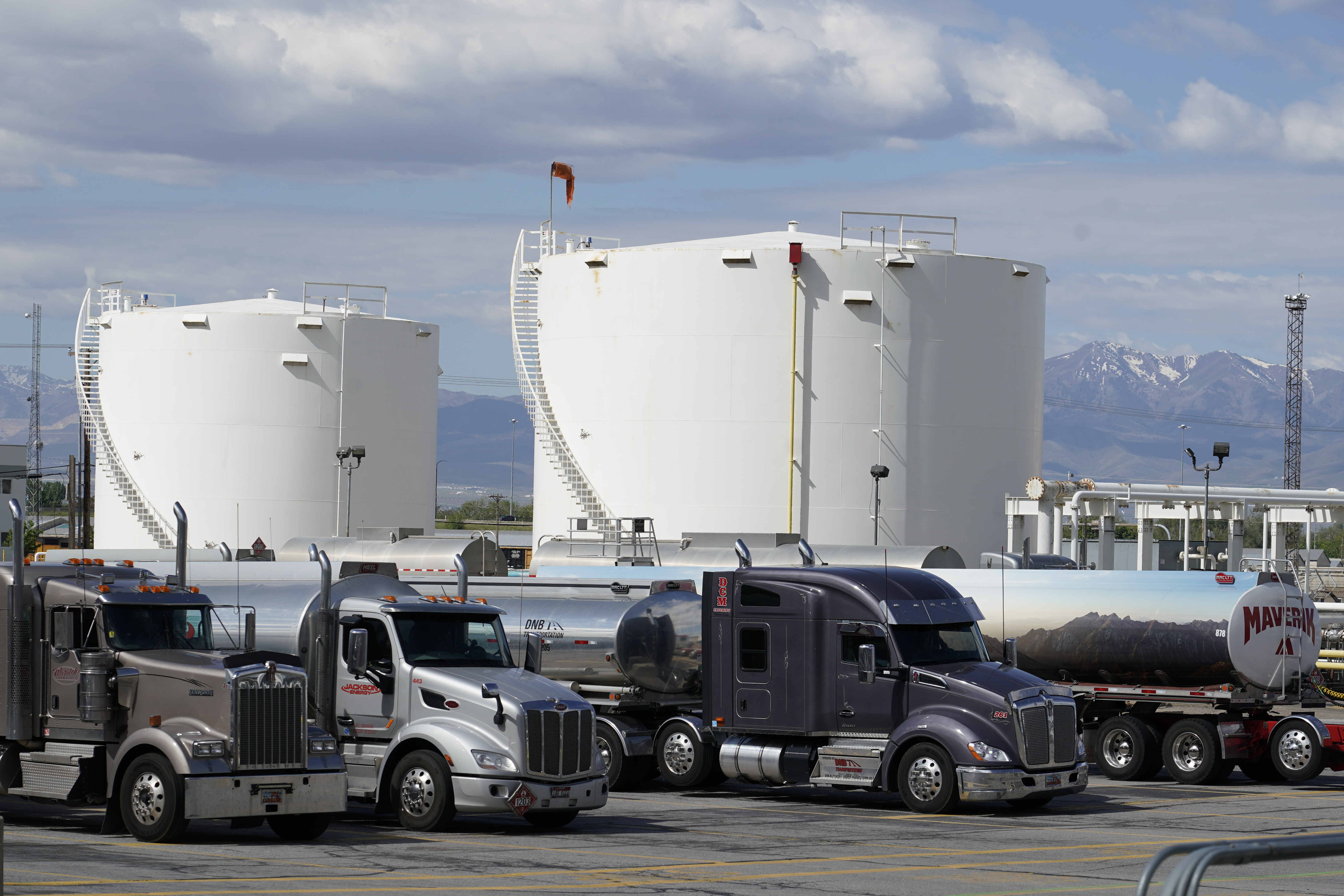
What can Trump actually do about gasoline prices?
The president has a few tools at hand, but none of them drops prices overnight. The administration might release emergency oil reserves, push for more domestic production and refining, coordinate with other countries, or tweak fuel taxes and regulations.
Right now, the G7 and International Energy Agency are already tapping into emergency reserves to calm the global fuel market.
Trump has floated the idea of suspending the federal gasoline tax, 18.4 cents a gallon, but he can't make that happen without Congress.
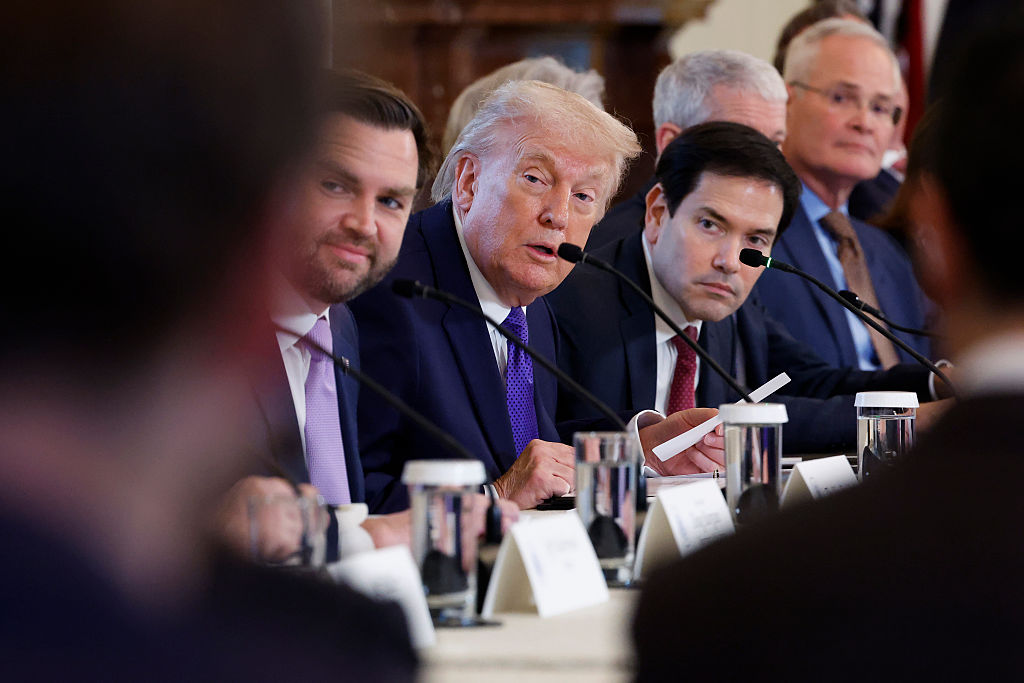
The bigger issue is that gasoline prices still hinge on the global oil market. If the Iran conflict keeps messing with supply, Washington can only soften the blow. It can't just set pump prices for Americans by decree.
Gasoline stands out for Republicans; it’s a clear measure of whether they think the administration is actually making daily expenses more manageable. The AP-NORC data shows this issue isn’t just a concern for Democrats anymore. Now, around 60% of Republicans say they’re unhappy with how Trump is dealing with the cost of living. Still, most Republicans, 67%, point to outside forces, not Trump, as the main reason prices are high.