DOJ denies Trump interference as Comey faces second indictment over sinister seashell post
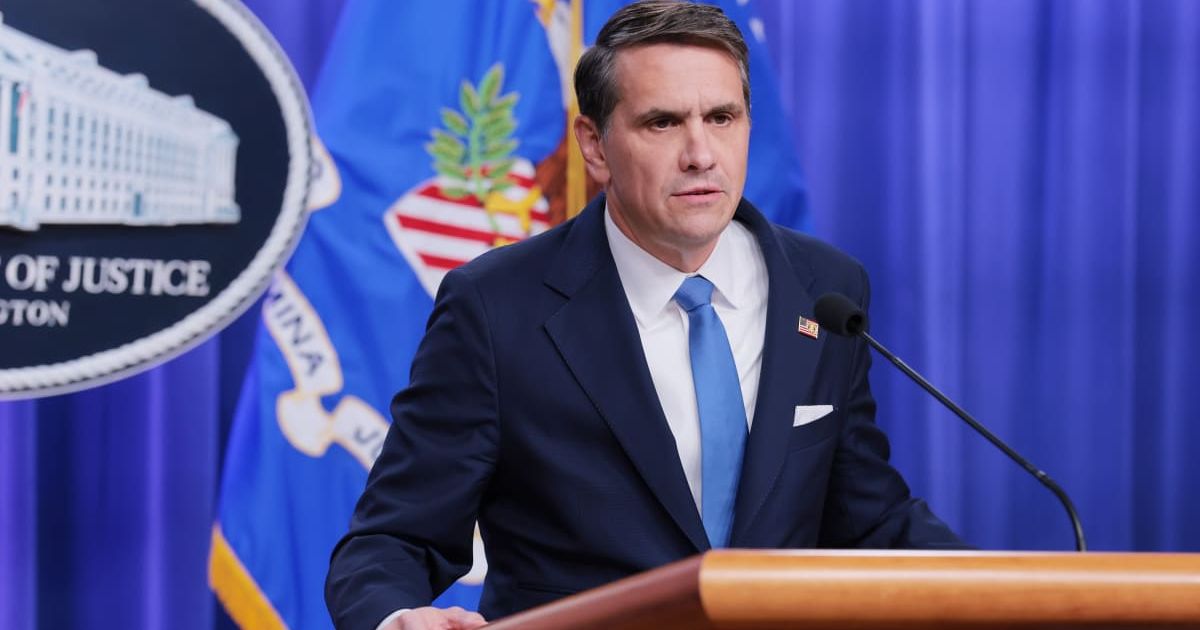
WASHINGTON, DC: Acting Attorney General Todd Blanche issued a forceful defense of the Department of Justice on Wednesday, April 29, flatly denying that President Trump orchestrated the latest criminal prosecution of his long-time rival, former FBI Director James Comey.
Appearing on 'CBS Mornings', Blanche dismissed allegations of political interference as a "partisan mudslide," asserting that the decision to charge Comey with threatening the life of the president was the independent result of a nearly year-long federal investigation.
Acting AG Todd Blanche: "You cannot threaten the President of the United States. That's not my decision, that's Congress' decision, in a law that they passed — and so, yes, of course this is a serious case." pic.twitter.com/49xMQKSkAu
— Breaking911 (@Breaking911) April 29, 2026
The controversy centers on a May 2025 Instagram post shared by Comey, which depicted the numbers "86 47" meticulously arranged in seashells.
While Comey deleted the image following an immediate public outcry and claimed he intended it as a political message, federal prosecutors in the Eastern District of North Carolina argue the post constitutes a credible threat.
According to the indictment signed by Assistant US Attorney Matthew Petracca, a "reasonable recipient" familiar with the context would interpret the display as a serious expression of intent to do physical harm to the 47th president.
Todd Blanche insists grand jury acted independently
"Of course not, absolutely, positively not," Blanche stated when pressed on whether the White House had issued a direct mandate for the prosecution.
He emphasized that the case, assigned to Judge Louise Wood Flanagan, was the culmination of a grand jury’s review of the evidence rather than a directive from the Oval Office.
Blanche argued that the "moral credibility" of the justice system depends on holding everyone accountable for threats against the Commander-in-Chief, regardless of their former stature.

The acting attorney general warned that dismissing the "86 47" imagery as mere seashells misses the gravity of the situation.
He suggested that those attempting to downplay the post are ignoring a systemic danger, stating that if society begins to view threats against the president as "not serious," the country faces a crisis of stability.
An arrest warrant has already been issued for Comey, who released a video statement Tuesday maintaining his total innocence.
Prior failed prosecution looms over case
This indictment marks the Justice Department's second attempt to secure a conviction against Comey since the administration took office.

In September 2025, a grand jury indicted the former director on charges of making false statements and obstruction of justice related to Senate testimony from five years prior.
However, in November, a federal judge threw out the charges. The court ruled that Lindsey Halligan, the prosecutor who secured that initial indictment, had been unlawfully appointed to her position.
Blanche was quick to differentiate the current case from the previous legal failure, insisting that the facts of the seashell post provide compelling evidence for the grand jury.
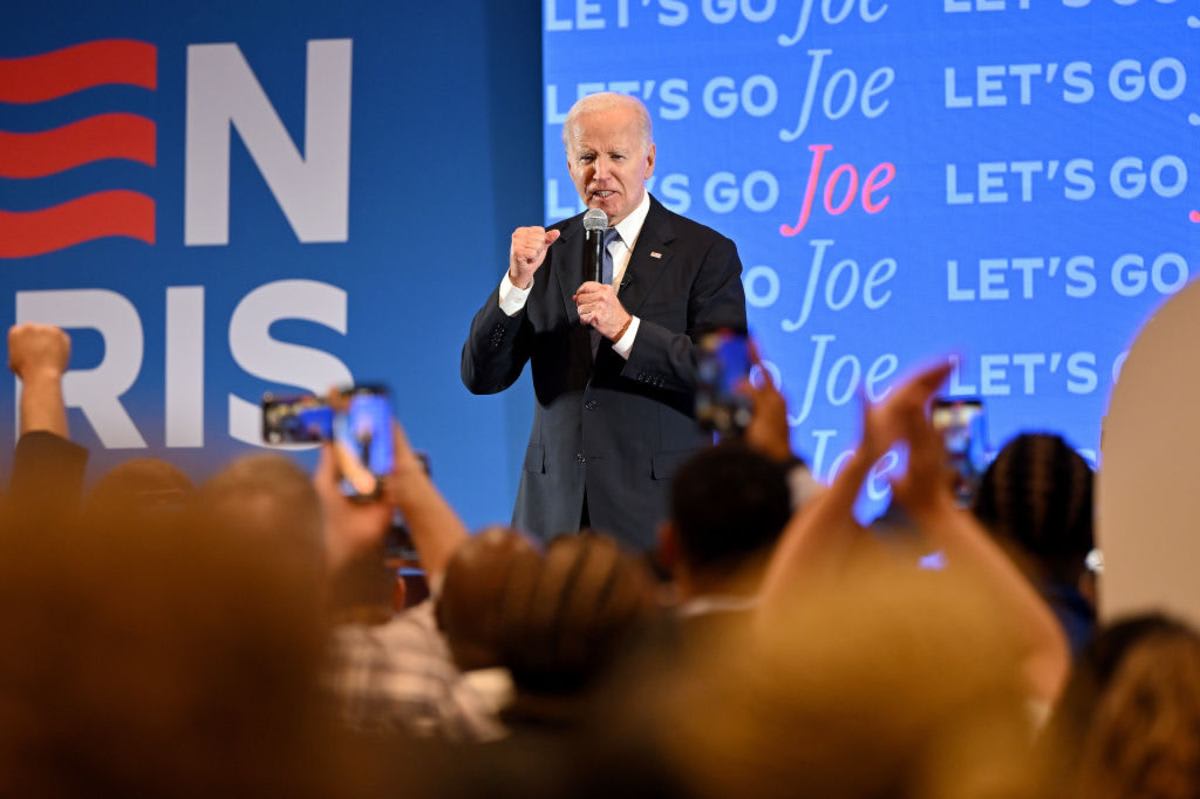
When questioned about why similar online rhetoric directed at former President Joe Biden by conservative figures did not result in charges, Blanche noted that "every investigation is different."
He argued that the Department does not indict every comment made against the president, but rather acts based on the specific "discovery" of facts in each unique file.
Indictment cites serious intent to harm
The core of the government's case rests on the interpretation of "86 47," a term often used in slang to describe the permanent removal or "ending" of a person.
Prosecutors contend that Comey’s expertise and former role as a high-ranking law enforcement official mean he was fully aware of the implications of the numerical code.

This discovery of alleged intent is what transformed a social media post into a federal criminal matter.
However, the DOJ remains unyielding, with Blanche stating that "you cannot threaten the president of the United States" and expect the law to look the other way.