DOJ targets ‘most prolific’ Cuban spy for denaturalization after decades-long betrayal
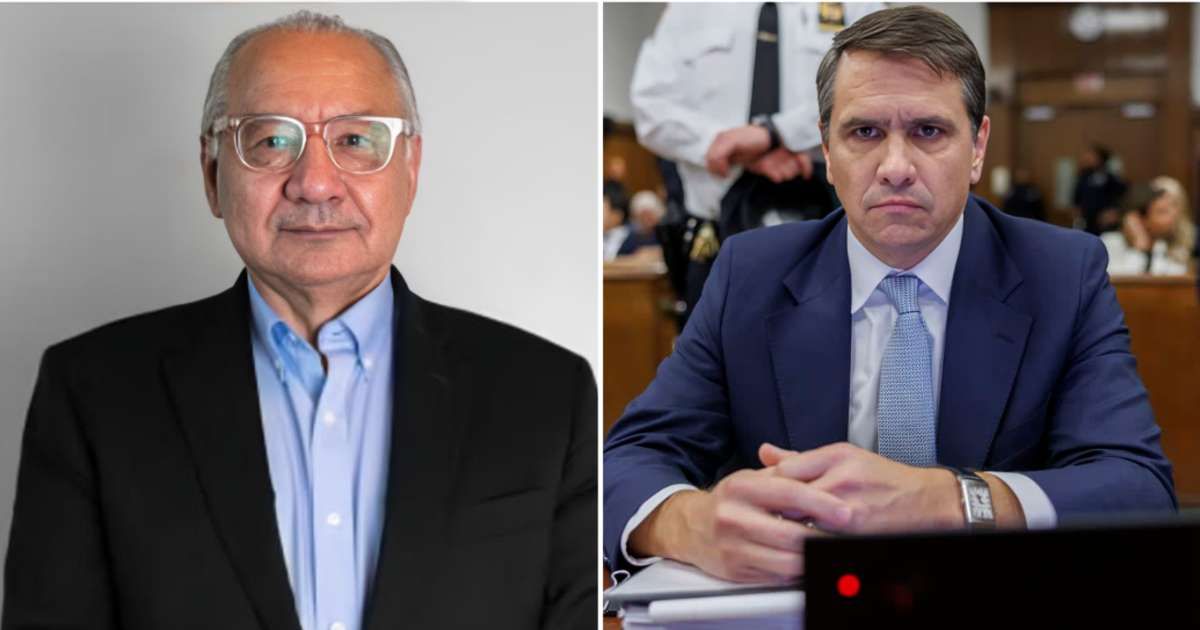
WASHINGTON, DC: The Justice Department has launched a high-stakes legal battle to strip the United States citizenship of Manuel Rocha, a former ambassador convicted of serving as a secret agent for the Cuban government for over four decades.
Federal prosecutors filed a civil denaturalization complaint on Thursday, May 7, against the 75-year-old, who previously held one of the most sensitive posts in American diplomacy as the US Ambassador to Bolivia.
The move marks a definitive escalation in the government's effort to purge foreign adversaries from the ranks of naturalized citizens.
The DOJ is moving to revoke the U.S. citizenship of former diplomat and convicted Cuban spy Victor Manuel Rocha, accusing him of fraudulently obtaining naturalization while secretly serving the Cuban regime for decades. The case sends a clear deterrence message: betraying the… pic.twitter.com/X18H8jGZRq
— US Attorney Reding Quiñones (@USAO_SDFL) May 8, 2026
Rocha, who was arrested in 2023 and is currently serving a 15-year prison sentence, has been described by the Department of Justice as one of the "most prolific Cuban spies" ever uncovered on American soil.
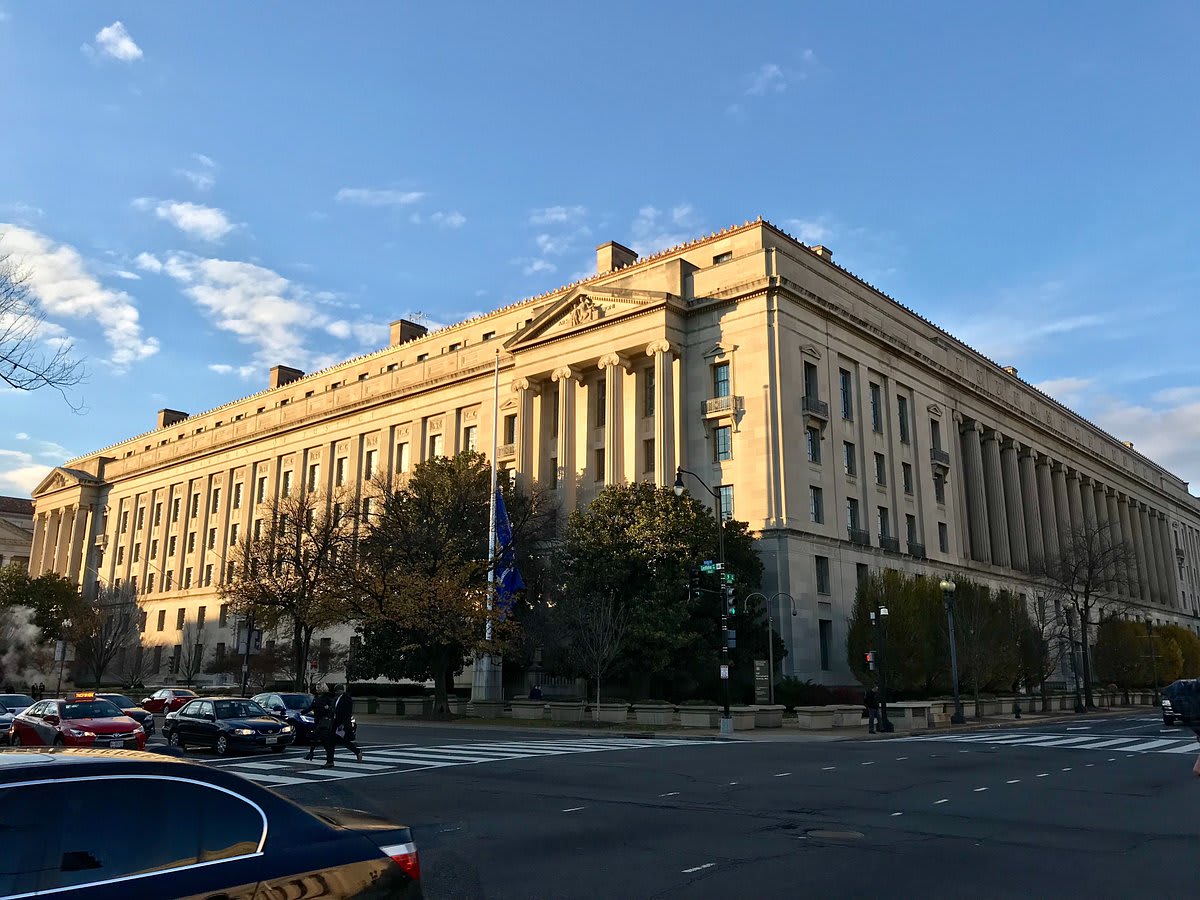
Despite his incarceration, US Attorney Jason Reding Quiñones emphasized that this civil case is about "finishing the job," asserting that a person who secretly served a communist regime should not retain the privilege of American citizenship.
Ambassador served Havana for four decades
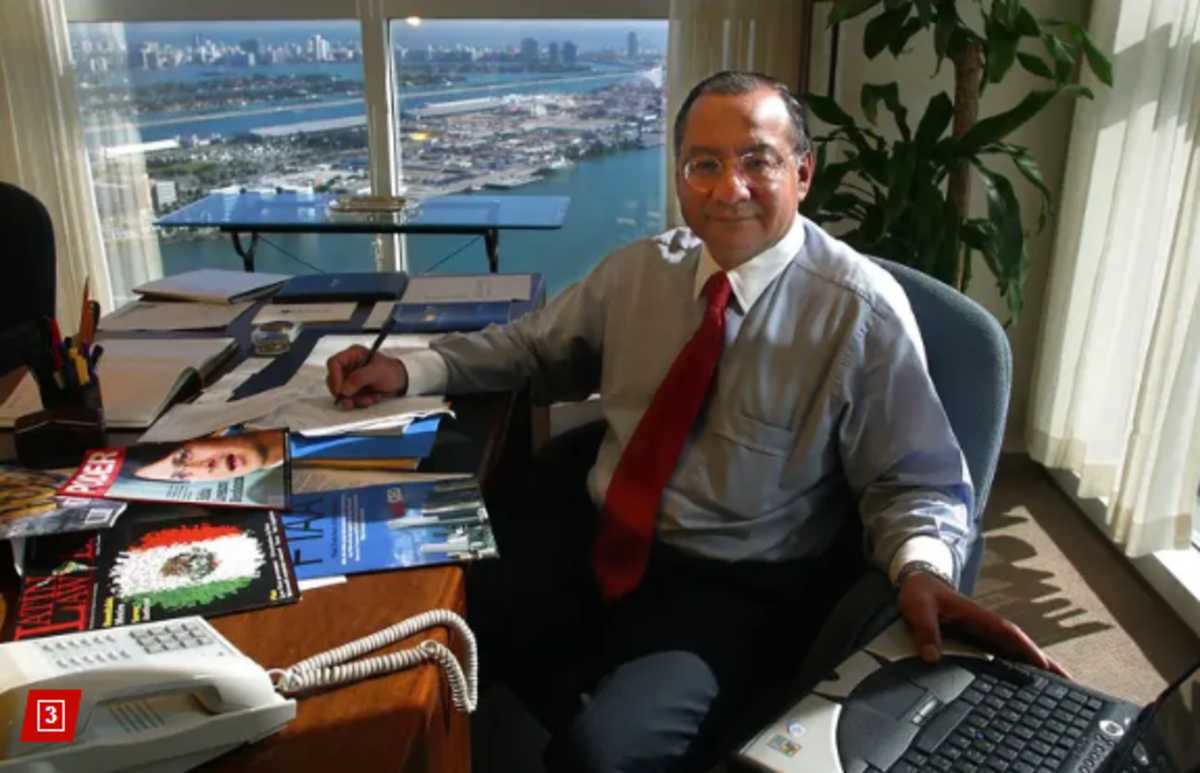
The scope of Rocha’s betrayal is staggering, spanning from the early 1970s through his tenure as a senior government official.
While serving as the top diplomat in Argentina under the Clinton administration and later as an ambassador, Rocha was allegedly operating under direct instructions from Havana to "lead a normal life" and masquerade as a "right-wing person."
The DOJ revealed that his clandestine activities began in 1973, five years before he even took the oath of citizenship in 1978.
During his time as an operative, he was caught on tape referring to the United States as "the enemy" while meeting with an undercover agent.
Prosecutors cite fraud during naturalization process
The core of the DOJ’s civil complaint rests on the argument that Rocha’s citizenship was obtained through systemic deception.
According to federal officials, Rocha was never qualified for naturalization because he committed unlawful acts and provided false testimony during his original 1978 examination.
Assistant Attorney General Brett Shumate argued that individuals who lie to gain a "foothold" in the country will face the full weight of the law.
The government maintains that Rocha was never truly attached to the principles of the US Constitution, a fundamental requirement for any person seeking to become a citizen.
Denaturalization cases surge under current administration
While stripping a person of their citizenship remains a rare and complex legal maneuver, the frequency of these filings has increased significantly under the Trump administration.
Research indicates that denaturalization cases have nearly tripled compared to previous decades, averaging 42 cases per year.
This is a sharp contrast to the 11 to 16 cases seen annually during prior administrations.
The administration has made it clear that preserving the sanctity of the naturalization process is a top priority, specifically targeting those who have utilized their status to aid foreign adversaries while holding positions of public trust.