EU's Kaja Kallas stresses US alliance despite Trump's scathing security strategy report
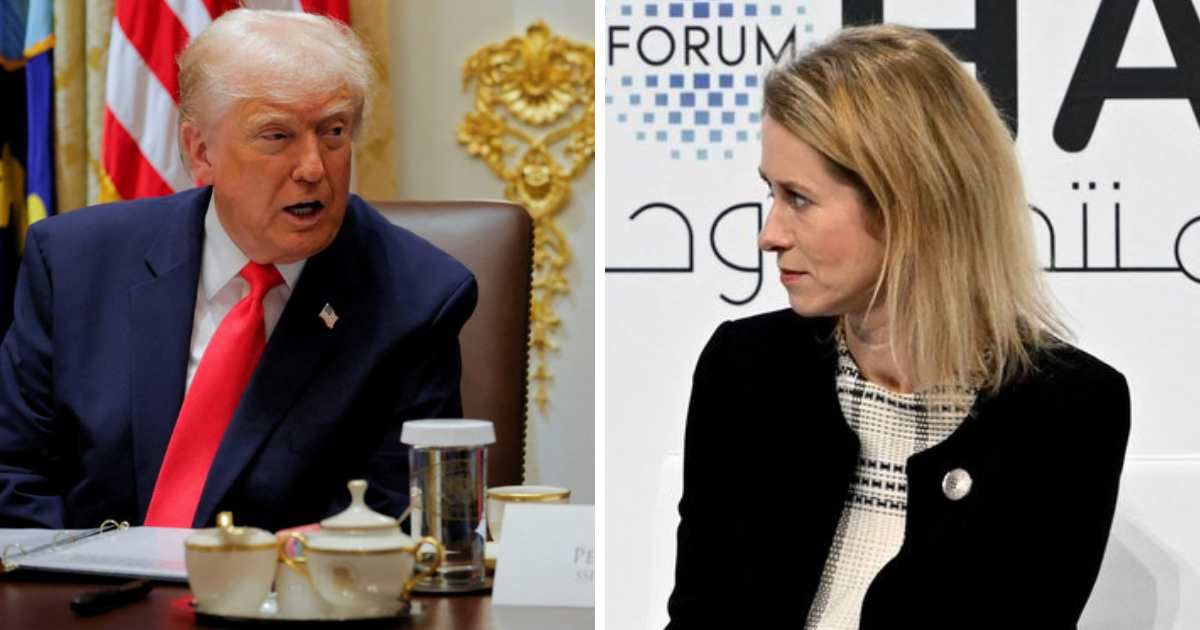
DOHA, QATAR: European Union Foreign Policy Chief Kaja Kallas sought to defuse transatlantic tensions on Saturday, December 6, by downplaying the Trump administration’s blistering new assessment of Europe while acknowledging that some of its critiques were valid.
Speaking at the Doha Forum in Qatar, Kallas responded to the White House's newly released National Security Strategy, which painted a grim picture of the continent's future.
Despite the document's harsh language, Kallas refused to take the bait when asked if the US now viewed Europe as an adversary.
"The US is still our biggest ally," Kallas insisted. "We haven’t always seen eye-to-eye on different topics. But the overall principle is still there: We are the biggest allies, and we should stick together."
Europe has been underestimating its own power, especially towards Russia. We should be more self confident.
— Kaja Kallas (@kajakallas) December 6, 2025
The United States is still our biggest ally. And it's in the interest of the U.S. that we work together.
Extracts from my intervention at the 2025 Doha Forum ↓ pic.twitter.com/AgSi2f461g
Kaja Kallas agrees with need for 'self-confidence'
The strategy document also slammed European governments for being "over-regulated" and "lacking in self-confidence." Kallas found common ground on the latter point, particularly regarding Russia.
"Europe has been underestimating its own power toward Russia, for example," Kallas said during the panel discussion. "We should be more self-confident, that’s for sure."
Her comments reflect a growing sentiment in Brussels that the bloc must take a more assertive role in its own defense, a stance that aligns with the Trump administration's demand for burden-sharing.
"Of course, there's a lot of criticism, but I think some of it is also true," she admitted to the audience of diplomats and international leaders.
Trump strategy warns of 'civilizational erasure'
The 33-page document, released by the White House on Thursday, delivered a shocking critique of America's traditional allies.
It argued that European countries faced the prospect of "civilizational erasure," blaming this potential collapse on the acceptance of migrants and the alleged censorship of far-right political parties.
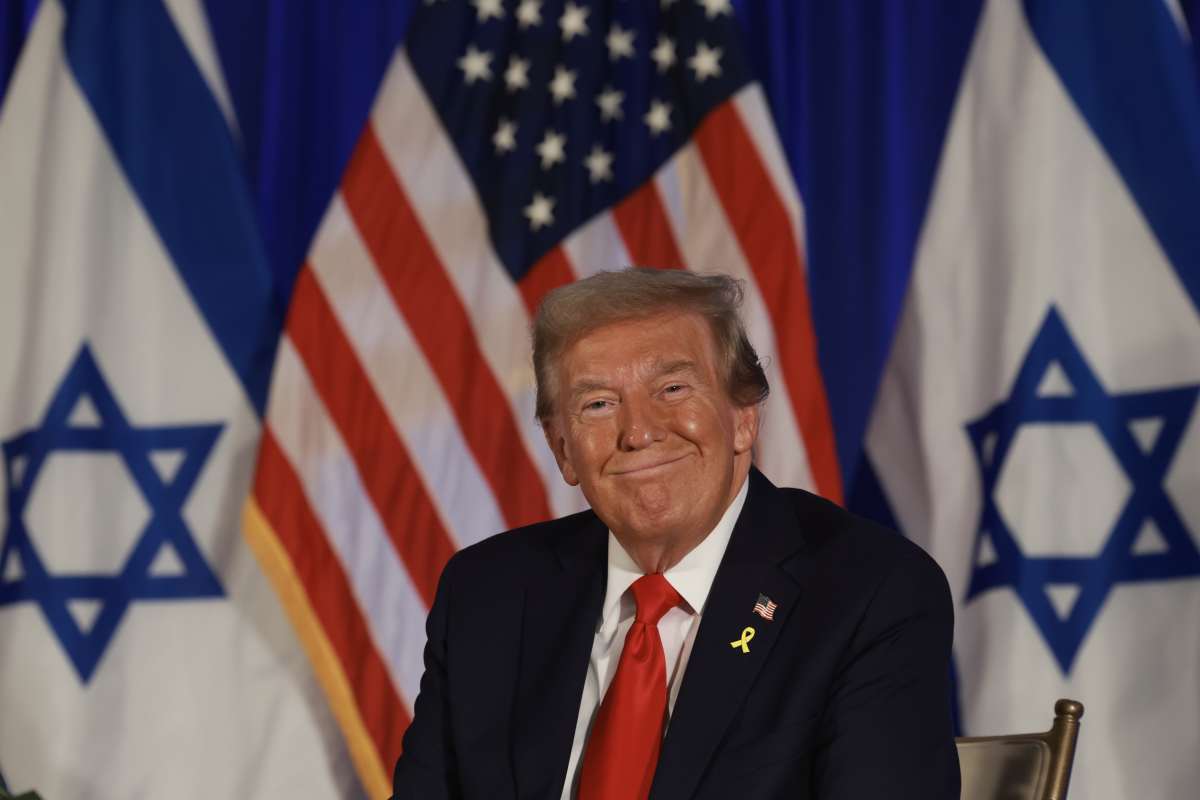
The administration’s blueprint made it clear that while it still considers European countries to be allies, it intends to cultivate relationships with "patriotic" movements that challenge the status quo.
The document also notably had little to say about Russia directly, focusing instead on Europe's internal politics.
Kaja Kallas pivots to common ground with Trump
The panel’s moderator, CNN journalist Christiane Amanpour, pressed Kallas on the tone of the document, asking if President Trump and his aides now saw Europe as "the enemy."
"I didn’t read it like this," Kallas responded, choosing to emphasize the enduring nature of the transatlantic partnership.
Christiane Amanpour, Chief International Anchor at @CNN, moderates “Mediation in a Time of Fragmentation” at #DohaForum25, guiding a powerful conversation on the future of conflict resolution. @amanpour pic.twitter.com/wX9MMjoveH
— Doha Forum (@DohaForum) December 6, 2025
She stressed that while the language was blunt, the strategic alignment between Washington and Brussels remains essential for global stability.
The strategy document itself notes that "European allies enjoy a significant hard power advantage over Russia by almost every measure, save nuclear weapons," a fact Kallas seemed eager to highlight as proof of Europe's potential strength.

Kallas's diplomatic response suggests a deliberate strategy by EU leadership to avoid an open war of words with the Trump administration.
Rather than rejecting the "America First" doctrine outright, officials like Kallas appear to be pivoting toward areas of agreement - such as increased defense spending and self-reliance - to maintain the alliance.