Elon Musk responds to explosion at Jeff Bezos-owned Blue Origin: 'Rockets are hard'

CAPE CANAVERAL, FLORIDA: SpaceX owner Elon Musk has responded to the massive explosion at Jeff Bezos' space company by stating, "Most unfortunate. Rockets are hard."
The comment addresses the destruction of the Blue Origin New Glenn rocket during the routine prelaunch engine test on Thursday, May 28.

Elon Musk responds to rival's mishap
Following the incident, Blue Origin's closest competitor and SpaceX owner Elon Musk addressed the destruction of the vehicle directly.
Taking to his social media platform X, Musk simply said, " Most unfortunate. Rockets are hard."
The explosion occurred during a hotfire test of Blue Origin's 320-foot New Glenn rocket at Cape Canaveral Space Force Station.
Minutes after the incident, video footage spread rapidly across social media, showing the heavy-lift vehicle suddenly erupting into flames before being swallowed by thick smoke and a yellow haze.
Wild footage captured from a nearby restaurant shows tonight’s explosion involving Blue Origin’s New Glenn rocket at Cape Canaveral Launch Complex 36. pic.twitter.com/trGGyKvjpn
— Breaking911 (@Breaking911) May 29, 2026
Despite the massive fireball, Blue Origin confirmed that the site was secured and "all personnel have been accounted for" following what the company officially designated as an "anomaly."
We experienced an anomaly during today's hotfire test. All personnel have been accounted for. We will provide updates as we learn more.
— Blue Origin (@blueorigin) May 29, 2026
Bezos also posted hours later, stating, "All personnel are accounted for and safe. It’s too early to know the root cause but we’re already working to find it. Very rough day, but we’ll rebuild whatever needs rebuilding and get back to flying. It’s worth it."
All personnel are accounted for and safe. It’s too early to know the root cause but we’re already working to find it. Very rough day, but we’ll rebuild whatever needs rebuilding and get back to flying. It’s worth it.
— Jeff Bezos (@JeffBezos) May 29, 2026
Blue Origin also acknowledged the explosion in an earlier post on X, writing, “We experienced an anomaly during today's hotfire test. All personnel have been accounted for. We will provide updates as we learn more.”
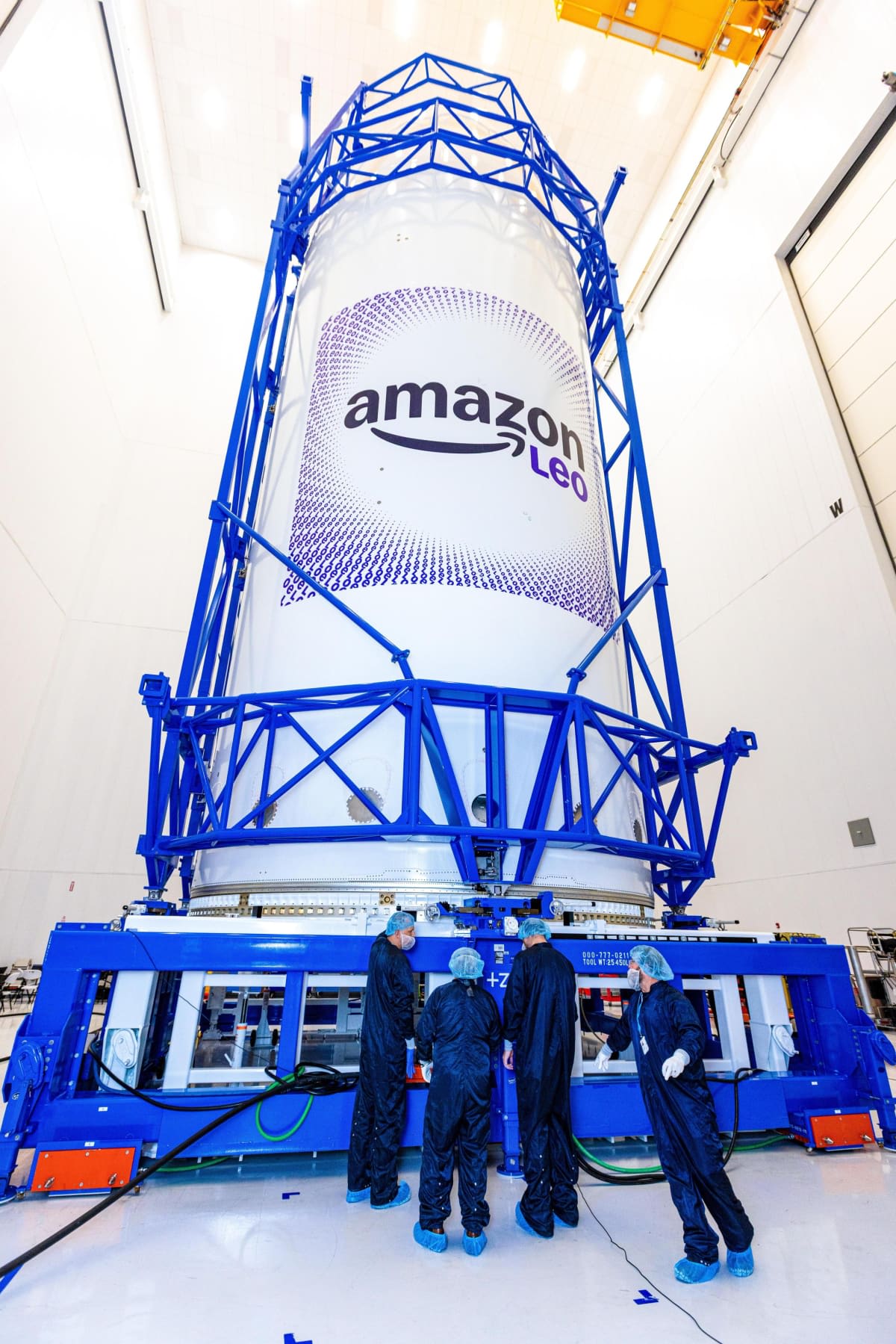
The blast involved Blue Origin's fourth New Glenn vehicle, which was being prepared to carry 48 Amazon LEO broadband satellites into low-Earth orbit.
While the company had not officially announced a launch date, a Federal Aviation Administration operations plan advisory indicated the rocket could have lifted off as early as June 4.
NASA chief evaluates mission impacts
Furthermore, NASA Chief Jared Isaacman also addressed the situation on social media, confirming that the agency is tracking the development.
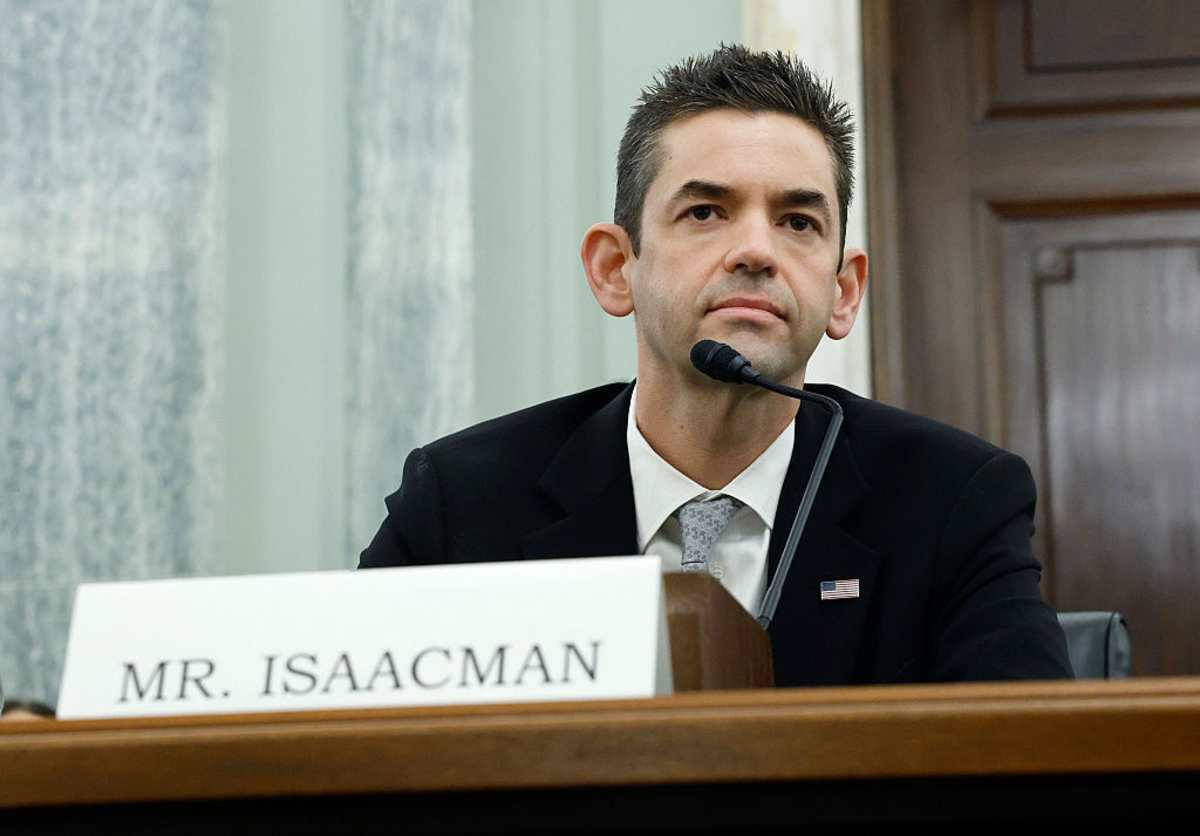
“NASA is aware of the anomaly that occurred tonight at Launch Complex 36 involving Blue Origin’s New Glenn rocket at Cape Canaveral Space Force Station," Isaacman stated.
He emphasized the immense difficulty of the engineering involved, adding, "Spaceflight is unforgiving, and developing new heavy-lift launch capability is extraordinarily difficult."
NASA is aware of the anomaly that occurred tonight at Launch Complex 36 involving Blue Origin’s New Glenn rocket at Cape Canaveral Space Force Station. ⁰⁰Spaceflight is unforgiving, and developing new heavy-lift launch capability is extraordinarily difficult. We will work with…
— NASA Administrator Jared Isaacman (@NASAAdmin) May 29, 2026
“We will work with our partners to support a thorough investigation of this anomaly, assess near-term mission impacts, and get back to launching rockets," Isaacman continued.
BLUE ORIGIN EXPLOSION FACTS:
— Noah Bergren (@NbergWX) May 29, 2026
‣ Launch pad 36 in Cape Canaveral now has had 2 of the largest rocket explosions in U.S. history
‣ In 1965, an Atlas-Centaur exploded on pad at 108 feet tall
‣ 200-300 tons of TNT explosion equivalent
‣ Comparable to 500 tomahawk missiles hitting… pic.twitter.com/4tDdc6cQMF
He concluded by noting, "We will provide information on any impacts to the Artemis and Moon Base programs as it becomes available."