Epstein survivor calls file disclosure under Trump 'another punishment': 'Not just about one case'

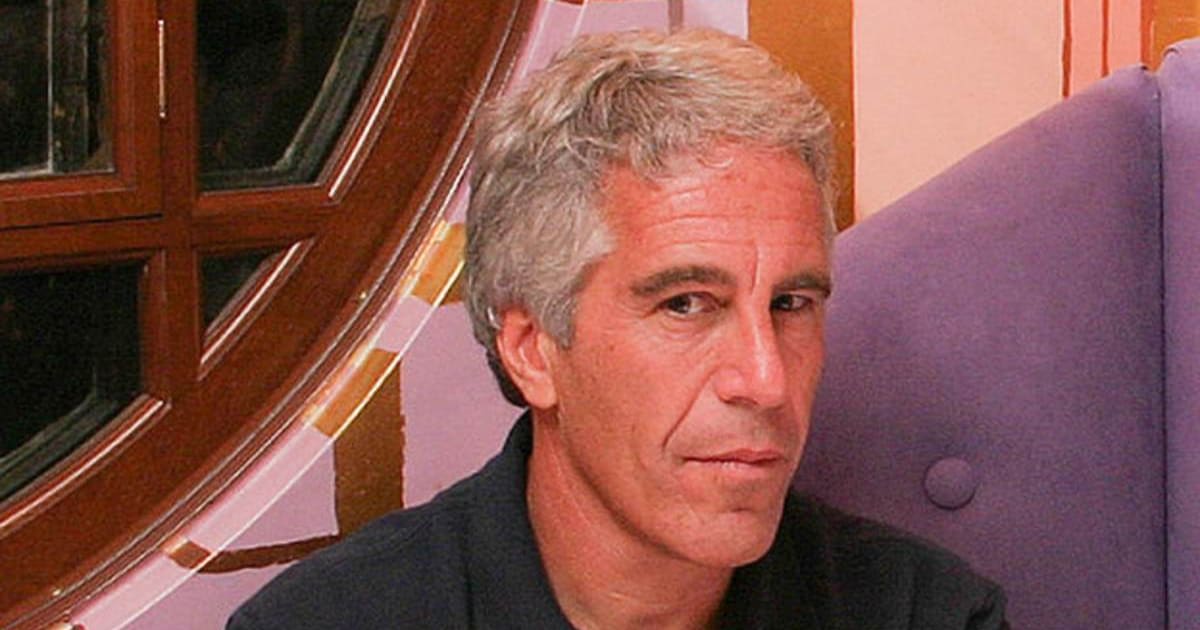
WASHINGTON, DC: Jeffrey Epstein’s case continues to reveal how deep and complex the situation really is. What once seemed limited now appears far broader.
Recently, fresh information surfaced involving Epstein victim Dani Bensky. She criticized Donald Trump over the way the Epstein files have been released. She described the rollout as 'another punishment' for victims.
Bensky made these remarks during an interview with Melissa Murray on MSNBC. She expressed frustration over the heavy redactions and the slow pace of the file release. She also rejected any attempt to minimize the seriousness of the crimes, saying this was not a country club simply bearing someone’s name.
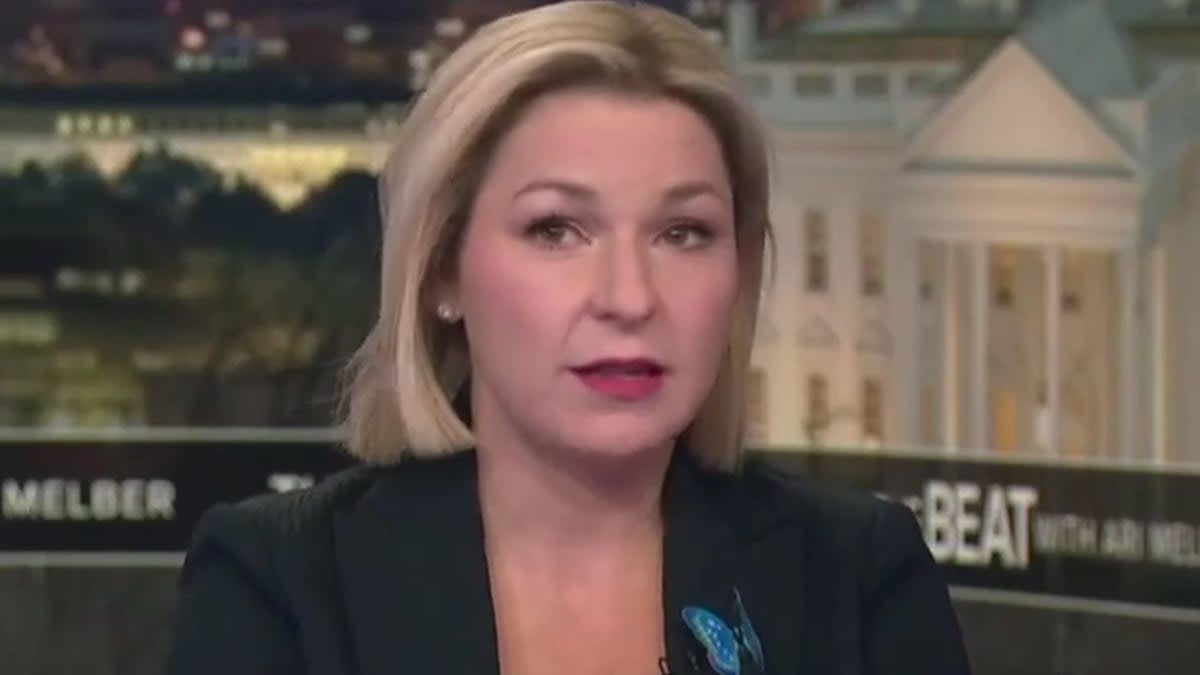
Victim Dani Bensky calls the Epstein file process a new form of harm for victims
For survivors, each development brings renewed frustration rather than closure. That frustration was voiced strongly by Bensky, who condemned Trump’s partial release of the Epstein files, calling it 'another punishment' and describing the process as 'incredibly frustrating.'
Bensky appeared on 'The Beat' on MSNBC on Tuesday, December 30. During the interview, she accused Trump of using the same kind of 'power play' associated with Epstein. She also pointed to the release of her former phone number in recently disclosed files. According to her, this showed that the administration was prioritizing 'predators' over victims.
“This rollout, first of all, is never meant to be a rollout. It was meant to be a hard deadline. But it’s done a number on all of us because it’s just been handled so sloppily, and names have not been redacted when they should have been,” Bensky said.
Murray responded by acknowledging the emotional toll of the process, telling Bensky, “So just the process itself has been kind of the punishment for you, another punishment on top of what you’ve already endured.”
Bensky agreed, “It does feel that way. And I think something that we’re finding is it actually moves to a point that like the those in power prey on the vulnerable. And that is something that we have seen time and time again. It is really at the heart of all exploitation."
She also criticized the way political leaders speak about access and representation, referencing conversations involving Marjorie Taylor Greene. “It feels like you know he’s talking to Marjorie Taylor Greene about that we don’t have the merit to be in the people’s house, which by the way, it’s the people house. This is not a country club with his name on the side of it.”
Bensky stated that survivors are not outsiders in society, “You know, there’s no monogram. It’s just wild to me. Like, there’s a statistic out there that there are one in four women have been assaulted or abused, so when you think about that number across the US.”
She concluded by stressing that the issue extends far beyond one individual case. “It’s absolutely staggering. So when we say the people’s house, you’re talking about survivors, you know, they make up a huge portion of our country, it’s not just about this one case,” she added.
Epstein files law sparks questions as full release remains delayed
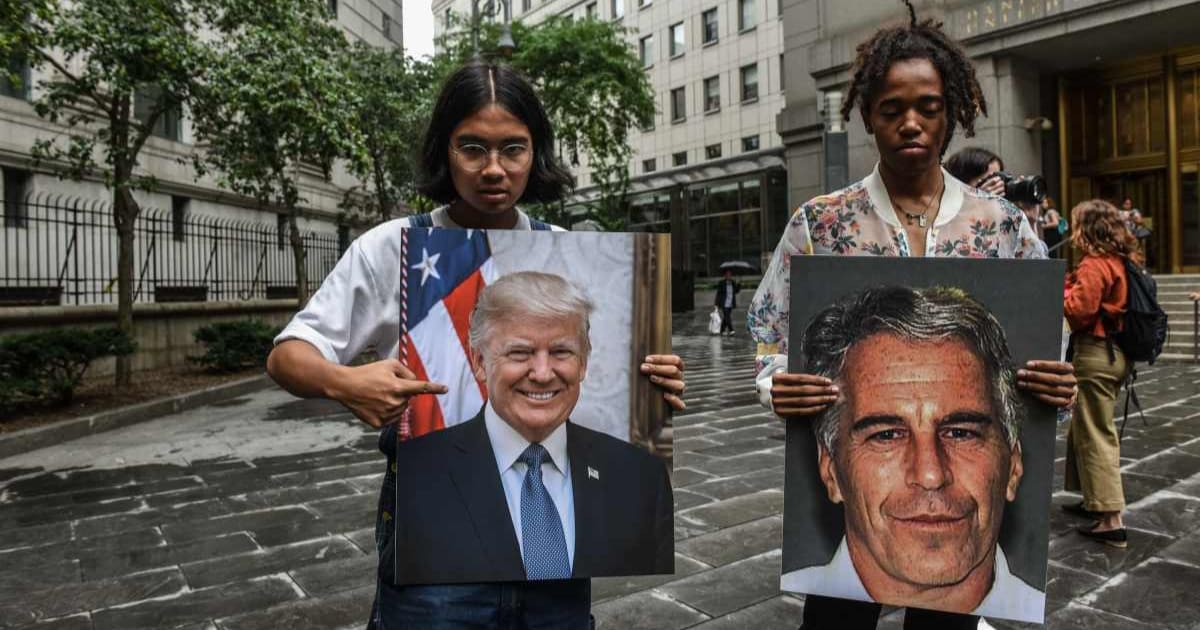
Trump signed a law requiring the release of government files connected to Epstein. The legislation was passed by Congress with strong support and was intended to make records public, including documents, emails, and images.
The administration initially set a clear deadline for releasing the full set of files. That deadline passed earlier this month without a complete disclosure. Instead, officials said the material would be released gradually.
With Senate approval of the bill to release the Epstein Files, President Trump must sign it into law, without delay.
— Senator Chris Van Hollen (@ChrisVanHollen) November 19, 2025
It’s past time for the American people to see the FULL truth.
It is shameful that it took so long.
When documents did begin to appear, many were heavily redacted. Large sections were blacked out, and several names were withheld. The DOJ faced questions over why the process was moving so slowly and why so much information remained hidden.