‘Even a lawless action’ can’t be stopped by courts, Trump DOJ argues in ballroom case
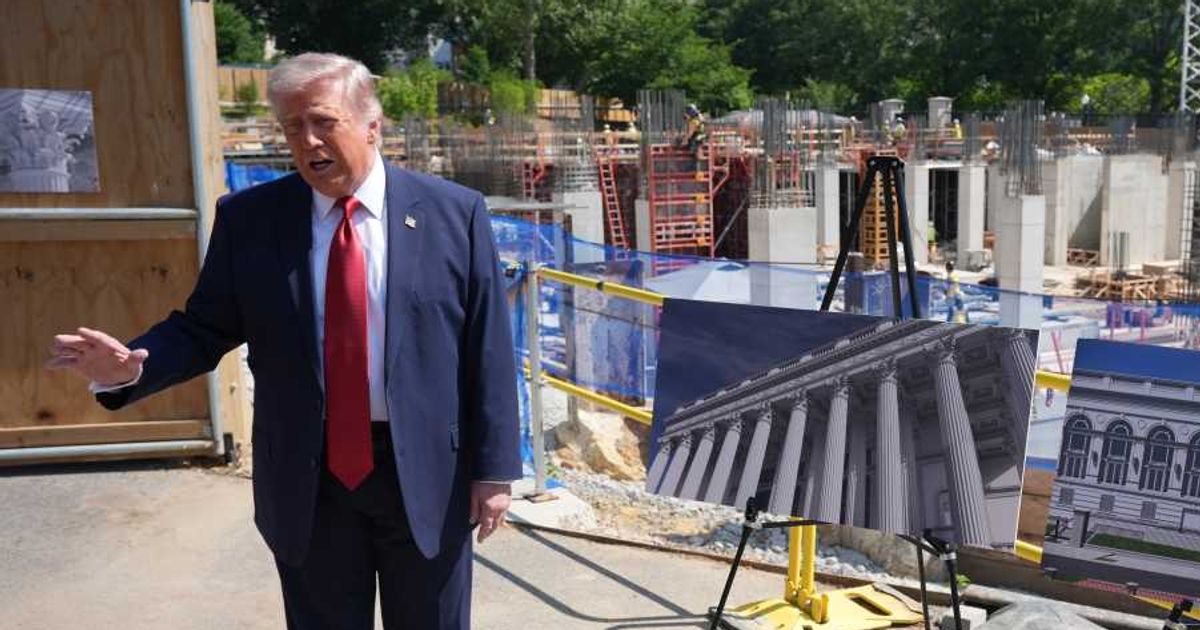
WASHINGTON, DC: A Trump administration lawyer stunned appellate judges by arguing that courts cannot stop the White House ballroom project even if the government acted unlawfully.
The claim drew sharp pushback in court. It landed as Congress showed fresh skepticism by stripping proposed security funding tied to the controversial expansion plan.
Judges challenge Trump's power claims
The legal fight centers on the Trump administration’s effort to overturn a lower court ruling that blocked construction of a $400 million ballroom on the site of the demolished East Wing of the White House.
The administration has already been allowed to continue work on an underground secure facility while the case moves forward.

During Friday’s hearing before the Washington, DC, circuit court of appeals, Judge Patricia Millett pressed Department of Justice attorney Yaakov Roth on whether any point existed at which courts could halt the project.
She asked when construction became a fait accompli and whether judges retained authority to intervene if the project amounted to “complete lawlessness by the government”.
“On these theories, I think that’s right,” Roth replied.
He argued that Congress, not the courts, could authorize or block such actions through legislation. Roth said that if Congress addressed the issue directly and weighed the competing interests, courts would have little authority to second-guess that decision.
White House ballroom fight escalates
The dispute began after the National Trust for Historic Preservation sued the National Park Service and the Trump administration in October.
The group alleged that construction started without completing the review and approval processes required under district and federal law.
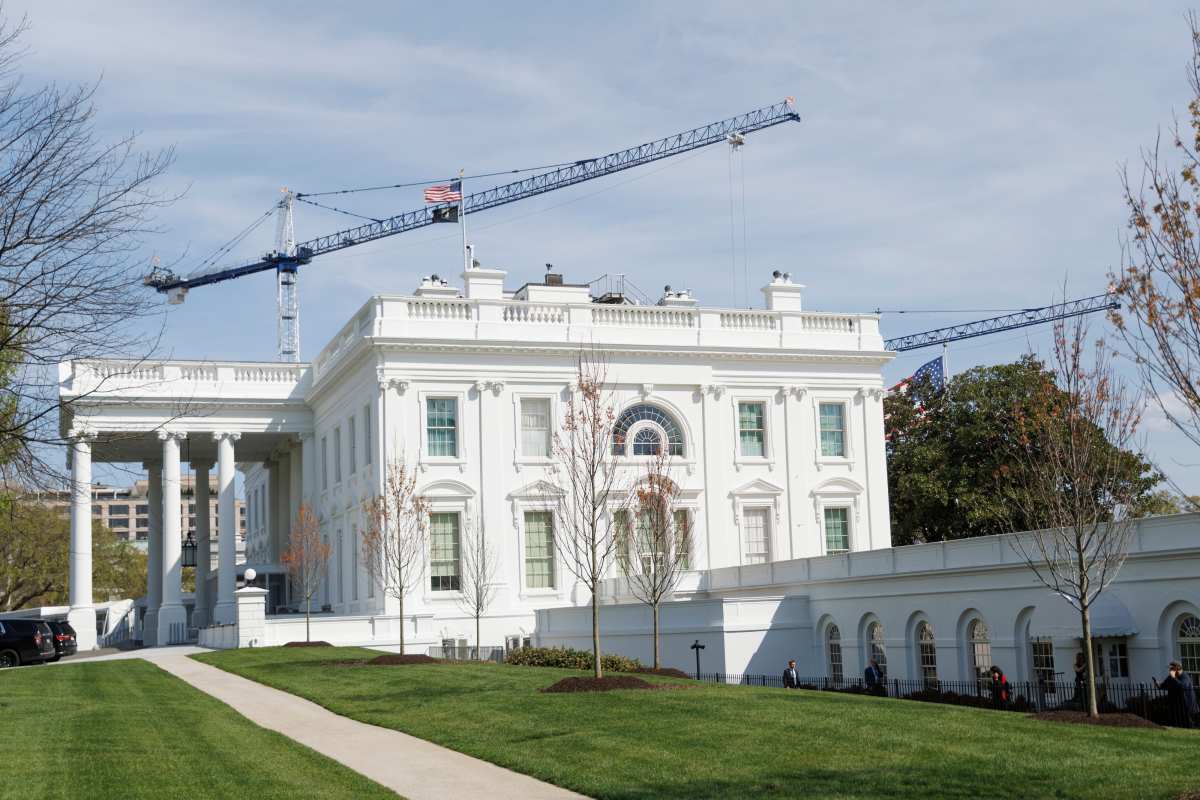
The administration has defended the project as a national security necessity.
President Donald Trump has repeatedly pointed to security concerns surrounding the White House and has cited the failed assassination attempt at the White House Correspondents Association event in April as an example of the threats facing government officials.
But the administration’s courtroom position shifted attention away from security arguments and toward a broader question: whether judges have any meaningful power to stop a president from moving forward with a project after construction begins.
Preservation group blasts DOJ argument
The government’s position drew an immediate response from Thad Heuer, the attorney representing the preservation group.
“Under Marbury v Madison, it is emphatically the province of the judicial department to say what the law is,” Heuer told the court.
He then directly challenged the administration’s argument.
“The government’s position, apparently, is that even a lawless action of this type could never be stopped by the court. That is entirely wrong,” Heuer said. “That’s exactly the court’s job.”
Heuer framed the dispute as a fight over who ultimately controls federal property.
“In this case, it’s about who controls federal property. Is it Congress, its owner, or is it the president, its temporary tenant?” he said.
The courtroom clash unfolded just hours after the Senate advanced an immigration spending bill, only after Republicans removed $1 billion in Secret Service security funding that had been proposed for upgrades connected to the ballroom project, leaving both the construction plan and the administration’s sweeping claims of presidential authority under continued scrutiny.