Explained: The legal loophole that put Trump's face on a $1 coin while he's alive
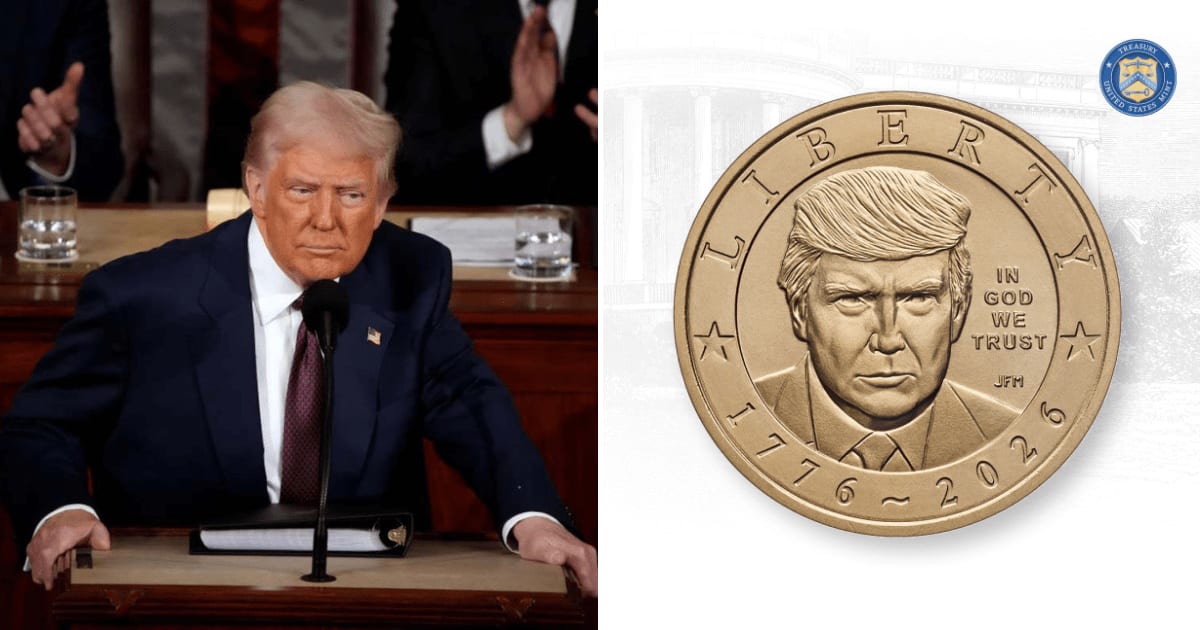
Available for purchase today at 12PM ET: 2026 President Donald J. Trump $1 Coin. These coins are also in circulation, so check your pocket change. Collect them today! #CoinCollecting #America250https://t.co/g4eJes21ER pic.twitter.com/4OqkQ2sa9W
— United States Mint (@usmint) September 2, 2026
WASHINGTON, DC: President Donald Trump’s face is now appearing on an officially issued US dollar coin while he is still in office, seemingly colliding with America’s long-standing tradition against putting living people on US money.
The explanation lies in the precise wording of federal coinage laws.
Congress created a special 2026 Semiquincentennial program in 2020, and its restriction on living portraits applies specifically to the reverse, or tails side.
Trump’s portrait is on the obverse, or heads side.
What exactly did Congress authorize
The Circulating Collectible Coin Redesign Act of 2020 became Public Law 116-330 in January 2021.
It authorized temporary redesigns of circulating quarters, a half dollar, and a $1 coin as part of preparations for the United States’ 250th anniversary in 2026.
For the anniversary dollar, the Treasury secretary was authorized to mint and issue the coin for one year beginning January 1, 2026. The Mint says Trump’s dollar is being issued under that authority.
The coin sparked a political backlash
The controversy began before the Mint released the final design.
In November 2025, nine Senate Democrats, including Jack Reed, Catherine Cortez Masto, and Jeff Merkley, urged Treasury Secretary Scott Bessent to reject proposed Trump portraits for the anniversary dollar.
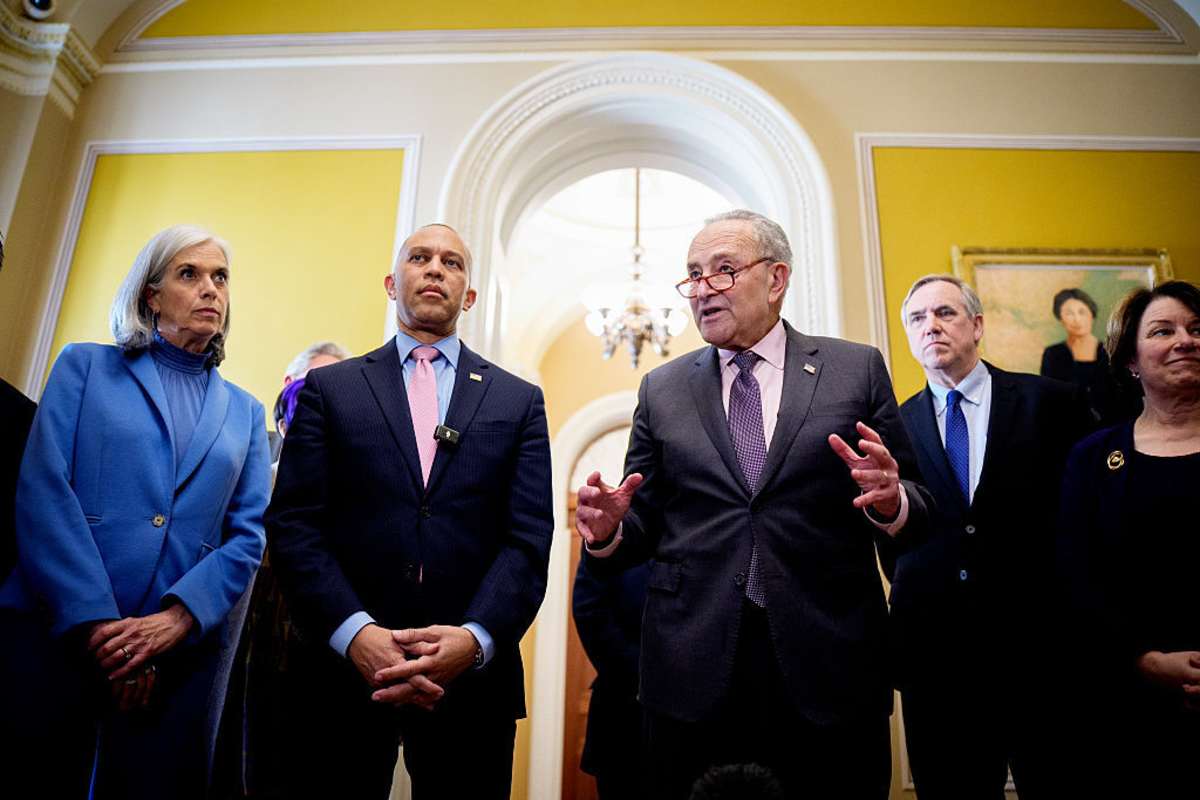
They argued that putting a sitting president on circulating currency broke a longstanding American tradition and could give the appearance of a monarchy.
The opposition continued as the design moved forward.
In March, the Commission of Fine Arts approved a Trump-themed coin, drawing criticism from Democrats and former commission members.
Former White House ethics lawyer Richard Painter argued that placing a living president on American money was historically associated with monarchies and authoritarian governments.
The debate also reached Congress.
Lawmakers introduced legislation intended to prevent Trump’s likeness from appearing on the commemorative coin, while congressional critics argued that the 2020 anniversary law was not intended to honor the sitting president personally.
The administration has defended the coin as part of the country’s 250th-anniversary celebrations.
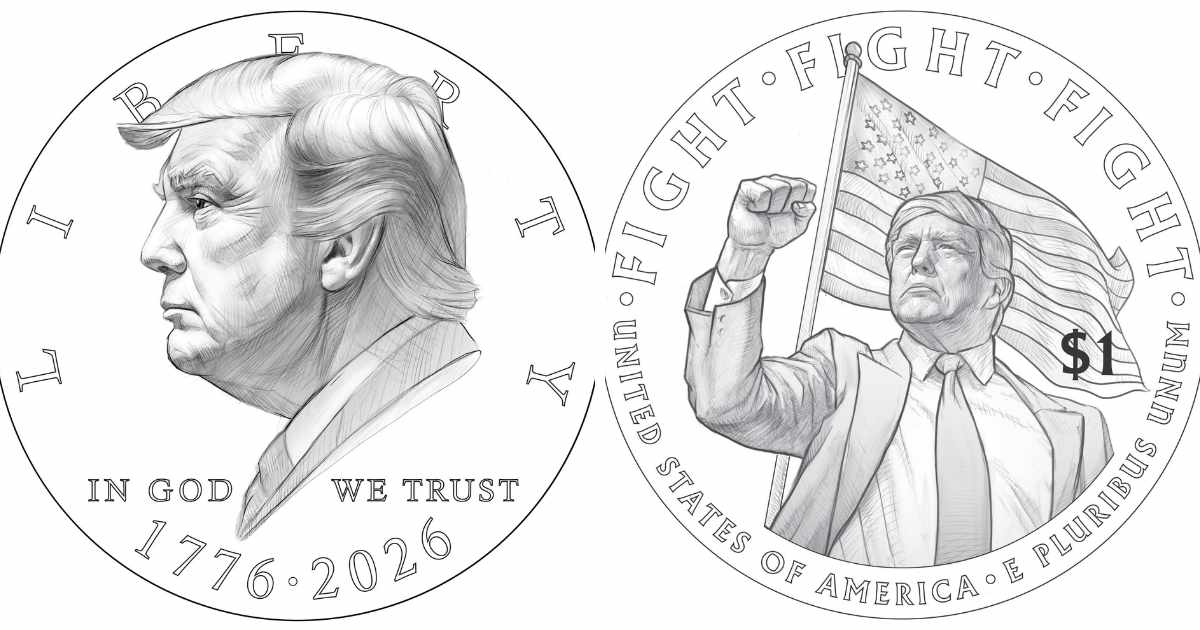
The Mint says the design represents America’s past, present and future, while Treasury officials have relied on the specific authority created by the 2020 law.
Where does the living-person rule apply
The 2020 legislation added a prohibition stating that no head-and-shoulders portrait or bust of any person, living or dead, and no portrait of a living person could appear on the reverse of coins covered by the program.
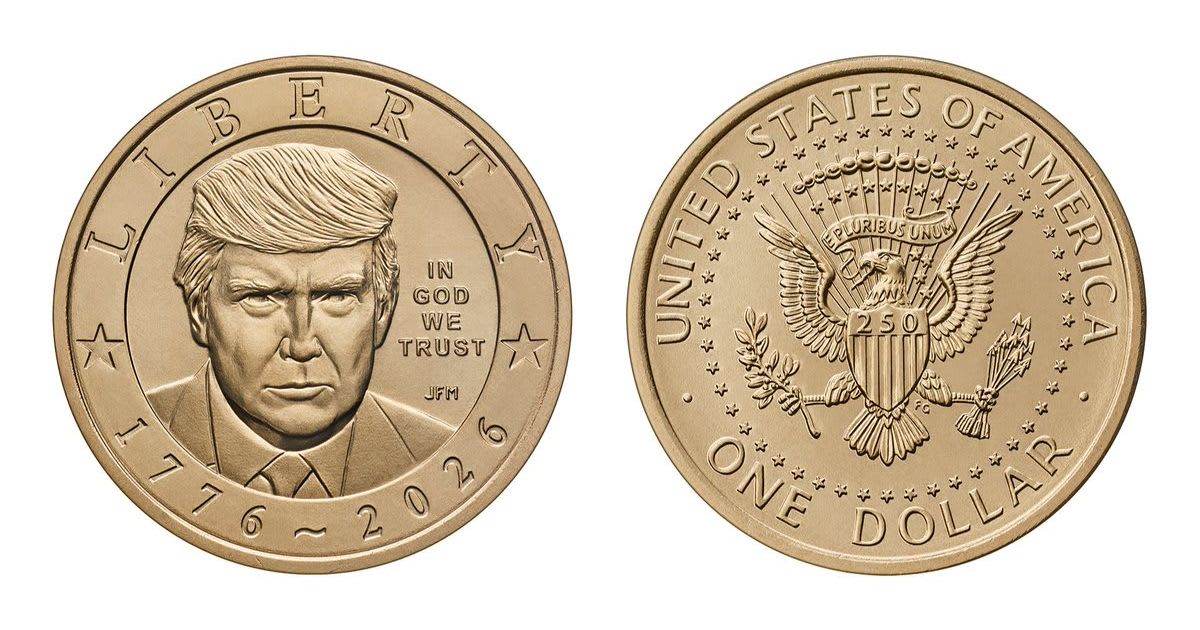
That restriction does not impose the same prohibition on the obverse. Trump’s likeness therefore appears on the heads side, while the reverse carries the Presidential Seal.
What about the famous 1866 ban
The often-cited Thayer Amendment is real, but it is frequently described too broadly.
The 1866 measure arose after Treasury official Spencer Clark placed his own likeness on fractional currency.
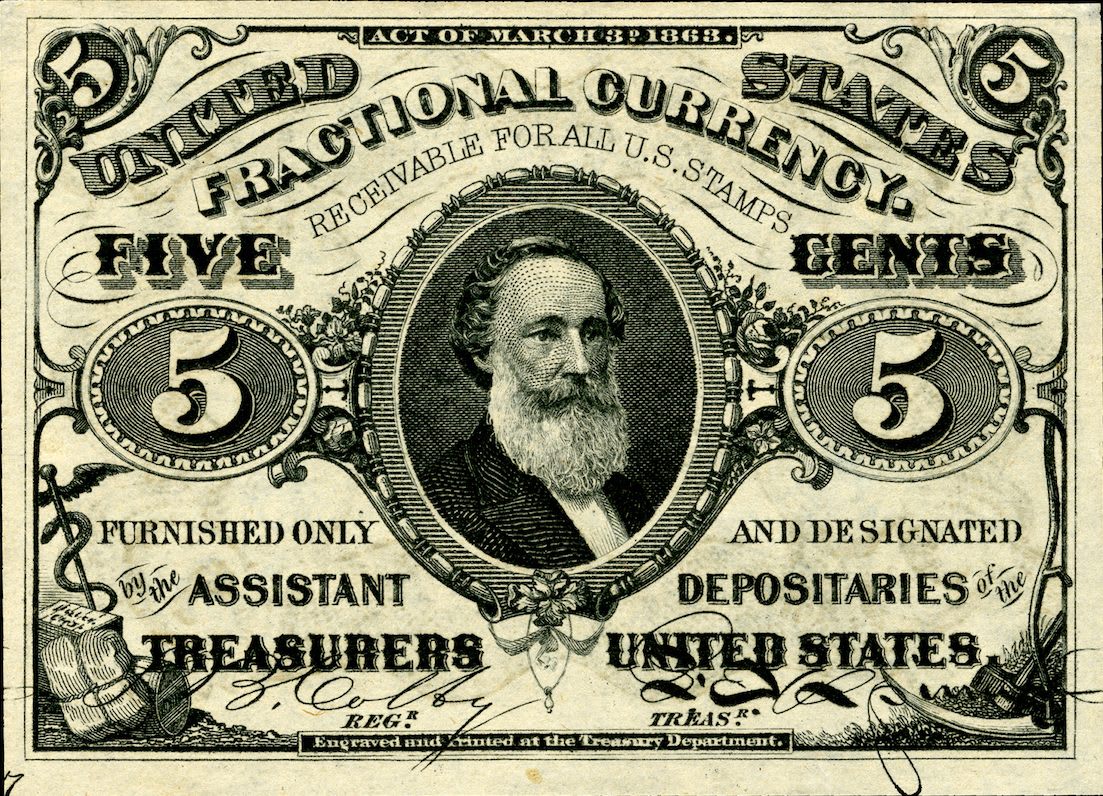
The resulting restriction concerned portraits on US bonds, securities, notes, and currency.
Modern federal law separately governs coin designs. In other words, saying that “US law bans living people on money” makes the rule sound broader than it actually is.
The statutory language governing this particular coin is what permits the current design.
Is Trump’s coin actually legal tender
Yes.
The Mint describes the Trump dollar as a circulating coin and says it may be used as legal tender, although the rolls and bags being sold through the Mint are collector products rather than ordinary loose change.
The coin is not gold despite its gold-colored appearance. Its composition is 88.5% copper, 6% zinc, 3.5% manganese and 2% nickel. The Mint is selling 25-coin rolls for $61 and 100-coin bags for $154.50.
Why does Trump appear on it
The design was created specifically for America’s 250th anniversary.
The obverse features Trump’s portrait alongside “LIBERTY,” “IN GOD WE TRUST,” and “1776~2026.” The reverse uses the Presidential Seal and the number “250.”
The Mint says Chief Engraver Joseph Menna designed the obverse using an official White House photograph by Daniel Torok.