Fact Check: Are AI data centers driving up Americans’ electricity bills?
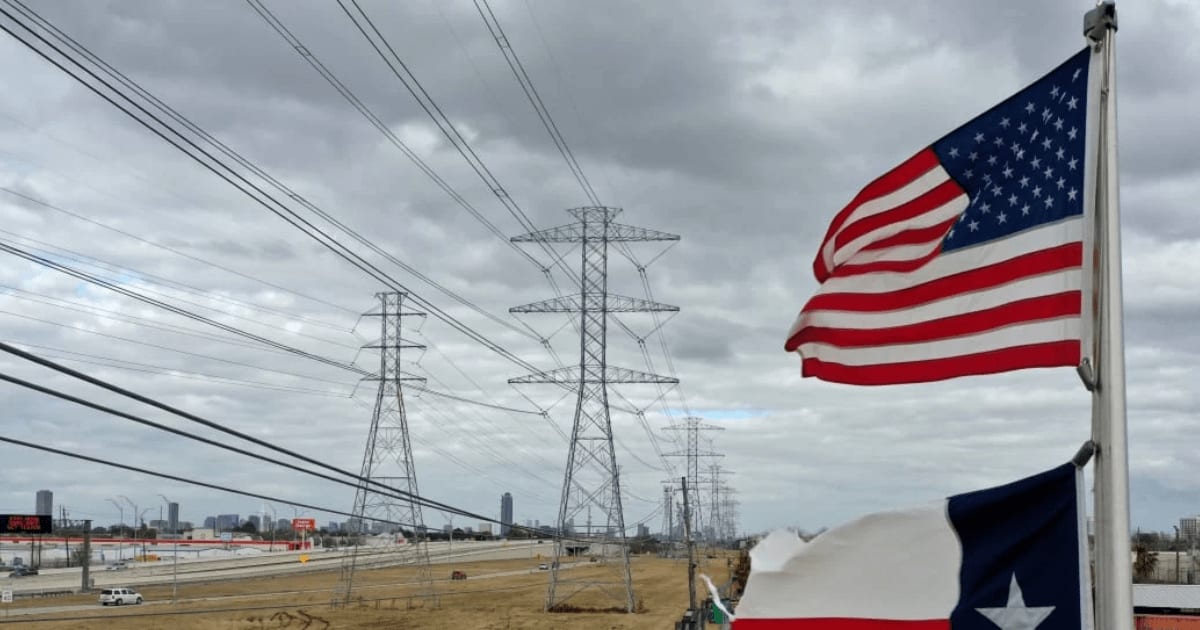
WASHINGTON, DC: Amid the 2026 midterm debate, rumors are spreading online that AI data centers are driving up Americans’ electricity bills. As artificial intelligence expands across the US, large data centers are consuming more electricity and putting additional pressure on the power grid. Lawmakers and candidates are now debating who should pay for the new power plants, transmission lines, and other infrastructure needed to support these facilities.
Claim: AI data centers are driving up American electricity bills
The claim that AI data centers are driving up Americans’ electricity bills came after the US House of Representatives approved a bill on September 16, making data centers pay more of their own electricity and infrastructure costs.
The issue has become an important topic as data centers expand and become part of the 2026 midterm election debate.
Lawmakers passed the bipartisan Ratepayer Protection Act by a vote of 417-3. The bill would require state utility regulators to consider rules that make large data centers cover the costs of new power generation, transmission lines and other grid upgrades needed to support them.
The bill now moves to the Senate. Ohio Republican Sen. Jon Husted has urged lawmakers to move quickly, although Senate leaders have warned that fast-tracking the bill could be difficult.
The legislation addresses concerns that ordinary Americans could end up paying for the growing electricity needs of AI data centers. On one power grid serving about 67 million customers, including parts of Pennsylvania and Ohio, rising demand from data centers helped increase costs by $9.3 billion, or 174%, in one year.
“It’s simple — don’t stick families with data center costs,” said Bryan Steil, the Republican chairman of the House Administration Committee, who said on social media that he was “proud” to support the bill.
It's simple - don't stick families with data center costs
— Bryan Steil (@RepBryanSteil) September 16, 2026
Proud to support the bipartisan Ratepayer Protection Act pic.twitter.com/VnHuw5m5qA
Fact Check: The claim is misleading
The claim is misleading. The rapid growth of data centers is contributing to higher power-system costs in some regions, and some of those costs can be passed on to consumers.
However, it is misleading to suggest that AI data centers have caused electricity bills to rise by the same amount for Americans across the country. The impact varies by region, utility, and the way electricity costs are calculated.
The $9.3 billion, or 174%, figure refers to higher wholesale capacity costs in the PJM electricity market for the 2025-26 delivery year compared with a scenario without current and projected data-center demand.
It does not mean that residential electricity bills increased by 174%. Wholesale costs are only one part of a household electricity bill.
Data centers have nevertheless contributed to higher electricity costs in some areas. PJM's market monitor reported in August that existing and projected data-center demand accounted for about 9% of the region's wholesale power costs through July 2026.
Other factors, including grid upgrades, equipment costs, and broader changes in electricity demand, also affect power prices. Therefore, data centers are contributing to higher electricity-system costs in some regions, but the evidence does not support the broader claim that AI data centers have uniformly driven up everyone's electricity bills.