Fact Check: Did Abdul El-Sayed fail background check for classified Senate briefing?
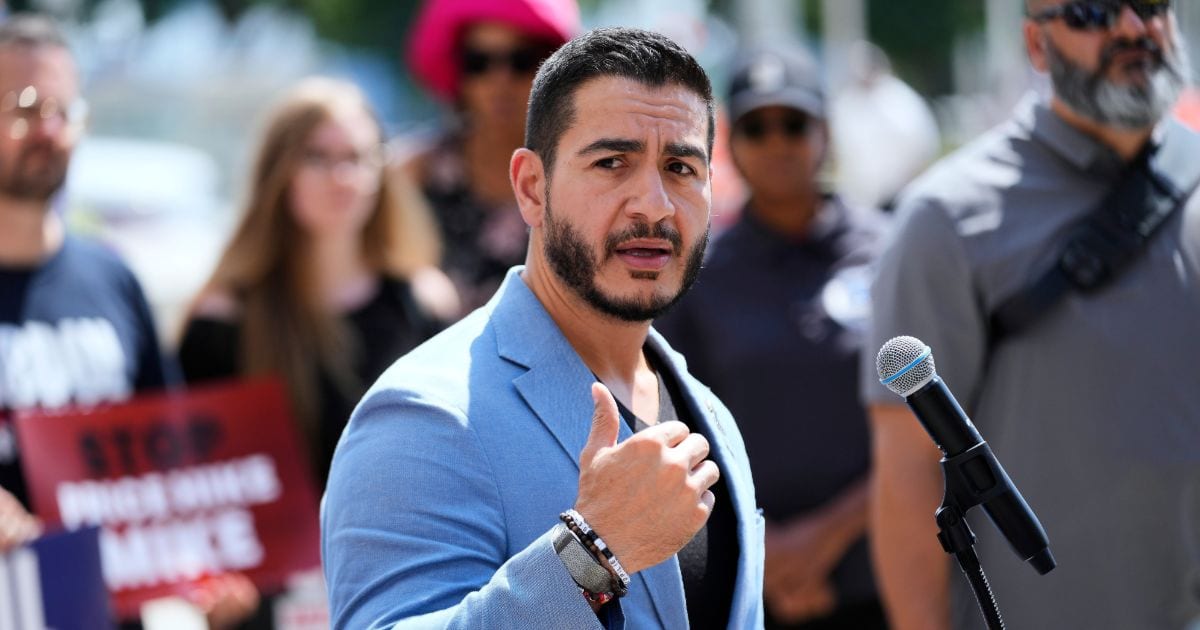
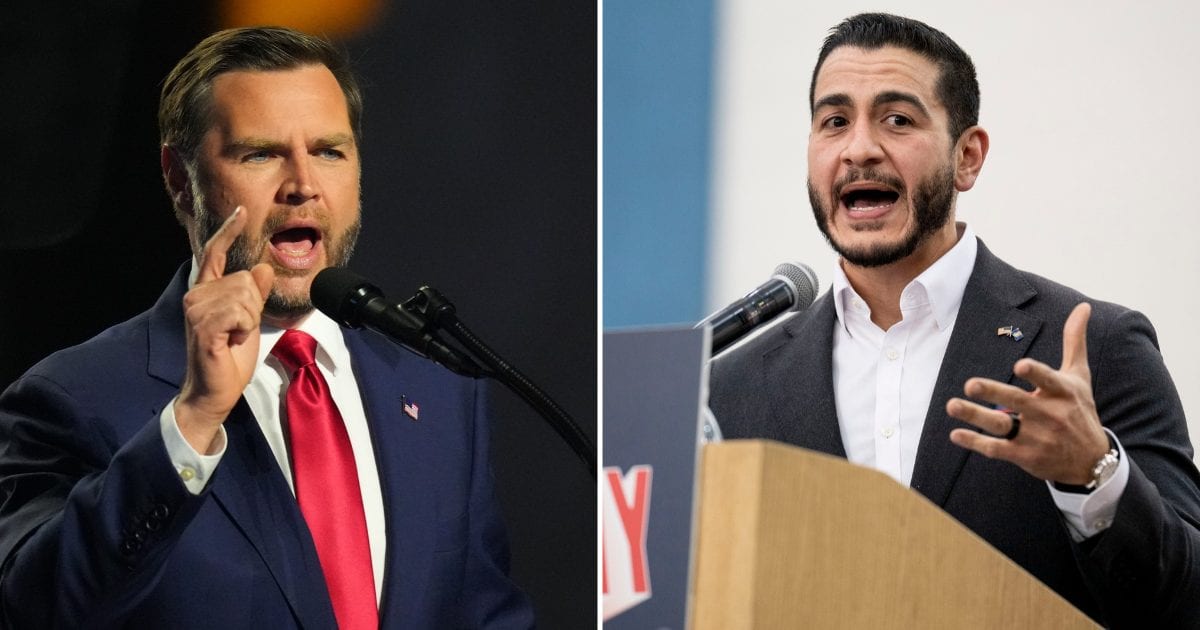
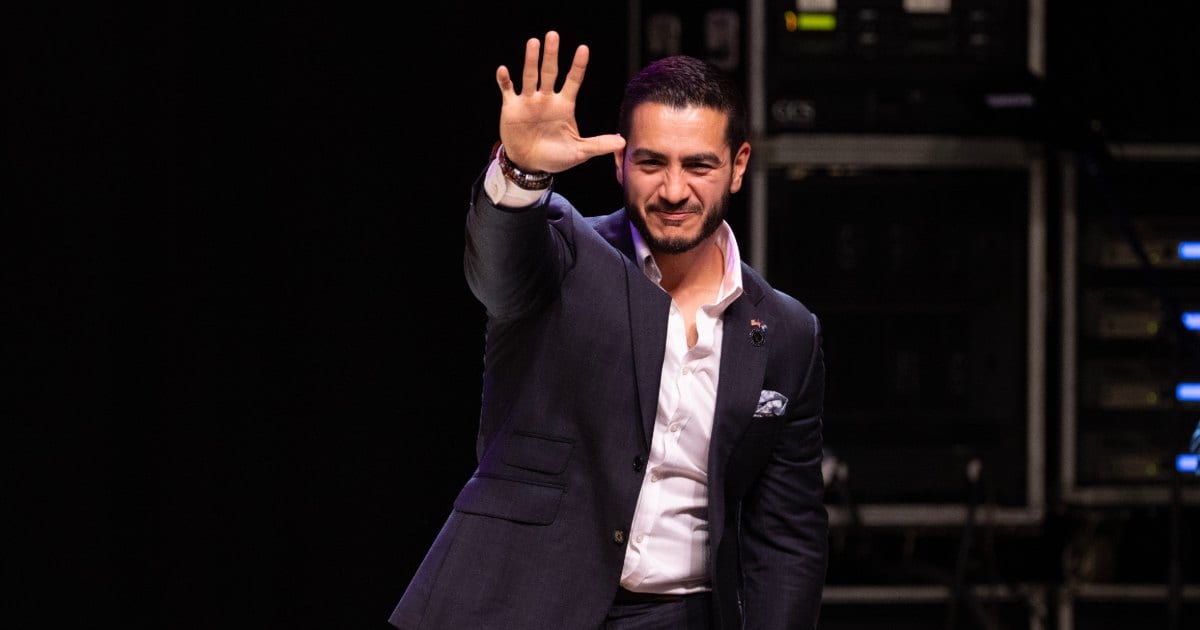
WASHINGTON, DC: After Abdul El-Sayed’s victory in the Michigan Senate election, making him the first Muslim Senator in the country, a rumor is circulating online claiming El-Sayed failed the background check for a classified Senate briefing that involves national security information. The claim has sparked speculation, prompting a fact-check.
Claim: Abdul El-Sayed failed background check for classified Senate briefing
ABDUL EL SAYED FAILS BACKGROUND CHECK FOR CLASSIFIED SENATE BRIEFINGS By Jonathan Gregory Washington, DC - November 8, 2026 Abdul El Sayed has failed the background check required for classified Senate briefings. The denial blocks him from any session that involves sensitive national security information. Officials who conduct the clearances reported that the review did not meet the standards necessary for access to restricted materials. The failure leaves open the question of what specific issues prevented approval. Senators who receive classified briefings must clear the same process before they can attend. El Sayed’s rejection means he cannot participate in those meetings. The decision places him outside the normal flow of information that other members receive. Americans who expect every senator to qualify for the same briefings now see one individual excluded by the clearance system. The denial raises direct concerns about what the background check uncovered. Officials have not released the precise reasons but the result itself is public. Voters who supported El Sayed must now consider whether a senator barred from classified sessions can fulfill the full duties of the office. The clearance failure stands as the official record until any appeal produces a different outcome. The standard remains the same for every member of the chamber. @TrumpNews
— Jonathan Gregory (@TrumpNews_Baby) November 8, 2026
According to a viral post that appeared on X, which stated that El Sayed has failed the background check required for classified Senate briefings which blocks him from any session that involves sensitive national security information.
It went on to explain, “Officials who conduct the clearances reported that the review did not meet the standards necessary for access to restricted materials. The failure leaves open the question of what specific issues prevented approval.”
The post goes on stating, “Senators who receive classified briefings must clear the same process before they can attend. El Sayed’s rejection means he cannot participate in those meetings."
"The decision places him outside the normal flow of information that other members receive. Americans who expect every senator to qualify for the same briefings now see one individual excluded by the clearance system.”
The post has garnered more than a million views as of this writing, with many appearing to be concerned and critical of the Muslim Senator.
Fact Check: No credible evidence to support the claim
The claim, however, is false, as there are no reports of El-Sayed failing the background check, blocking him from any session that involves sensitive national security information.
There are no recent statements or announcements from the Senate or any relevant security agencies describing the Democratic Senator as a national security threat.
If the claim were true, credible news outlets would have widely reported it, making headlines, but a Google search for the claim returned no such reports.
Moreover, newly elected Senators don’t undergo any formal clearance process or background checks to access classified information.
Abdul El-Sayed becomes the country's first Muslim Senator
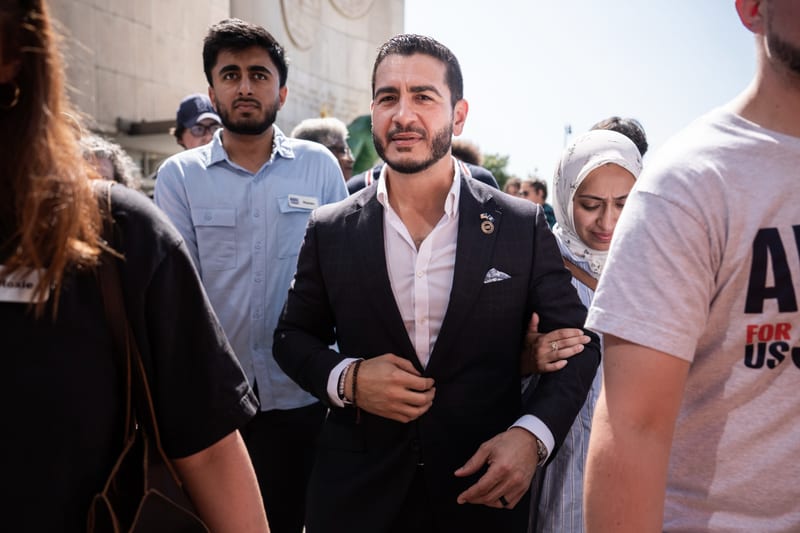
The claim surfaced after El-Sayed won in Michigan’s Senate race by defeating Mike Rogers, making him the country’s first Muslim Senator.
El-Sayed clinched the Senate seat after beating Rep. Haley Stevens in the August Democratic primary and was endorsed by big names like Sen. Bernie Sanders and Rep. Alexandria Ocasio-Cortez.
Seven other Muslim lawmakers claimed seats in the 2026 midterm elections, boosting Muslim voices in both the House and the Senate.