Fact Check: Does Trump's monument designation protect Oval Office from future changes?
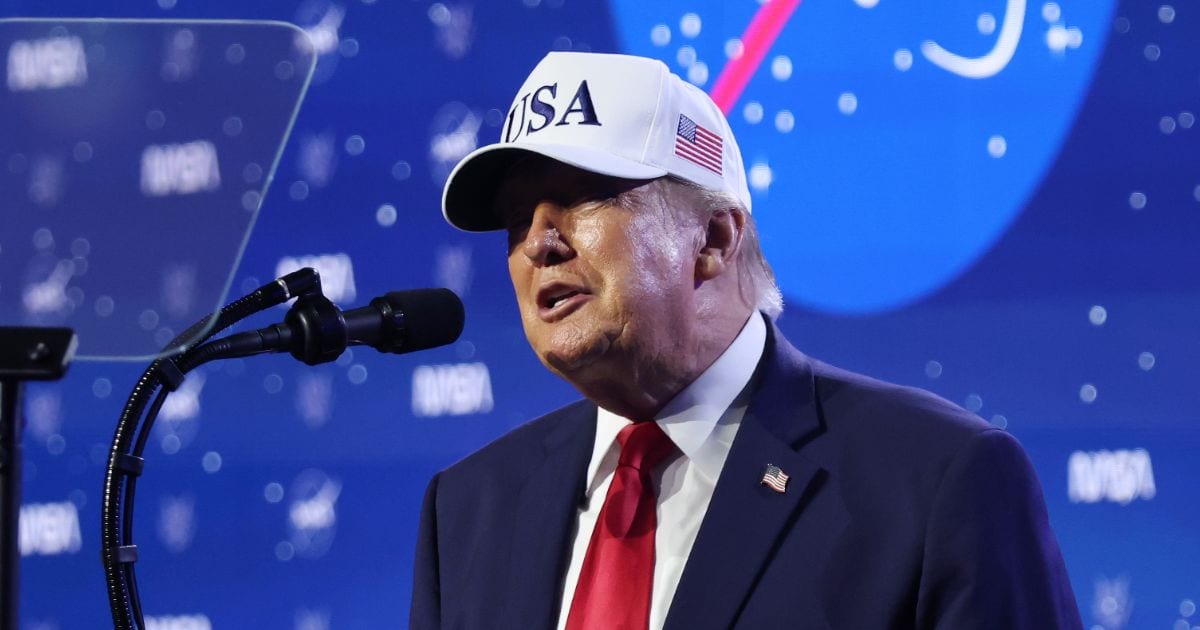
WASHINGTON, DC: A claim circulating on social media has drawn attention to US President Donald Trump's decision to designate the Oval Office and its adjoining rooms as a national monument.
The move has raised questions about whether future presidents will still have the freedom to change the historic office's design and appearance. Some online posts suggest that Trump's decision could prevent future administrations from making any changes. Let's fact-check the claim.
Claim: Trump's Oval Office monument prevents future presidents from making changes
Trump has signed an executive order preventing future presidents from changing Oval Office, per BBC
— unusual_whales (@unusual_whales) November 6, 2026
An X user, @Unusual_Whales, shared a post claiming Trump signed an executive order preventing future presidents from making changes to the Oval Office.
The post cited the BBC and attracted more than 1.9 million views within hours. It also sparked debate among social media users, with many questioning whether Trump could legally restrict future presidents from changing the historic office.
Trump signed the Oval Office National Monument proclamation on November 5, shortly after Republicans suffered losses in the midterm elections.
Several media reports linked the move to Trump's wider efforts to renovate and redesign the White House. These projects include plans for a large ballroom following the demolition of the East Wing, changes to the Rose Garden and helipad, and his gold-themed redesign of the Oval Office.
The decision has also raised questions about presidential powers, the protection of historic buildings, and the ability of future administrations to reverse or change decisions made by their predecessors.
The viral post has further fueled discussions about whether Trump's proclamation legally prevents future presidents from altering the Oval Office.
Fact Check: The claim is partly true
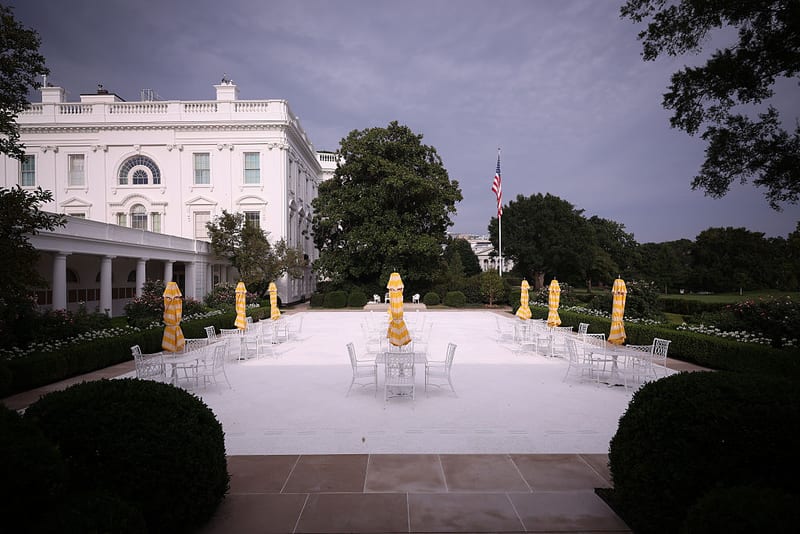
The claim shared by @Unusual_Whales that Trump signed an executive order preventing future presidents from changing the Oval Office is based on a real event but exaggerates its legal effect.
Trump issued a presidential proclamation directing the Secretary of the Interior, through the National Park Service, to protect the Oval Office and its adjoining rooms.
The proclamation aims to preserve their "historic character, architectural integrity, and association with the Presidency." It also requires officials to document and review proposed changes and consider other options before approving major alterations or demolition of important architectural features.
Trump described the decision in strong terms, saying it would prevent future presidents from having the rooms "touched by anybody, destroyed, [or] ripped down by stupid people."
He also suggested that the proclamation would preserve the Oval Office in its current form, including the gold decorations added during his renovations.
However, the proclamation still allows future presidents to change the office's decorations, furniture, artwork, and paint. It also permits routine operational and security changes as long as they do not seriously damage the building's historic features or architectural character. Therefore, the decision does not create a permanent ban on all future changes to the Oval Office.
BBC reporting, which the original X post cited, also clarified that the proclamation "does not prevent future presidents from changing the decor of the famous room." Therefore, Trump's decision aims to protect the Oval Office's historic structure, but it does not completely stop future presidents from changing its appearance.