Fact Check: Did Selena Gomez refuse to release new music until the US quits the war with Iran?

LOS ANGELES, CALIFORNIA: As the conflict in the Middle East escalates, a claim began circulating on social media platforms that popular singer Selena Gomez has refused to release her new music album until the United States agrees to stop its ongoing conflict with Iran, sparking speculation. Let us examine the origins of the rumor and fact-check the claim.
Claim: Selena Gomez refuses to release new music until the US quits the Iran war
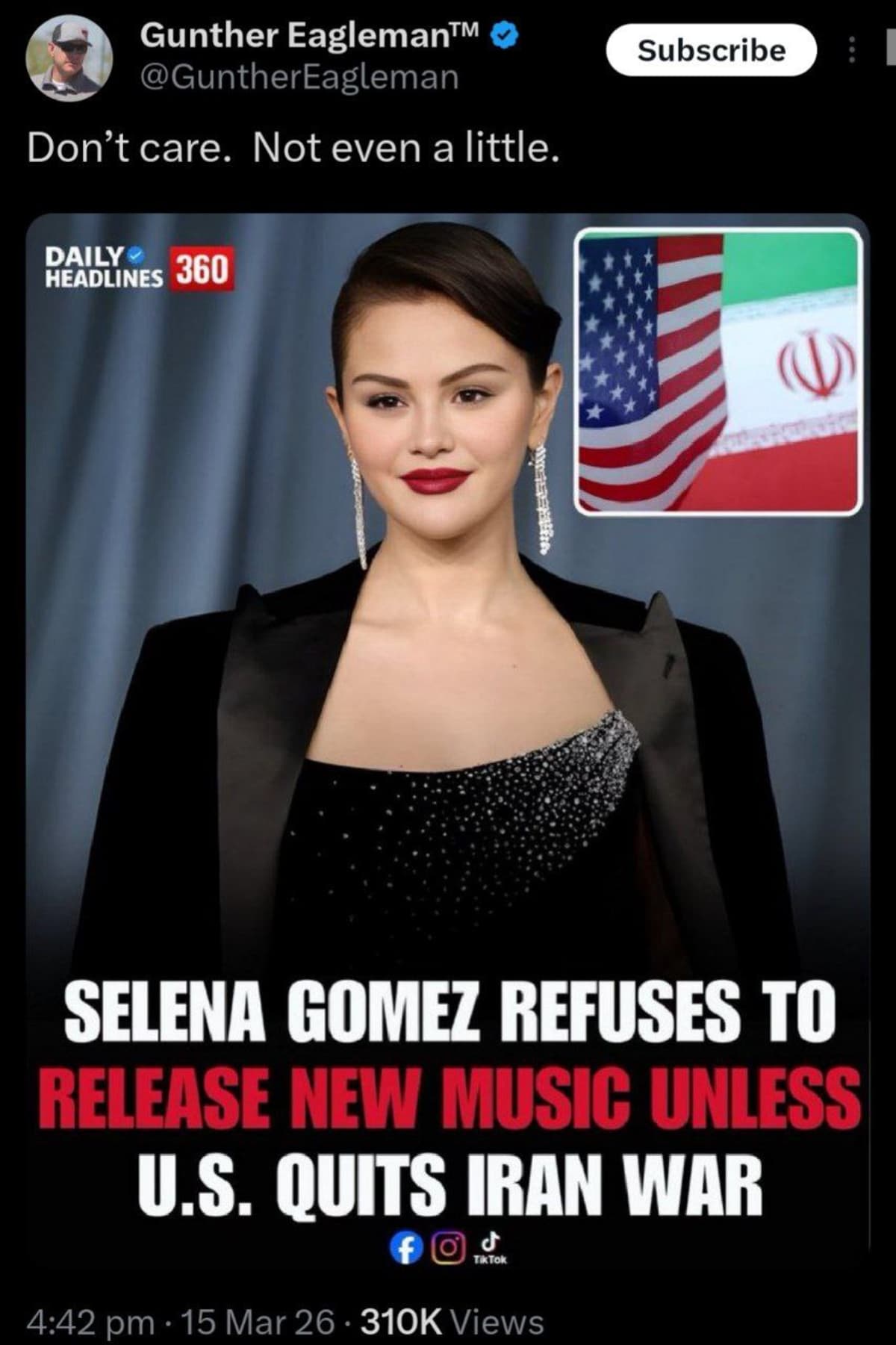
According to the viral claim, the 33-year-old singer has taken a dramatic political stand, allegedly refusing to release new music unless the US stops its involvement with Iran.
The rumor was quickly amplified by various accounts on social media, leaving fans both concerned and confused.
While some denied the claim as fake, many appeared to believe the rumor to be authentic.
The claim quickly spread on social media platforms, including X, Facebook, and Instagram, garnering hundreds of thousands of views.
Fact Check: The claim originated as satire

The rumors are fabricated, as they came from a parody account called ‘Daily Headlines 360’ that often posts such fake and unverified claims for the sake of engagement.
There are no official statements or social media announcements from Gomez about her stance on the United States’ involvement in Iran.
A search on Google for the claim yielded no credible results from popular news and entertainment media platforms, which, if true, would have been widely reported.
Although the rumor is fake, Gomez has been vocal about political issues. She shared and later deleted an emotional video crying over ICE raids and deportations under the Trump administration in 2025.
Growing criticism against Trump's war
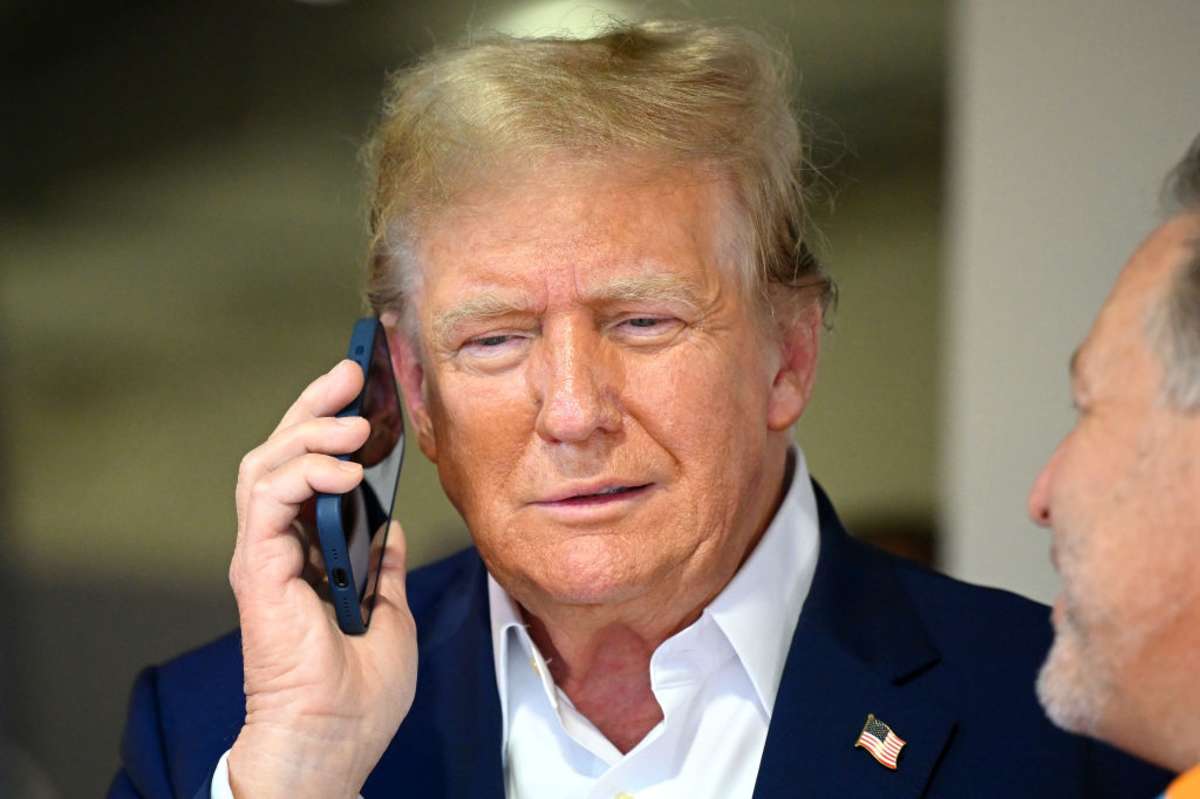
The claim surfaced as the conflict in the Middle East has drawn criticism against the Trump administration.
House Minority Leader Hakeem Jeffries said the US House of Representatives will again vote on a war powers resolution aimed at limiting President Donald Trump’s authority to continue the war with Iran once lawmakers return to session.
The earlier resolution failed by a narrow margin, highlighting deep divisions in Congress over the expanding US military campaign against Iran.
Lawmakers voted 219–212 against the measure, with most Republicans opposing it and four Democrats also voting against the resolution, preventing it from passing.
The legislation was designed to invoke the War Powers Resolution of 1973, a law intended to ensure that Congress retains the authority to decide when the United States enters sustained military conflict.