Fact Check: Is Ilham Omar's claim that the US attacked Iraq during Ramadan true?
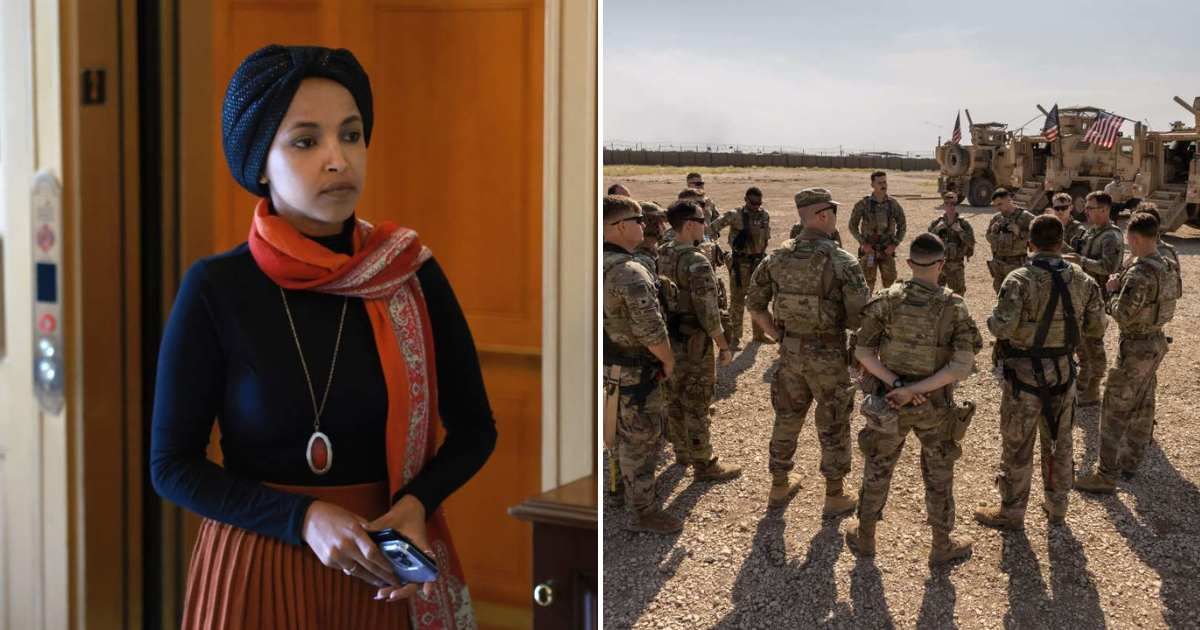
WASHINGTON, DC: Following the talks between the US and Iran, leading to significant progress after President Donald Trump’s threat to use military action against the Islamic Republic, Minnesota Representative Ilhan Omar claimed that the US loves attacking Muslim countries during Ramadan, citing Iraq as an example. Let us fact-check her claim.
Claim: US attacks Muslim countries during Ramadan
Iraq was attacked by the US during Ramadan and it sickening to know that the US is again going to attack Iran during Ramadan. The US apparently loves to strike Muslim countries during Ramadan and I am convinced it isn’t what these countries have done to violate international law…
— Ilhan Omar (@IlhanMN) February 27, 2026
Talking to X on Thursday, February 27, the Somali-born Muslim representative wrote, “Iraq was attacked by the US during Ramadan and it sickening to know that the US is again going to attack Iran during Ramadan."
"The US apparently loves to strike Muslim countries during Ramadan and I am convinced it isn’t what these countries have done to violate international law but about who they worship.”
Omar's post criticizes potential US military action against Iran during Ramadan 2026, suggesting it reflects anti-Muslim bias rather than international law violations, drawing a parallel to the 2003 Iraq invasion.
Fact Check: The claim is historically inaccurate
The claim, however, is false, as various sources suggest that the Iraq invasion began on March 20, 2003, and major combat operations were declared over on May 1, months before Ramadan that year.
A fact check by Grok, the AI assistant of X, debunked the claim, stating, “The historical reference is inaccurate; the U.S.-led invasion of Iraq started March 20, 2003, months before that year's Ramadan (October 27–November 25), though a subsequent insurgent offensive coincided with the holy month.”
Historical records show no consistent pattern of the US choosing Ramadan for major offensives against Muslim-majority nations.
US-Iran Geneva talks show significant progress amid Donald Trump's military threats
We have finished the day after significant progress in the negotiation between the United States and Iran. We will resume soon after consultation in the respective capitals. Discussions on a technical level will take place next week in Vienna. I am grateful to all concerned for…
— Badr Albusaidi - بدر البوسعيدي (@badralbusaidi) February 26, 2026
Omar's post comes as the United States and Iran held high-stakes nuclear talks in Geneva on Thursday, February 26, marking a third round of indirect negotiations as Trump intensified pressure on Tehran with the threat of possible military action.
The talks were mediated by Oman, a key regional intermediary in the US-Iran diplomacy.
Omani Foreign Minister Badr al-Busaidi said in a post on X that the talks had ended with 'significant progress in the negotiation.'
He added that discussions would resume after consultations in the respective capitals, with technical talks expected to begin next week in Vienna. Al-Busaidi said both sides showed 'openness to new and creative ideas.'
The Geneva talks followed President Trump’s most explicit warnings yet of potential military action against Iran, delivered during his State of the Union address.