Fact Check: Is the claim Donald Trump’s father was an ‘anchor baby’ true?
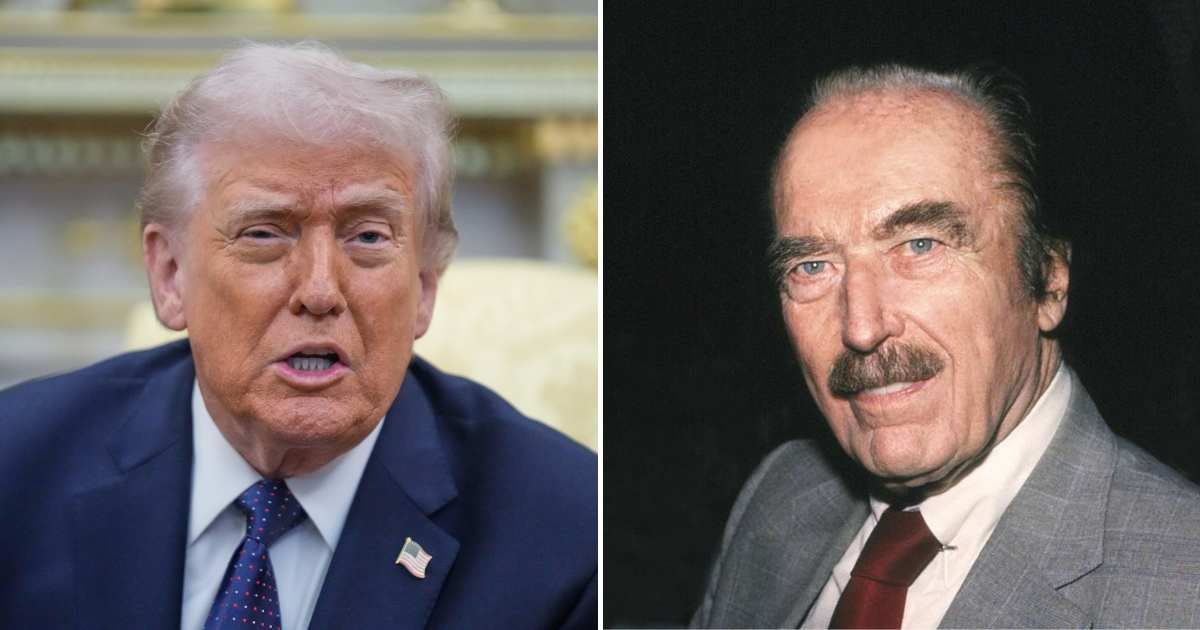
WASHINGTON, DC: As the Supreme Court heard arguments about whether the president’s executive order ending birthright citizenship is constitutional, Mary Trump, the estranged niece of President Donald Trump, has claimed that his father was an anchor baby, and Trump himself has been the best case against birthright citizenship. Let us fact-check the claim.
Claim: Donald Trump's father was an 'anchor baby'

According to Mary Trump, Frederick Christ Trump, the late father of President Trump, was an 'anchor baby' whose parents were immigrants from Germany.
Mary's remark came as the Supreme Court on Wednesday, April 1, heard arguments on birthright citizenship, with the president present.
The claim has sparked criticism of the president and speculation among many, who question the authenticity of Mary's claim, who is also a staunch critic of the president.
Fact Check: False, Fred Trump was born long after his parents became US citizens

In political discourse, an anchor baby is a child born to non-citizen parents. Trump’s grandparents were both German immigrants. His grandfather immigrated to the US in 1885 at the age of 16 and became a US citizen in 1882, long before Trump's father was born in 1905.
Hence, the claim that Trump’s father was an anchor baby is misleading.
According to records, Trump's grandparents married in Germany in 1902, but they were denied residency there partly because they had evaded mandatory German military service earlier.
They returned to New York in 1905, and Trump's father was born three months later in the US.
Supreme Court skeptical of Donald Trump's birthright citizenship push
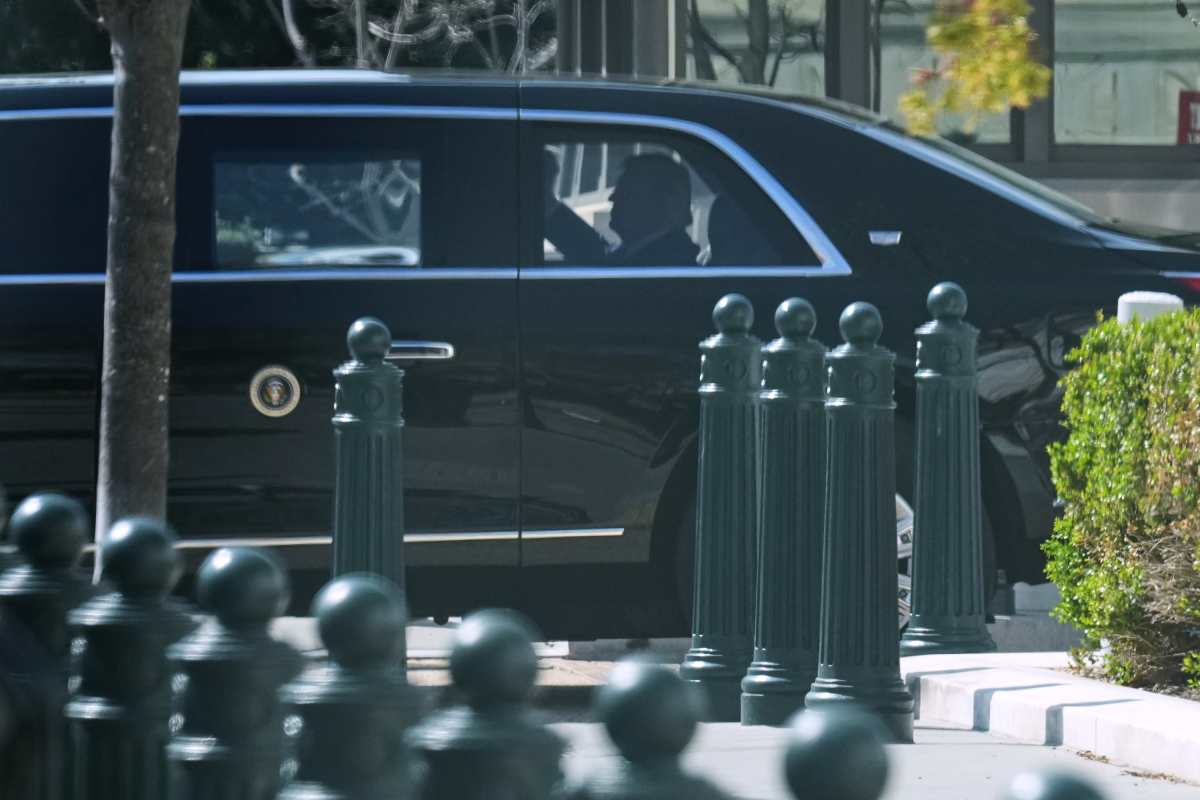
The US Supreme Court on Wednesday appeared skeptical of Trump’s effort to limit birthright citizenship, as justices questioned the legal basis of his executive order.
Trump, who attended oral arguments in person, proposed restricting citizenship to children born to at least one US citizen or permanent resident.
The move would alter longstanding interpretations of the Constitution’s 14th Amendment. During the proceedings, Trump also publicly criticized birthright citizenship in strong terms.
The justices raised concerns about the administration’s interpretation of the 14th Amendment’s citizenship clause.
The clause states, “All persons born or naturalized in the United States, and subject to the jurisdiction thereof, are citizens of the United States.”
The proposal, announced at the start of his second term, has been blocked by lower courts and has not taken effect.