Fact Check: Is Trump considering Mandarin Chinese as second language in US schools?
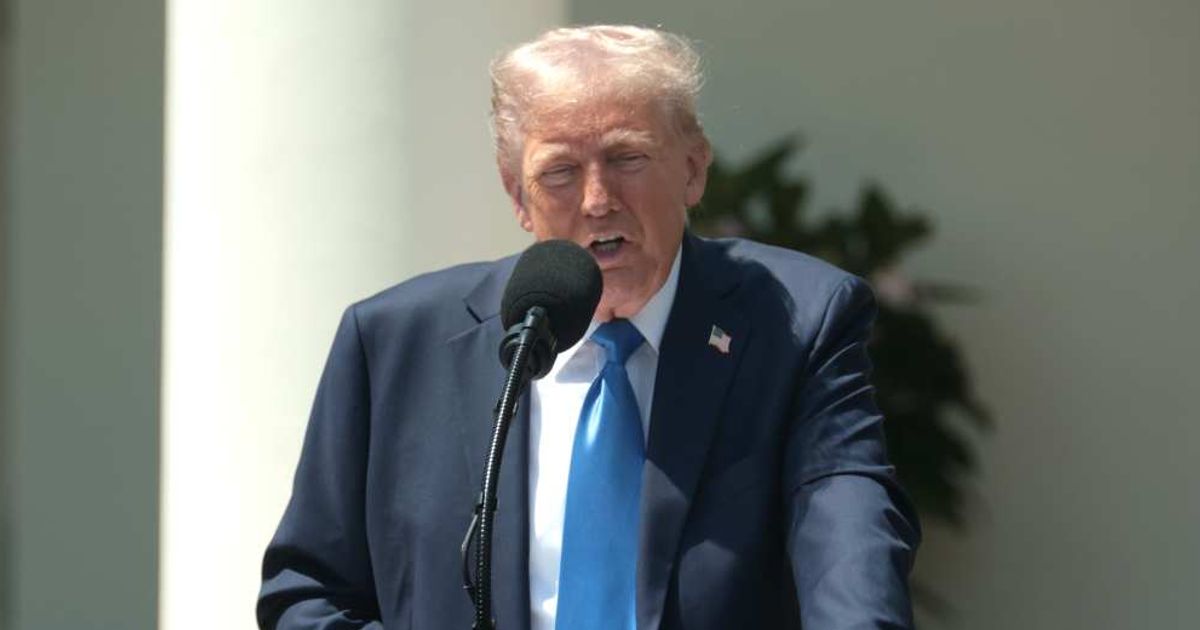
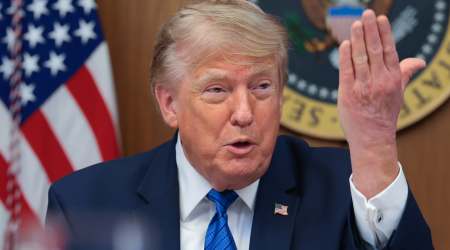
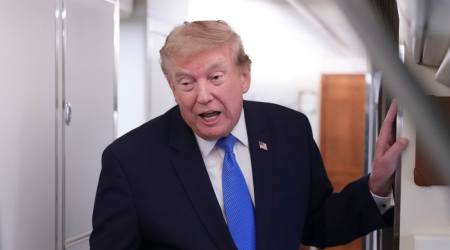
WASHINGTON, DC: As US President Donald Trump’s visit to Beijing circulates widely online, several unverified claims, videos, images, and quotes continue to spread across social media. One recent allegation claims that Trump is considering making Mandarin Chinese a second language in all US schools, effectively encouraging Americans to learn it.
This claim emerges alongside the broader context of the Beijing summit, where Trump engaged in extensive bilateral talks with Chinese President Xi Jinping focused on trade relations, security concerns, and efforts to stabilize US-China relations rather than resolve long-standing disagreements.
Claim: Trump is considering making Mandarin Chinese a second language
TRUMP IS CONSIDERING CHINESE AS A 2ND LANGUAGE IN ALL U.S. SCHOOLS.
— Gerhardt vd Merwe (@realgerhardtvdm) May 14, 2026
IT'S THE ONLY WAY FOR THE UNITED STATES OF AMERICA TO SURVIVE.
ADVICE TO ALL AMERICANS, START LEARNING TO SPEAK CHINESE YOU'LL NEED THAT SKILL VERY VERY SOON.
CHINA WON, IT'S OVER
According to X user @realgerhardtvdm, the post claimed that President Donald Trump is considering making Mandarin Chinese a second language in all US schools.
The post, written in all capital letters, stated: “Trump is considering Chinese as a 2nd language in all U.S. schools.”
It further added a supposed justification, saying, “It’s the only way for the United States of America to survive,” and urged users, “Advice to all Americans, start learning to speak Chinese you’ll need that skill very very soon.” The post concluded with the claim, “China won, it’s over.”
The alarmist framing quickly drew backlash in the replies, with many users labeling it misinformation. The post received over 1,200 likes and hundreds of comments, many of which challenged its accuracy.
One commenter wrote that “US CEOs chasing profits in a slowing, debt-choked China under Trump’s leverage isn’t ‘Chinese dominance.’ It’s business,” arguing against the narrative presented. Another user joked that “Mandarin is extremely difficult to learn. It would be easier to learn Klingon.”
US CEOs chasing profits in a slowing, debt-choked China under Trump's leverage isn't "Chinese dominance." It's business. Your cope ignores the property crash, youth unemployment, and capital flight. Collapse theory lives.
— GoodDay (@GoodDay1776) May 15, 2026
Mandarin is extremely difficult to learn. It would be easier to learn Klingon.
— John Thomas (@ThomasJohn16830) May 15, 2026
Fact Check: Trump is not considering Mandarin Chinese as a second language in US
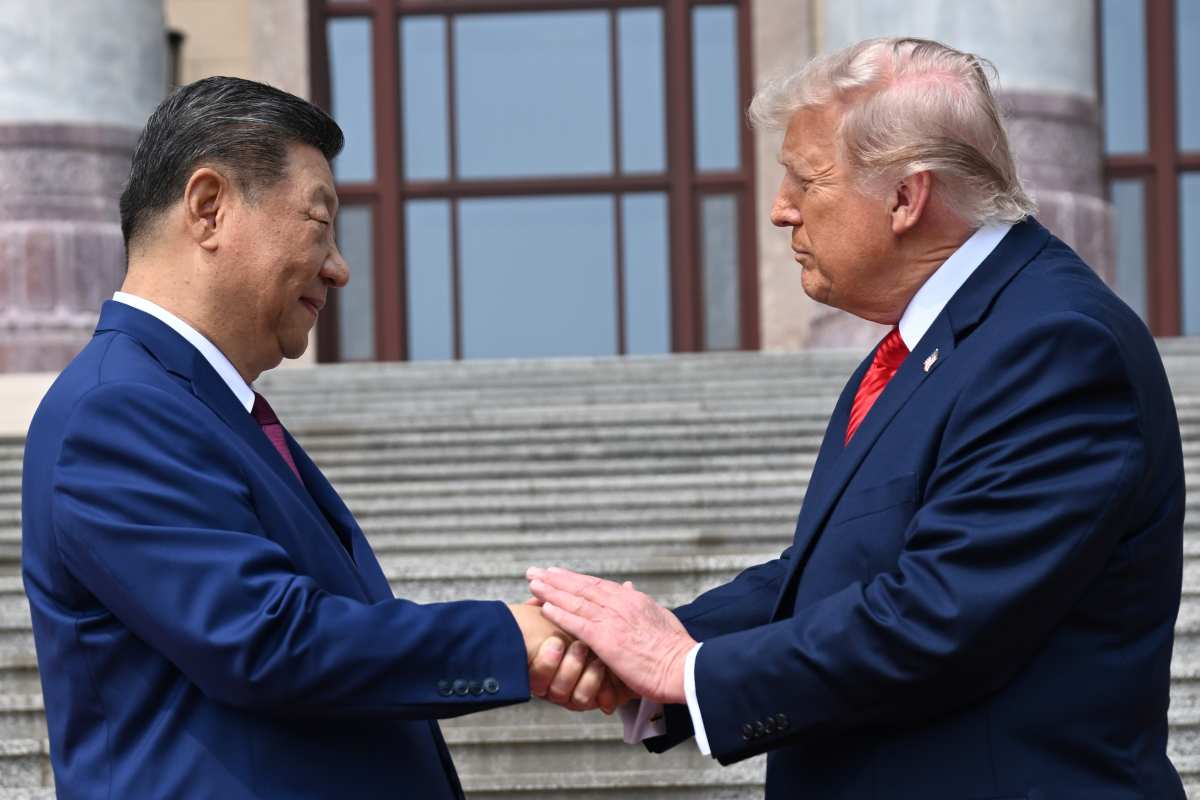
There is no credible evidence that President Donald Trump is considering making Mandarin Chinese a second language in all US schools.
Although viral social media posts have circulated this claim, no official announcement, executive order, legislative proposal, or policy statement supports it. In practice, US education policy is decentralized, with curriculum decisions primarily made at the state and local levels rather than imposed through federal mandates.
The claim appears to conflate misinformation with real but separate discussions in education policy circles about expanding foreign language learning. In recent years, some bipartisan policymakers and education experts have supported the expansion of voluntary Mandarin immersion and other world-language programs in selected schools and universities to enhance global competitiveness and linguistic expertise. However, these initiatives are limited to optional programs and do not involve nationwide requirements for all students.
Historically, some US leaders have had multilingual abilities, such as Herbert Hoover, who studied Latin and some Mandarin Chinese and, along with his wife Lou Hoover, translated De re metallica, a 16th-century Latin treatise on mining. In contrast, Donald Trump does not speak Mandarin Chinese and is widely reported to be fluent only in English.
Therefore, there is no policy initiative or government plan to mandate Mandarin instruction nationwide, as education authority remains primarily under state and local control rather than federal jurisdiction.
This article contains remarks made on the Internet by individual people and organizations. MEAWW cannot confirm them independently and does not support claims or opinions being made online.