Fact Check: Is Trump's claim that the inflation rate was just 1.7% before Iran war true?
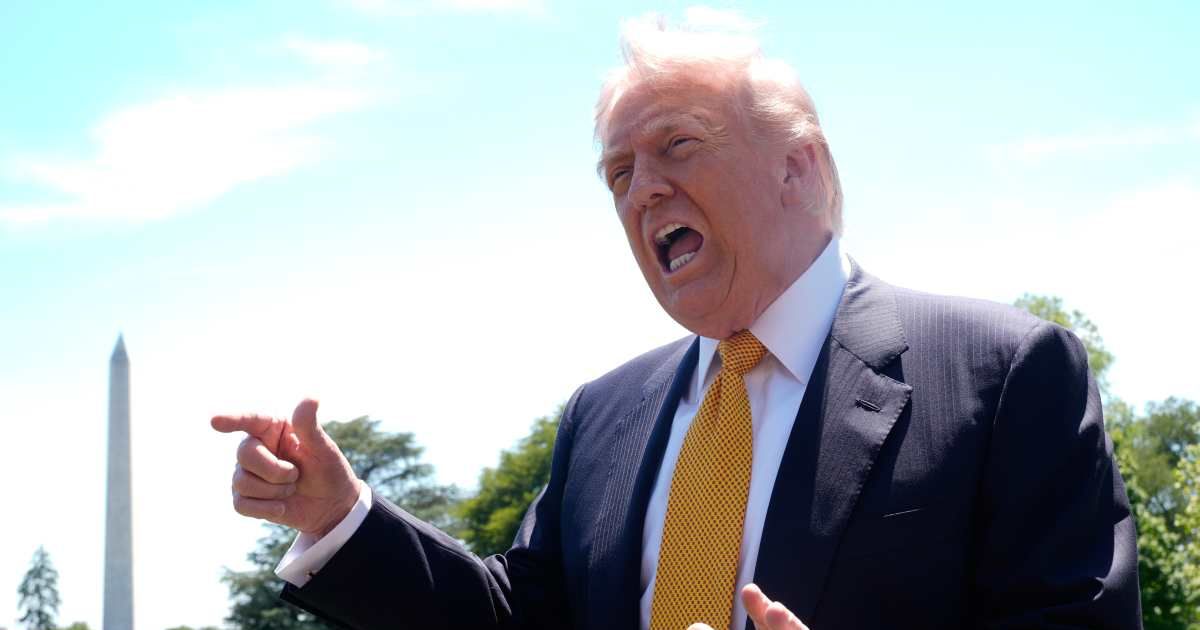
WASHINGTON, DC: Amid the geopolitical tensions in the Middle East, President Donald Trump has claimed that the inflation rate before the start of the war with Iran was just 1.7%, while trying to reassure Americans about rising prices, sparking questions and speculation about the claim.
Let us analyze the authenticity of the claim and fact-check the remark.
Claim: Inflation rate was just 1.7% before the war with Iran
“If you go back to just before the war, for the last three months, inflation was at 1.7%,” Trump said.
Later in his comments to reporters, he said that “if you go from before, just before the war, we were, for the last three months, 1.7%, and now what you have is – as soon as this war is over, you’re going to see inflation go down to probably 1.5%.”
When asked about Trump’s comment, White House spokesperson Kush Desai responded, saying, “President Trump is right: inflation was cool and stable prior to Operation Epic Fury."
"The president has always been clear about temporary disruptions as a result of Operation Epic Fury, and how energy prices and inflation will quickly drop once the Iranian nuclear threat is neutralized and the Strait of Hormuz is fully reopened.”
Fact Check: Trump's claim about inflation is false
Trump’s claim is false, as the inflation rate was not 1.7% in any of the three months before the war.
The Consumer Price Index rose 2.7% year-over-year in November and December 2025 before slowing to 2.4% in January and February 2026.
Most of the data for February was collected before the war started at the end of the month. Inflation has not been as low as 1.7% since early 2021 during the Covid-19 pandemic.
The Federal Reserve’s preferred inflation measure, the Personal Consumption Expenditures (PCE) price index, also did not drop to 1.7% in the months leading up to the war.
It was 2.8% in November 2025, 2.9% in December 2025 and January 2026, and 2.8% in February 2026. The rate later climbed to 3.5% in March 2026, while the data for April 2026 has not yet been released.
Iran war fuels fresh US inflation concerns
ccording to newly released data from the Bureau of Labor Statistics (BLS), the surge in fuel and transportation costs reverberated throughout the broader economy, raising prices for everything from airline tickets and takeout meals to clothing and shipping services.
The latest inflation spike marks a significant setback for policymakers who had hoped price pressures were gradually easing after months of cooling consumer demand and slower economic growth.