Warsh confirmed as Fed chair as inflation surges to 3.8% and Hormuz crisis worsens
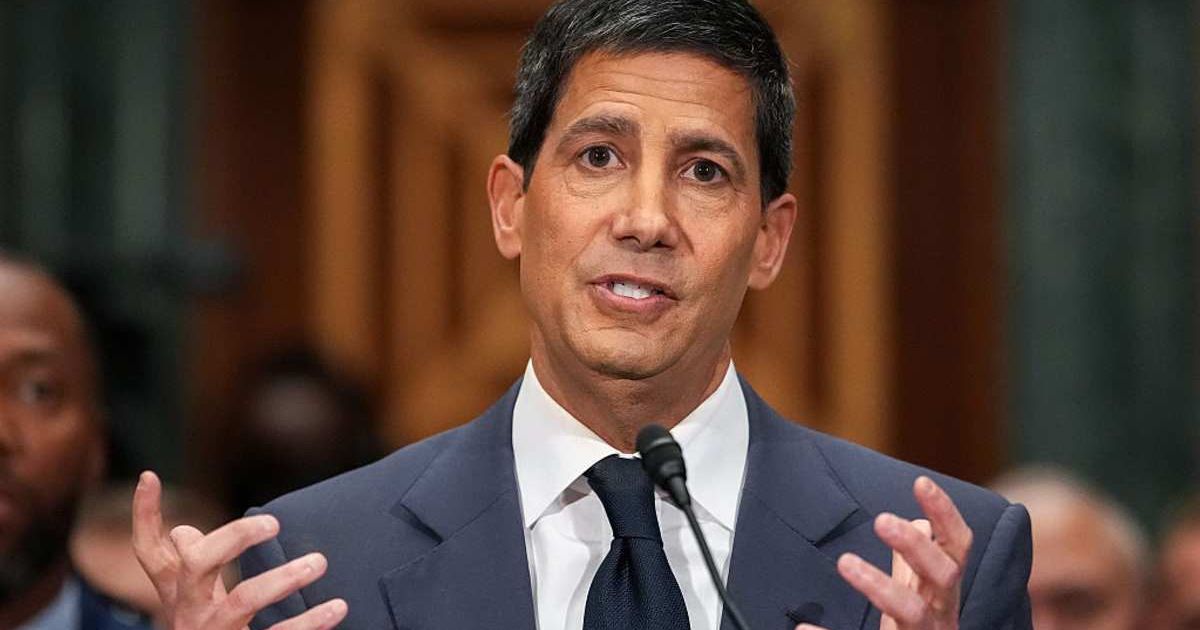
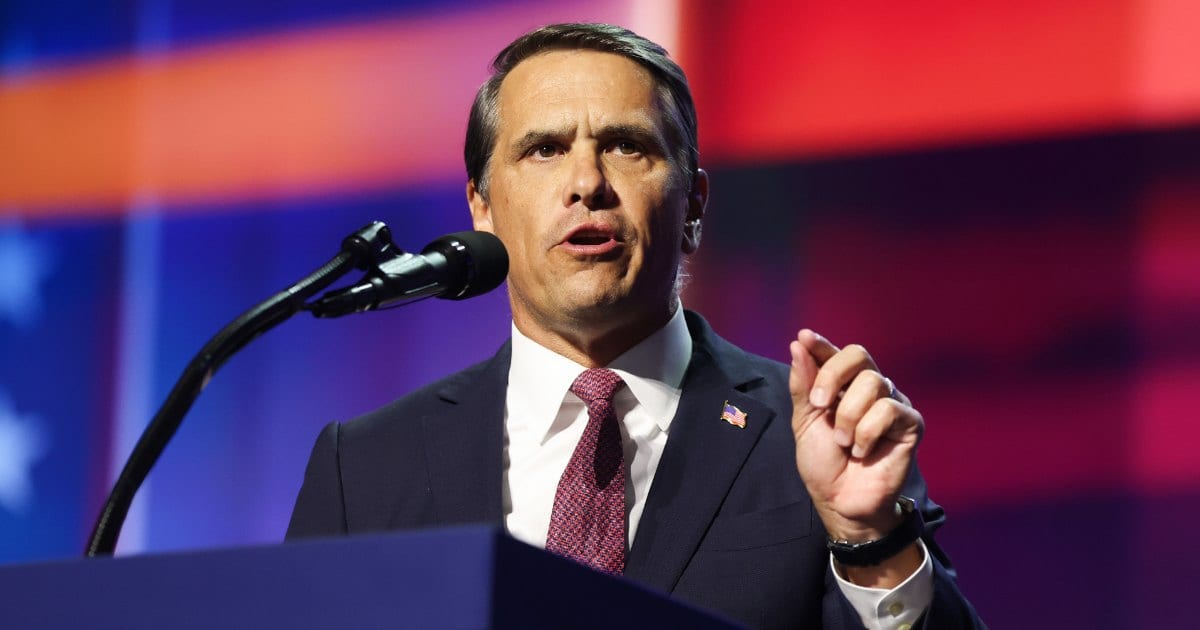
WASHINGTON, DC: The United States Senate has officially confirmed Kevin Warsh as the next Chairman of the Federal Reserve, placing a long-time critic of "easy money" at the helm of the world’s most powerful central bank.
The final confirmation on Wednesday, May 13, follows a razor-thin 51-45 vote a day earlier that secured Warsh’s 14-year term on the Fed’s Board of Governors. He is set to replace Jerome Powell by the end of the week, inheriting an economy suddenly gripped by a sharp and destabilizing acceleration in consumer costs.
Warsh’s ascension marks a pivotal shift in American monetary strategy. For years, the incoming chairman has argued that the Fed squandered its credibility through post-pandemic over-stimulation.
💥BREAKING
— DustyBC Crypto (@DustyBC) April 21, 2026
🇺🇸 KEVIN WARSH LAYS OUT HIS FED STANCE:
1. Cost of living pressure is the main problem right now
2. Fed policy has gone off track
3. Pushes for major structural changes
4. Says he won’t take direction from Trump
5. Notes presidents typically favor lower rates
6.… pic.twitter.com/hceEEdHpxb
During his recent Senate testimony, Warsh launched a direct assault on the central bank’s 2020 policy framework, blaming it for the "inflation surge" that continues to plague American households.
He has called for a return to a more "nimble" and "humble" Fed that reacts to real-time data rather than aggressively telegraphing future rate decisions to Wall Street.
Inflation surge puts new Fed chair under pressure
The new chairman takes office just as fresh data reveals that inflation has "outperformed quite considerably" for months. In April, consumer prices surged to 3.8%, the highest annual reading since mid-2023, representing a rapid acceleration from the 3.3% pace recorded in March.
With core inflation at 2.8% and the Fed’s preferred PCE gauge remaining above 3%, experts warn that the road ahead is significantly tougher than previously anticipated.
Economic analysts point to the ongoing turmoil in the Strait of Hormuz as a primary catalyst for the current crisis. Shuttered shipping lanes have driven up the cost of oil and energy, while simultaneously choking off critical industrial inputs such as fertilizer and computer chips.
These supply-side shocks have forced a dramatic shift in the national conversation; according to former Fed economist Skanda Amarnath, the debate has moved from when to cut interest rates to whether the Fed must implement fresh hikes to prevent a total loss of price control.
Unusual board arrangement creates internal tension
In a move that has stunned many observers, outgoing Chair Jerome Powell intends to remain on the Board of Governors after his term as leader expires this Friday. This rare arrangement is expected to create significant friction as Warsh begins his effort to reshape the bank's internal culture.
Powell has indicated he is staying to defend the Fed’s independence and to oversee the final resolution of the controversy surrounding the over-budget headquarters renovation project.
Jerome Powell says he will remain on the Federal Reserve Board for an undetermined period after his term as chair ends next month to protect the bank's independence. Treasury Secretary Scott Bessent is already criticizing the move, calling Powell an over-shadow chair. pic.twitter.com/tcUe8re3NS
— Steffan (@Steffan0xd) May 11, 2026
The renovation has already been the subject of a Justice Department investigation into whether Congress was misled regarding soaring costs.
While criminal charges were previously dropped, DOJ officials have hinted that the case could be reopened if the Office of the Inspector General uncovers evidence of misconduct.
Powell’s decision to maintain his seat until the matter is "well and truly over" ensures that Warsh will have to navigate a divided board while facing intense pressure from the White House to lower borrowing costs.
Productivity boom offers potential for rate relief
Despite the grim short-term outlook, Warsh has offered a glimmer of hope centered on technological innovation. He has recently argued that the rapid adoption of artificial intelligence could trigger a massive productivity boom.
In this scenario, improved efficiency could eventually lower inflationary pressures, allowing the Fed to reduce interest rates over the long term without further heating up the economy.
INSIGHTS:
— Merlijn The Trader (@MerlijnTrader) April 24, 2026
🇺🇸 Kevin Warsh just made the most important economic statement of 2026.
"AI is going to make almost everything cost less."
"We're at the front end of a productivity boom." "Economic growth won't be inflationary."
Elon Musk agrees. Sam Altman agrees. Stanley… https://t.co/ZOhRd1d89b pic.twitter.com/dqHUT0QFfe
However, the immediate reality remains a "predicament" for the central bank. While President Trump continues to push for lower rates to fuel growth, a rising inflation environment typically requires the opposite response.
If the disruptions in the Persian Gulf persist, Warsh may be forced into an early and direct collision with the administration.