Fed keeps rates steady as Iran oil shock deepens stagflation fears at Powell’s final meeting
WASHINGTON, DC: The Federal Reserve held interest rates steady on Wednesday. April 29, as the nation grapples with a deepening "oil shock" caused by the ongoing war with Iran.
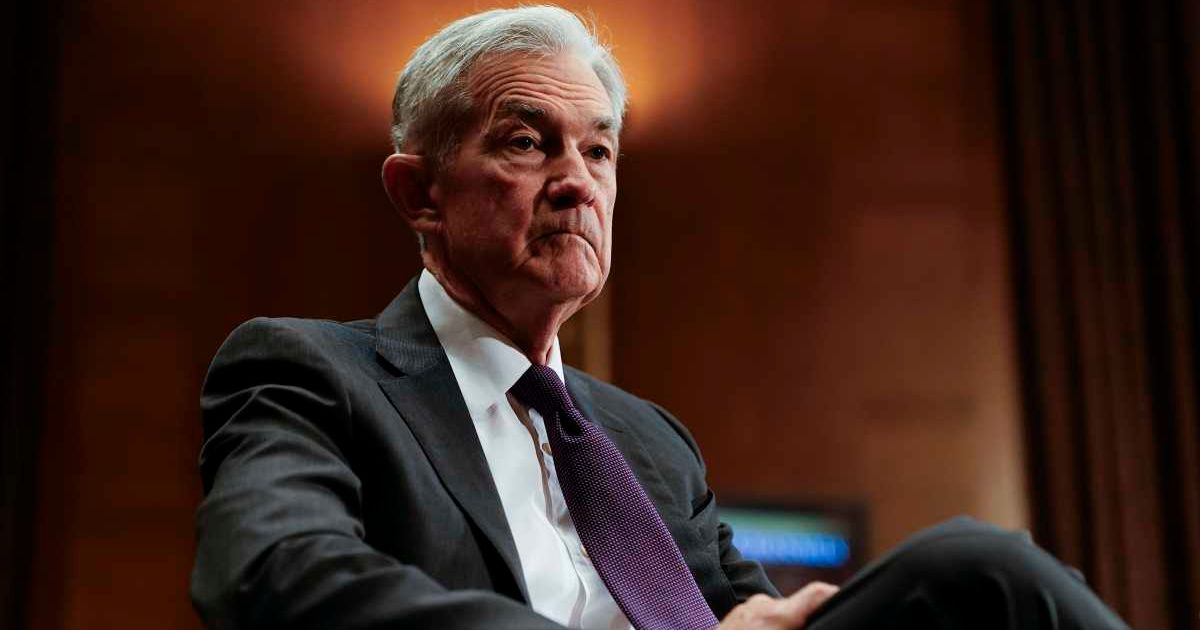
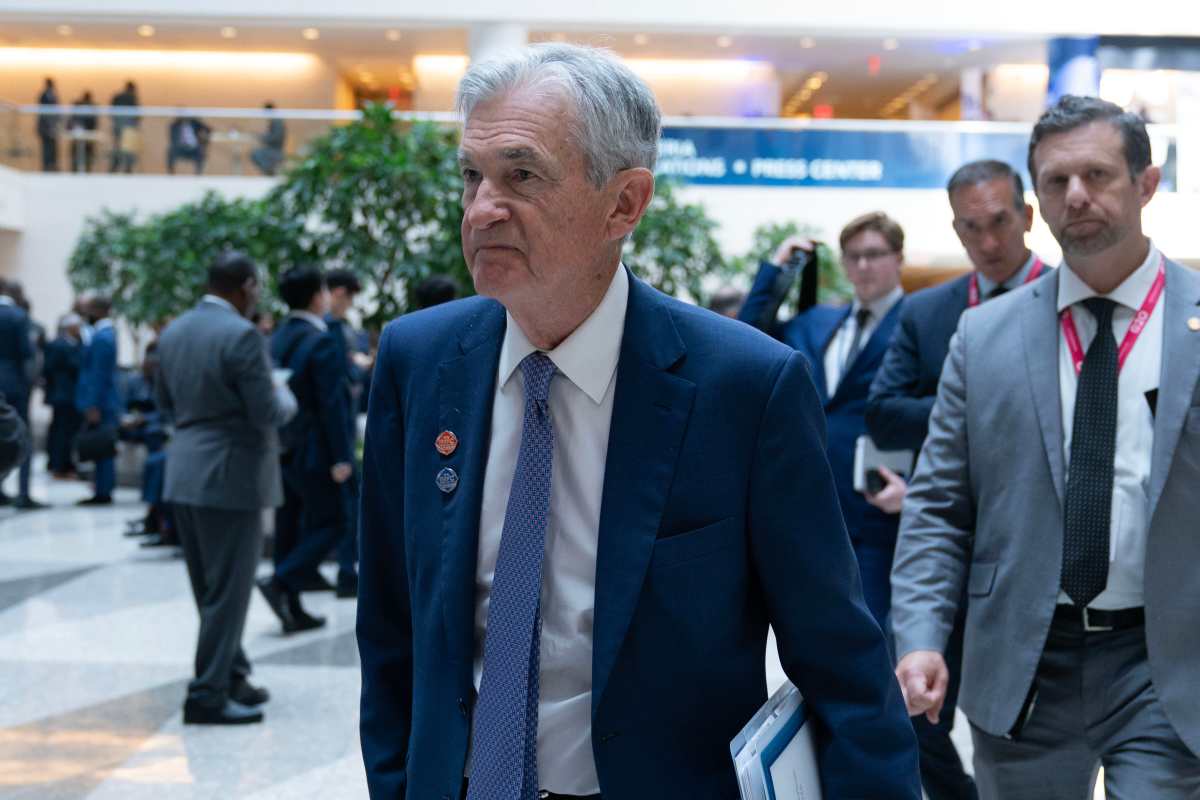
In what is likely to be his final policy decision before his term expires on May 15, Fed Chair Jerome Powell and the Federal Open Market Committee (FOMC) opted to maintain the benchmark rate between 3.5% and 3.75%.
The decision reflects the central bank's struggle with "stagflation," a dual threat of elevated inflation and sluggish hiring fueled by a rapid acceleration in global energy costs.
"Inflation is elevated, in part reflecting the recent increase in global energy prices," the FOMC stated, acknowledging the volatility in a market where Brent crude has surged to $114.60 a barrel.
The move marks the third consecutive pause in 2026, a sharp reversal from the quarter-point cuts seen late last year.
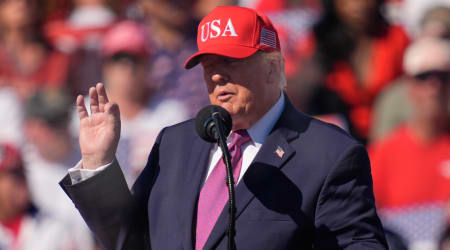
Stephen Miran, a Trump appointee and the board's most vocal advocate for lower borrowing costs, cast the lone dissenting vote, calling for an immediate quarter-point cut to support the cooling labor market.
Warsh clears hurdle amid Powell probe
While Powell navigated his final meeting, the Senate Banking Committee voted 13-11 along party lines to approve the nomination of Kevin Warsh as the next Fed Chair.
The vote followed a period of intense friction after a Department of Justice investigation into Powell, concerning alleged false testimony about an office renovation, stalled the confirmation process.
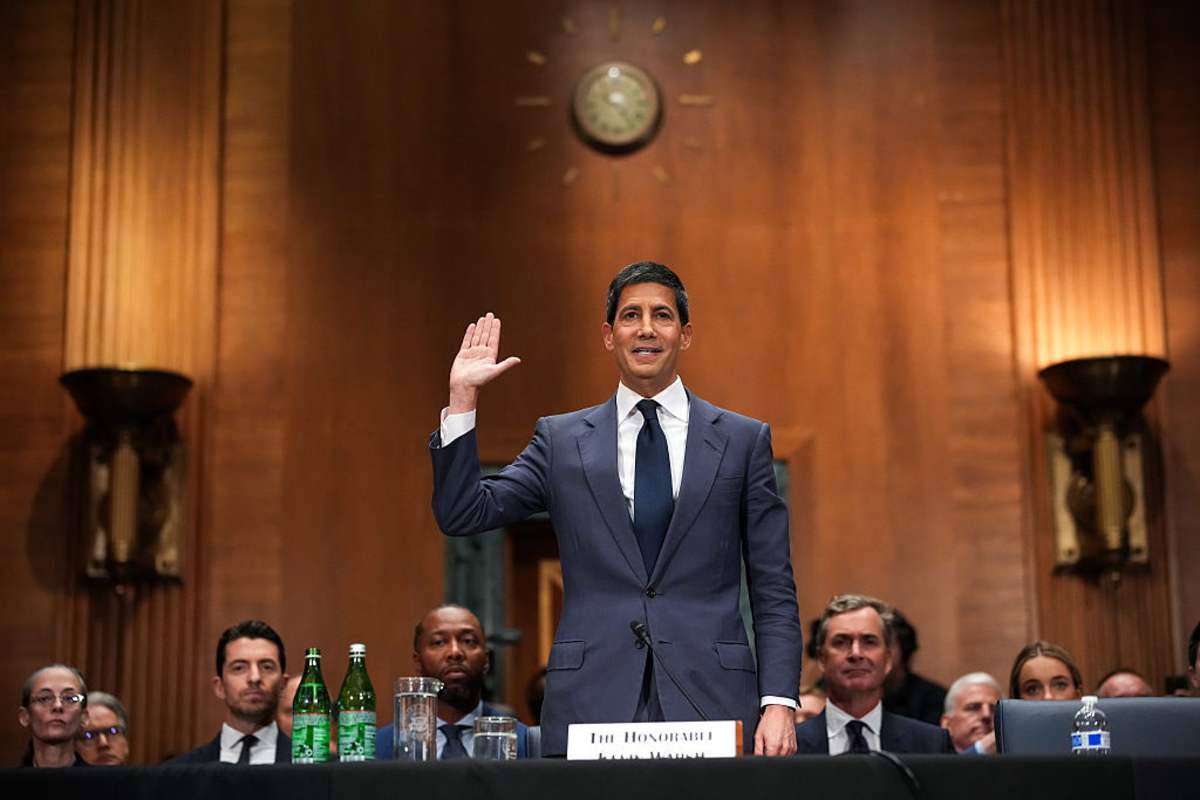
The DOJ moved to drop the probe last week, removing a "bipartisan stonewall" and paving the way for Warsh, a former Fed governor and current Hoover Institution fellow, to advance to a full Senate vote.
Warsh, traditionally known as an interest-rate "hawk," has recently signaled a shift toward supporting lower rates to counter the risk posed by new tariffs.
Powell has indicated he will remain in his position until Warsh is confirmed, but he retains the option to stay on the 12-member board as a governor until 2028.
Insiders suggest Powell may choose to stay to protect the central bank's independence from what he has characterized as politically motivated pressure from the White House.
Gas prices hit four-year high
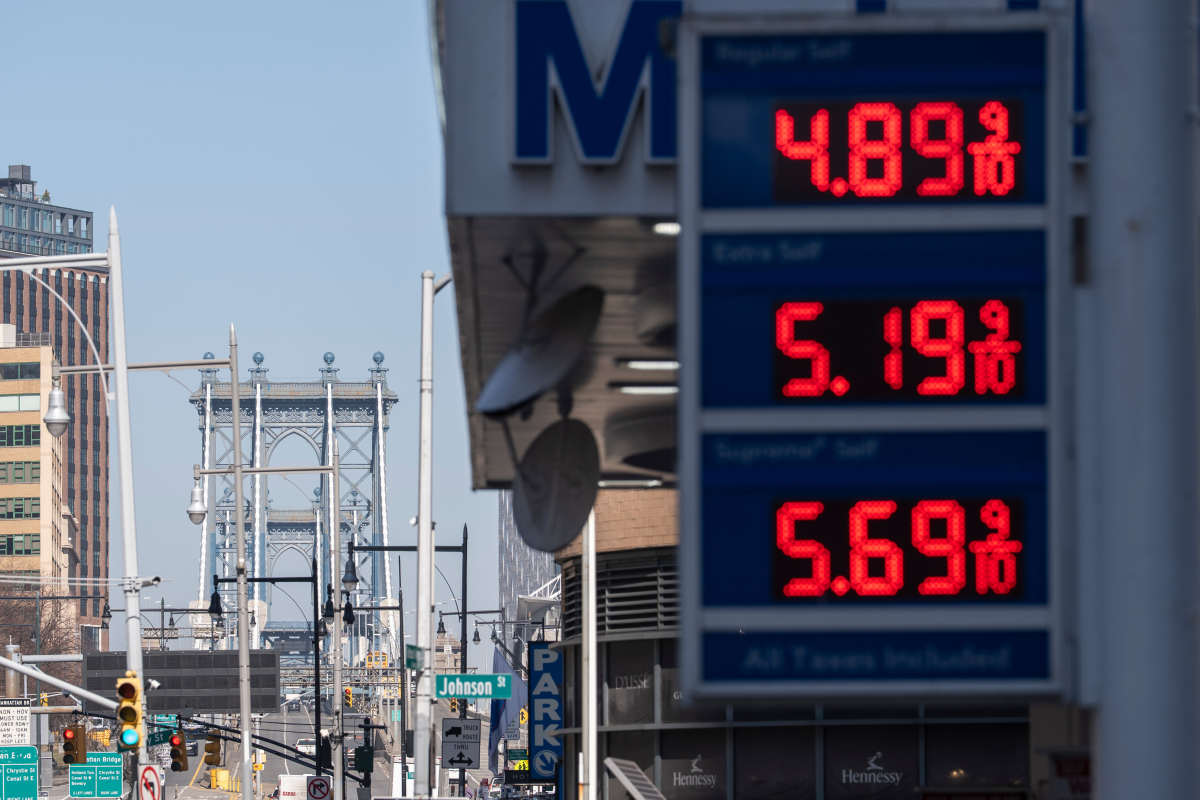
The Fed's decision arrives as American consumers face the highest gasoline prices in four years, with the national average hitting $4.23 per gallon this week.
The US naval blockade of the Strait of Hormuz has essentially choked off 20% of the world's oil supply, driving fuel costs up by over 70% since the start of the conflict.
This energy surge has filtered through the economy, raising air travel costs and threatening to leak into grocery and utility prices, further bedeviling policymakers.
Despite the "economic double-whammy," consumer confidence unexpectedly edged higher in April, though surveys show Americans are planning fewer driving-based vacations.
The Fed now finds itself in a precarious position: lowering rates could spur growth but risk runaway inflation, while raising them could slow price increases at the cost of an economic cooldown.
For now, markets peg an 80% chance that rates will remain at current levels for the remainder of the year as the nation awaits the "final deal" on its central bank leadership.