Fetterman says Democrats were 'so wrong' to target Senate filibuster, backs Sinema and Manchin
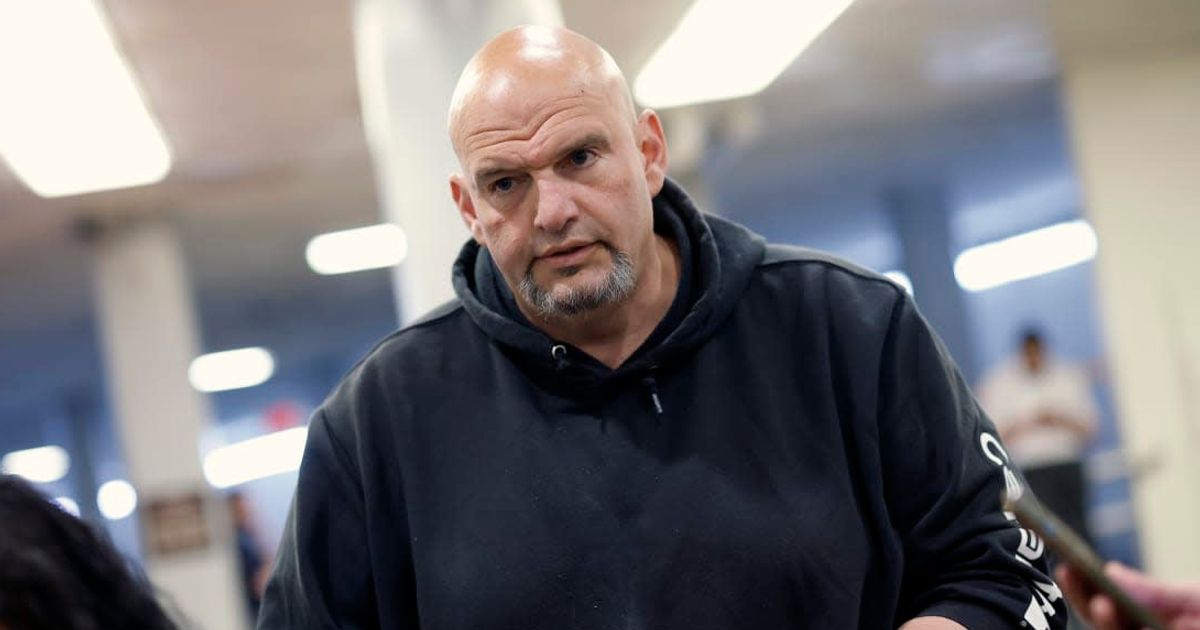
WASHINGTON, DC: Senator John Fetterman is walking back one of the most notable positions from his 2022 campaign, admitting Democrats were "so wrong" when they pushed to eliminate the Senate filibuster.
Speaking on Katie Miller's podcast on Tuesday, July 2, the Pennsylvania Democrat reflected on the party's efforts during the Biden administration to scrap the legislative procedure.
Fetterman said he has since changed his mind and now believes preserving the filibuster is necessary to protect the rights of whichever party finds itself in the minority.
New episode with @SenFettermanPA
— The Katie Miller Podcast (@katiemillerpod) June 2, 2026
2:42 – A typical day for Fetterman
3:51 – Favorite condiment
4:05 – Balancing family life with a job in government
5:06 – Memorable fundraising events
6:23 – Why working in government isn’t glamorous
8:00 – Has anyone in D.C. tried to change him?… pic.twitter.com/vlAS69PNOy
John Fetterman admits he was 'absolutely wrong' on filibuster
Fetterman did not mince words when discussing his previous position.
"One thing I was absolutely wrong on — and I've been really ... very open talking about how wrong I am — is that in my cycle, in '22, we were running to eliminate the filibuster. And we were so wrong, so wrong about that," he said during the podcast appearance.
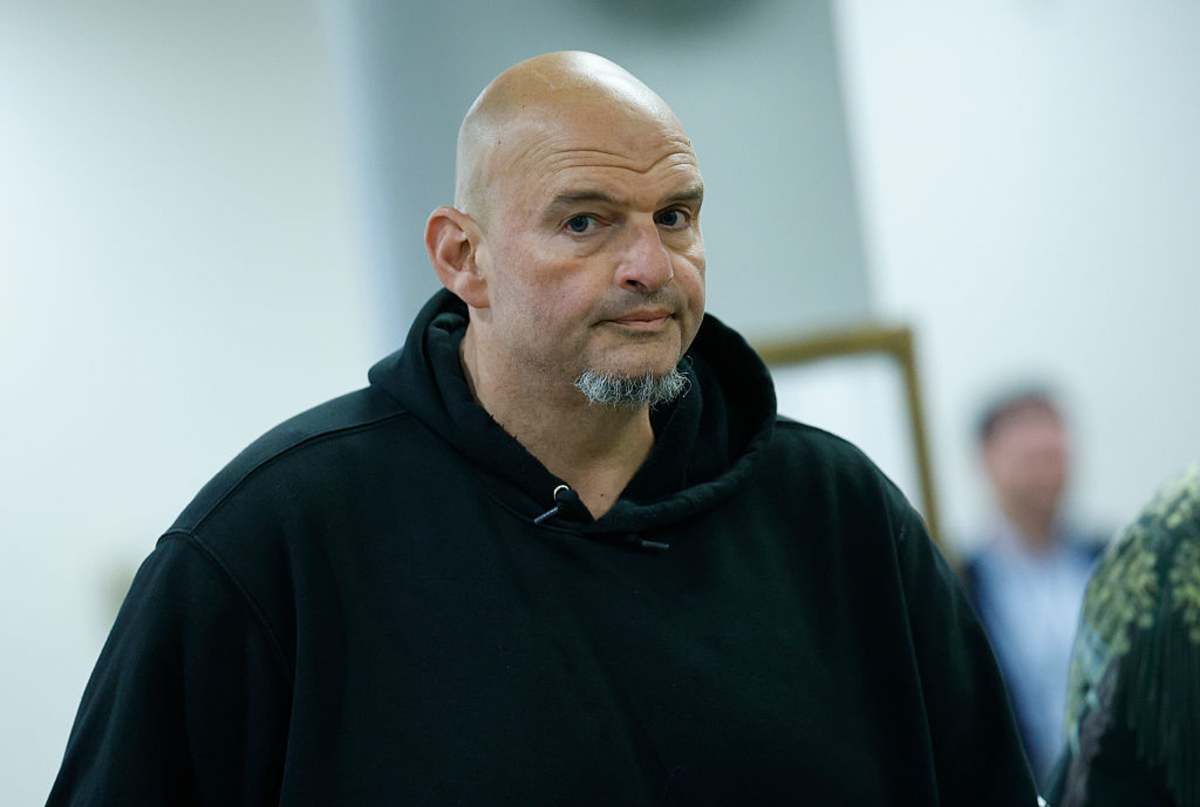
The Pennsylvania senator acknowledged that his views have shifted significantly since he first ran for office.
While many Democrats argued at the time that the filibuster was preventing the party from passing key legislation, Fetterman now says the procedure serves an important institutional purpose.
Democratic push to eliminate the filibuster became a major issue in 2022
In 2022, Fetterman was among those who supported eliminating the filibuster.
He and other Democrats argued that the 60-vote threshold gave Republicans too much power to block legislation backed by Democratic lawmakers and their constituents.
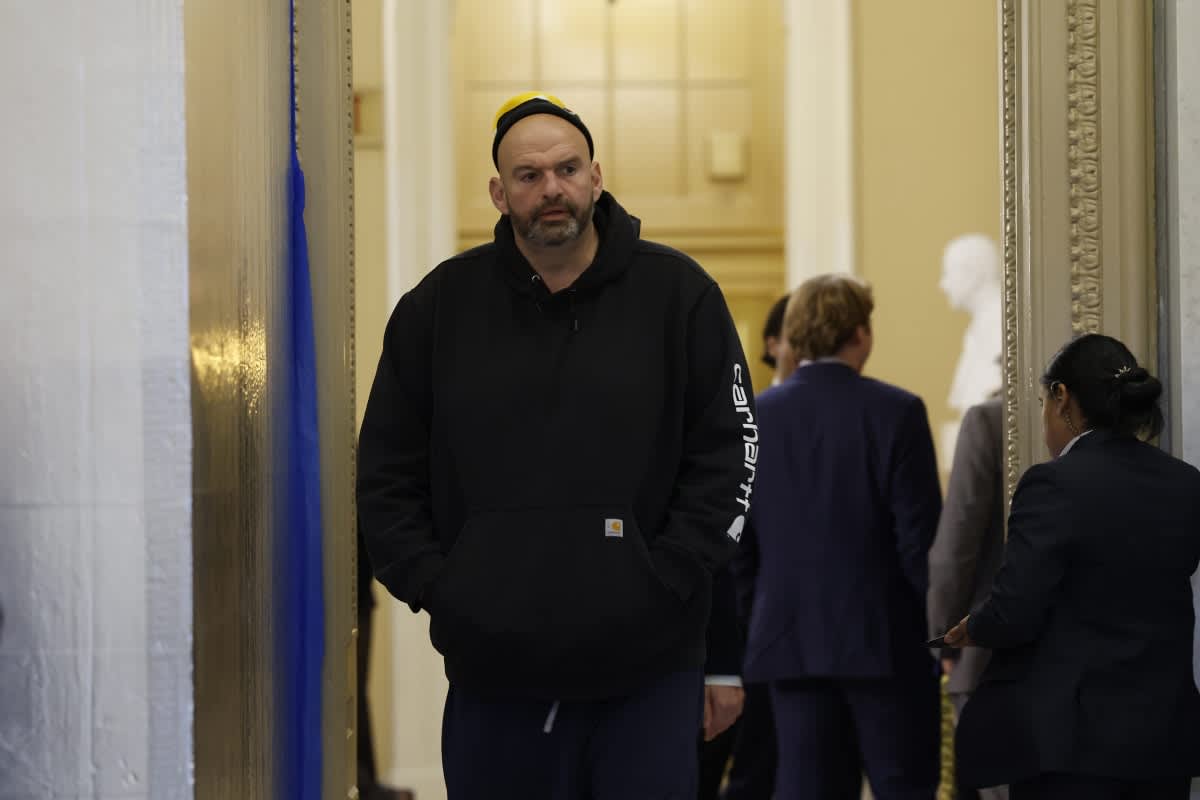
The debate became one of the defining fights within the party, as progressive Democrats pushed for changes while a handful of senators resisted.
Now, looking back on that period, Fetterman says the effort itself was misguided.
Rather than seeing the filibuster as an obstacle, he now views it as a safeguard that protects whichever party lacks the numbers to control the Senate.
Joe Manchin and Kyrsten Sinema receive rare praise from a former critic
Fetterman specifically pointed to former Senators Joe Manchin and Kyrsten Sinema as lawmakers who ultimately got the issue right.
"And now, thankfully ... I think Sinema and Manchin were vindicated by this," he said.
Both became lightning rods within Democratic circles when they repeatedly opposed efforts to weaken the filibuster.
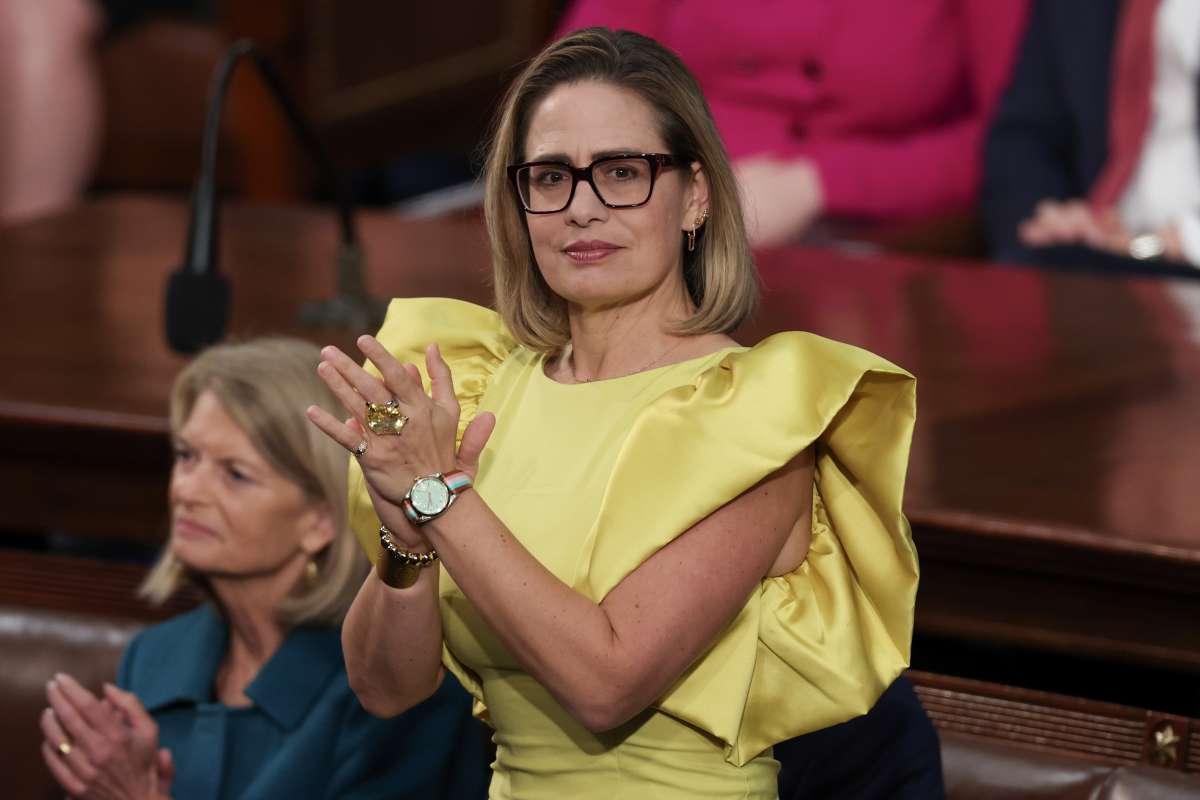
Their decisions frustrated many in the party, who accused them of blocking key legislative priorities.
At the time, Manchin and Sinema often found themselves isolated from fellow Democrats because of their stance.

Yet Fetterman's comments suggest that changing political realities have led some Democrats to reassess their position.
The acknowledgment is particularly notable because both lawmakers have since distanced themselves from the Democratic Party.
Both left the party while serving in the Senate and registered as independents.
Why the filibuster debate matters again under Republican control
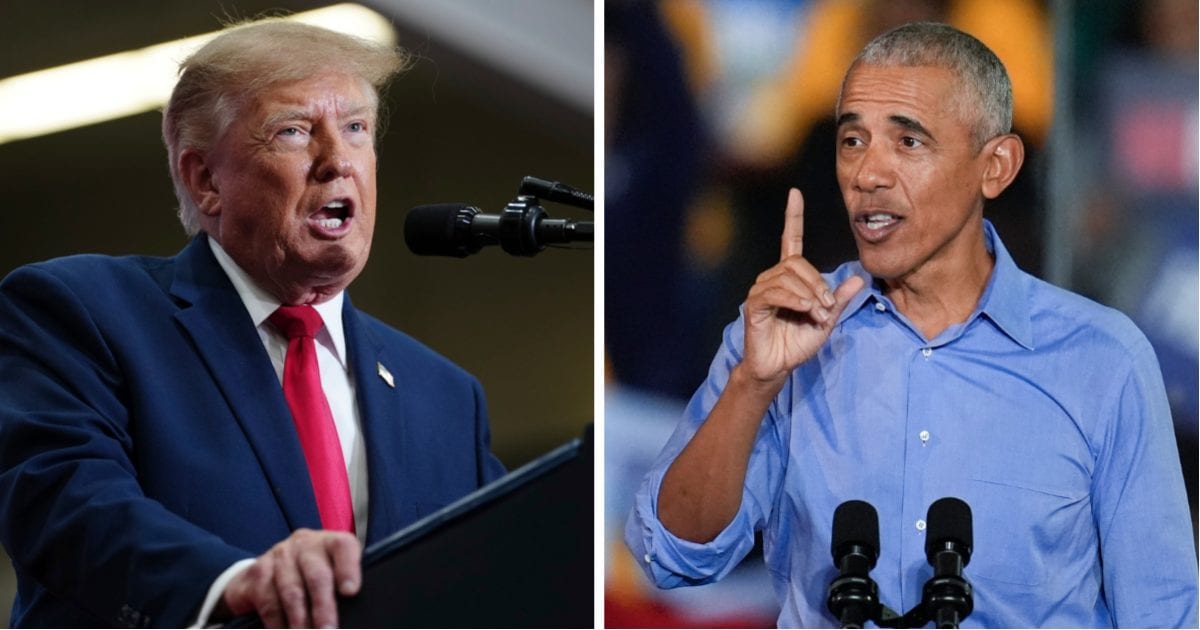
The issue has returned to the spotlight as Republicans control the Senate and President Donald Trump has encouraged efforts to eliminate the filibuster in order to advance legislation, including the SAVE America Act.
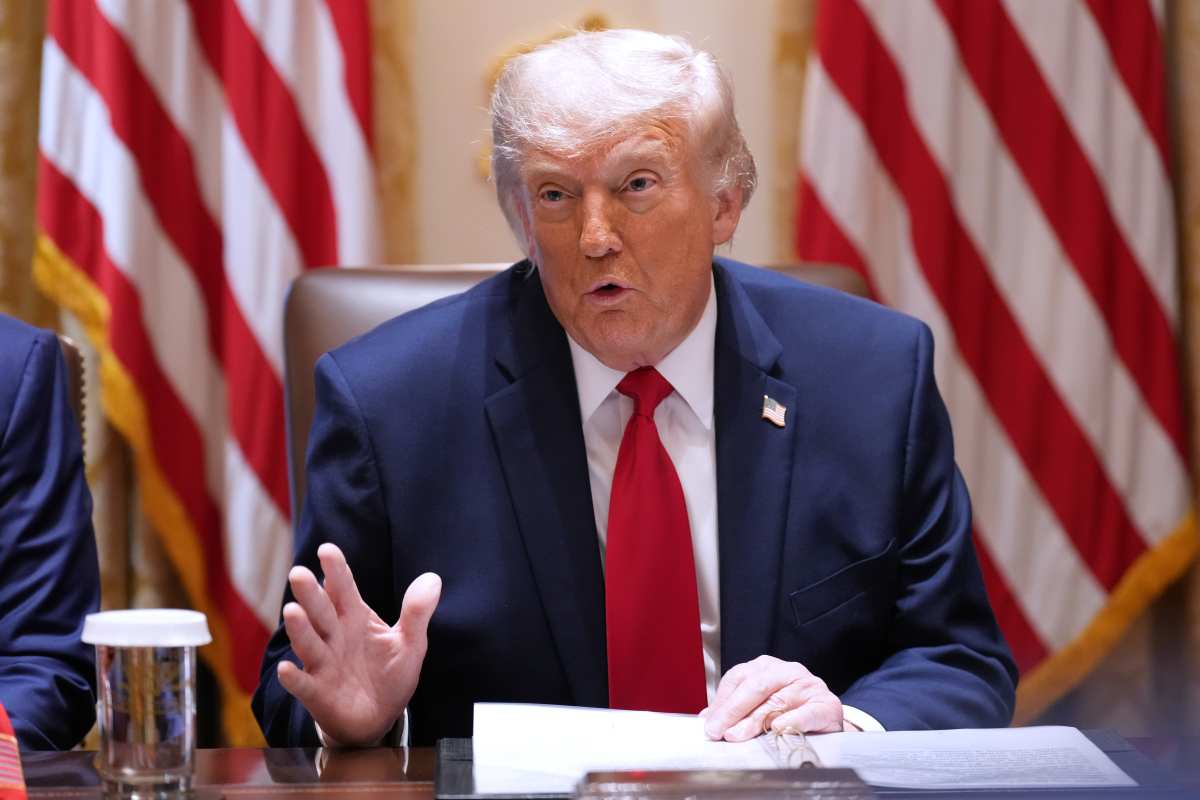
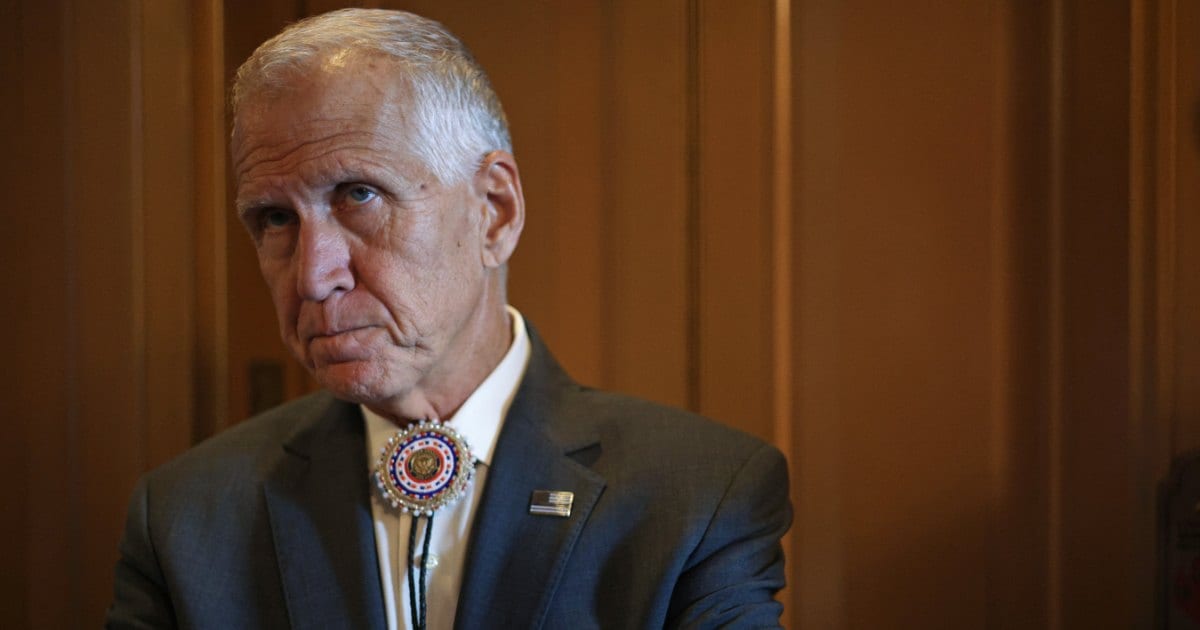
Despite pressure from some Republicans, Senate Majority Leader John Thune has maintained that the filibuster remains essential to how the Senate functions and has indicated he intends to preserve it.
Explaining his reasoning, Fetterman said removing the rule would leave minority-party lawmakers with little ability to influence legislation.
"We have the risk of if we lose the filibuster, then the rights of the minority — whether that will be Democrat or Republican minority — would have effectively little to no voice," he said. "And if we become a smaller version of the House, that would have profound ramifications for the United States, and that would be dangerous."