Former prosecutor Sarah Krissoff says DOJ could have disclosed all Epstein files with its resources
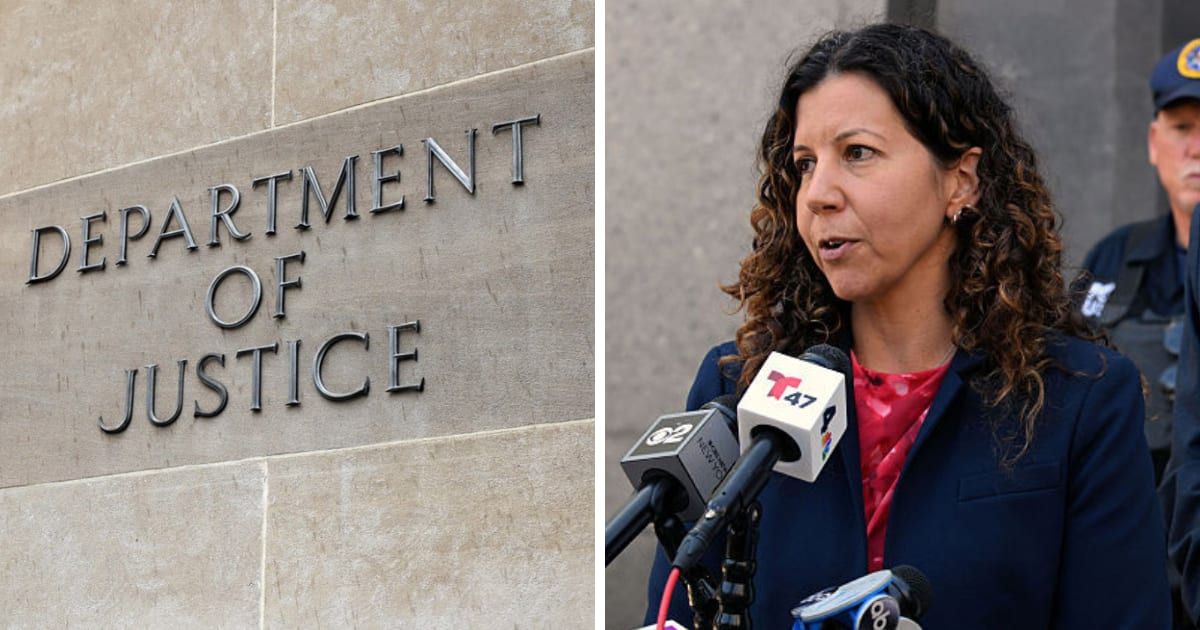
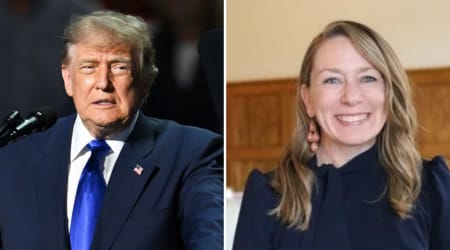
WASHINGTON, DC: A former federal prosecutor, in an interview with Fox News on Tuesday, December 23, cast doubt on the Department of Justice's failure to fully release the Jeffrey Epstein files, arguing that the agency had ample "firepower" to meet the deadline if it truly prioritized transparency.
Sarah Krissoff, who spent nearly 14 years in the Southern District of New York, criticized the DOJ's initial, heavily redacted release of documents following the passage of the 'Epstein Files Transparency Act'.
While the department has cited the sheer volume of material as a hurdle, Krissoff dismissed the excuse during a media appearance.
Sarah Krissoff questions the DOJ’s vast resources
"The Department of Justice has all the resources in the world, right? I mean, if they wanted to put 1,000 lawyers on this to review the documents and get them ready for the production, they could have," Krissoff said.
"And they don’t appear to have done that," she added, highlighting a disconnect between the agency's capabilities and its output.
Her comments come amid a firestorm of bipartisan criticism. The transparency law, signed by President Donald Trump on November 19, gave the DOJ 30 days to make the files public, yet the first trove released on Friday was widely panned for its extensive redactions.
Lawmakers accuse DOJ of 'hiding' evidence
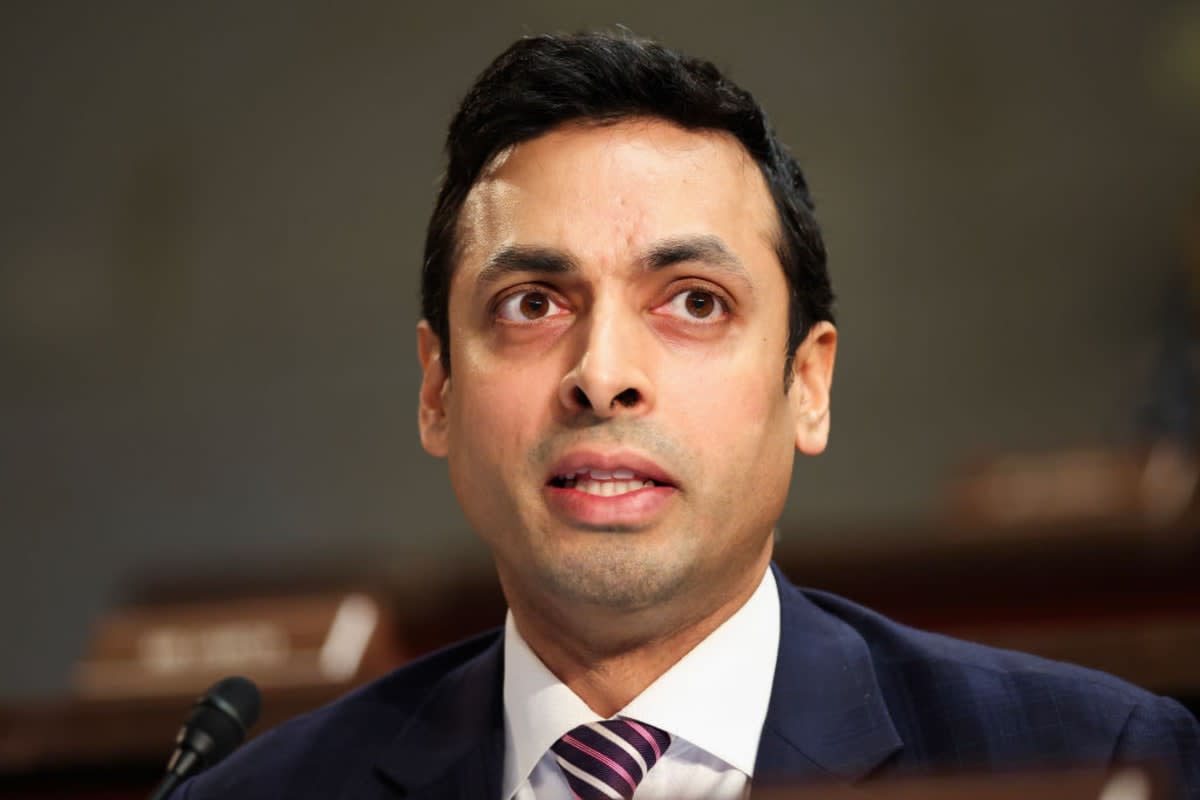
The limited release has sparked outrage on Capitol Hill. Rep Suhas Subramanyam (D-Va), a member of the House Oversight Committee, accused the department of stalling.
"They are hiding a lot of documents that would be very helpful in our investigation," Subramanyam told CNN on Monday.
While Krissoff acknowledged the political pressure, she also noted the unique legal challenges of the release.
Unlike typical cases where redactions are narrowly negotiated between prosecution and defense, this "wholesale" release forces the DOJ to protect uncharged individuals without clear guidance.
Risks of collateral damage in Epstein files
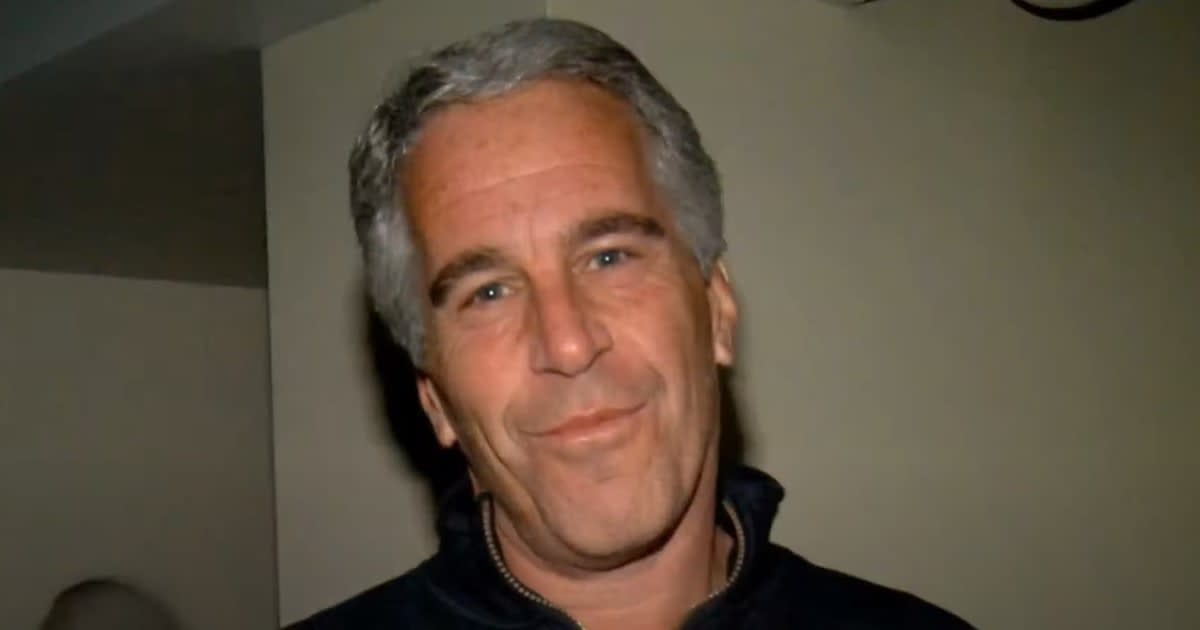
Krissoff warned that a reckless release could unfairly tarnish people tangentially linked to Epstein but not involved in his shady business.
"The case file often implicates many other people that are not charged... You don't want to impugn those other people," she explained, using the example of a neighbor's information being needlessly exposed.
Despite these valid legal concerns, the slow-walking of the files has fueled public skepticism.
The DOJ has stated it will continue to release documents on a "rolling basis," though no specific timeline for the remaining files has been provided.