From Signalgate to Iran: Karoline Leavitt’s biggest tests at White House podium
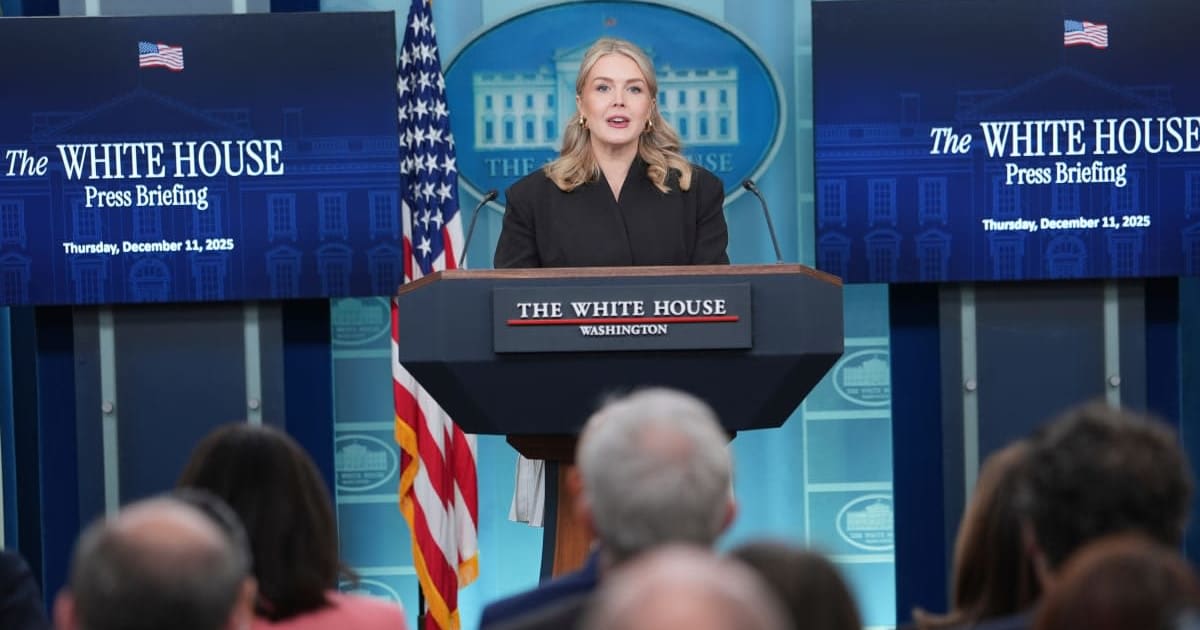
WASHINGTON, DC: As Karoline Leavitt prepares to step down as White House press secretary, a look back at the biggest controversies she faced from the briefing room, from the Signal chat scandal and Epstein files to Trump's Iran war, the economy, and her battles with the media.
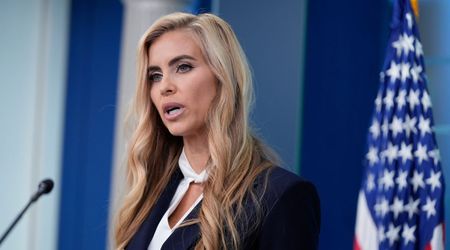
Karoline Leavitt's tenure as White House press secretary put her at the center of some of the Trump administration's biggest controversies.
Her approach to the job also made her a central figure in the administration's ongoing fight with the mainstream media, while she opened the briefing room to more independent and nontraditional journalists.

1. Signalgate and the Signal chat controversy
The Signal scandal became one of Leavitt's first major tests as press secretary, putting her in front of reporters as questions mounted over senior officials discussing sensitive military plans on an unsecured messaging app.
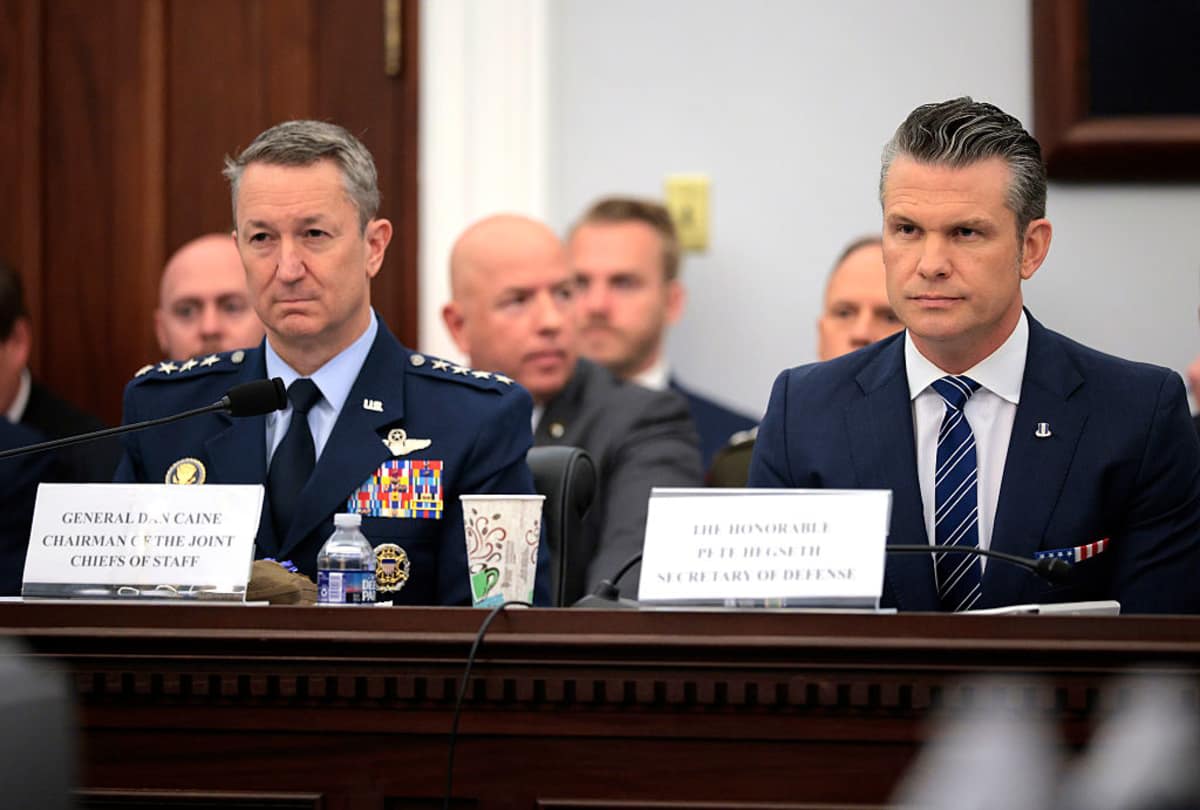
Rather than simply recounting what happened, the section should focus on how she handled the barrage of questions, defended the administration and tried to keep control of the briefing room as reporters pressed for answers.
The moment helped establish the style that would define Leavitt's tenure. She was willing to push back, challenge reporters and defend the administration even when the questions were coming from multiple directions.
2. Epstein files: When Trump's own supporters wanted answers
The Epstein controversy presented Leavitt with a different kind of challenge because the pressure was not coming only from Democrats or the mainstream media.
Trump supporters were also demanding greater transparency after the Justice Department concluded there was no evidence supporting claims of a secret "client list" or foul play in Epstein's death. Trump urged his supporters to move on and called the controversy the "Jeffrey Epstein Hoax."
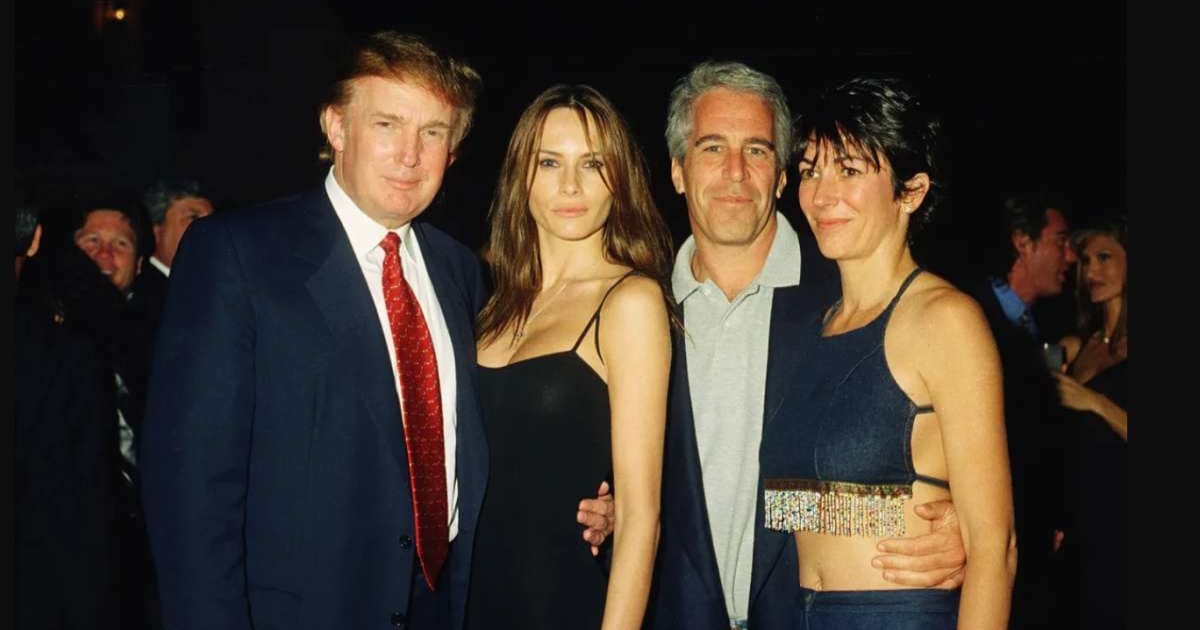
That left Leavitt repeatedly facing questions about Trump's position, what information had been reviewed and whether additional records would be released.
The issue also tested her relationship with the press. After The Wall Street Journal published a report about a letter bearing Trump's name that the newspaper said had been given to Epstein.
Trump called it fake and sued the paper. Leavitt later announced that The Wall Street Journal would be removed from the press pool covering Trump's trip to Scotland.
3. Karoline Leavitt takes on one of Trump's biggest foreign-policy tests
Trump's military campaign against Iran put Leavitt in one of the most difficult positions of her tenure.
She became one of the administration's main public voices defending the president's decision and explaining the White House's argument that the campaign was necessary to prevent Iran from rebuilding its nuclear capabilities.

The questions coming from reporters were relentless, covering the military objectives, civilian casualties and Trump's increasingly aggressive rhetoric.
At one April briefing, Leavitt was pressed over Trump's threat that an entire Iranian civilization could be destroyed.
4. Gaza: An early test of credibility at the podium
The Gaza foreign-aid controversy became one of the early moments that tested Leavitt's credibility as the administration's public messenger.
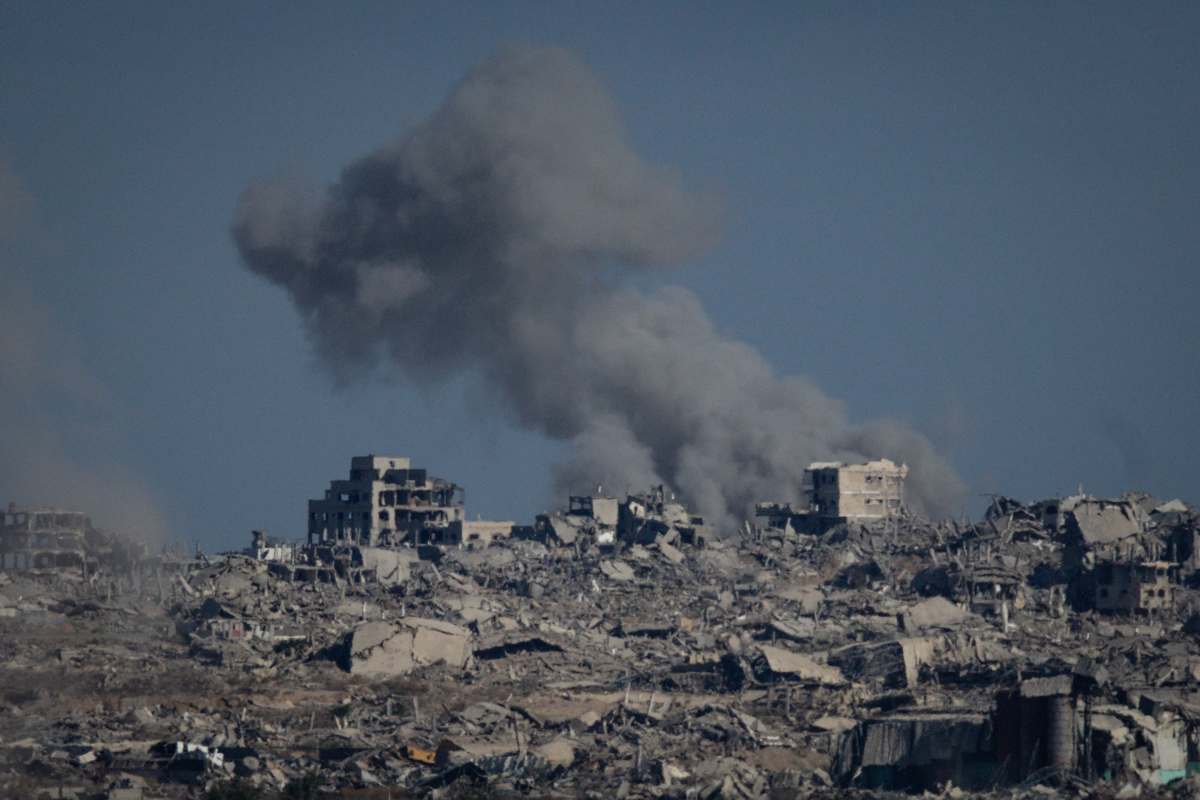
The episode was one of the early examples of the scrutiny Leavitt faced over statements made from the White House podium. She had to defend the administration's position while facing questions from reporters challenging the claim.
5. Defending Trump's promises under pressure
The economy became a recurring test of Leavitt's ability to sell and defend Trump's agenda.
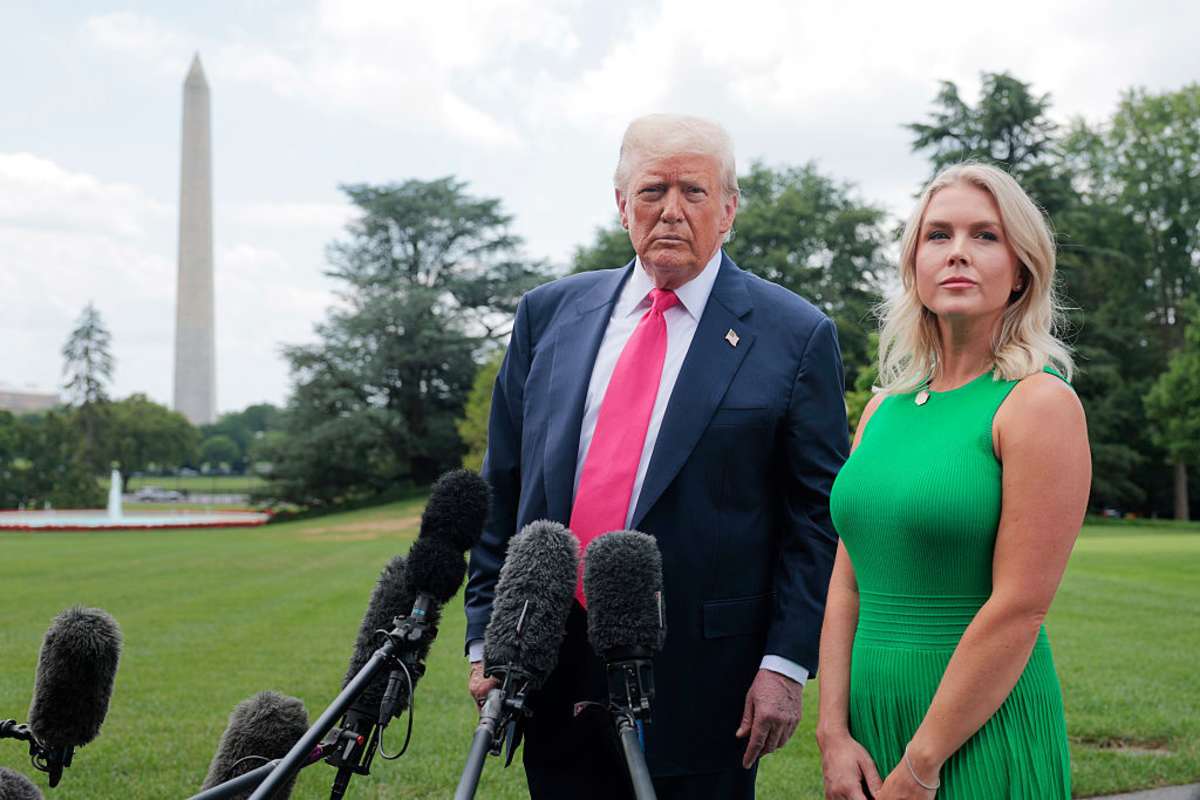
Inflation, prices, tariffs and the president's economic promises repeatedly brought reporters back to the same question: were Trump's policies delivering what the administration promised?
Leavitt had to present the White House's economic message while answering questions about what Americans were actually experiencing. Unlike a single controversy, the economy tested her repeatedly throughout her tenure.
6. Media wars and a new approach to briefing room
Leavitt's relationship with the mainstream press became one of the defining features of her tenure. She frequently pushed back against reporters and accused mainstream outlets of unfair or biased coverage of Trump.
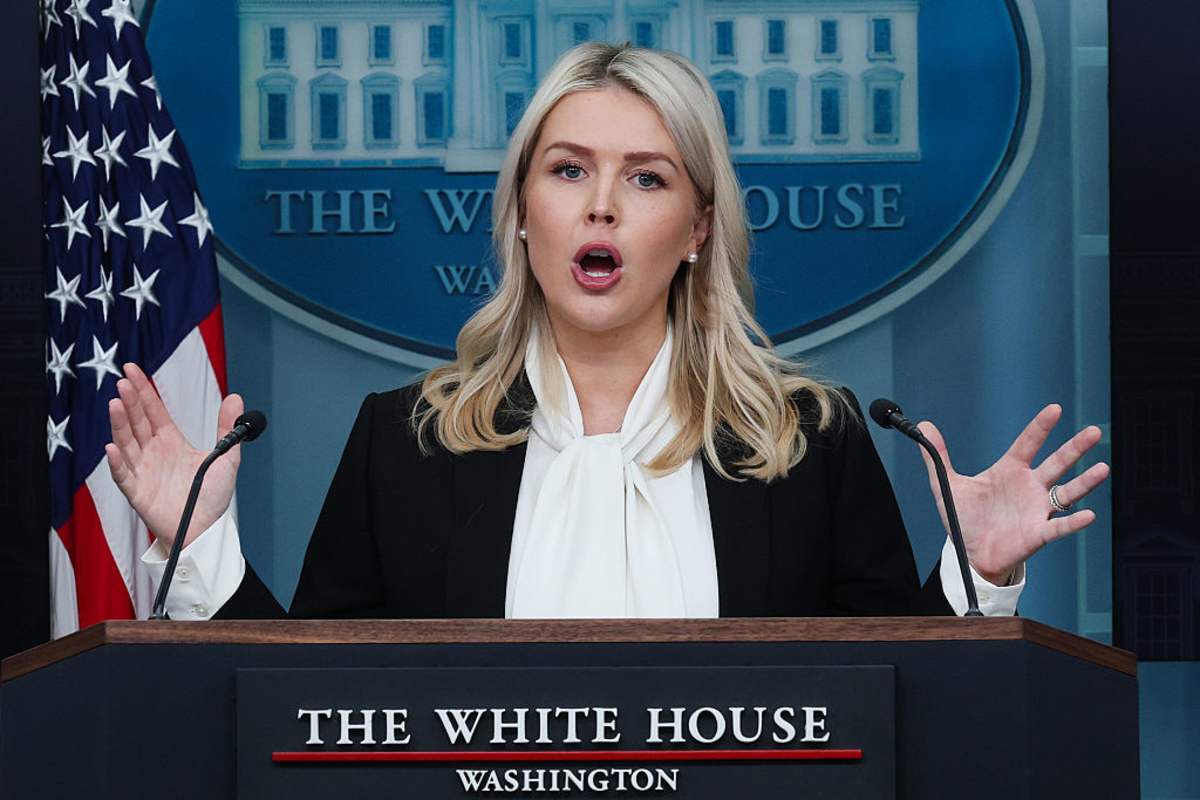
Her briefings often turned into tense exchanges, with Leavitt directly challenging questions and defending the administration's position. At the same time, she prioritized independent and nontraditional journalists, changing the mix of voices inside the briefing room.
Trump's most visible defender
Across the controversies, Leavitt's role went beyond delivering the administration's talking points.
She became one of Trump's most visible defenders, repeatedly appearing at the podium to explain and defend the president's policies, decisions and statements. Leavitt was often the person tasked with answering for the administration.
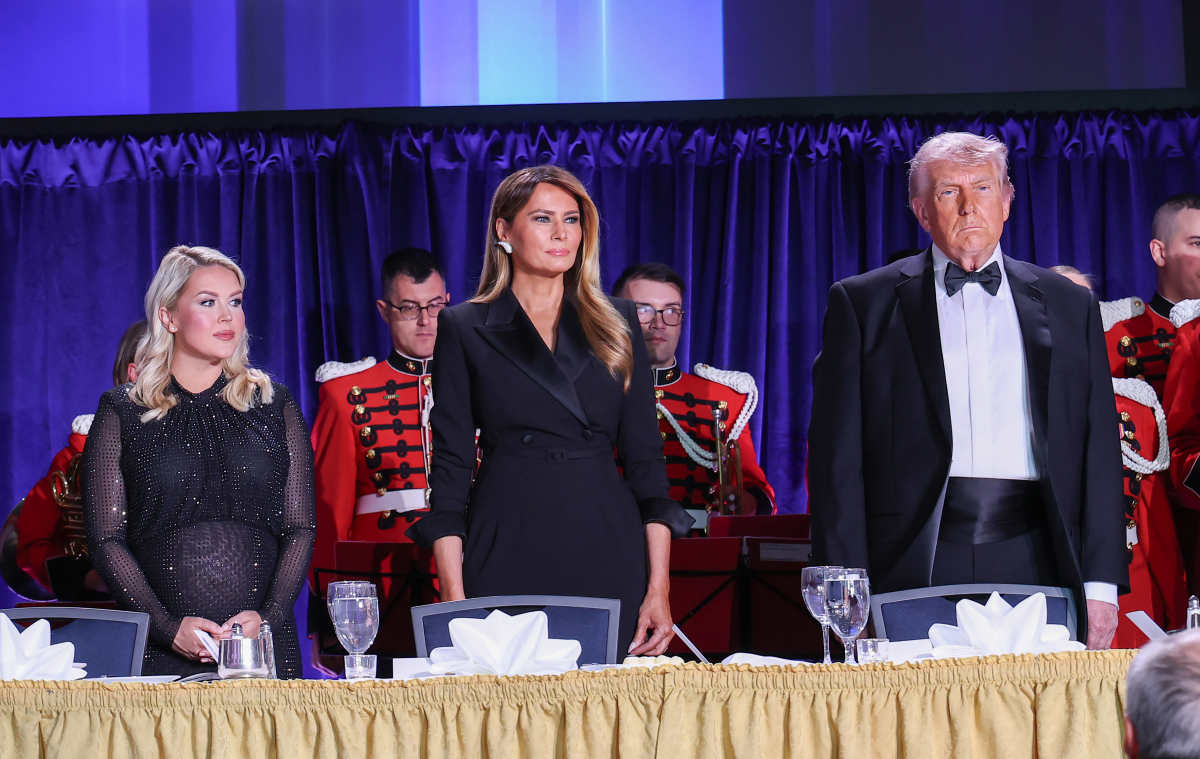
Her loyalty to Trump and her combative style became defining features of her tenure, with the president praising her performance as she became one of the most recognizable faces of his administration.