Gloria Steinem’s CIA ties resurface after feminist icon’s death at 92
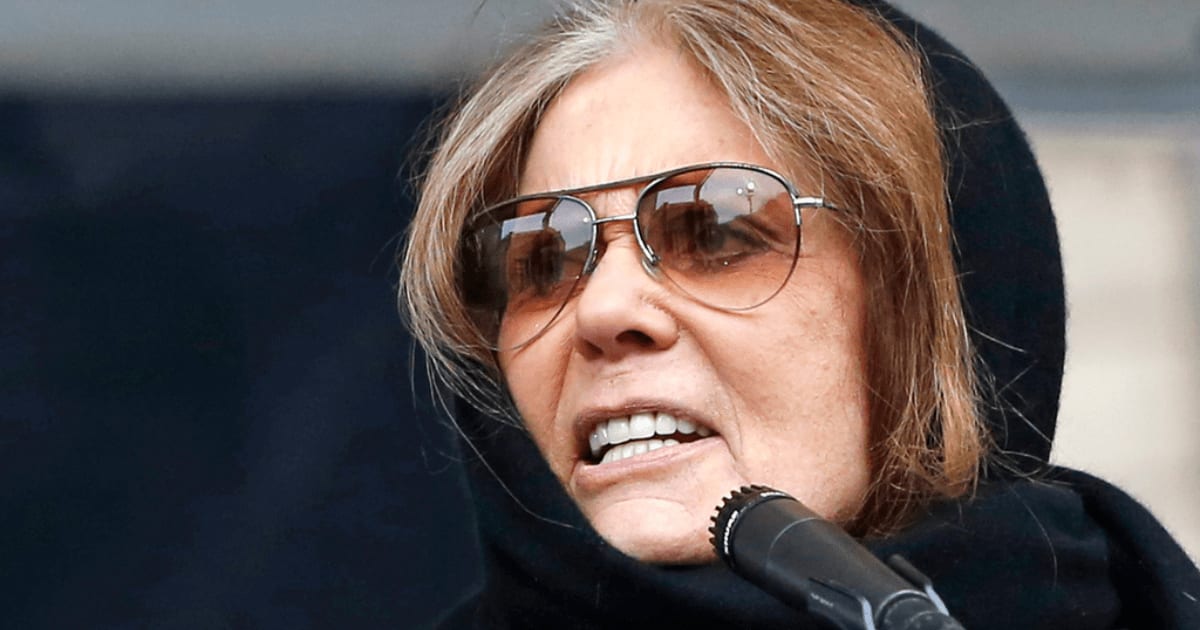
NEW YORK CITY, NEW YORK: Gloria Steinem’s long career as a feminist activist had a surprising chapter long before she became one of the most recognizable faces of the women’s liberation movement. The political activist, who died at 92 on Wednesday, September 2, had earlier worked with an organization secretly funded by the CIA.
Steinem’s connection to the agency dates back to the late 1950s, when she became involved in efforts to send young Americans to World Youth Festivals organized by communist states. Years later, she defended the decision and said criticism from fellow feminists over her CIA connection “hurt more than anything.”
The video below shows Steinem discussing her experience with the CIA.
"In my experience the CIA was completely different from its image: it was liberal, nonviolent and honorable." - Gloria Steinhem pic.twitter.com/o8Px0XkEtb
— COMBATE |🇵🇷 (@upholdreality) April 7, 2022
Gloria Steinem’s early political work led to CIA-linked funding
Steinem’s CIA connection does not simply mean she was a CIA spy or operative, a characterization that has remained disputed.
According to the account she gave The New York Times, she worked with the Independence Research Service, an organization that received CIA funding, from 1958 through 1962.
Her involvement began after she returned from two years in India, where she had studied from 1956 to 1958 on a scholarship funded by Chester Bowles, the longtime US ambassador to India under several presidents.
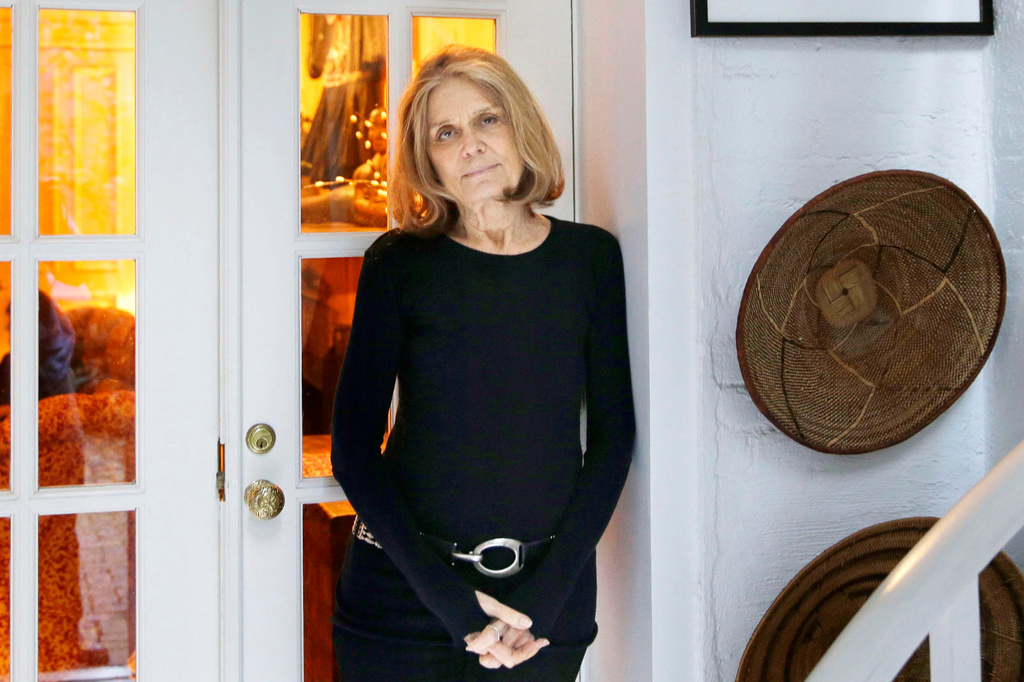
Inspired by Mahatma Gandhi and India’s early years of independence, Steinem said she wanted young Americans to have a presence at World Youth Festivals, which brought together young people from around the world.
“I came home in 1958 full of idealism and activism, to discover that very little was being done,” she told The Times in 1967.
She reached out to former officers of the National Student Association, who told her CIA money could potentially support the effort.
Gloria Steinem's CIA ties became public in 1967
Steinem began receiving CIA money ahead of the 1959 youth festival in Vienna, Austria.
The CIA helped her form the Independence Research Service, based in Cambridge, Massachusetts, and she remained an employee of the group through the 1962 festival in Helsinki, Finland.
When her connection became public in 1967, Steinem did not deny the relationship.
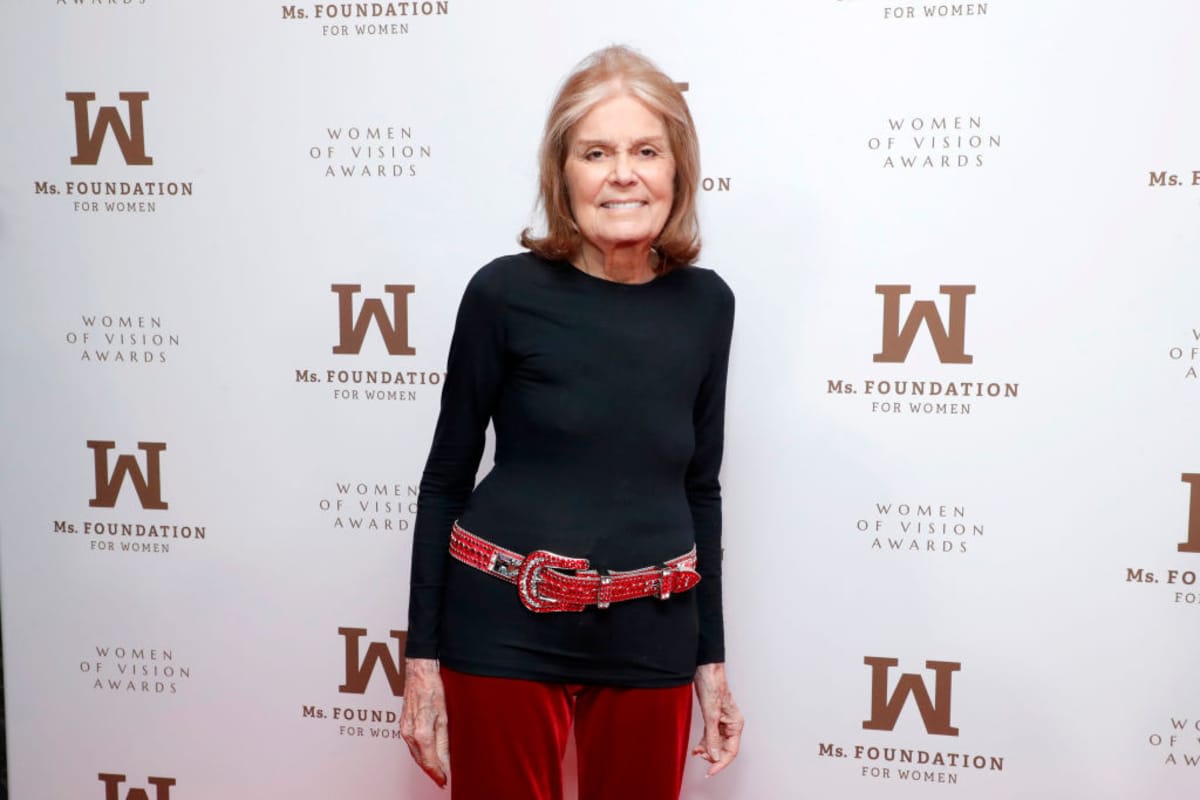
Instead, she explained that she believed she was helping Americans take part in the festivals and did not see the funding in the same way it was viewed later.
“I was never asked to report on other Americans or assess foreign nationals I had met,” she said.
She also said at the time, “Far from being shocked by this involvement, I was happy to find some liberals in government in those days who were far-sighted and cared enough to get Americans of all political views to the festival.”
Gloria Steinem’s CIA history complicated her political legacy
The CIA-linked funding left a lasting mark on Steinem’s legacy, though how it is viewed depends largely on whom you ask.
Critics, including radical feminists such as the Redstockings group, saw it as evidence that she was an establishment figure helping steer feminism away from more radical, anti-capitalist goals.
Some conspiracy theories still point to the episode as proof that mainstream feminism was government-engineered.

Her supporters saw it as pragmatism. During the Cold War, progressive student groups had few sources of private funding, and Steinem used the money to promote democratic ideas without changing her political beliefs.
The controversy did not derail her career, with her decades of activism and founding of Ms magazine becoming far more central to her public legacy.
Still, the CIA connection remains a complex footnote to her early political journey.
Gloria Steinem's defense of her CIA connection: 'If I had a choice, I would do it again'
The issue followed Steinem as her public profile grew and she became a leading figure in the second-wave feminist movement.
By 2016, decades after the original controversy, Steinem was still defending her decision.
Speaking to The Times, she pushed back against the idea that the CIA label alone explained what happened.
“It’s so interesting now, because the initials CIA will make people believe anything,” she said. “It just wasn’t like that. It just was so uncontrolled.”
Steinem also recalled saying that if the money had come from a family source, she would have viewed the situation differently: “If this was our grandmother’s money we’d be doing the same thing.”
She acknowledged that criticism from other feminists had been especially painful.
Yet her position did not change. In her 2015 book 'My Life on the Road', Steinem wrote that “if I had a choice, I would do it again.”