'He admitted it’: Prosecutors urge judge to send Tyler Robinson to trial in Charlie Kirk murder
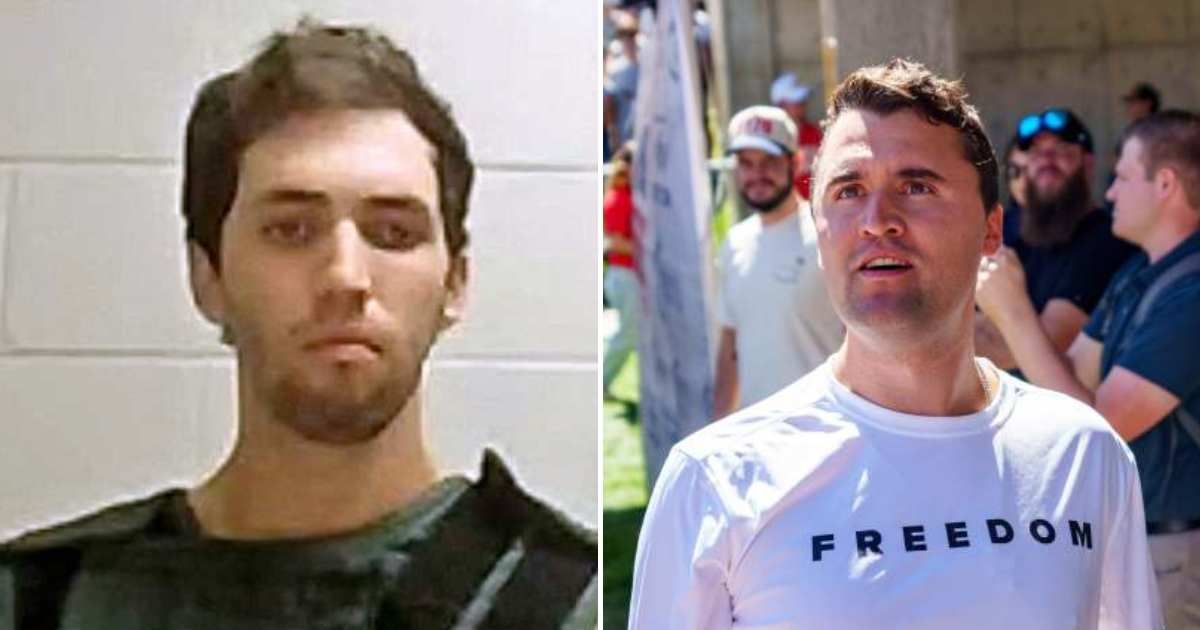
PROVO, UTAH: Prosecutors have asked a Utah judge to send Tyler Robinson to trial in the killing of conservative activist Charlie Kirk, arguing that the evidence against him is so strong the court should have little difficulty finding probable cause.
In a written brief filed on Tuesday, July 28, following a five-day preliminary hearing held earlier this month, prosecutors laid out what they described as overwhelming evidence, including alleged confessions, DNA testing, surveillance footage, and eyewitness testimony.
The filing is the first of three written briefs ordered by Judge Tony Graf before he decides whether Robinson should stand trial on aggravated murder and six additional charges.
🚨🚨🚨Prosecutors very bluntly urge Utah Judge Tony Graf Jr. to send Tyler Robinson’s case to trial:
— Michael Ruiz (@mikerreports) July 29, 2026
“This is likely as straight-forward a bindover decision as this Court will ever see. After admitting to several friends, including his roommate and romantic partner, that he… pic.twitter.com/NV7fHK5vmW
Prosecutors cite Tyler Robinson's alleged admissions
In the 28-page memorandum, prosecutors argued that Robinson's alleged admissions alone establish probable cause for many of the charges against him.
"This is likely as straight-forward a bindover decision as this Court will ever see," prosecutors wrote.
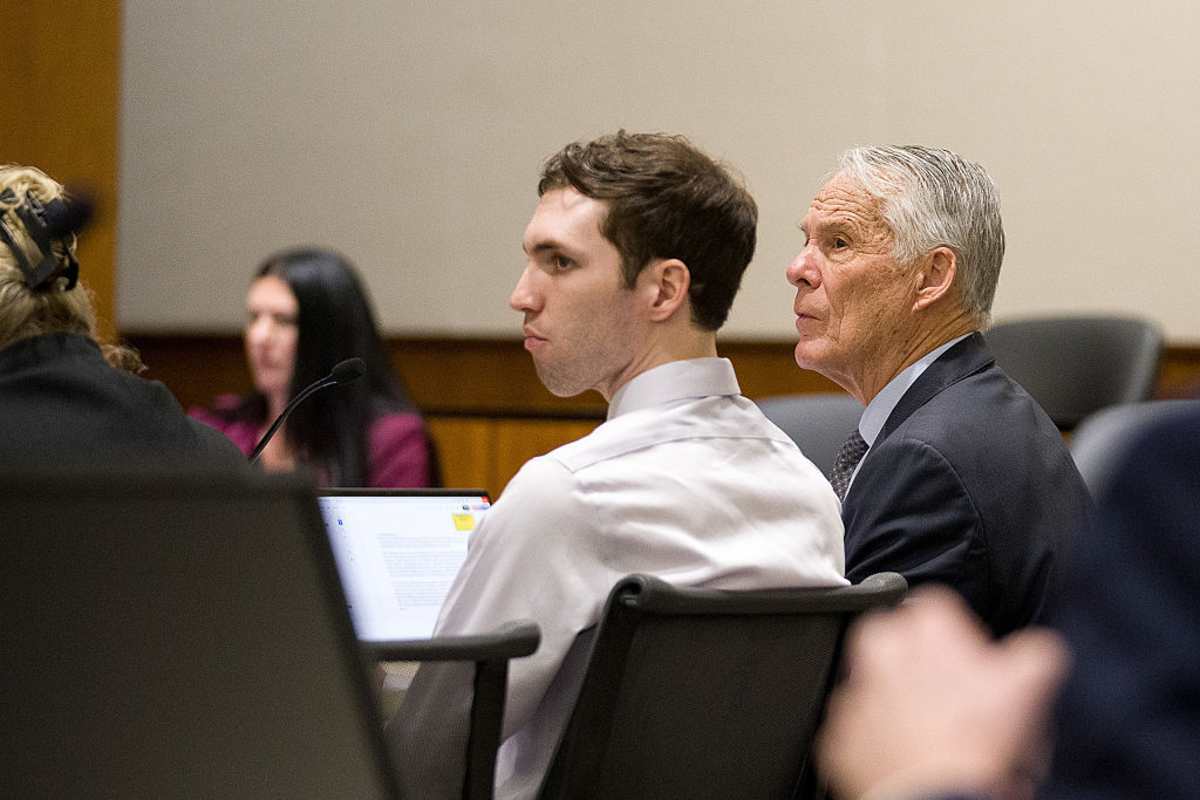
They argued that Robinson "admitted" to several people, including his former roommate and romantic partner, that he assassinated Charlie Kirk during an event at Utah Valley University on September 10, 2025, before later surrendering to law enforcement.
According to the filing, Robinson allegedly sent a message to Lance Twiggs that read, "I had the opportunity to take out Charlie Kirk, and I took it."
Prosecutors further alleged that Robinson admitted he had been planning the assassination for "a bit over a week," discussed trying to recover the rifle used in the shooting, and later wrote, "I'm going to turn myself in willingly."
The filing argues that these statements are a major part of the case, but not the only evidence supporting the charges. "These admissions, along with others, establish probable cause to support most of the elements of the charges," prosecutors wrote.
DNA evidence links Tyler Robinson to shooting
Beyond the alleged confessions, prosecutors pointed to forensic and physical evidence introduced during the preliminary hearing.
According to the memorandum, DNA testing connected Robinson to the suspected murder weapon, while investigators also recovered DNA from a fired cartridge casing, a towel, and a screwdriver.
The filing also highlights surveillance footage that investigators say tracked Robinson across Utah Valley University before and after the shooting.
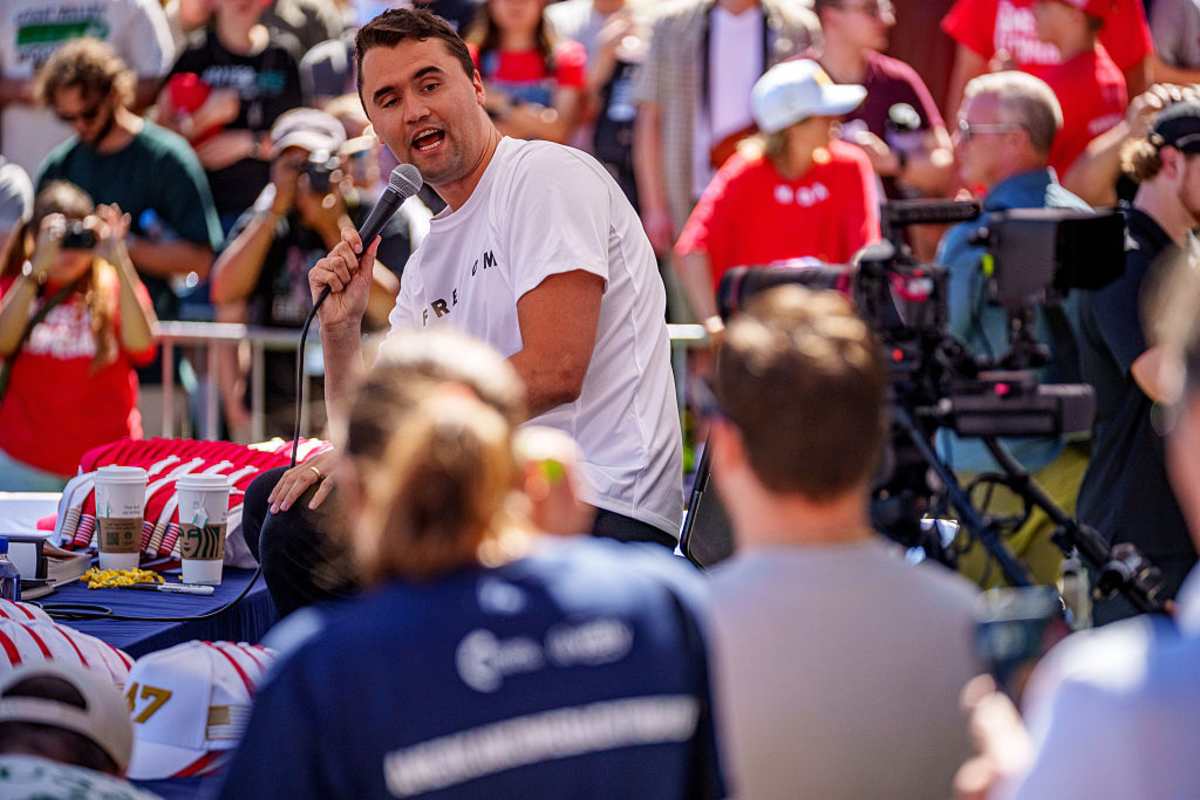
Prosecutors also cited eyewitness testimony placing the alleged gunman on a rooftop overlooking Kirk's event.
"DNA testing, surveillance video, and eyewitness testimony buttress those elements and demonstrate probable cause to support the remaining elements. The Court should bind Defendant for trial over on all counts," prosecutors wrote.
Prosecutors also argued that Robinson knowingly endangered the large crowd gathered for Kirk's appearance by allegedly firing a high-powered rifle into an event attended by approximately 3,000 people.
Judge to rule on Tyler Robinson trial
Judge Tony Graf did not immediately rule after the five-day preliminary hearing earlier this month. Instead, he ordered both sides to submit written arguments before making a decision.
The defense is expected to file its written response in the coming weeks, after which prosecutors will have one final opportunity to reply before oral arguments scheduled for September 1.
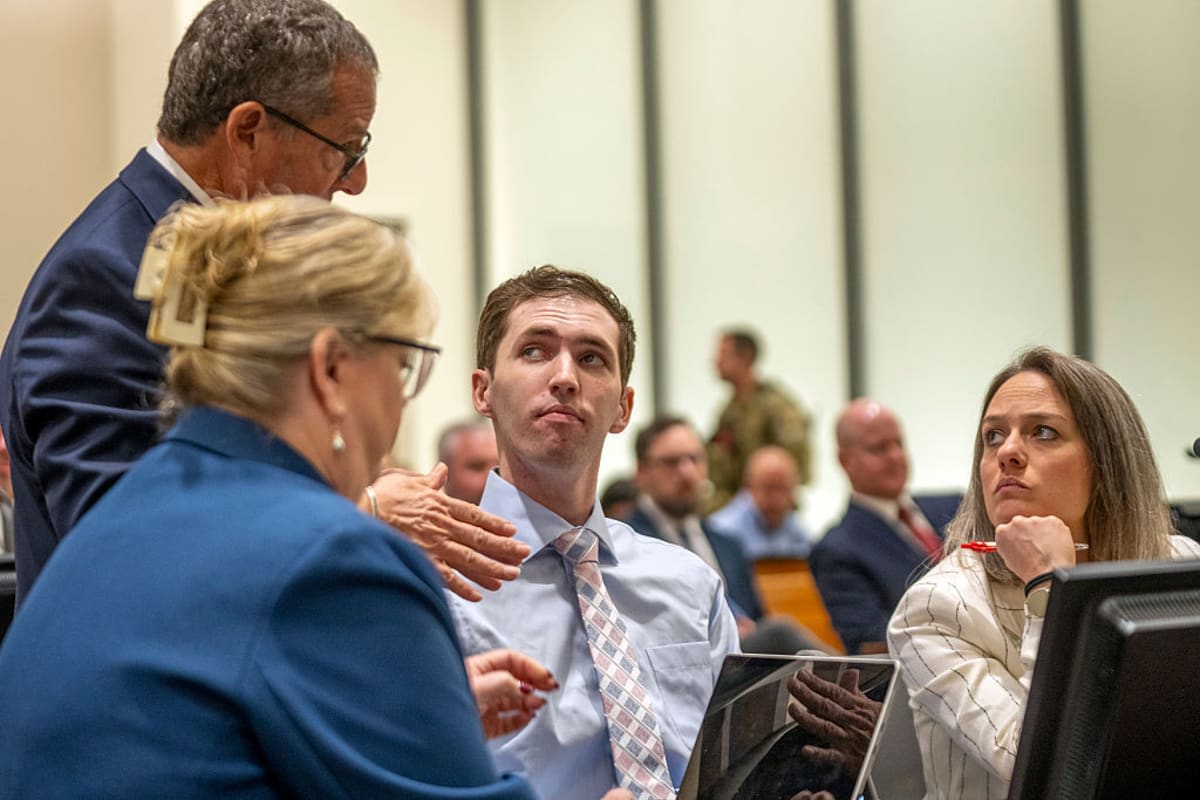
Robinson, 23, has not yet entered a plea. He faces one count of aggravated murder, along with six additional felony and misdemeanor charges stemming from Kirk's killing.
If Judge Graf determines prosecutors have met Utah's probable-cause standard, Robinson will be bound over for trial on all counts.
Prosecutors are also seeking the death penalty on the aggravated murder charge, making the judge's upcoming decision a significant step in one of the state's most closely watched criminal cases.