One year after Charlie Kirk's killing, why could Tyler Robinson's trial still be months or years away?
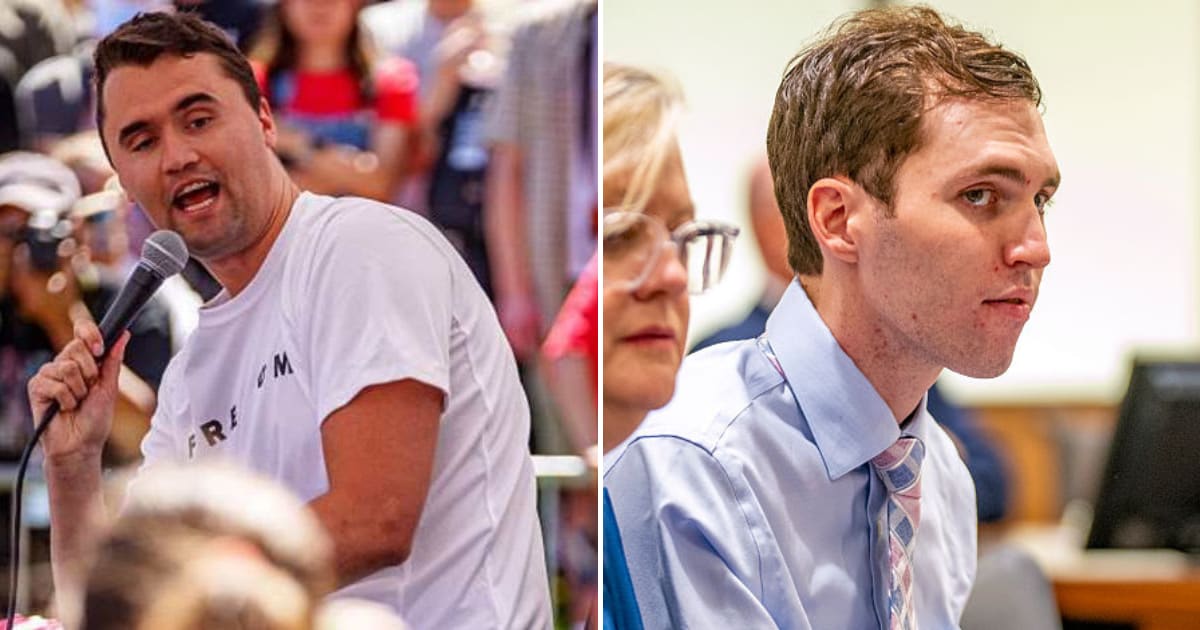
PROVO, UTAH: A year after Charlie Kirk's killing, the evidence is on the record, the charges are in place, and yet the courtroom is still waiting for a jury.
Suspect Tyler Robinson has now crossed the biggest legal threshold in the case: a Utah judge has ruled that prosecutors presented enough evidence for him to stand trial for aggravated killing and six other charges.
Robinson pleaded not guilty on September 1, nearly a year after Kirk was fatally shot at Utah Valley University.
Yet the decision did not put Robinson before a jury.
There is still no trial date, with the next major hearing set for October 23, when the court is expected to discuss scheduling.
The prosecution says it has an overwhelming case built around significant evidence.
The defense, meanwhile, has attacked aspects of the forensic evidence, disputed the prosecution's interpretation of Robinson's alleged motive and argued that the circumstances do not justify a death-penalty case.
This article examines why Robinson’s trial remains pending, the death-penalty fight, the prosecution’s evidence and what could happen next.
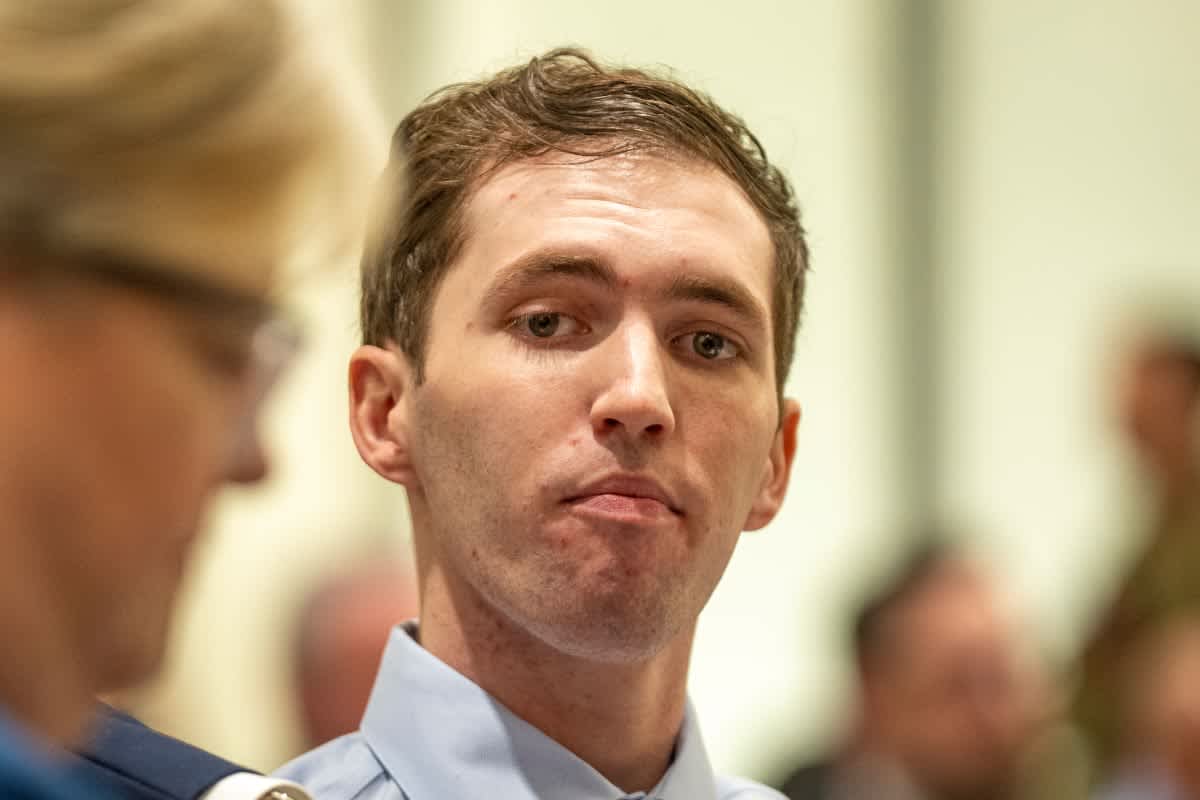
Why has the Tyler Robinson trial not started after a year
The simplest answer is that September 1 was not the start of Robinson's trial. It was the end of the preliminary stage that determines whether the case can proceed.
The five-day preliminary hearing in July was essentially a test of whether prosecutors had enough evidence to establish probable cause.
It was not a trial where a jury decided whether Robinson was guilty beyond a reasonable doubt. That distinction is crucial.
During the hearing, prosecutors laid out a detailed reconstruction of the day Kirk was killed.
Investigators testified about surveillance footage that they said tracked Robinson around Utah Valley University, including his alleged movements toward the rooftop and his subsequent escape.
The court also heard evidence about a bolt-action rifle recovered from a wooded area near campus, wrapped in a towel.
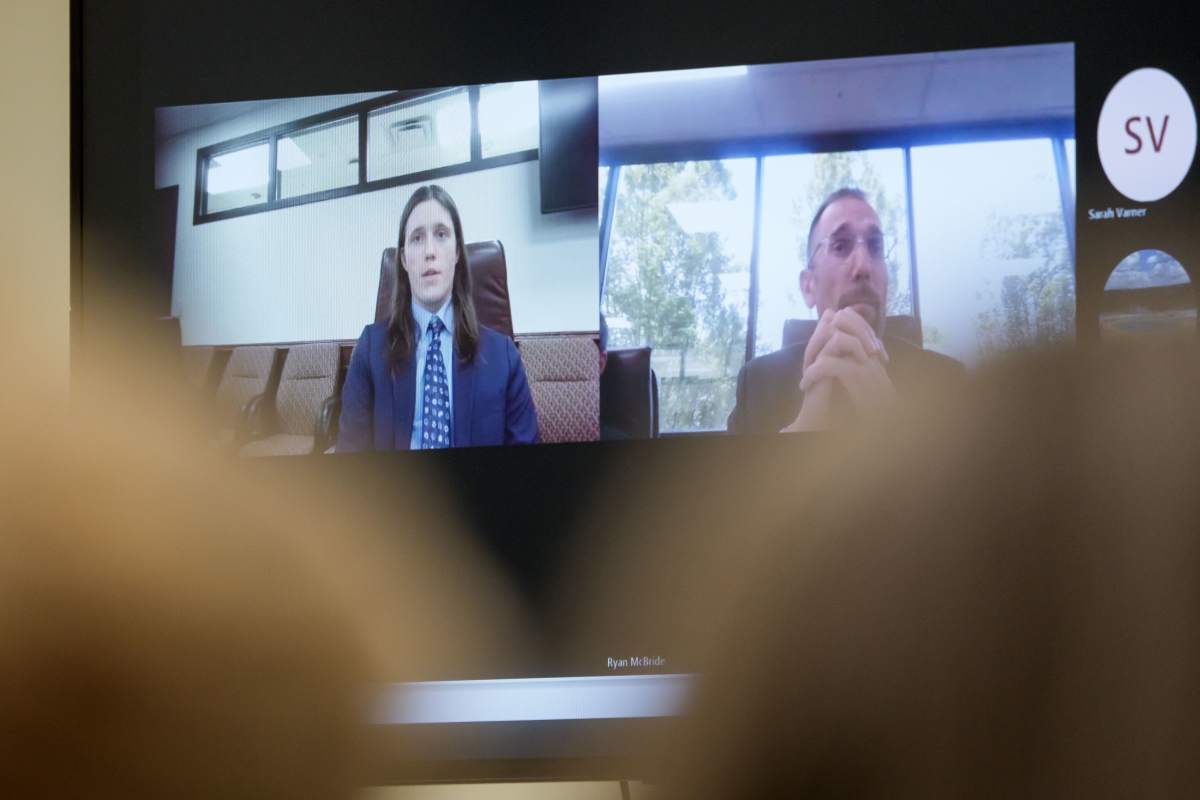
Prosecutors presented forensic testimony concerning DNA found on items connected to the investigation.
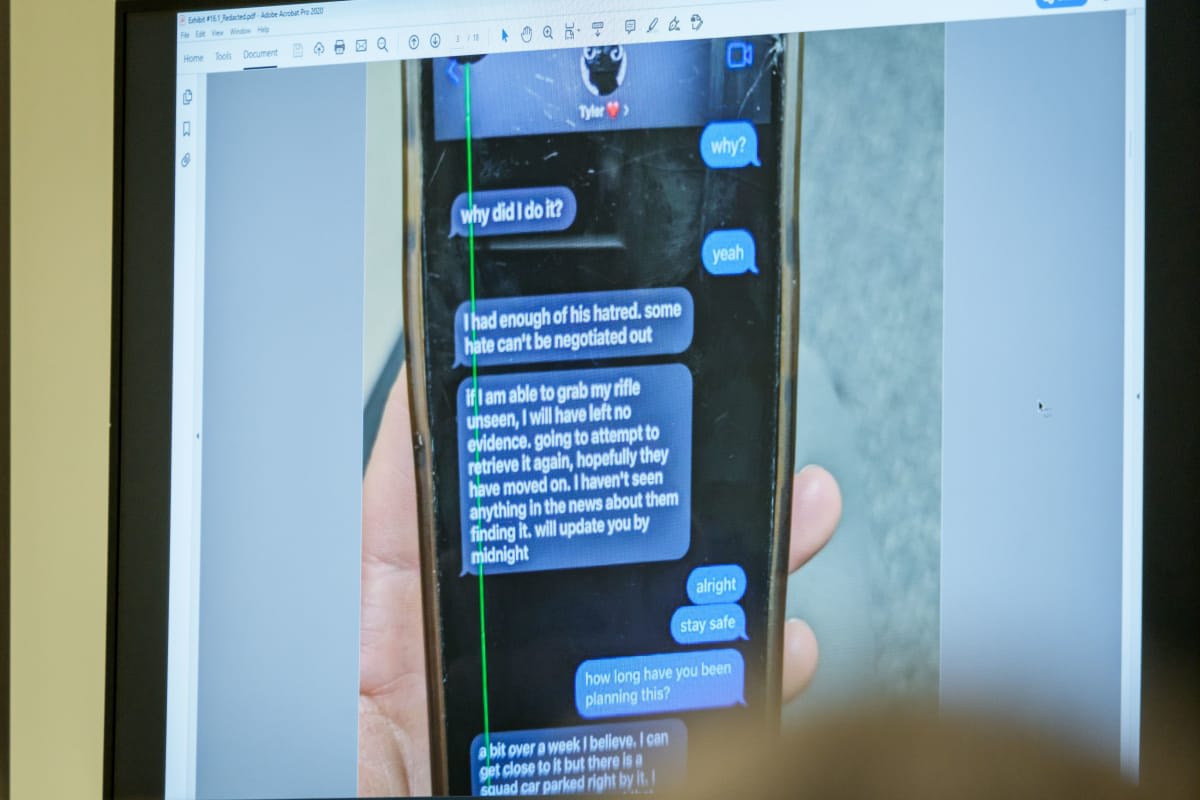
Then there were the alleged admissions.
Prosecutors presented a recorded interview with Robinson's former roommate and romantic partner, Lance Twiggs, who said Robinson acknowledged to him that the account he had previously discussed was true.
Tyler Robinson’s roommate Lance Twiggs claims Robinson never talked about Charlie Kirk or LGBTQ rights — but did discuss President Trump and current political issues.
— Overton (@overton_news) July 9, 2026
QUESTION: “How about Charlie Kirk, did he ever talk about Charlie Kirk?”
TWIGGS: “I personally had never heard… pic.twitter.com/ppWz52Lc0Q
Twiggs also described Robinson becoming emotional and saying he wished he had not done it.
The judge ultimately ruled that the evidence cleared the probable-cause threshold. But that decision opened the next phase rather than ending the legal process.
Robinson's attorneys have already indicated there are still numerous procedural steps before an actual trial.
The court must work through pretrial motions, evidentiary disputes, jury issues, and the complicated questions surrounding a possible capital case.
That is why a year can pass in a case without a single juror hearing opening arguments.
Could the death penalty dispute delay Robinson's trial
Yes. The death penalty could make an already complicated case considerably more complicated.
Utah prosecutors are seeking to prosecute Robinson for aggravated killing, the state's charge for killing that can carry the death penalty.
Their argument centers partly on where and how the fatal shot was allegedly fired.
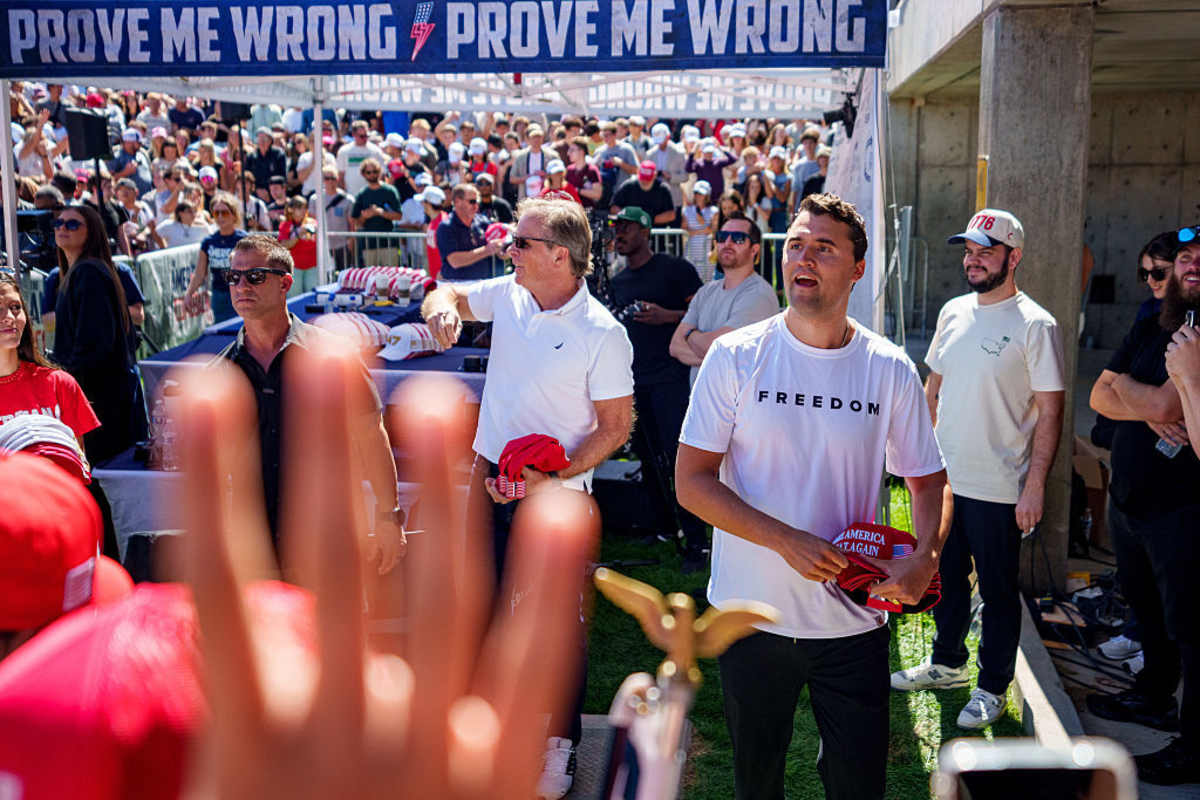
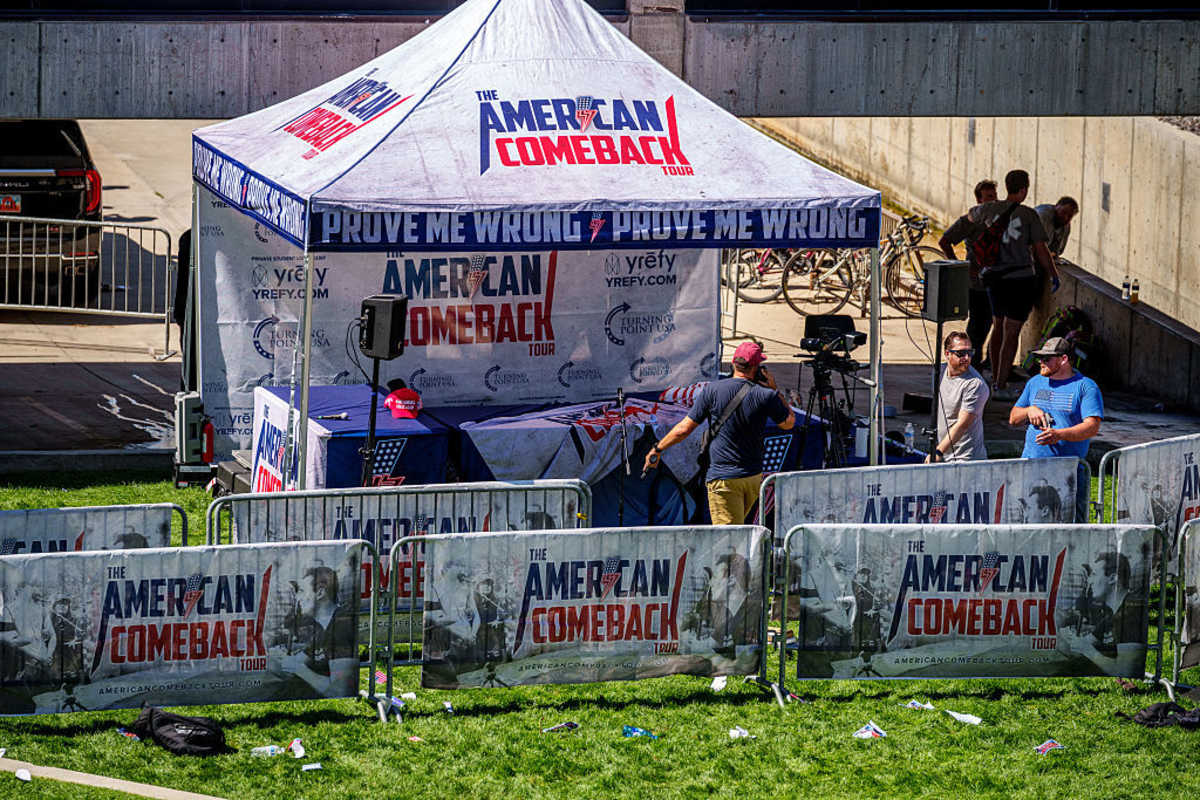
Prosecutors say Robinson fired from more than 400 feet away into an area containing more than 3,000 people.
They argue that the shot did not merely put Kirk at risk but created a great risk of death to other people in the crowd, including members of Kirk's security detail.
Robinson's lawyers, however, have stressed that there was one fatal shot and one victim.
Judge Tony Graf rejected that argument at the preliminary stage and allowed the aggravated-killing charge to proceed. But that does not mean the death-penalty issue has disappeared.
A capital case can involve additional litigation over aggravating circumstances, jury selection and sentencing.
The attorneys must also prepare for the possibility of a sentencing phase if there is a conviction.
And if Robinson were ultimately sentenced to death, the case could continue through appeals for years.
So the death penalty could affect the case in two ways: it could add complexity before the trial, and it could dramatically extend the case after a verdict.
What is the biggest obstacle in the Charlie Kirk killing case
The biggest challenge is how much litigation must be completed before a jury can actually be selected.
The defense is expected to continue challenging evidence and legal theories presented by prosecutors.
The DNA evidence is one example.
Prosecutors presented testimony that DNA recovered from items including a towel and screwdriver strongly supported Robinson and Twiggs as contributors.
But defense attorneys questioned the reliability and methodology of the testing, pressing an FBI forensic examiner on the possibility of error in collecting and analyzing evidence.
The case also has an enormous publicity problem.
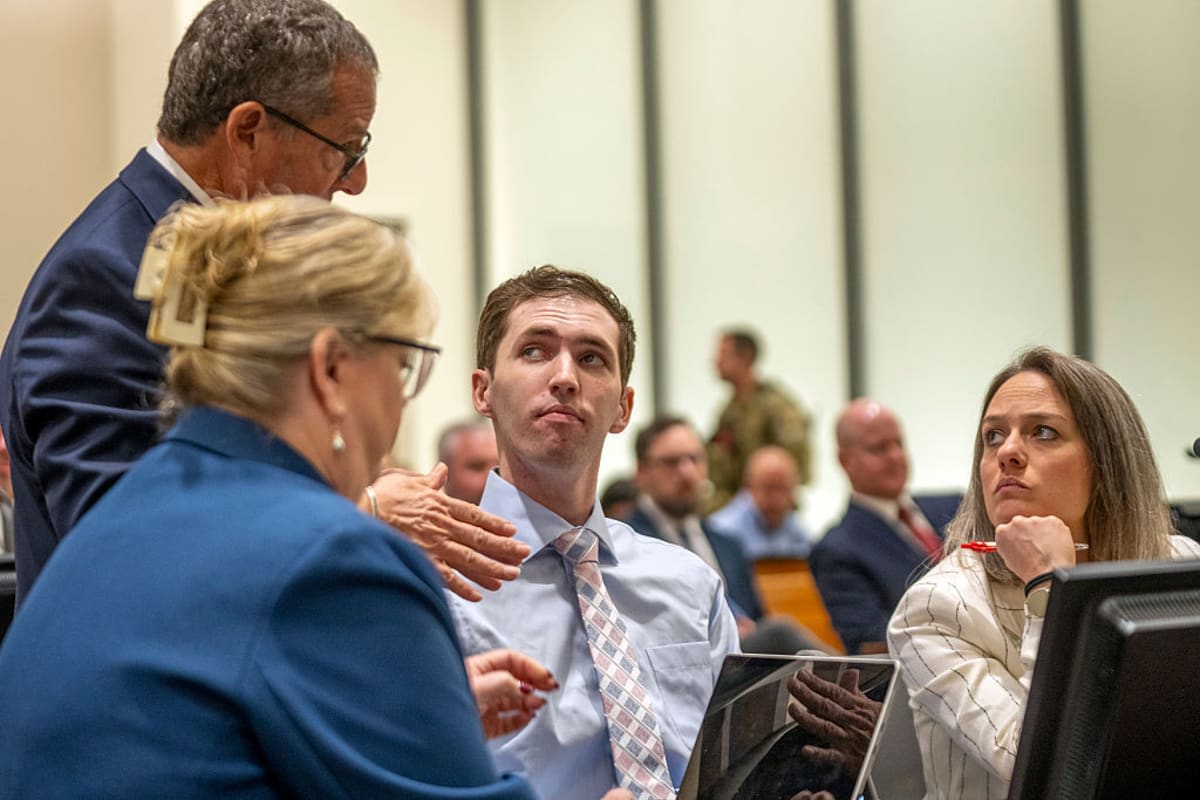
Charlie Kirk's killing became a national story, and the evidence revealed during the preliminary hearing has already received extensive coverage.
The defense has previously raised concerns about the potential impact of evidence and publicity on prospective jurors.
That could make jury selection particularly demanding.
The court will need people capable of deciding the case based on evidence presented at trial rather than everything they have already seen, heard or read about the Charlie Kirk assassination.
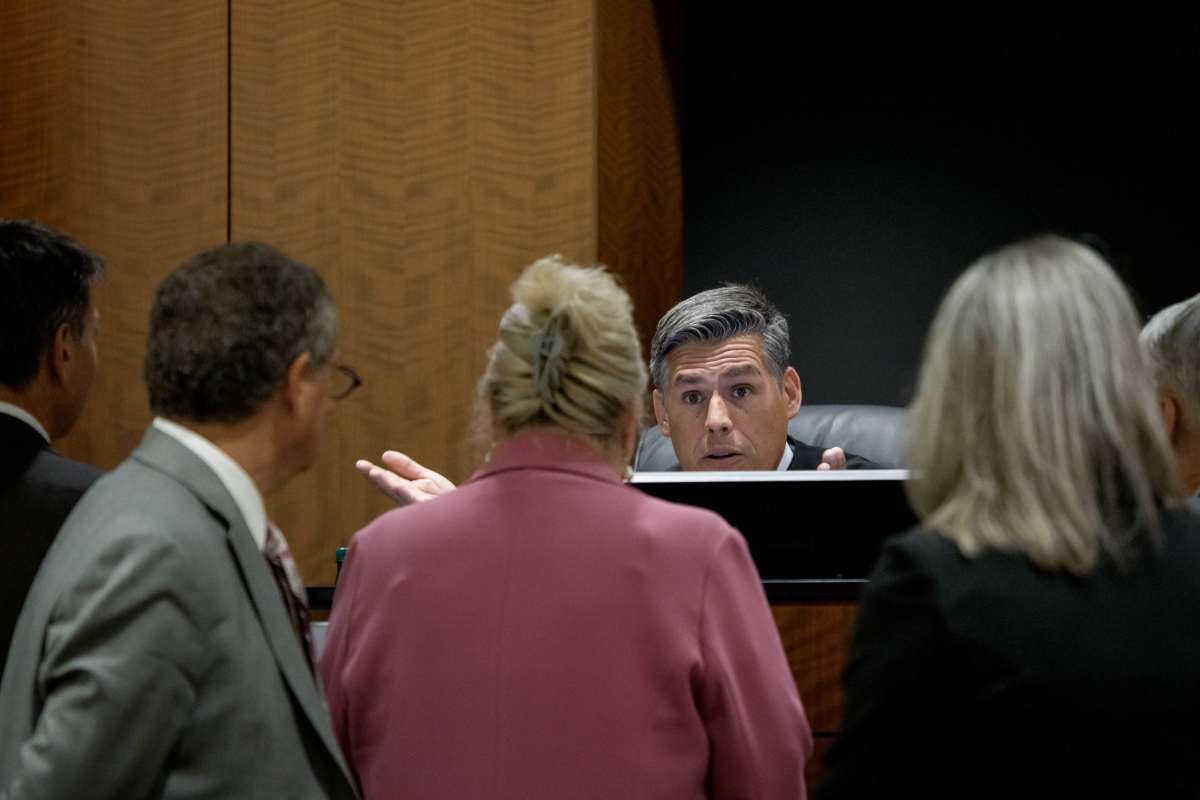
Is the prosecution's case against Tyler Robinson as strong as it appears
The prosecution has built a case with several independent strands of evidence. But that does not mean a conviction is guaranteed.
The state's case is not resting on one witness or one forensic test.
Prosecutors have surveillance footage, a suspected rifle, DNA evidence, digital communications, a handwritten note, and Twiggs' account of an alleged admission.
The surveillance evidence could be especially important because prosecutors say it places Robinson's movements around the university in a sequence that leads toward the rooftop and then away from the scene.
The evidence involving Twiggs adds another potentially significant layer.
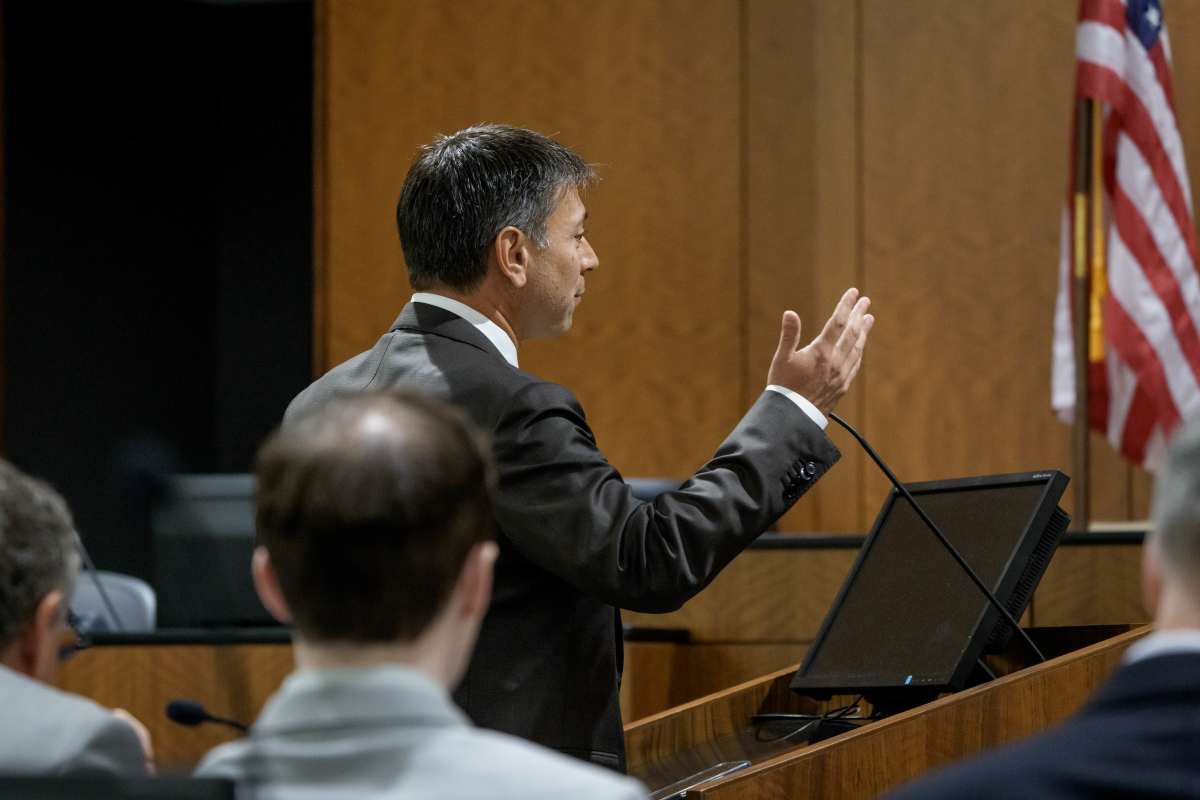
According to the recorded interview played in court, Twiggs said Robinson acknowledged responsibility when confronted about what had happened.
But the defense does not have to prove Robinson is innocent at trial.
It only has to create reasonable doubt about the prosecution's case. That makes the weaknesses and qualifications in the evidence important.
For example, defense attorneys have attacked the DNA analysis and questioned how investigators handled evidence.
And while prosecutors presented forensic evidence connecting Robinson to items associated with the suspected weapon, the defense can challenge what that connection actually proves about the shooting itself.
The distinction is fundamental: Evidence that places a defendant in contact with an object is not automatically proof beyond a reasonable doubt that he committed the crime.
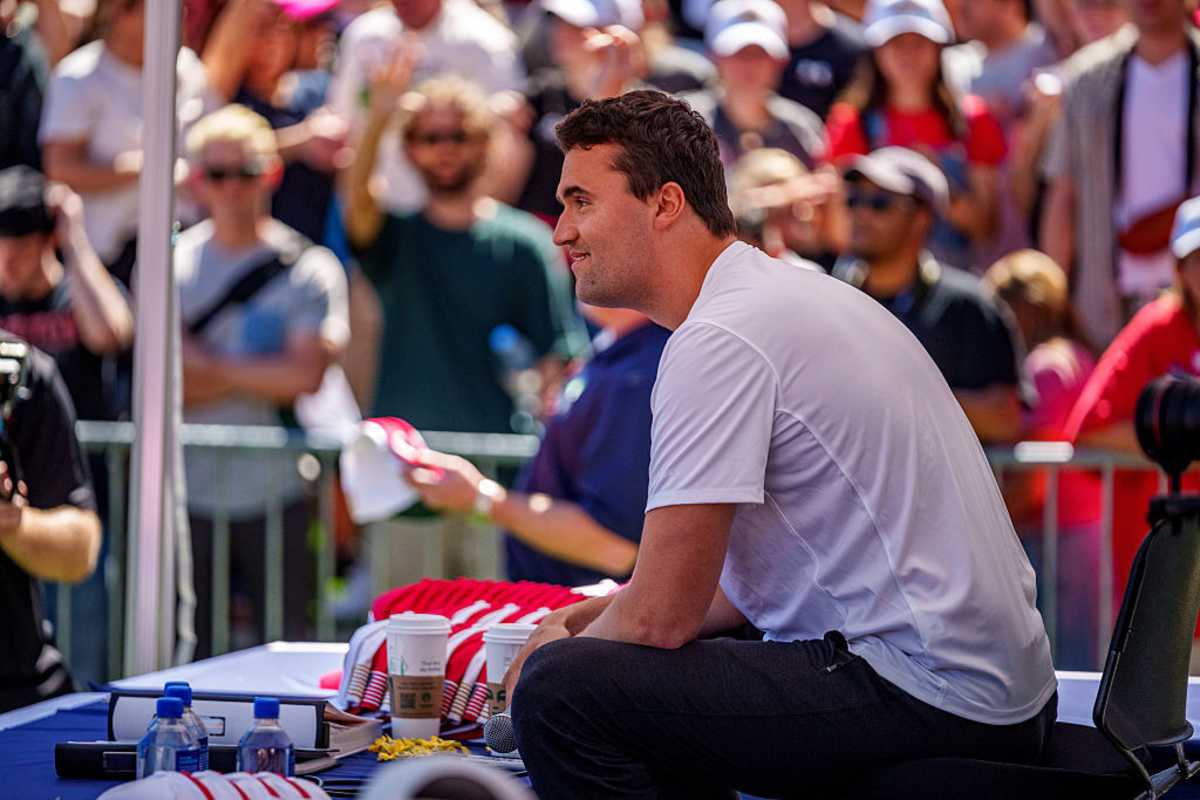
Could a plea deal end the Charlie Kirk case
Yes. A plea agreement could potentially end the case before a jury ever hears it.
The most obvious issue for negotiation would be the death penalty.
A defendant facing capital charges could potentially agree to plead guilty in exchange for prosecutors taking execution off the table and accepting another punishment, potentially life imprisonment.
That would transform the case overnight.
There would be no lengthy public presentation of the surveillance footage. No jury would have to weigh the DNA evidence. Twiggs would not necessarily have to testify before a jury. And there would be no jury verdict determining whether Robinson was guilty.
But there is currently no announced plea agreement.
When could Kirk's family finally get a verdict
The next major checkpoint is October 23, 2026, when Judge Graf is expected to address the trial schedule.
Kirk's family has already pushed for the case to move forward without unnecessary delay, while Robinson's attorneys have indicated that substantial procedural work remains.
If those issues are resolved relatively quickly, a trial in 2027 is plausible. But there is no guarantee that the case will reach a jury that year.
The death-penalty litigation, pretrial motions, evidence challenges, and jury-selection process could all push the timeline further.
And even when a verdict eventually arrives, the legal story may not be over.
A conviction followed by a death sentence would almost certainly trigger years of appeals and further court proceedings.
For now, the Charlie Kirk case has reached an important dividing line.
The question is no longer whether Tyler Robinson will face a trial.
The question is when and how much more of the legal fight will happen before a jury finally hears the case.