TPUSA reveals how Charlie Kirk’s death reshaped young conservative movement one year later

WASHINGTON, DC: Charlie Kirk’s assassination triggered an extraordinary rush of interest in Turning Point USA, with more than 120,000 inquiries reaching out in the weeks that followed seeking to launch new high school and college chapters, according to the conservative organization.
Fox News also reported the surge at the time, citing TPUSA spokesman Andrew Kolvet, who said inquiries had climbed from roughly 60,000 before Kirk’s memorial to more than 120,000 afterward.
One year later, an anniversary briefing supplied to MEAWW News by TPUSA indicates that the initial surge was followed by substantial growth across its student network.
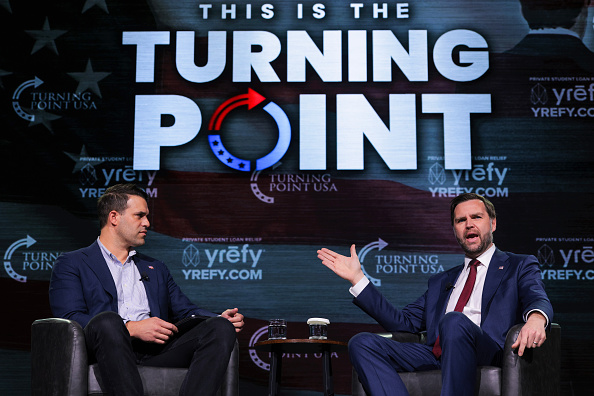
The organization now reports 3,500 Club America high-school clubs, up 180% from the previous school year, and 1,500 college chapters, up 64%, serving more than one million students.
TPUSA’s student network expanded sharply after Kirk’s death
The latest figures provide the clearest measure yet of what happened after the extraordinary wave of interest that followed Kirk’s September 10, 2025 assassination at Utah Valley University.
TPUSA says its high-school network has grown to 3,500 Club America clubs, a 180% increase from the previous school year, while its college network has reached 1,500 chapters, up 64%.
More than one million students are now involved across the organization’s programs, according to the anniversary briefing.
There are signs that the growth has extended beyond simply adding chapters. TPUSA says more than 2,500 people attended its 2026 Chapter Leadership Summit, twice the attendance recorded in 2024. More significantly for measuring the post-assassination response, the organization says more than two-thirds of those attendees became involved with TPUSA after Kirk’s death.
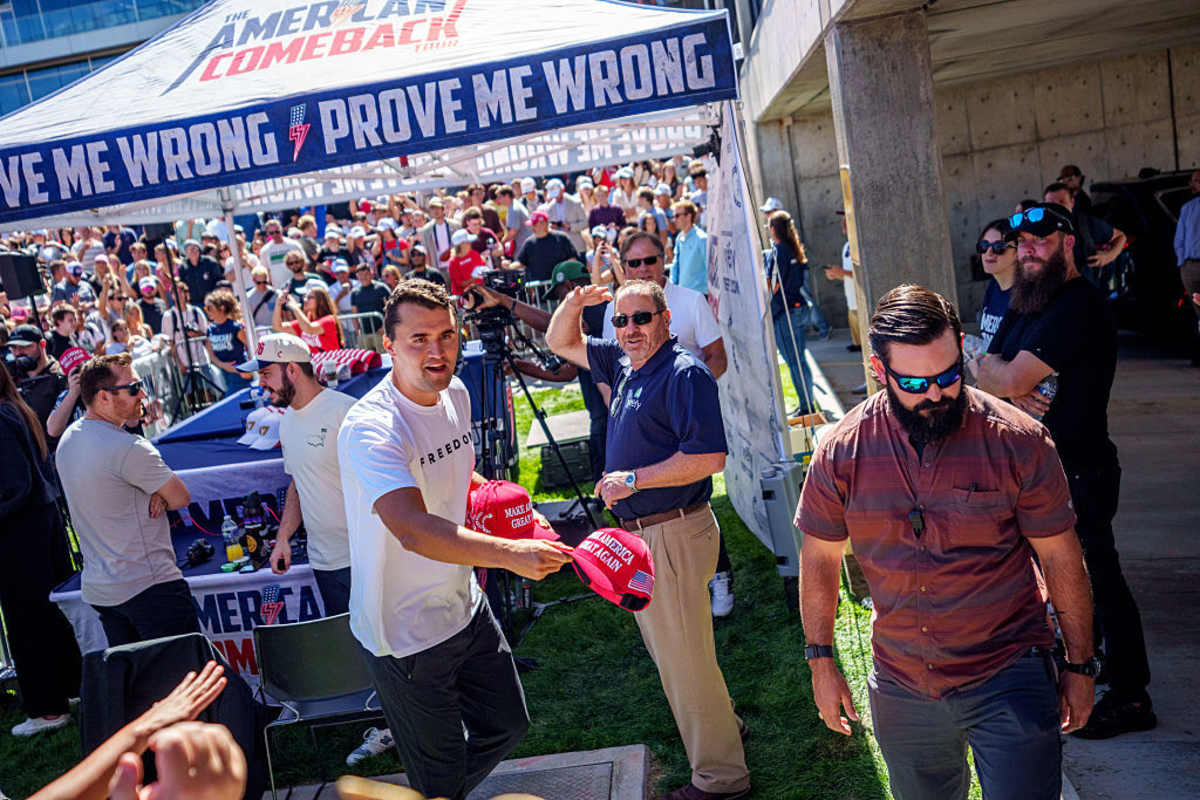
Those figures represent a substantial change from the organization Kirk left behind. Shortly after his death, TPUSA operated about 900 official college chapters and approximately 1,200 high-school chapters.
TPUSA has not, however, disclosed how many of the more than 120,000 initial inquiries ultimately became active chapters, meaning the figure cannot be treated as 120,000 new organizations or even 120,000 new members.
But the growth in functioning chapters, student participation and leadership-summit attendance shows that the response did not simply disappear after the initial shock of Kirk’s death. Instead, at least part of that unprecedented interest appears to have developed into a larger organizational footprint one year later.
Charlie Kirk’s assassination mobilized a new group of young conservatives
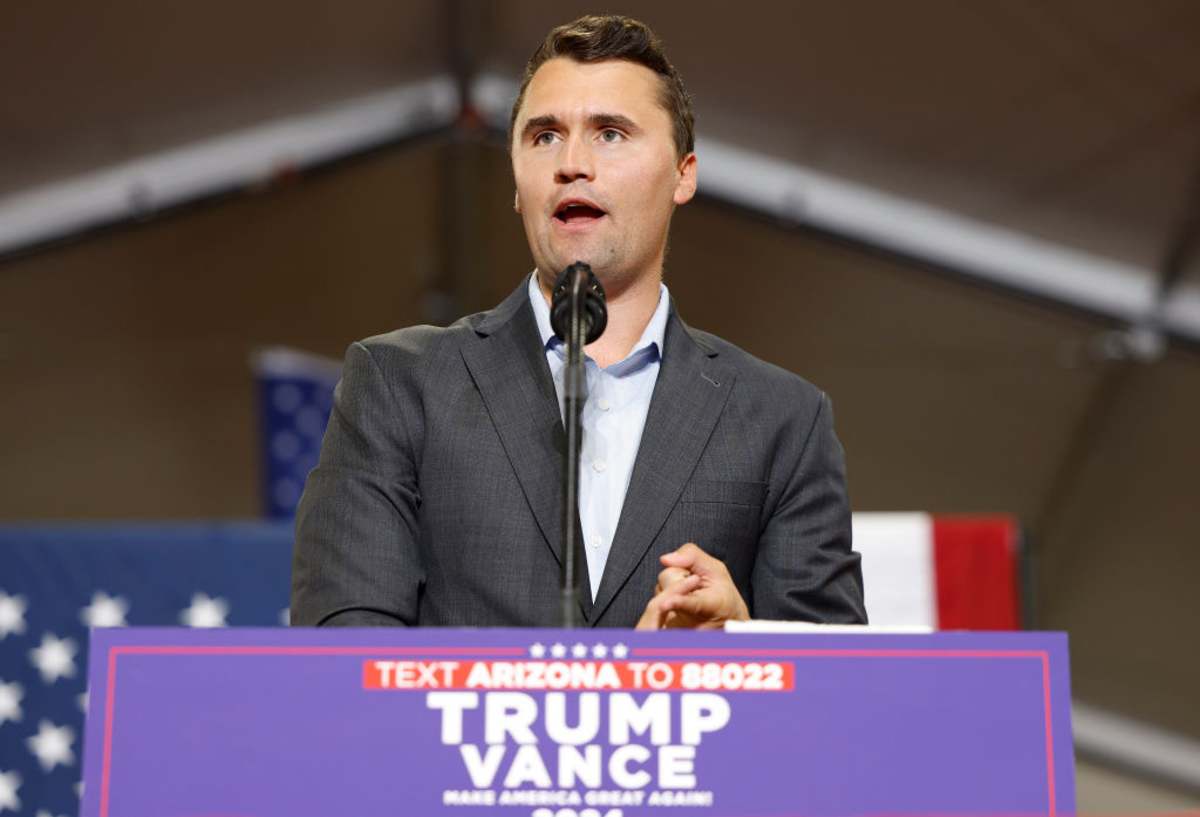
Behind those numbers are students who say Kirk’s killing changed their willingness to become politically active.
The more than 120,000 chapter inquiries represented the most visible early sign. TPUSA’s current website continues to cite the figure, saying students reached out in the weeks after Kirk’s death seeking to launch high-school and college chapters.
The organization’s anniversary briefing goes further, claiming that Kirk’s death inspired young people to “participate, organize, lead” and continue his work. It says more than two-thirds of attendees at its 2026 Chapter Leadership Summit became involved after his death.
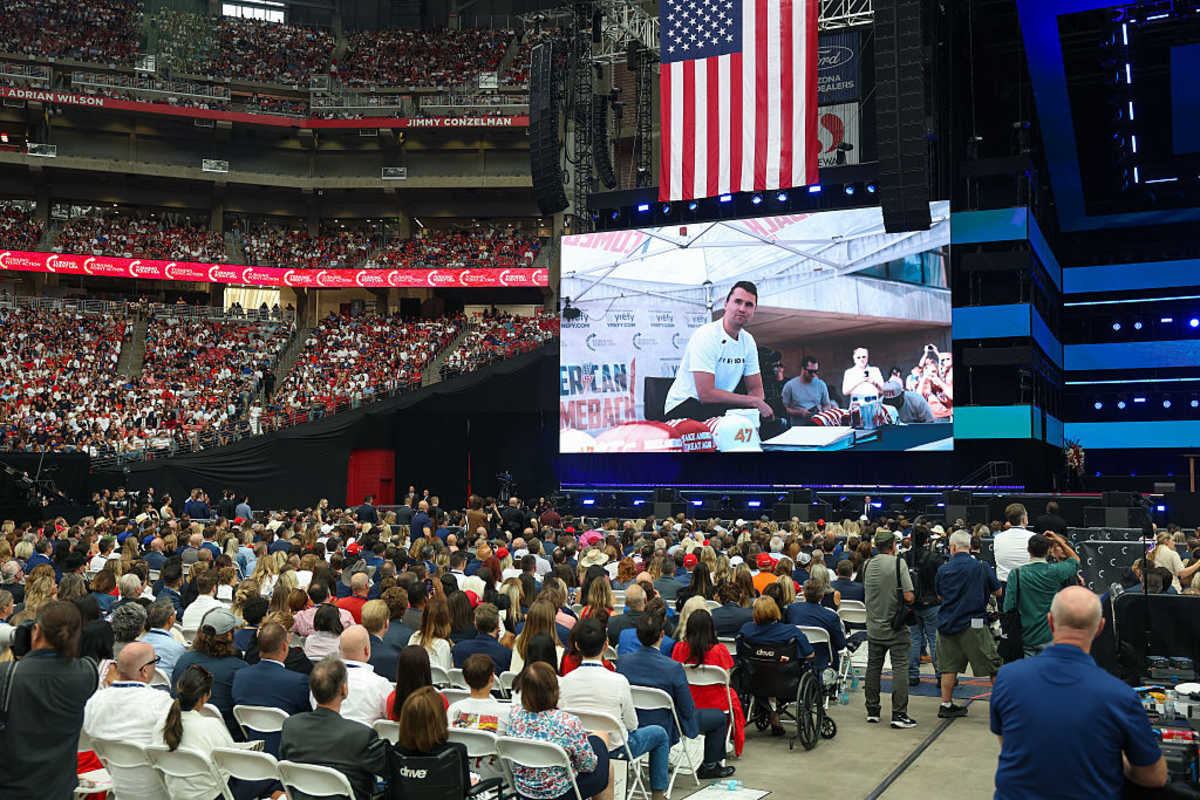
Independent reporting provides examples of what that mobilization looked like at individual colleges.
At Shasta College in California, senior Raymond Randolph had long followed Kirk and considered himself conservative but had hesitated to speak openly about politics on campus. That changed after the assassination, according to CalMatters.
“God was calling me up to the plate,” Randolph told the outlet. The day after Kirk was killed, he contacted Turning Point about establishing a chapter at his college in Redding.
“It drove a lot of people like me to get up and do something,” Randolph said.
His experience illustrates an aspect of the post-Kirk growth that chapter totals alone cannot capture; some students who already held conservative beliefs said the assassination pushed them to express those views more publicly. CalMatters reported that conservative students described emerging Turning Point chapters as helping them break out of their shells, with one student describing them as a “safe space.”
A different example emerged at Fort Lewis College in Colorado, where senior Jonah Flynn led an effort to establish a TPUSA chapter following Kirk’s assassination.
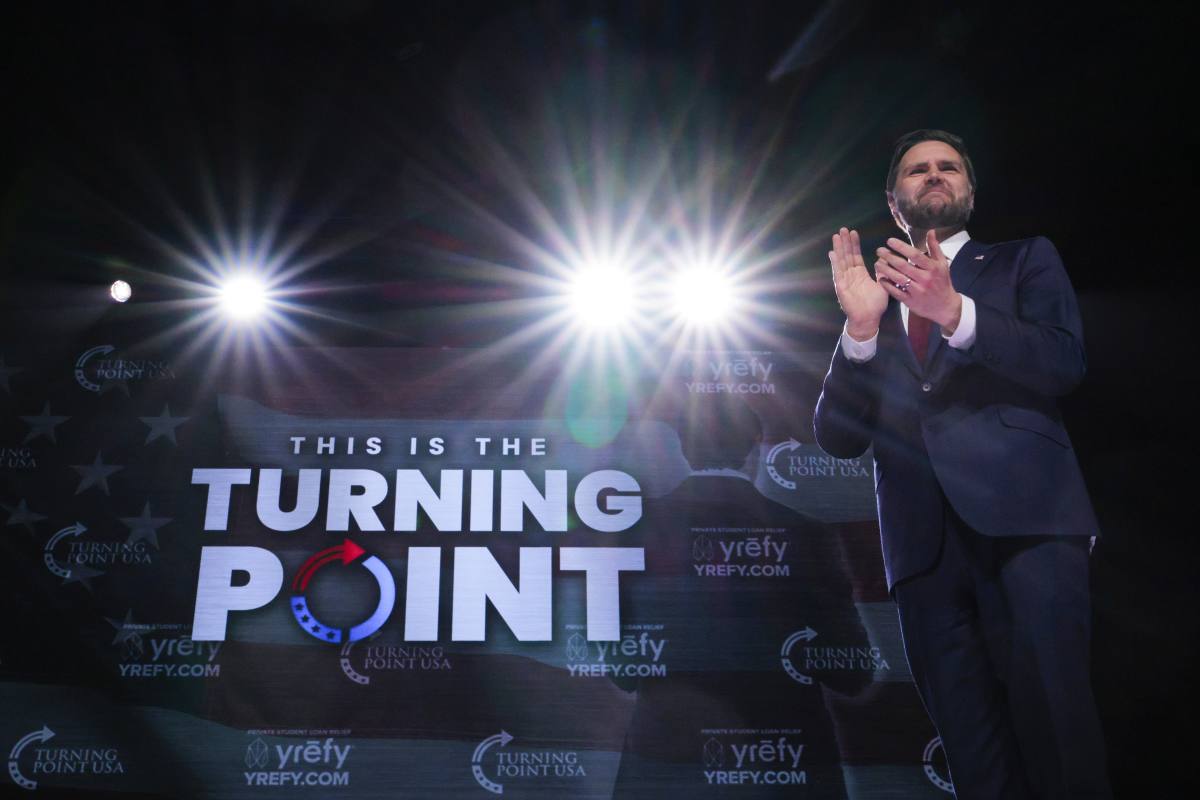
The Durango Herald and The Journal reported that Flynn explicitly said he wanted to bring the organization to campus in response to Kirk’s killing. The proposal initially met fierce opposition and was rejected by the student government before being approved during an emergency meeting days later.
“We just want to keep the conversation going in order to shun hate and violence,” Flynn told The Durango Herald after the reversal, adding that the chapter would “carry the torch forward for Charlie.”
The individual accounts are reinforced by a broader finding. CalMatters reported in May that TPUSA told the outlet it had 1,462 active college chapters nationally as of March 2026 and that more than 70% of them had been established after Kirk’s assassination. In California, 78 of its 119 active college chapters had been founded after his death.
While the evidence does not show that every new member joined because of Kirk’s death, it supports TPUSA’s claim that his death became a powerful mobilizing event for young conservatives.
Erika Kirk carried forward her husband’s expansion plans
The surge also created an immediate leadership challenge: whether Turning Point could sustain the momentum without the man who had built the organization around his own political profile.
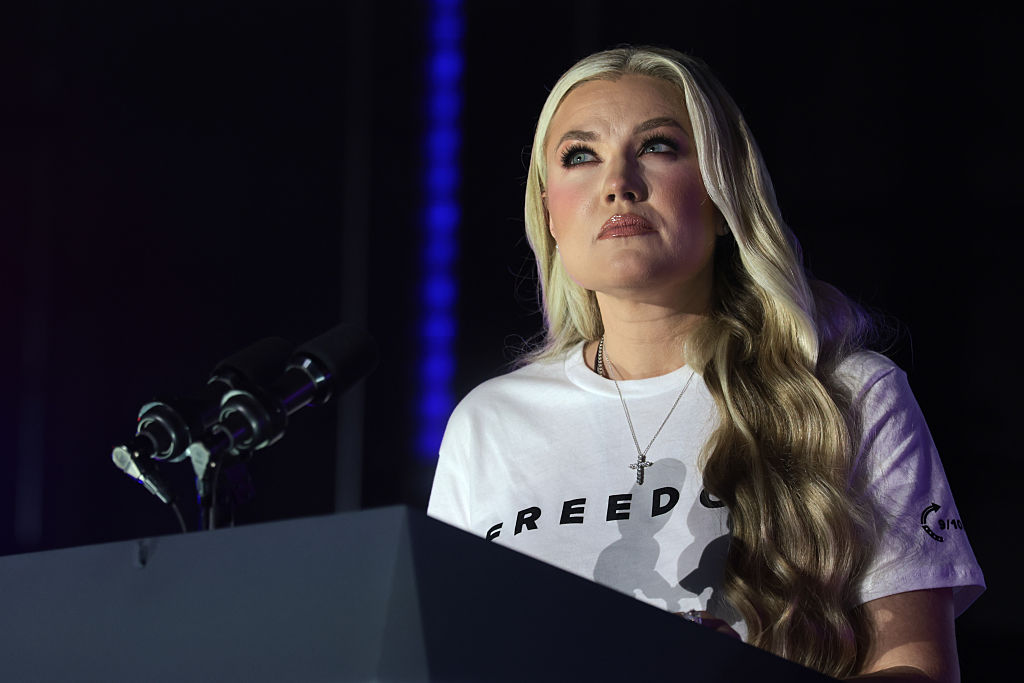
Eight days after Kirk was killed, TPUSA's board unanimously selected his widow, Erika Kirk, as its new CEO and board chair. The organization said Charlie had previously told multiple executives that he wanted Erika to take over if he died. TPUSA's current leadership page identifies her as CEO and chair.
At her husband’s memorial days later, Erika publicly pledged that his movement would continue growing, including its campus chapters, and vowed to make what TPUSA had built “10 times greater.”
For all the things that divide us, grief is a universal language and a defining part of the human experience. At some point, every one of us will love someone we have to say an earthly goodbye to.
— Erika Kirk (@MrsErikaKirk) September 7, 2026
I am still learning how to walk through each day carrying the grief I feel for my… pic.twitter.com/6hx6ZR1Tq5
A year later, TPUSA’s own figures show progress toward at least the expansion component of that promise. Alongside its 3,500 high-school clubs and 1,500 college chapters, the organization says more than 12,000 churches and pastors have joined its TPUSA Faith network.
The organization is also continuing programs that Kirk personally put in motion before his death.
Among them is Prep Year, which the anniversary briefing describes as the final initiative Kirk launched before he was killed. The nine-month residential program is aimed at high-school graduates and combines biblical teaching, classical education and real-world mentorship with leadership preparation.
The broader strategy remains recognizable as Kirk’s. TPUSA’s briefing says the organization continues to build grassroots networks through campus tables, chapter meetings, conferences, churches and face-to-face conversations while training young leaders and encouraging civic participation and voter registration.
Erika Kirk gives heartwarming commencement speech at Hillsdale college
— J (@JayTC53) May 9, 2026
"He was meticulous about his time.Down to the second, he knew his calendar so well. And as a couple, we always understood the finitude of life."
"And it's so humbling, the contrast between human limitation… pic.twitter.com/BsvBljYQ6h
The figures cannot establish how much of the subsequent growth is attributable specifically to Erika’s leadership. They do show, however, that the expansion Kirk envisioned did not stop with his death and that the organization has continued pursuing the infrastructure he spent more than a decade building.
Turning Point’s fundraising and staffing expand ahead of midterms
The Arizona Republic reported on September 8, citing campaign-finance records, that Turning Point PAC, the network’s federal campaign wing, has raised about $9 million so far in 2026, already surpassing the roughly $7 million it collected during the entire 2024 election cycle.
The increase is not limited to larger political donors. According to The Arizona Republic's analysis, contributions below $200 climbed from approximately $1.2 million during the 2024 cycle to $3.2 million so far in 2026, indicating an increase in small-dollar financial support as the organization heads toward its first midterm election without Kirk.
Its workforce has grown alongside the broader operation. TPUSA’s anniversary briefing says there are now more than 1,200 employees across all Turning Point organizations.
The Arizona Republic also reported that nearly 450 positions were being advertised nationwide earlier this year, pointing to continued recruitment as Turning Point expands its political and grassroots operations.
📺 WATCH: With the first-ever Midterm RNC coming up later this week, here’s a flashback to Charlie Kirk’s speech from 2024.
— Robert Kruse (@robert_kruse15) September 8, 2026
“I visit college campuses so that you don’t have to.” pic.twitter.com/Puffv3waJ4
The figures indicate that the network has added financial and staffing capacity alongside its campus expansion. But there are limits to the comparison: TPUSA has not released comparable post-assassination revenue figures for its nonprofit operation or disclosed precisely how many of its current employees were added after Kirk’s death.
The anniversary briefing also does not explain what changed operationally after Erika became CEO or whether TPUSA introduced an organization-wide campus security policy following her husband’s killing.

Those unanswered questions matter because Turning Point's next challenge is different from simply demonstrating that it survived its founder's death. The expanded organization now has to show what it can accomplish politically without him.
Can TPUSA’s larger network generate votes and political influence in the midterms?
TPUSA enters the 2026 midterms with more chapters, young activists, employees and political resources than it had before Kirk’s assassination. Whether that expanded network can translate into votes is the next test.
Turning Point Action, the political advocacy organization founded by Kirk, is concentrating part of its effort on Arizona, Nevada and New Hampshire through a strategy it calls the “Red Wall.”
According to Turning Point Action's official blueprint, the aim is to establish permanent conservative political infrastructure in the three battleground states and ultimately create a reliable Republican counterweight to the Democrats' traditional “Blue Wall.”
The organization says that means opening field offices, placing full-time community managers on the ground and using relational organizing to keep activists in continuous contact with voters through door-knocking, phone calls and text messages. Its current campaign asks activists to commit to chasing 100 early ballots and 100 Election Day ballots.
Turning Point Action describes Arizona as the most strategically important of the three states, while arguing that Republican victories in Nevada and New Hampshire could weaken the Democrats' traditional presidential map.
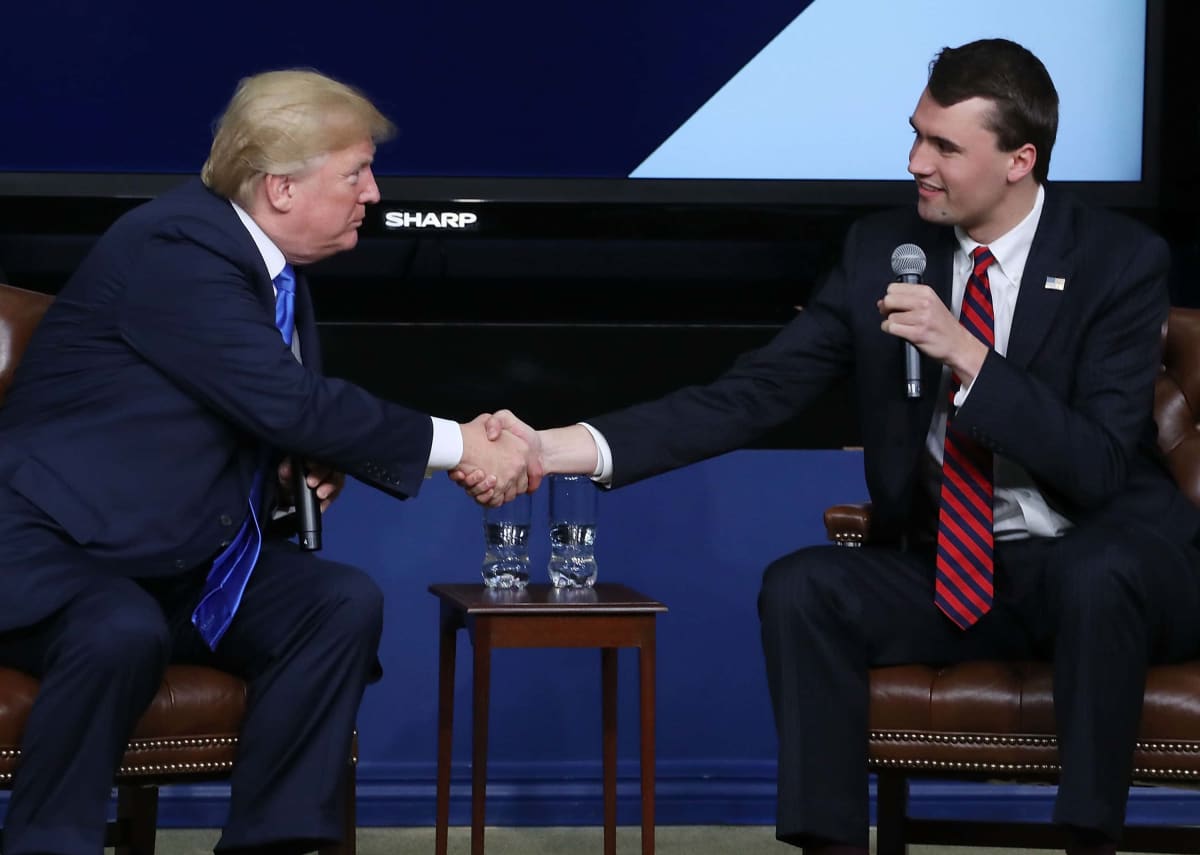
There is evidence that the plan has moved beyond rhetoric. The Nevada Independent reported that Turning Point Action opened a new headquarters in Las Vegas and plans to use ballot chasing to target low-propensity Republican voters in the state. The outlet described Nevada as part of the group's wider Red Wall strategy alongside Arizona and New Hampshire.
For young conservatives who became involved after Kirk’s assassination, the 2026 midterms will provide the first nationwide opportunity to test whether the activism that followed his death can translate into sustained political participation.
The University of Alabama offers a glimpse of what that transition looks like at the campus level. The Crimson White reported that its TPUSA chapter had grown to more than 900 members in its GroupMe, while hundreds continued attending meetings and the organization expanded its capacity for events and campus tables.
The outlet also reported that new students began volunteering following Kirk’s death. One of them, Elijah Fox, began attending every meeting and volunteering after the response to the assassination affected him, while student Parker Hull said Kirk’s killing made supporters recognize they were not doing enough for causes they claimed to believe in.
The growth has been accompanied by heightened security. According to the outlet, security teams and university police have been used for larger events, RSVP requirements have become stricter, and one speaker event included a no-bag policy and metal detectors.
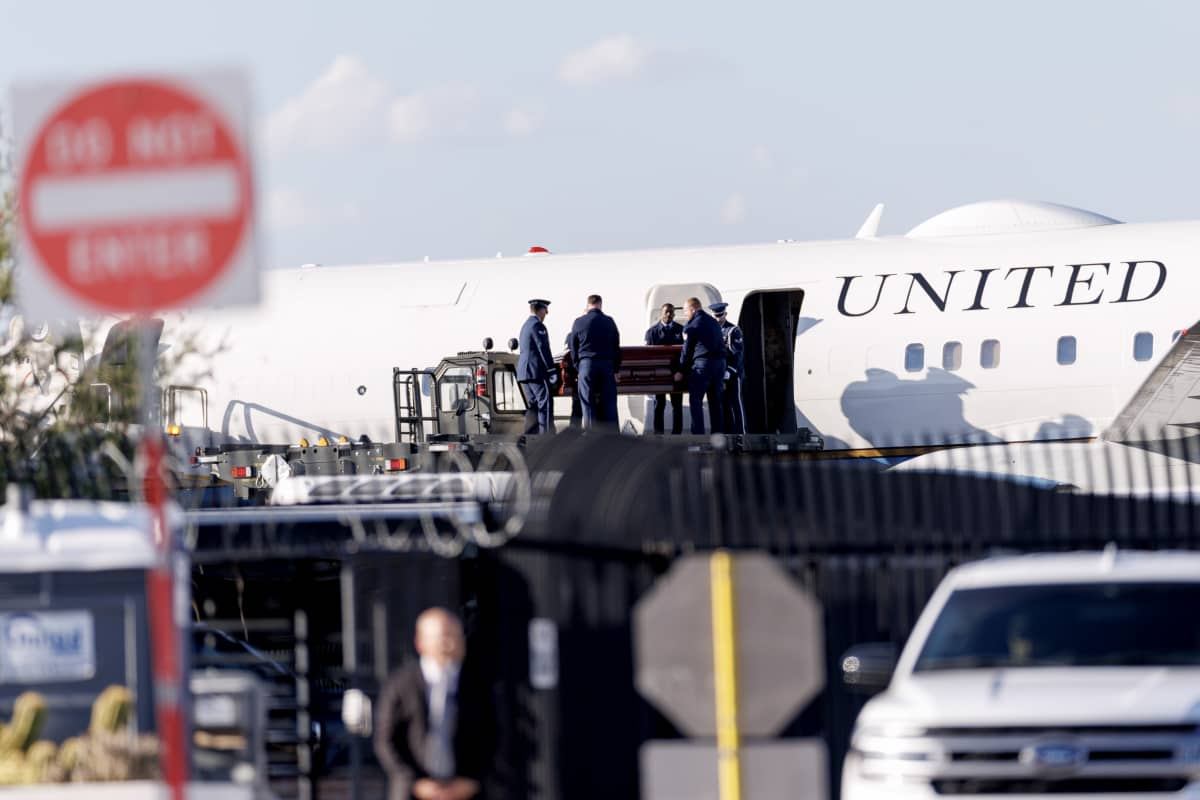
Those measures provide one campus-level example of how an organization built around confrontational public debate has had to balance expansion with the security questions created by the assassination of its founder.
Turning Point's political ambitions, meanwhile, extend beyond this November. The Associated Press reported this week that Turning Point Action is also laying infrastructure ahead of the 2028 Republican presidential primary, including plans to place staff across all 99 counties in Iowa while continuing work in states including New Hampshire and Nevada.
But the size of the organization does not yet prove its electoral power. TPUSA has not disclosed how many voters its expanded student network has registered since Kirk’s death, and the impact of those new activists on turnout cannot be measured until voters cast their ballots.
What can be measured one year later is whether the extraordinary response to Kirk’s assassination disappeared once the memorials ended. The chapter numbers, independent campus reporting, leadership participation and political fundraising indicate that it did not.
The growth is clear, but its political impact has yet to be tested. TPUSA has not disclosed how many voters its expanded network has registered since Kirk’s death, and the organization’s ability to turn its growing base of young activists into electoral participation will only become clear after the 2026 midterms.
What is already evident is that the surge that followed Kirk’s assassination did not fade with the initial wave of mourning; it developed into a broader grassroots network. Whether that network can turn its growing presence on campuses and in communities into measurable political influence will be the next test of Kirk’s legacy.