'I can't blame him': German chancellor backs Trump's demand that Europe spend more on defense
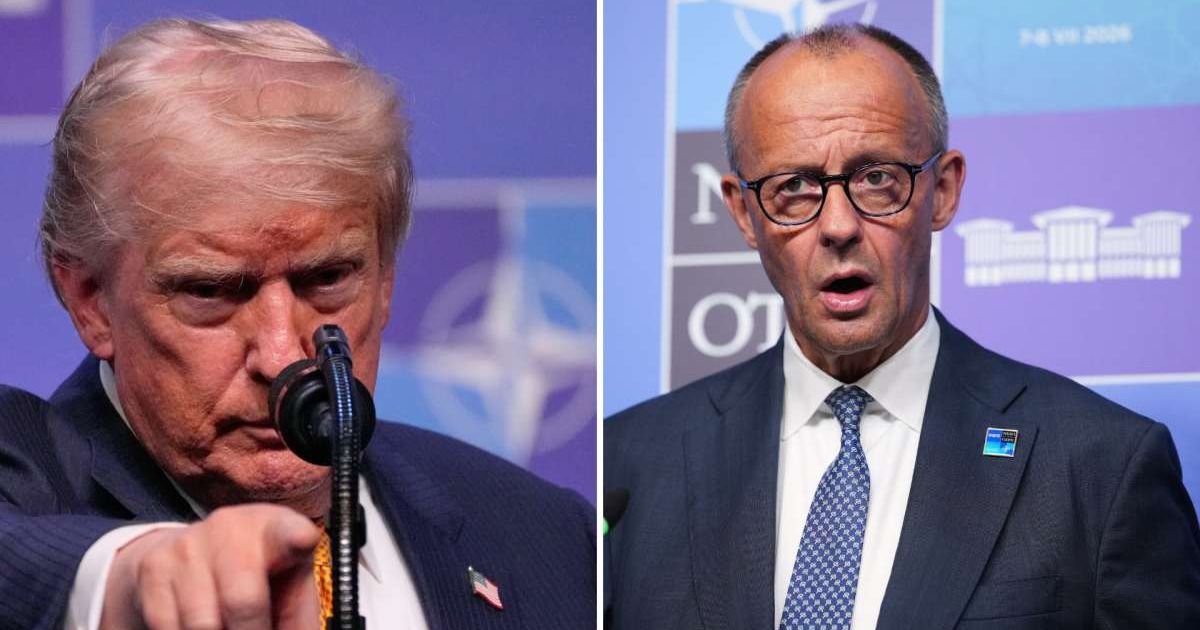
ANKARA, TURKEY: German Chancellor Friedrich Merz publicly defended President Donald Trump's confrontational approach to NATO burden-sharing on July 7, saying previous American presidents had politely asked European allies to do more for decades but were ignored, leaving Trump little choice but to take a harder line.
Merz, who leads Europe's largest economy, then highlighted the financial imbalance between US and European defense spending within NATO.
Trump says NATO allies abandoned US
"The last American presidents politely asked us, 'Please, finally do a little more for your own defense,' but across Europe those requests largely fell on deaf ears," Merz said.
Germany Chancellor Friedrich Merz:
— World Source News (@Worldsource24) July 8, 2026
President Trump often applies pressure through a very forceful approach.
The last American presidents politely asked us, "Please, finally do a little more for your own defense," but across Europe those requests largely fell on deaf ears.
Now… pic.twitter.com/GTZ5kFl0cg
"Now there is an American president who says, rather bluntly, 'Enough is enough.' I cannot blame him."
"Just look at the numbers: the US spends around 80% of NATO's defense resources, while Europe accounts for only about 20%." "That is unacceptable. It has always been unacceptable," he said.
The German chancellor's remarks came as Trump delivered some of his sharpest criticism of NATO allies since taking office, saying he was "very disappointed" with the alliance and suggesting he might not have attended the Ankara summit if not for his personal relationship with Turkish President Recep Tayyip Erdogan.
Trump: "I was very disappointed with NATO... it's possible that I wouldn't have attended." He says the UK, Italy, Germany and France all turned down helping after the Iran strike, even after America poured in trillions to protect them from Russia for decades. "They really… pic.twitter.com/tS5FnQQmGC
— Sean Hannity 🇺🇸 (@seanhannity) July 7, 2026
Speaking to reporters, Trump said the United Kingdom, Italy, Germany, and France all declined to assist the United States during its military campaign against Iran, despite Washington having spent trillions of dollars protecting European nations from Russia over several decades.
"They really weren't there for us," Trump said, adding that the experience had tested his view of the alliance's reliability as a mutual defense partnership.
Trump also left open the possibility that he would not have attended the summit under different circumstances. "It's possible that I wouldn't have attended," he said.
Friedrich Merz backs Trump's NATO stance
Merz did not shy away from Trump's criticism. Instead, he openly agreed with the US president's complaints.
Such support is unusual, as most European leaders have typically pushed back against Trump's criticism of Europe's defense spending.
Rather than defending Europe's past approach or criticizing Trump's blunt rhetoric, Merz acknowledged that Europe deserved the criticism and had ignored Washington's warnings for too long.
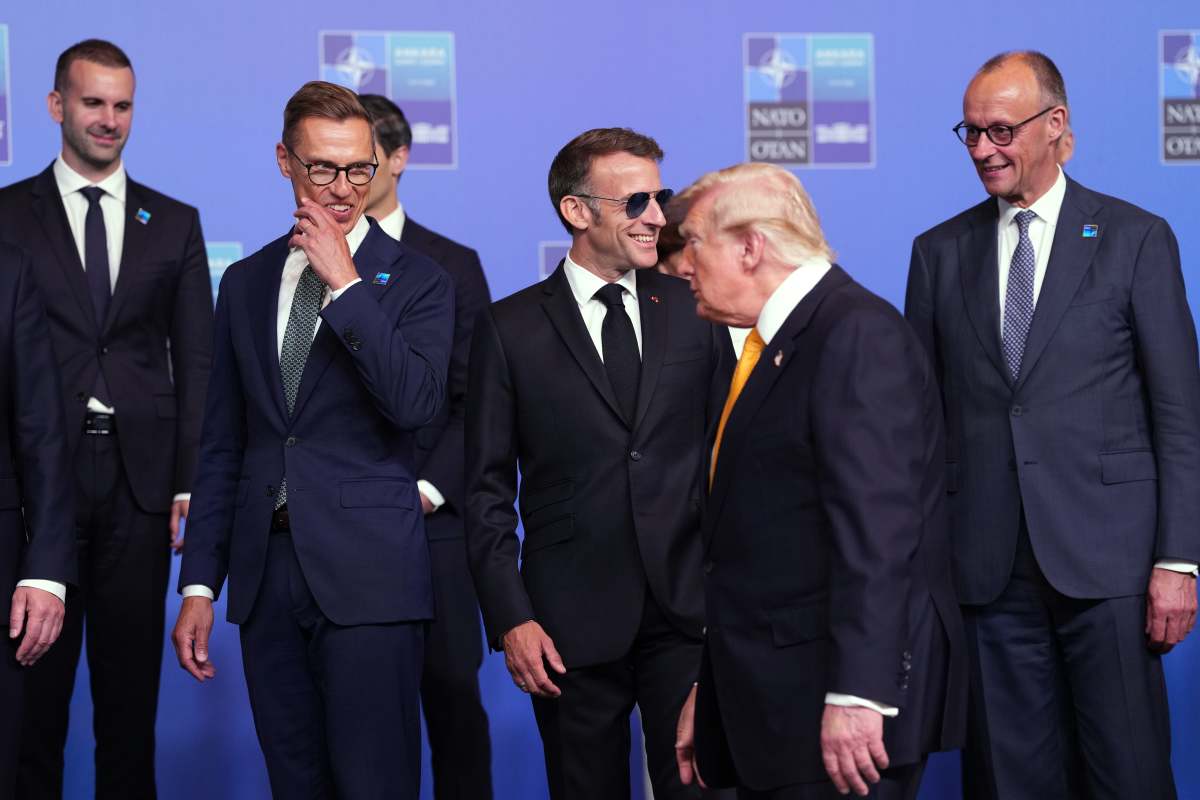
The remarks carry added significance because they came from Germany.
For years, Germany was among the countries most frequently criticized for failing to meet NATO defense spending targets, drawing repeated complaints from American presidents of both parties.
It was not until Russia's invasion of Ukraine in 2022 that Germany made a significant commitment to increase its military budget.
Under Merz, Germany has moved sharply toward higher defense spending and a more assertive foreign policy, bringing Berlin closer to Washington's long-standing demands than at any point in recent memory.
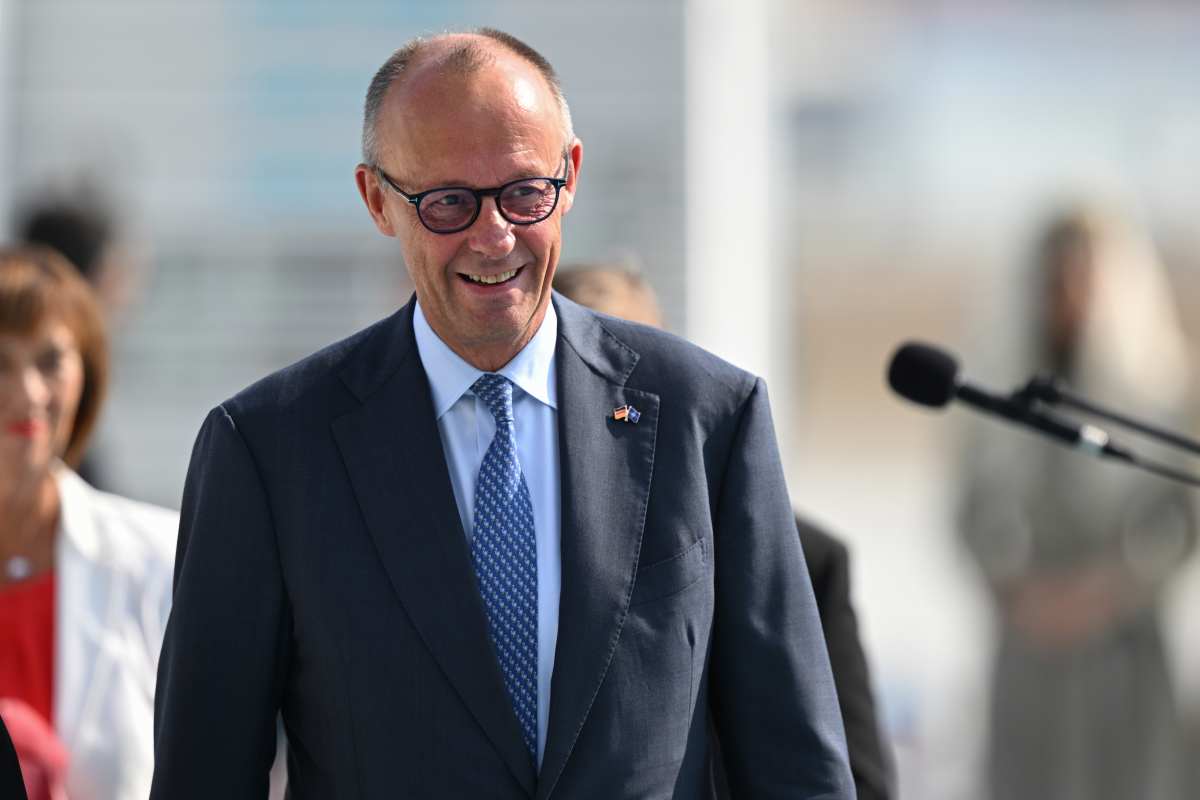
Analysts said Merz's remarks signal a broader shift in the transatlantic relationship, away from the soft diplomacy that defined US-European defense discussions for much of the post-Cold War era and toward a model of hard leverage, with tangible consequences for allies that fail to meet their commitments.