5 disputes push Trump toward scrapping US-Iran deal as clashes escalate
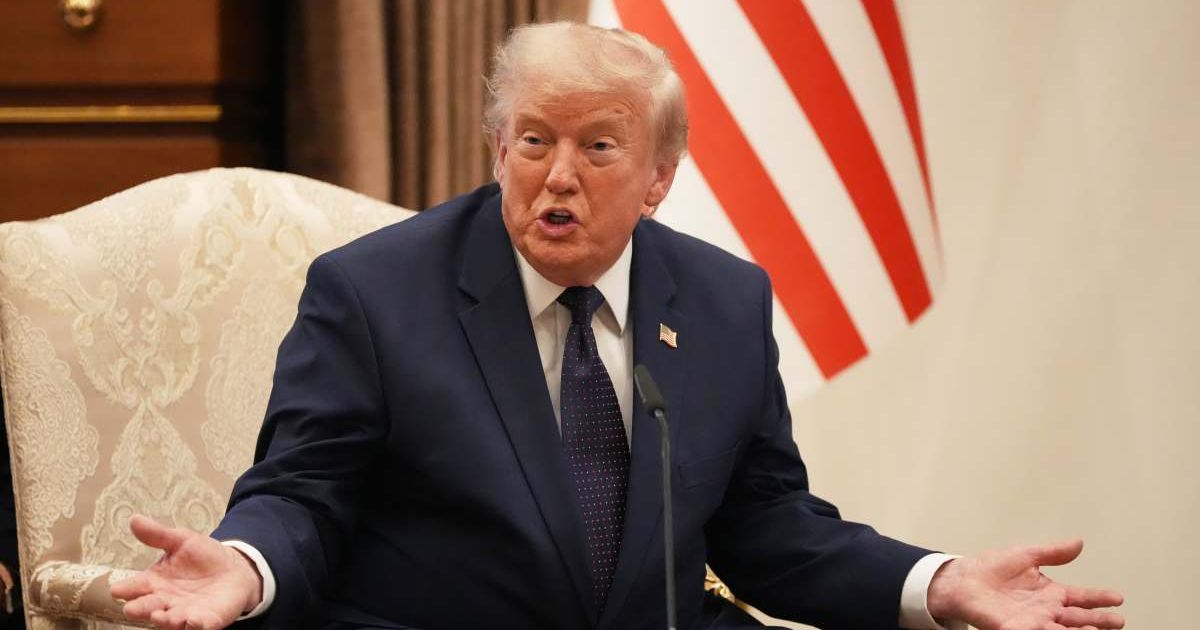
WASHINGTON, DC: President Donald Trump is considering whether to scrap the US-Iran memorandum of understanding after renewed strikes exposed the unresolved disputes threatening the agreement.
The June 17 deal was meant to ease tensions between Washington and Tehran, but fresh clashes have raised doubts over whether the arrangement can survive. Instead of resolving major disagreements, the MoU delayed several key issues that later became obstacles to further negotiations.
5 disputes threatening the US-Iran deal
The MoU initially helped reduce some of the conflict's immediate pressure points by easing opposing blockades in the Strait of Hormuz and extending a ceasefire announced during the conflict's sixth week on April 7, according to a Newsweek report published on Wednesday, July 8.
Analysts said the agreement was designed to create temporary stability rather than settle the biggest disagreements between the US and Iran.
"The MoU deferred some of the most contentious issues between the US and Iran, including the nuclear file, while prioritizing an easing of economic disruption," Naysan Rafati, Iran senior analyst at the International Crisis Group, told Newsweek.
"In principle, that's a reasonable approach," he added. "In practice, it risks dueling interpretations of what's been agreed and multiple points of failure."
The arrangement also lacked the detailed framework that supported the 2015 Joint Comprehensive Plan of Action, or JCPOA. Rafati noted that the earlier agreement was "a granular but mostly single-issue agreement" centered on trading nuclear restrictions for sanctions relief after years of negotiations.
The broad language of the MoU became its biggest weakness as Washington and Tehran remained divided over several unresolved commitments, the report said.
Those disputes included "the release of billions of dollars in frozen Iranian assets, a parallel ceasefire involving Hezbollah in Lebanon, how much influence Iran would retain over Strait of Hormuz traffic and a US pledge to withdraw troops from the Islamic Republic's immediate vicinity."
Renewed clashes expose cracks in the agreement
With little progress on those issues, tensions continued and intermittent clashes followed, according to the report.
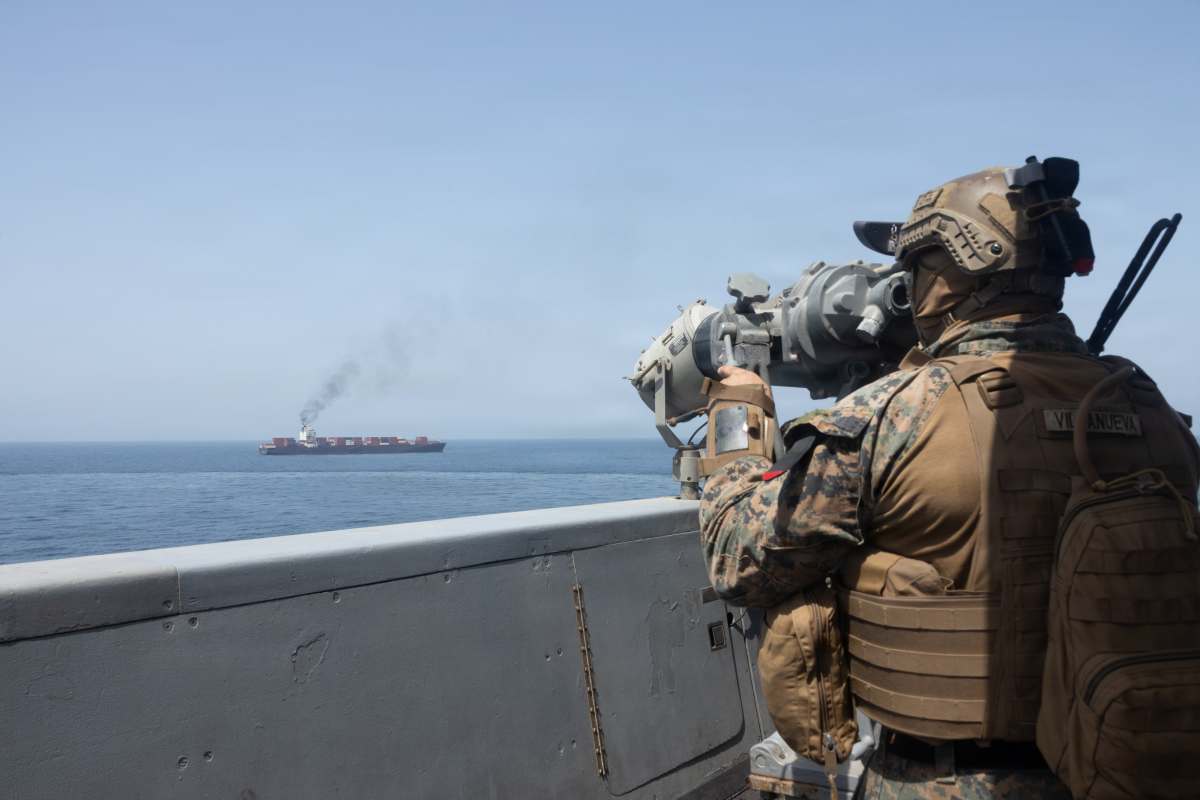
A major turning point came after three tankers traveling through the Strait of Hormuz were attacked. Iranian officials did not claim responsibility but argued the vessels were using unauthorized maritime routes without transponders, the report stated.
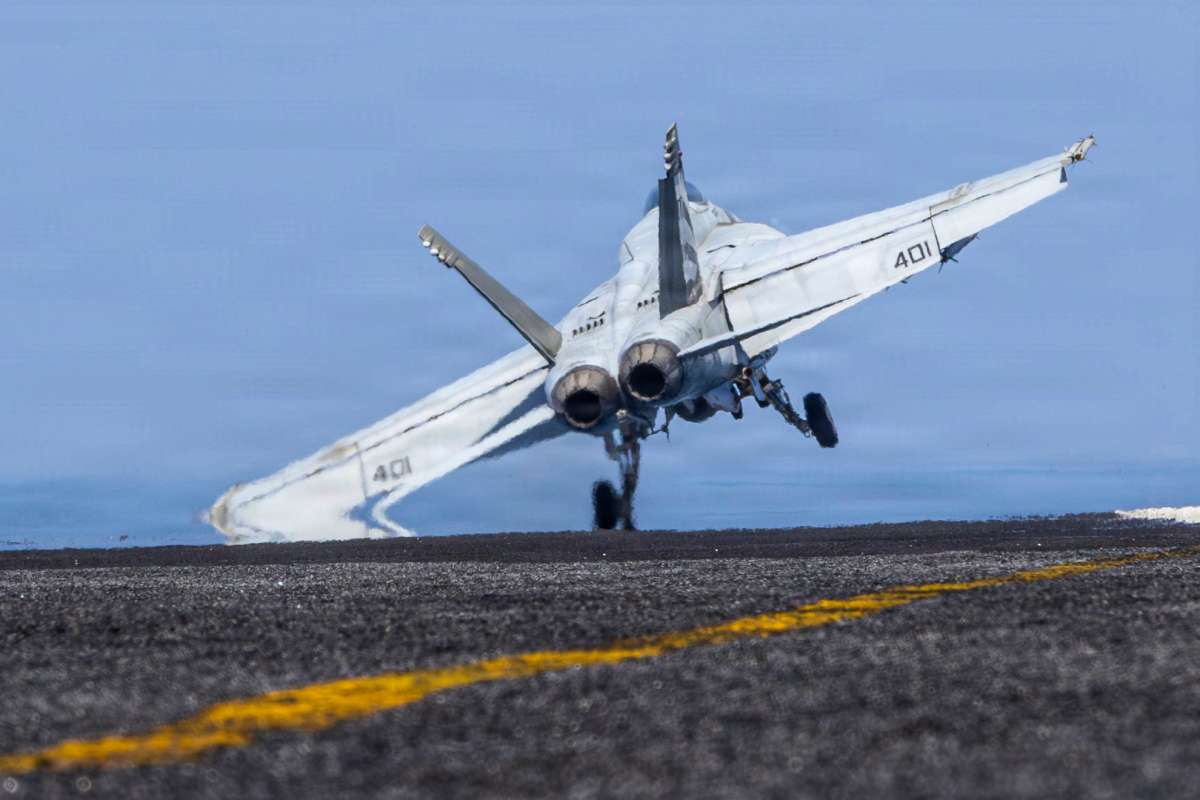
The situation escalated after "US Central Command said it struck more than 80 military targets."
The Islamic Revolutionary Guard Corps then "announced operations allegedly targeting 85 US military facilities across the region," the report said.
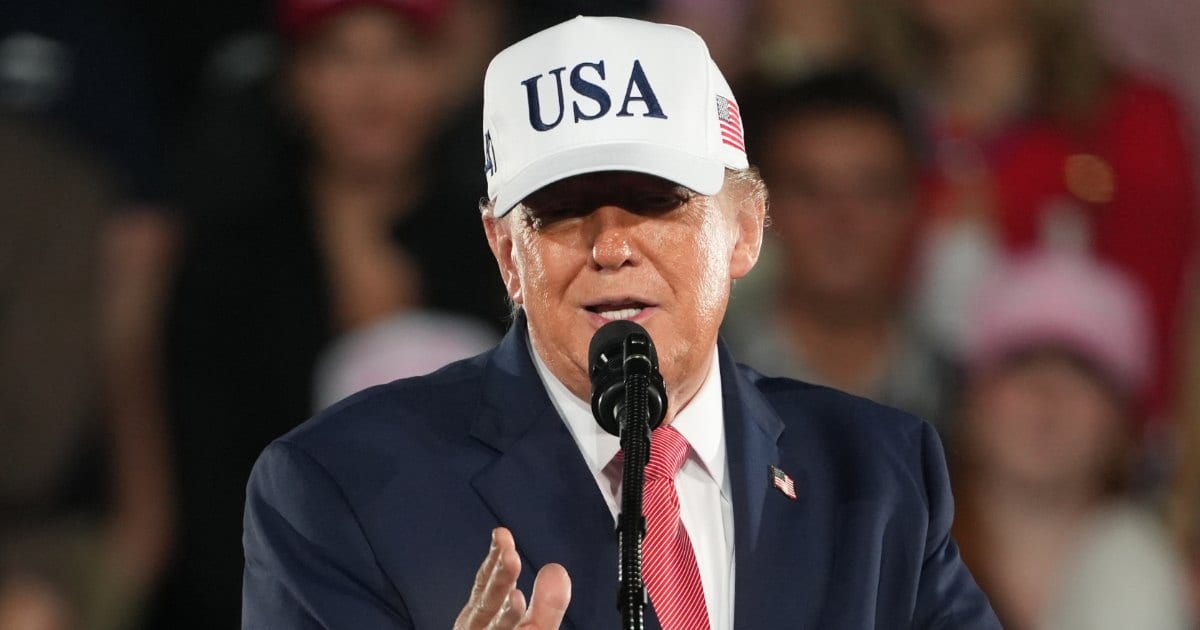
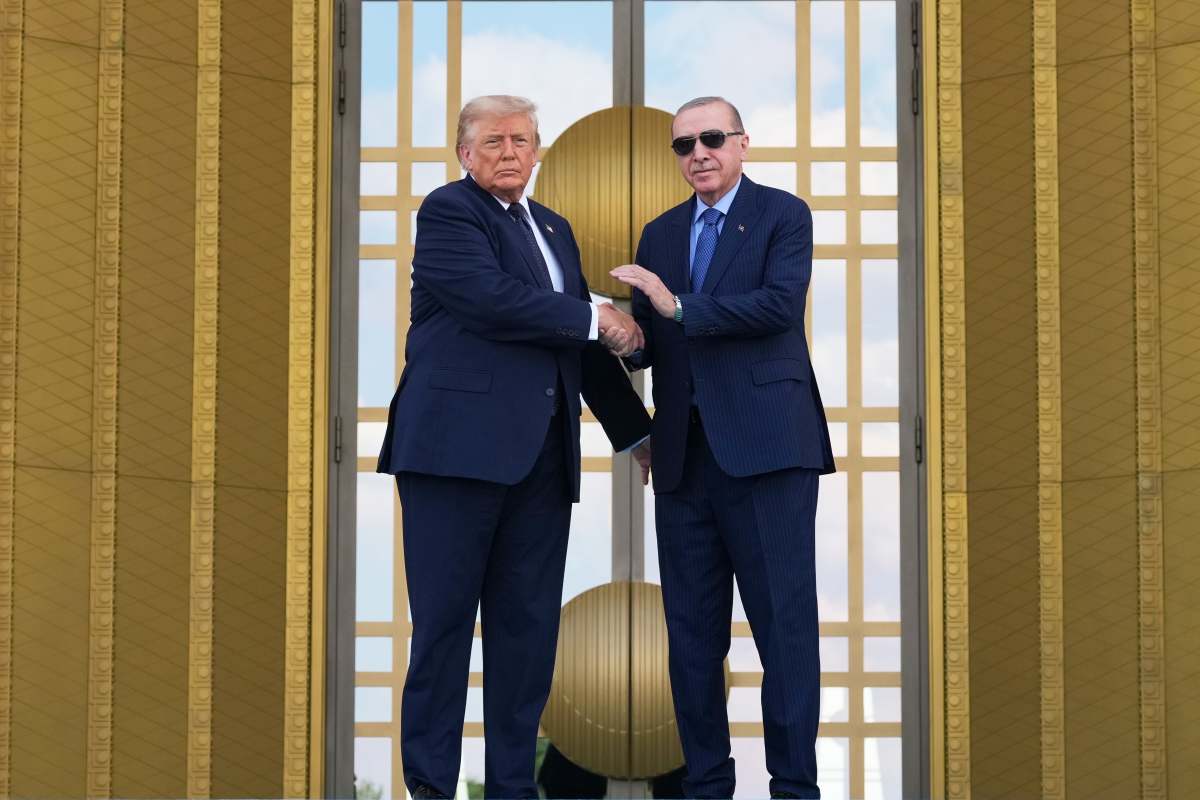
Speaking at a NATO summit in Turkey, Trump warned the US would "probably hit them hard again tonight" and suggested Washington might "just finish the job."
Mistrust remains a challenge for US-Iran diplomacy
The renewed fighting has reinforced concerns over whether diplomacy can still produce a lasting agreement between Washington and Tehran.
Former State Department official Alan Eyre, who served on the JCPOA negotiating team, said Trump's 2018 withdrawal from that agreement damaged Iran's confidence in future US commitments.
"President Trump's 2018 unilateral withdrawal from the JCPOA showed, to Iran at least, that US commitments achieved through diplomacy cannot be trusted, which makes any subsequent bilateral negotiations that much harder," Eyre said.
He argued that the administration entered the MoU after recognizing that military action alone had failed to achieve its objectives and had contributed to Iran shutting the Strait of Hormuz.
"The current US goals are to cut its losses and get maritime traffic through SoH back to, or at least close to, pre-war levels," Eyre said. "The primary Iran goals are to re-establish strategic deterrence by establishing operational control of the SoH."
Eyre added that "it is highly unlikely Iran and the US will reach any type of nuclear agreement."