Trump reveals key deal line ‘Iran will never have a nuclear weapon’
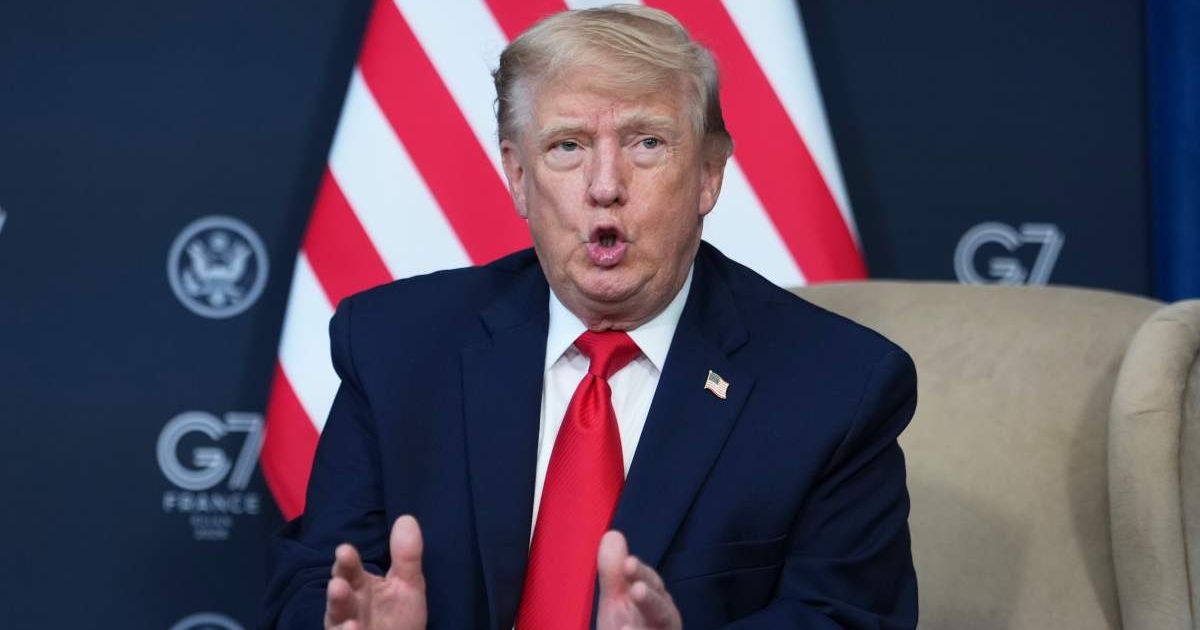
WASHINGTON, DC: President Donald Trump said the memorandum of understanding (MOU) with Iran explicitly states that Tehran will never possess a nuclear weapon, describing the provision as the central achievement of the agreement.
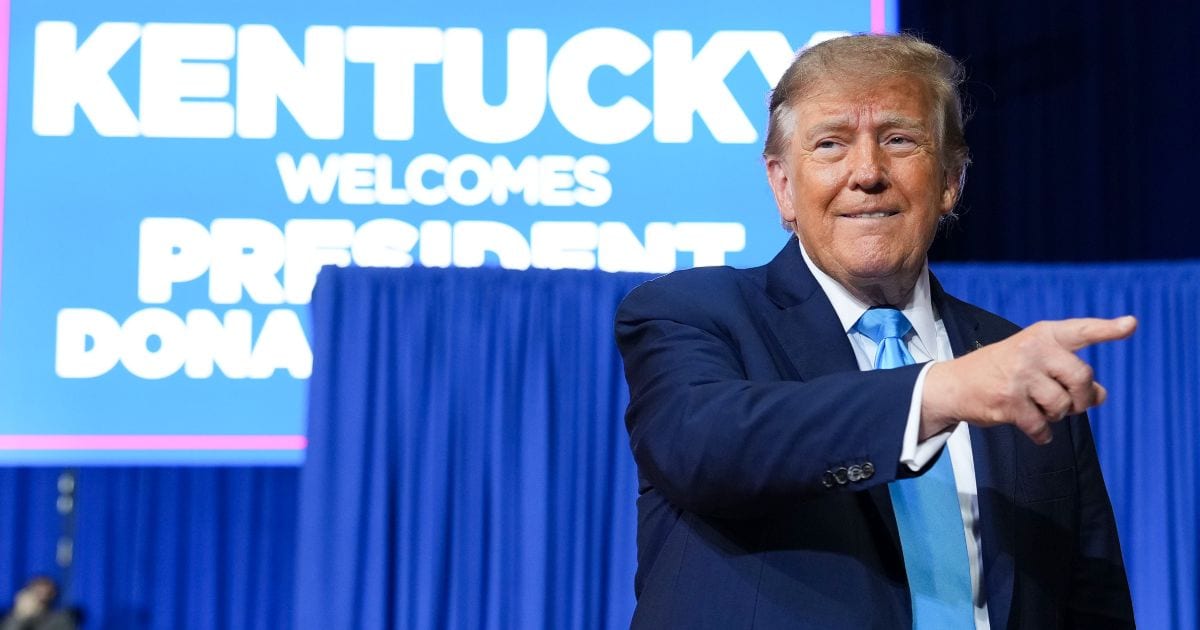
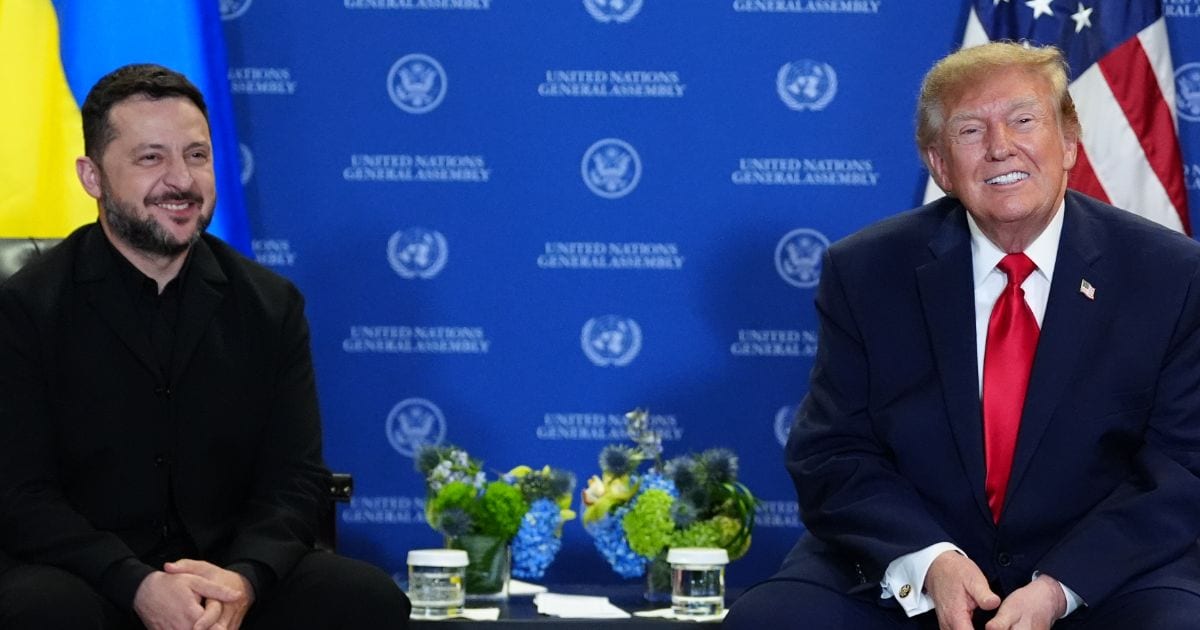
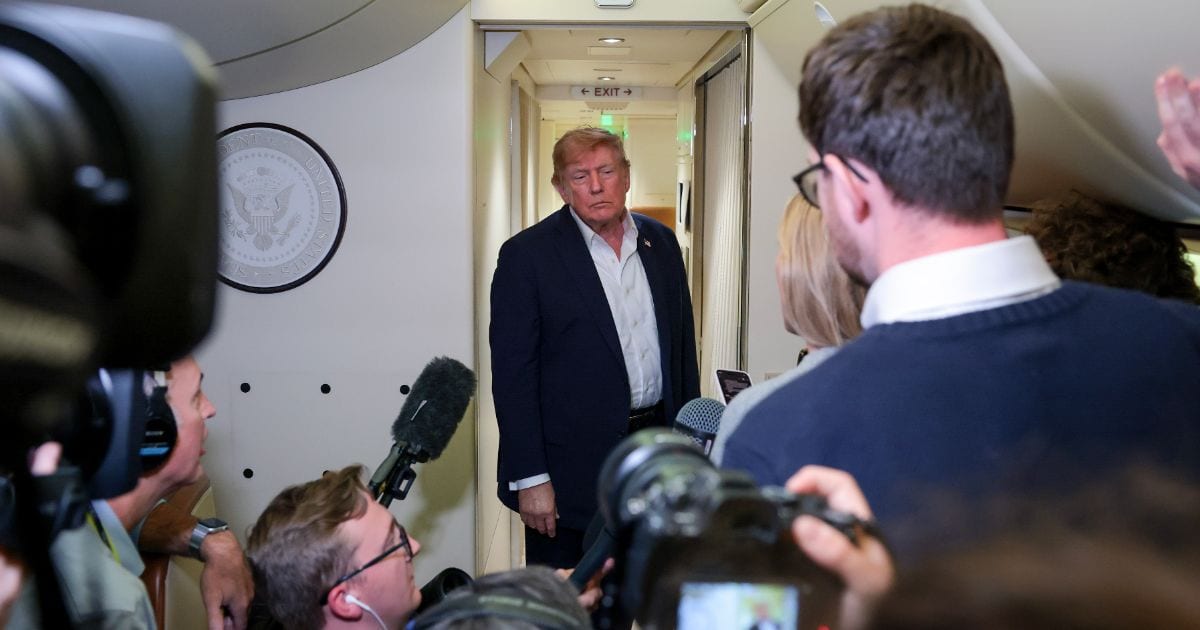
Speaking before a bilateral meeting with UAE President Sheikh Mohamed bin Zayed Al Nahyan, Trump, who is attending the G7 Summit, told reporters the deal prohibits Iran from buying, developing, or obtaining a nuclear weapon.
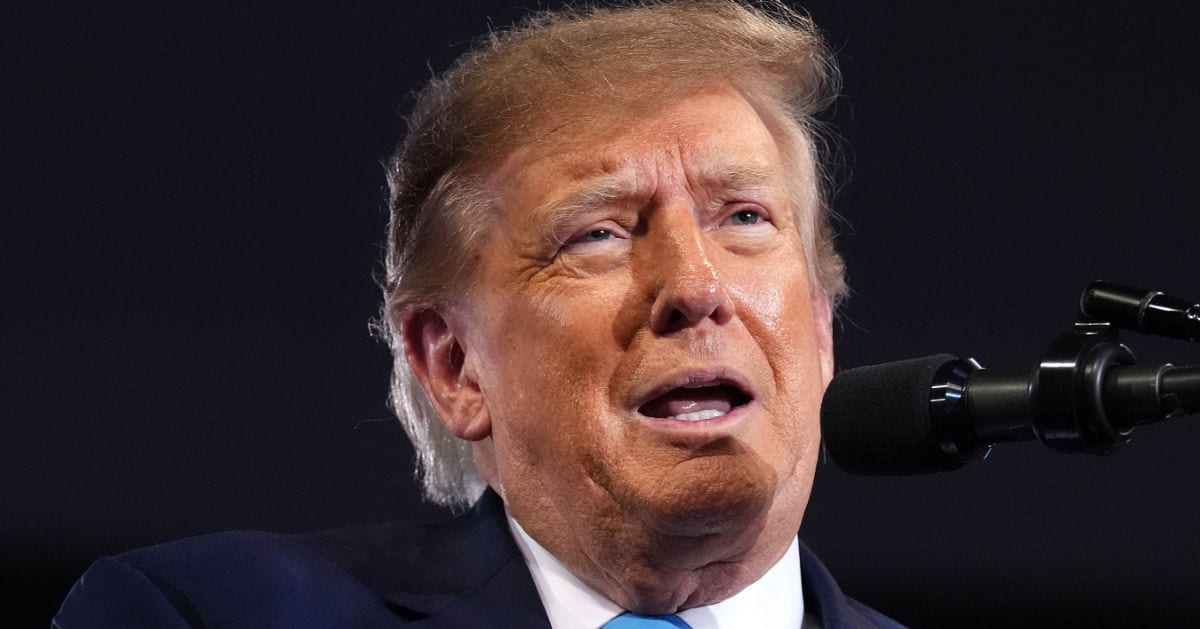
"Iran will never have a nuclear weapon. That's what it says. It won't have one to buy, to develop, they will not have a nuclear weapon," Trump said.
Trump added that the provision represented "about 99.9%" of what he wanted from the negotiations, arguing that preventing Iran from becoming a nuclear-armed state was non-negotiable.
President schedules briefing on agreement
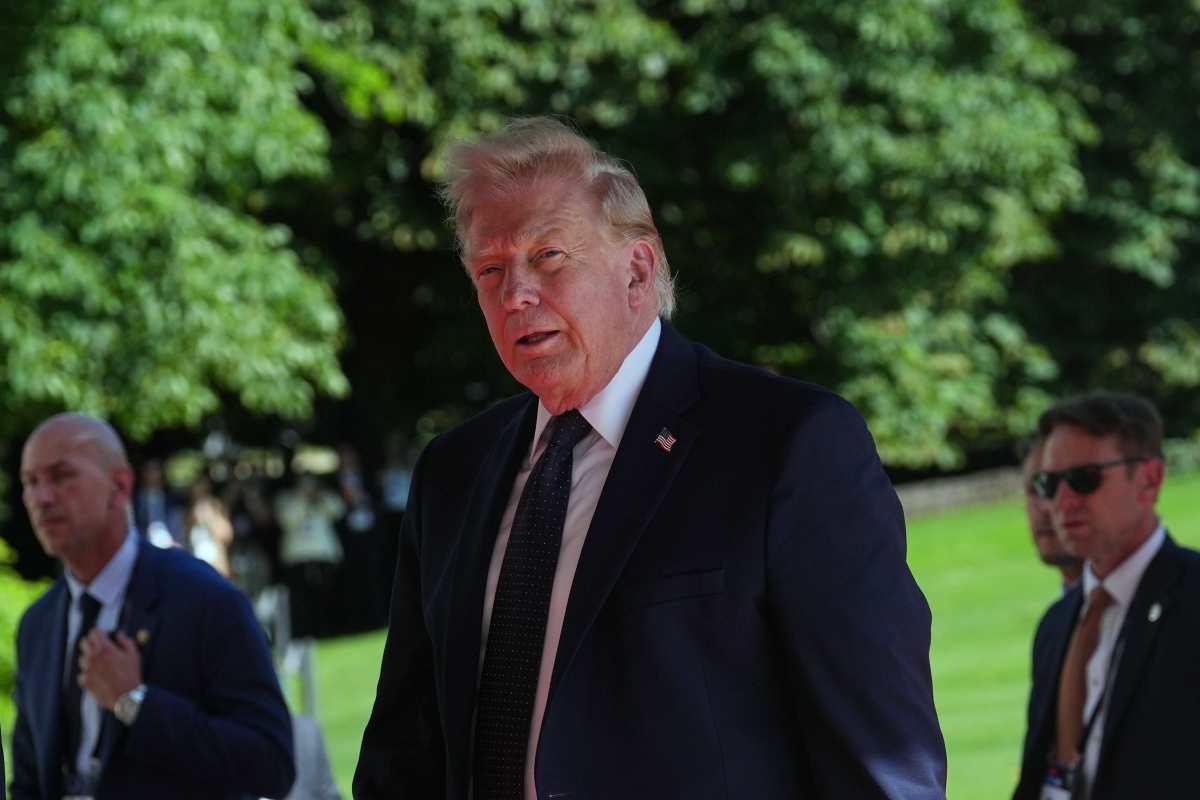
Trump said he would "probably" hold a press conference to read the memorandum "word by word," saying he wanted to ensure the agreement is reported accurately.
The details of the agreement have not yet been made public, but Trump indicated he intends to disclose key provisions once the document is finalized.
Agreement covers Strait passage
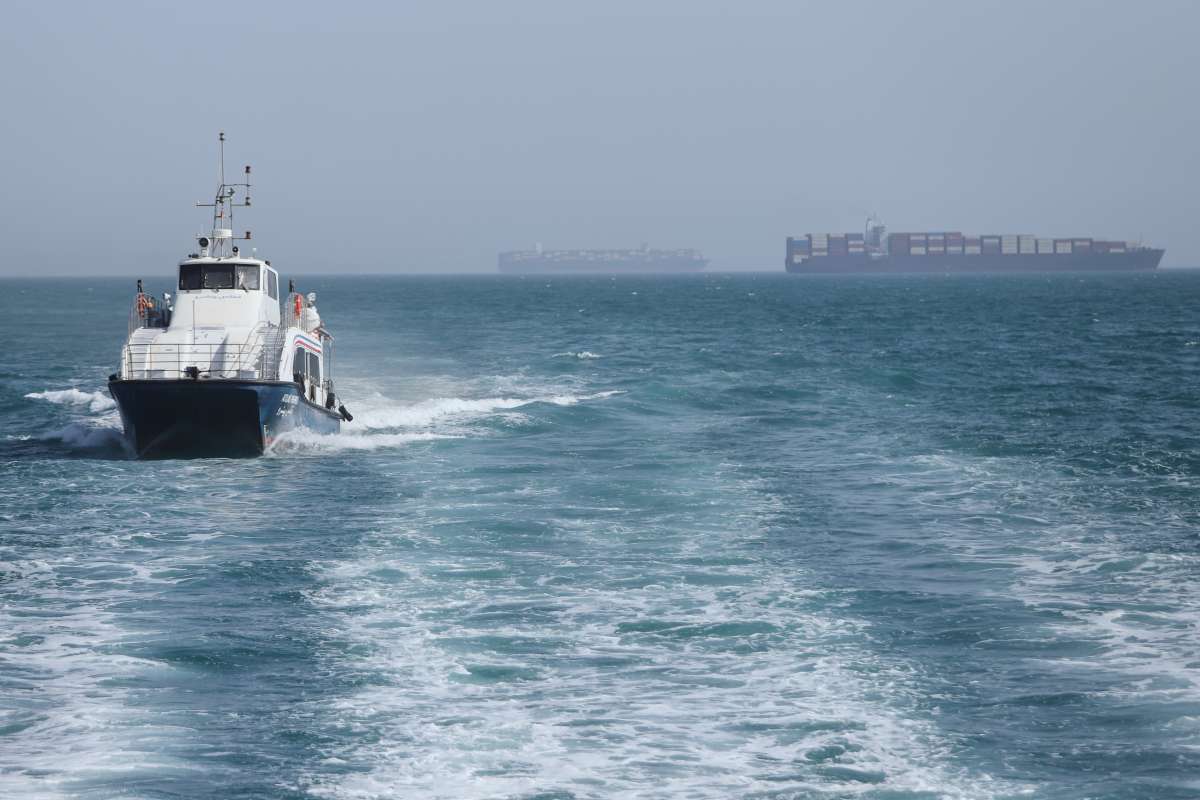
Beyond the nuclear provisions, Trump said the deal would ensure the strategic strait remains open without tolls. "The strait is going to be open toll-free, and it's toll-free beyond the 60 days," he said.
The president did not provide further details on the maritime arrangements.
Switzerland signing ceremony set for Friday. The formal signing of the US-Iran agreement is scheduled to take place in Switzerland on Friday.
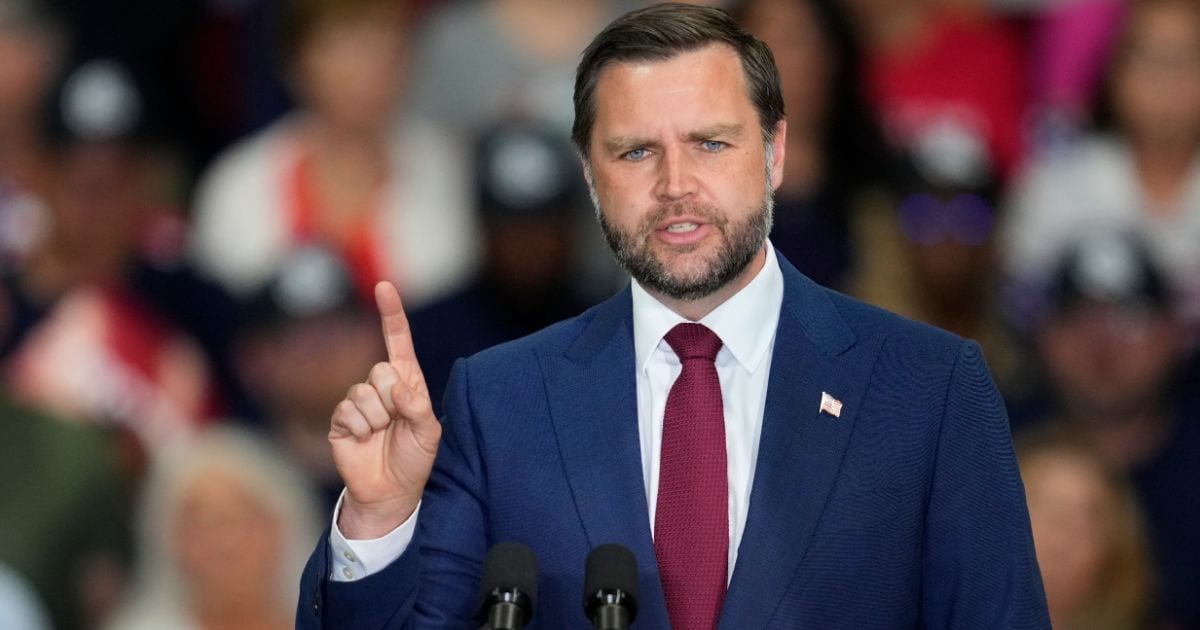
According to Iran's Deputy Foreign Minister Abbas Takht-Ravanchi, Iran's chief negotiator, Mohammad Bagher Ghalibaf, will represent Tehran, while Vice President JD Vance will participate on behalf of the United States.
Takht-Ravanchi told Iran's semi-official Tasnim News Agency that discussions on implementation would begin after the signing ceremony and that details of the signing process were still being finalized, including whether portions of it could be conducted electronically.
Trump portrayed the agreement as a major diplomatic achievement, emphasizing that preventing Iran from obtaining a nuclear weapon had been the central objective of negotiations.
Analysts will closely examine enforcement mechanisms, verification procedures, and implementation timelines once the document becomes public, as those details are likely to determine the agreement's long-term effectiveness and credibility.