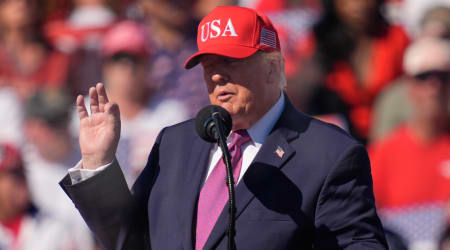
Ilhan Omar admits Democrats responsible for DHS shutdown, says terror threat is 'higher than usual'

WASHINGTON, DC: Rep Ilhan Omar acknowledged that Democrats are playing a central role in the ongoing Department of Homeland Security (DHS) shutdown, even as she warned that the nation is facing a heightened terror threat.
Speaking at a town hall in Spring Lake Park, Minnesota, on Tuesday, March 31, Omar addressed the now weeks-long funding standoff, offering a candid explanation of why negotiations have stalled and why Democrats have refused to support current funding proposals.
NEW: Rep Ilhan Omar D-MN Openly Admits Democrats Holding Department Of Homeland Security Hostage@Ilhan Omar even RECOGNIZED the terror threat against Americans is spiking
— Sergeant News Network (@sgtnewsnetwork) March 31, 2026
OMAR: “@TheDemocrats said we are not going to pass the appropriations for @DHSgov ..."
"They don’t have… pic.twitter.com/TFxahKkn15
Ilhan Omar explains why Democrats blocked DHS funding
Omar made it clear that Democrats intentionally held back support for the DHS appropriations bill, tying their votes to a set of demands related to immigration enforcement.
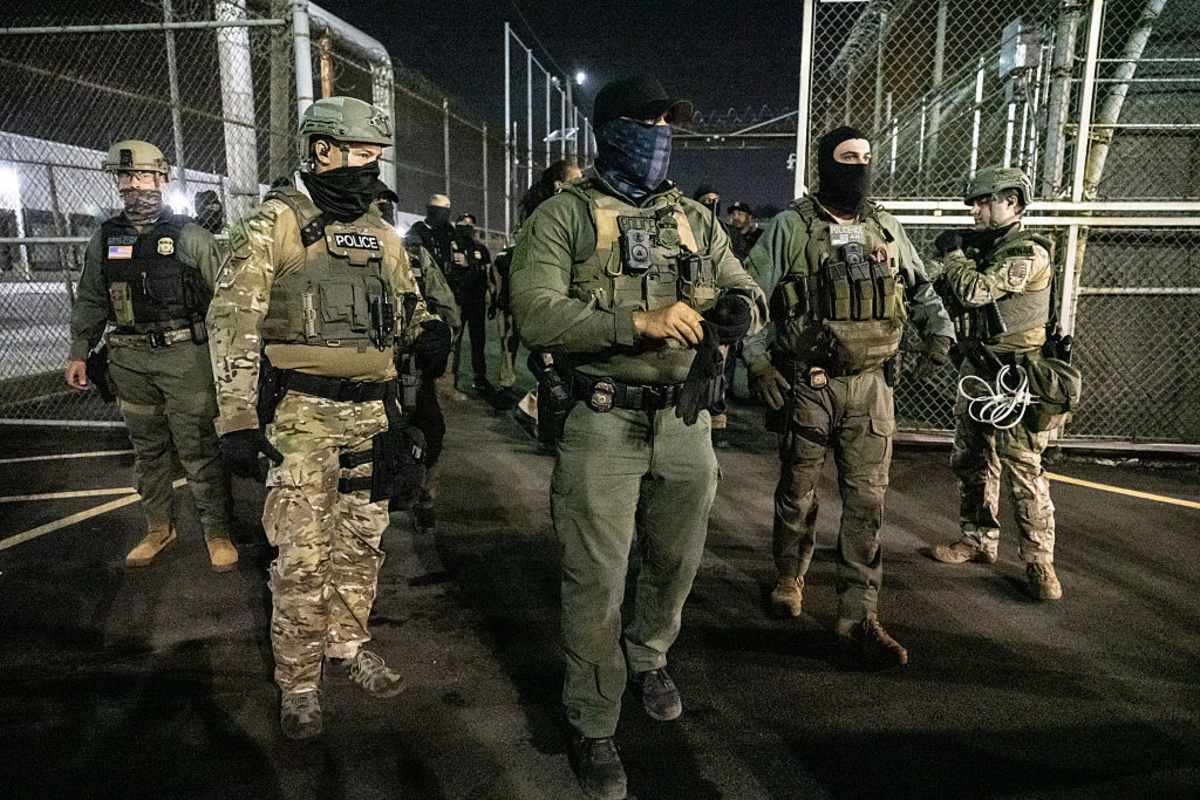
“As many of you know, Democrats said we are not going to pass the appropriations bill for the Department of Homeland Security unless they agreed to ten reforms, simple things like unmasking ICE agents when they were patrolling our communities,” Omar said.

According to her, those conditions were non-negotiable for Democrats, who wanted changes to how Immigration and Customs Enforcement (ICE) operates. However, she said Republicans and the White House refused to meet those demands.
“So far, the Republicans and the president have refused to say ‘yes’ to any of those reforms,” Omar added.
That deadlock, she explained, is what led directly to the current shutdown.
Shutdown impacts multiple agencies as funding lapses
Omar also outlined the larger consequences of the funding freeze, adding that the effects go far beyond ICE alone.
“Which means the department doesn’t have the resources to be able to pay for not just ICE and [Customs and Border Protection], but they don’t have the resources to pay for TSA agents. They don’t have the resources to fund the Coast Guard, to fund our cybersecurity employees,” she said.
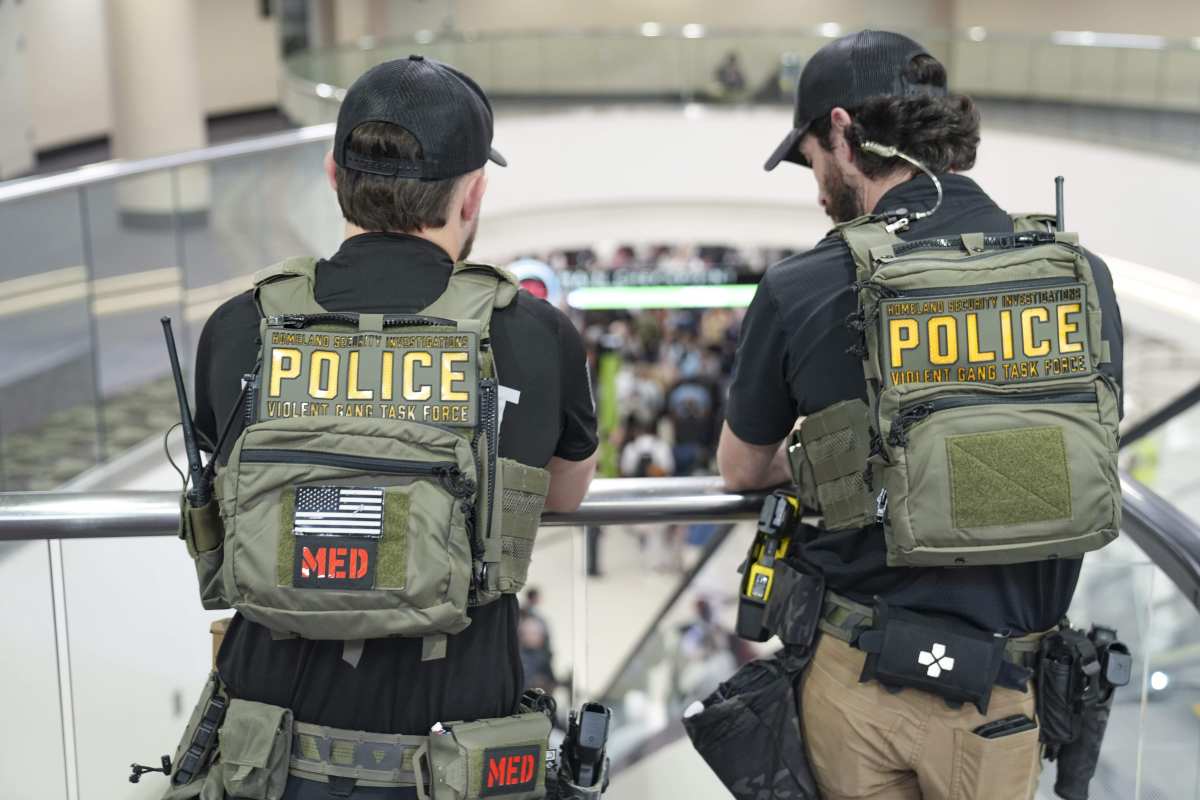
The shutdown, which has lasted over six weeks, has created uncertainty across several key areas tied to national security and infrastructure. Agencies responsible for airport security, maritime operations, and cybersecurity have all been affected in different ways.
Lawmakers remain divided as shutdown drags on
The political standoff has shown little sign of easing. House Democrats have repeatedly refused to reopen DHS since federal funding lapsed on February 14, holding firm on their demands for reforms.
At the same time, Republicans have pushed forward with their own funding measures, though those efforts have not gained enough bipartisan support to pass smoothly.
Earlier votes reflected just how deep the divide has become. All but four House Democrats voted against a DHS funding measure that included several Democratic-backed provisions, such as requirements for body cameras and additional training for ICE agents.
More recently, nearly every House Democrat opposed a temporary measure that would have funded DHS for another 60 days, signaling continued resistance.
In the Senate, Democrats have similarly declined to support Republican-led efforts to fully reopen the department, further prolonging the stalemate.
Ilhan Omar warns of elevated terror threat amid funding fight
Amid the political battle, Omar pointed to what she described as a concerning security backdrop, noting that the shutdown is happening at a particularly sensitive time.
“In a time when our terror alarm is higher than usual,” she said, indicating the risks tied to reduced operational capacity.
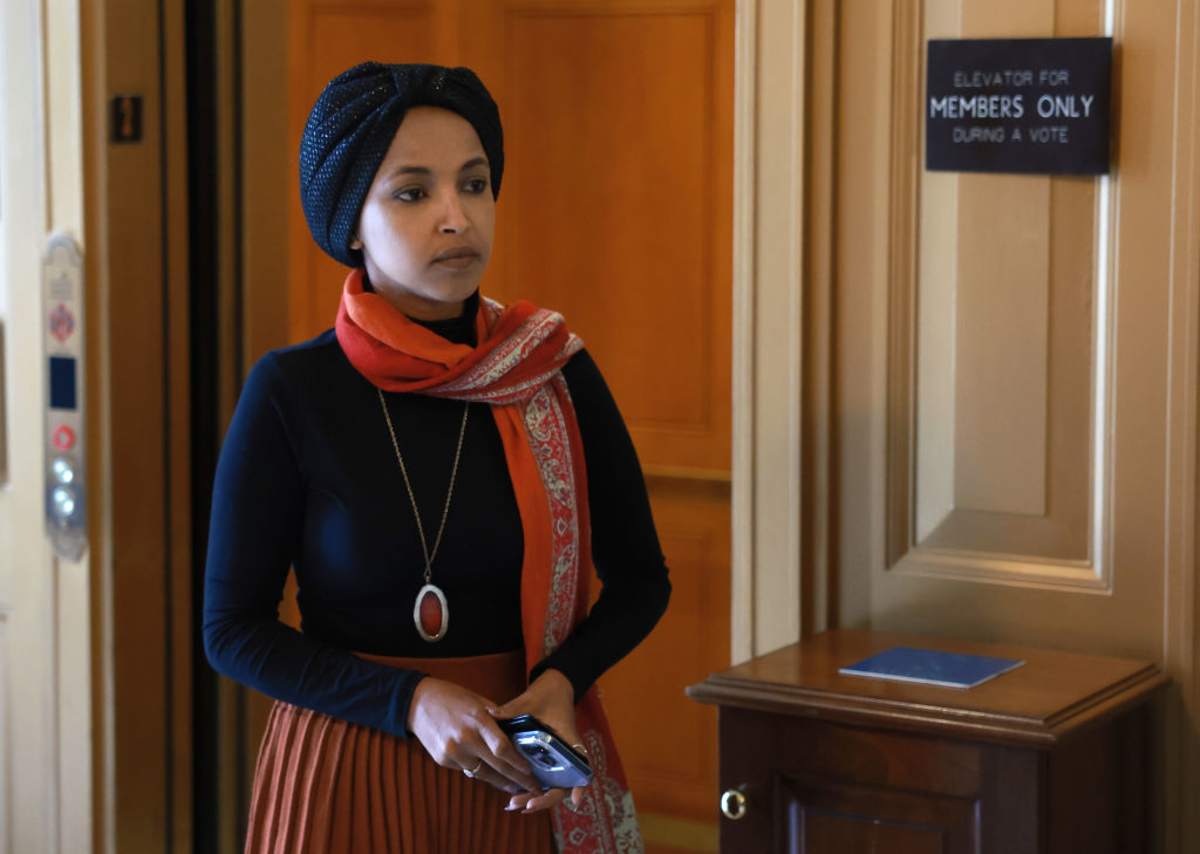
Her warning adds urgency to the situation, even as both parties remain locked in disagreement over how to move forward.
Meanwhile, lawmakers are exploring alternative paths. The Senate recently advanced a DHS funding bill that excludes appropriations for ICE and Customs and Border Protection, which the House is expected to consider soon.
Separately, Senate Republicans are planning to fund those agencies through the reconciliation process at a later stage, a move that would allow them to bypass the usual vote threshold.