Illinois Governor JB Pritzker signs end‑of‑life bill despite pushback from religious groups
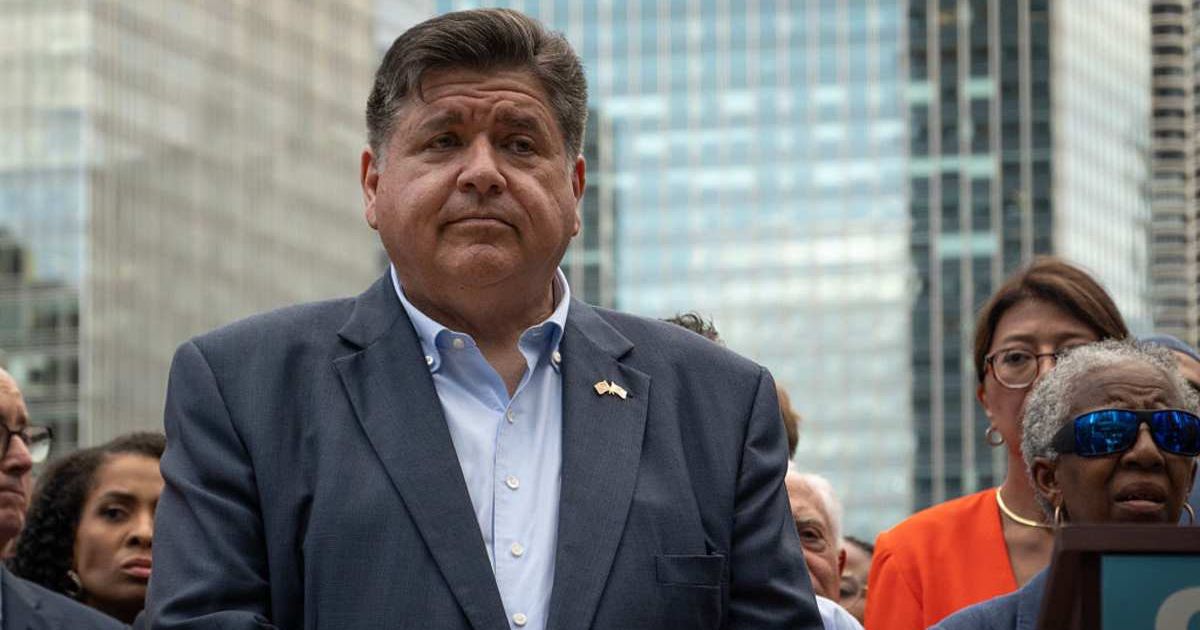
CHICAGO, IL: Illinois Governor JB Pritzker on Friday, December 12, signed legislation authorizing medical aid in dying for eligible terminally ill adults, making Illinois the latest state to adopt such a policy.
The law allows qualifying patients with a prognosis of six months or less to obtain life-ending medication through a regulated medical process. The measure known as "Deb's Law" is set to take effect in September 2026.
The legislation has drawn both strong support and sharp criticism from advocacy and religious groups.

Law establishes framework for medical aid in dying
The legislation permits terminally ill adult patients who meet eligibility requirements to request life-ending medication in consultation with their doctors.
Patients must self-administer the medication, and the law makes it a felony to coerce a patient into making a request or falsifying documentation. Individuals retain the right to withdraw their request at any time or choose not to ingest the medication.
The law provides an implementation period for participating healthcare providers and the Illinois Department of Public Health to establish oversight, safeguards and reporting requirements.
Death certificates for patients who die under the law will list the underlying terminal illness as the cause of death.
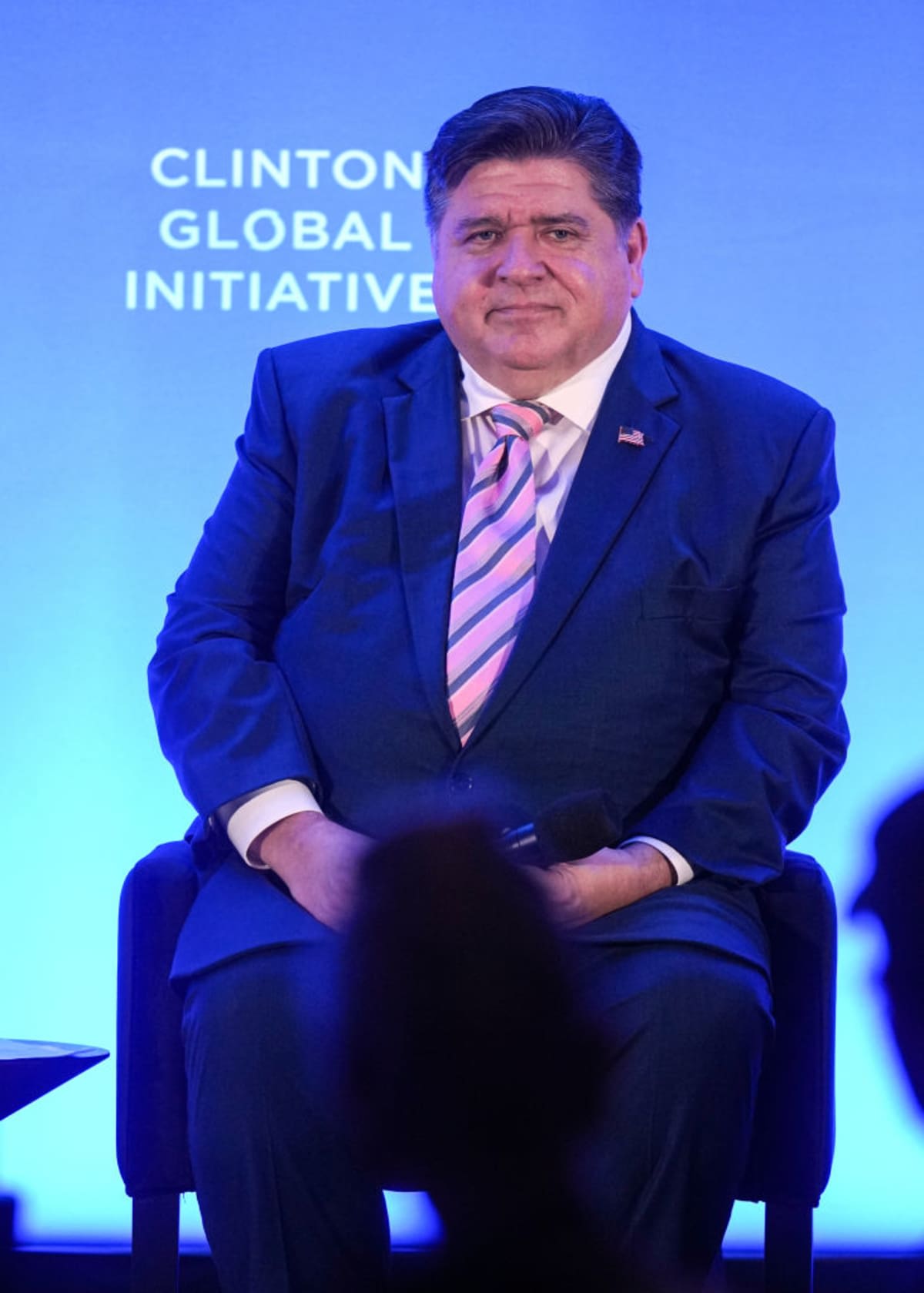
Pritzker said in a news release that the law will help terminal patients "avoid unnecessary pain and suffering at the end of their lives."
He also added that it will be "thoughtfully implemented so that physicians can consult patients on making deeply personal decisions with authority, autonomy and empathy."

The bill is named after Deb Robertson, an Illinois woman living with a rare terminal illness. She has been advocating for the right to die with dignity.
In a statement, Robertson said she was pleased to have helped ensure access to medical aid for life-ending decisions for others facing similar diagnoses.
Support and opposition emerge following the signing
Civil liberties groups, including the ACLU of Illinois, welcomed the law, saying that it ensured terminally ill patients would not have to spend their remaining days fearing prolonged suffering.
However, religious organizations and advocacy groups strongly criticized the measure. The Catholic Conference of Illinois said that assisted dying was not a compassionate solution and argued that improved palliative care and community support offered better alternatives.
The group also warned of "unintended consequences," including concerns about vulnerable populations and insurance practices.
.@ThomasMoreSoc statement on @GovPritzker legalizing assisted suicide in Illinois. https://t.co/YjSrO5n9HE pic.twitter.com/DptfopULWn
— Joe Barnas (@joe_barnas) December 12, 2025
“The poor and those with disabilities are particularly in jeopardy as they are the most vulnerable to such abuses,” the Catholic Conference of Illinois stated.
The Thomas More Society described the law as a moral and legal overreach, arguing that it threatened conscience protections for physicians and religious healthcare institutions.
While the law did not require providers to participate, it mandated that physicians who objected on moral or religious grounds refer patients to participating providers.

"This is a dark and sorrowful day for Illinois," Thomas More Society executive vice president Thomas Olp said. “Instead of offering true compassion, support, and care, this law offers a fatal prescription. That is not mercy. It is abandonment.”