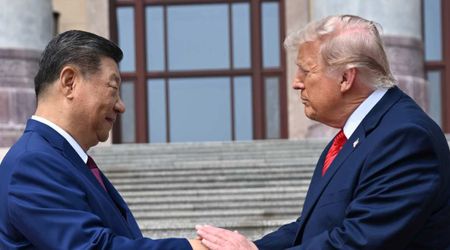
Iran hints US-linked ships could be blocked from Strait of Hormuz in chilling new warning
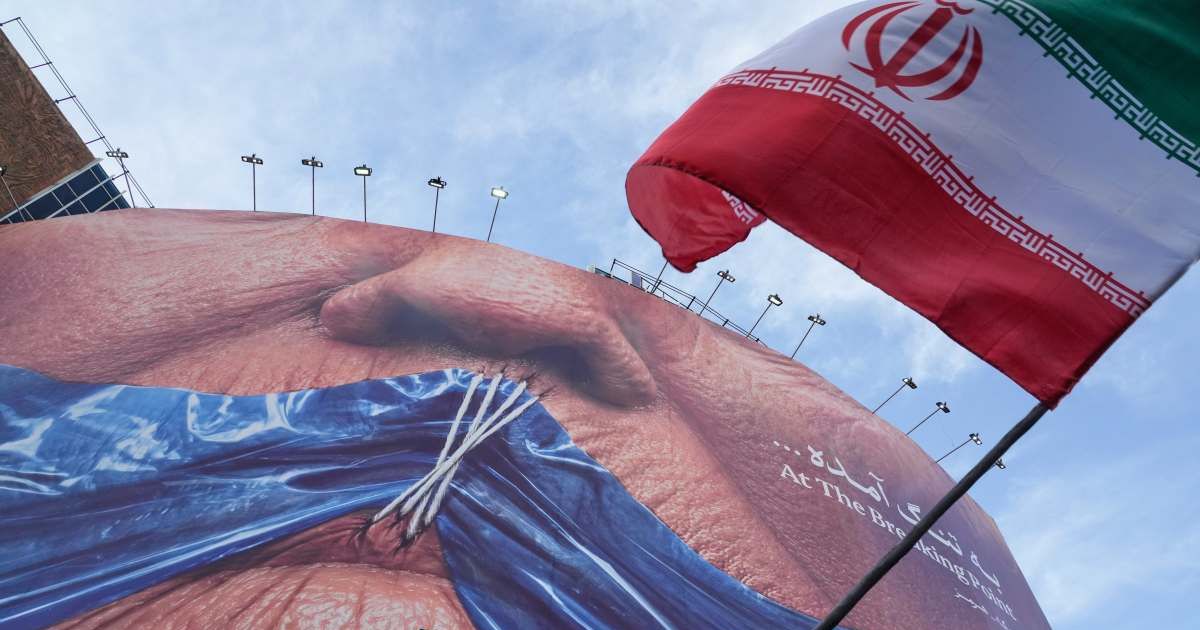
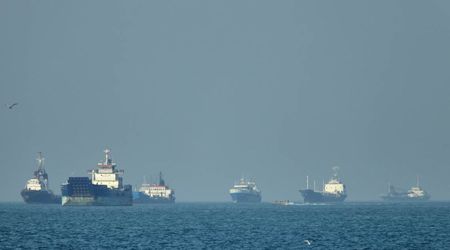
TEHRAN: In a major escalation that threatens to re-ignite volatility in global energy corridors, a senior Iranian official warned on Saturday, May 16, that the Islamic Republic is finalizing a highly restrictive transit framework for the Strait of Hormuz.
Ebrahim Azizi, the chairman of the Iranian parliament's National Security and Foreign Policy Committee, announced via social media that Tehran has established a centralized maritime corridor designed to lock out American-backed commercial traffic while imposing new financial tolls on global shipping.
Iran, within the framework of its national sovereignty and the guarantee of international trade security, has prepared a professional mechanism to manage traffic in the Strait of Hormuz along a designated route, which will be unveiled soon.
— ابراهیم عزیزی (@Ebrahimazizi33) May 16, 2026
In this process, only commercial…
The announcement represents an aggressive assertion of regional authority over a global maritime chokepoint that handles roughly 20% of the world's petroleum.
The region has been gripped by a tense standoff since the initial closure of the waterway following military strikes earlier this year.
While a Pakistani-mediated ceasefire took effect on April 8, subsequent security talks failed to yield a permanent settlement.
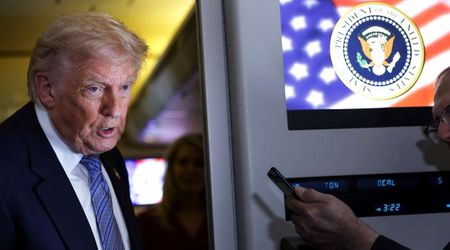
The new maritime framework directly targets President Donald Trump's recently announced "Project Freedom", a US naval initiative intended to escort merchant vessels through the strait despite Tehran's security objections.
Tehran restricts route to cooperating nations
According to the directive published by Azizi, the upcoming system will channel global shipping through a single, strictly managed route.
The veteran lawmaker explicitly stated that the economic and transit benefits of this newly designated maritime corridor would be reserved entirely for "commercial vessels and parties cooperating with Iran."
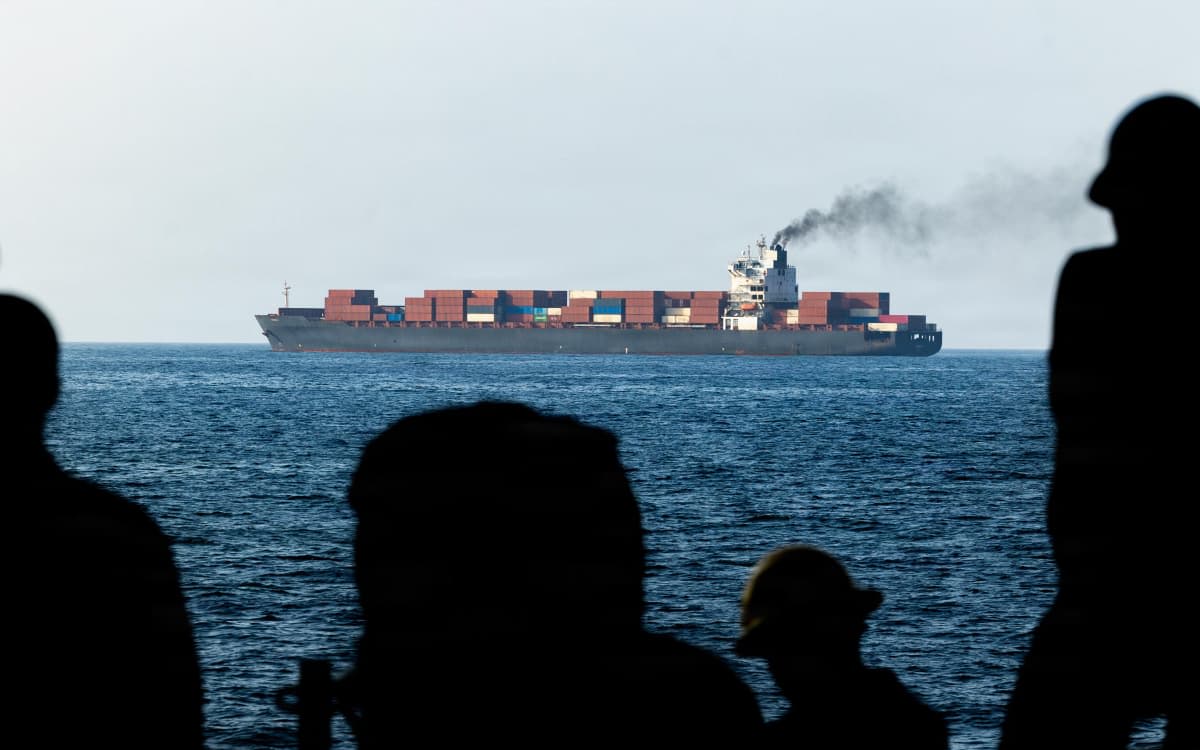
By limiting access to friendly operators, Tehran is attempting to establish a multi-tiered system of transit rights within the international waterway.
The official statement makes it clear that any vessels attempting to bypass Iranian authority or align with Western naval coalitions will face total exclusion.
"This route will remain closed to the operators of the so-called 'freedom project,'" Azizi declared, delivering a direct challenge to the White House's attempts to enforce open navigation.
The warning signals that any merchant vessel flying an American flag or participating in US naval escorts could be physically turned back or detained by regional forces.
Transit fees imposed on commercial shipping
In addition to routing restrictions, the new framework introduces an unprecedented financial toll system for passage through the strait.
The Iranian government intends to demand mandatory payments from all authorized vessels using the designated route.
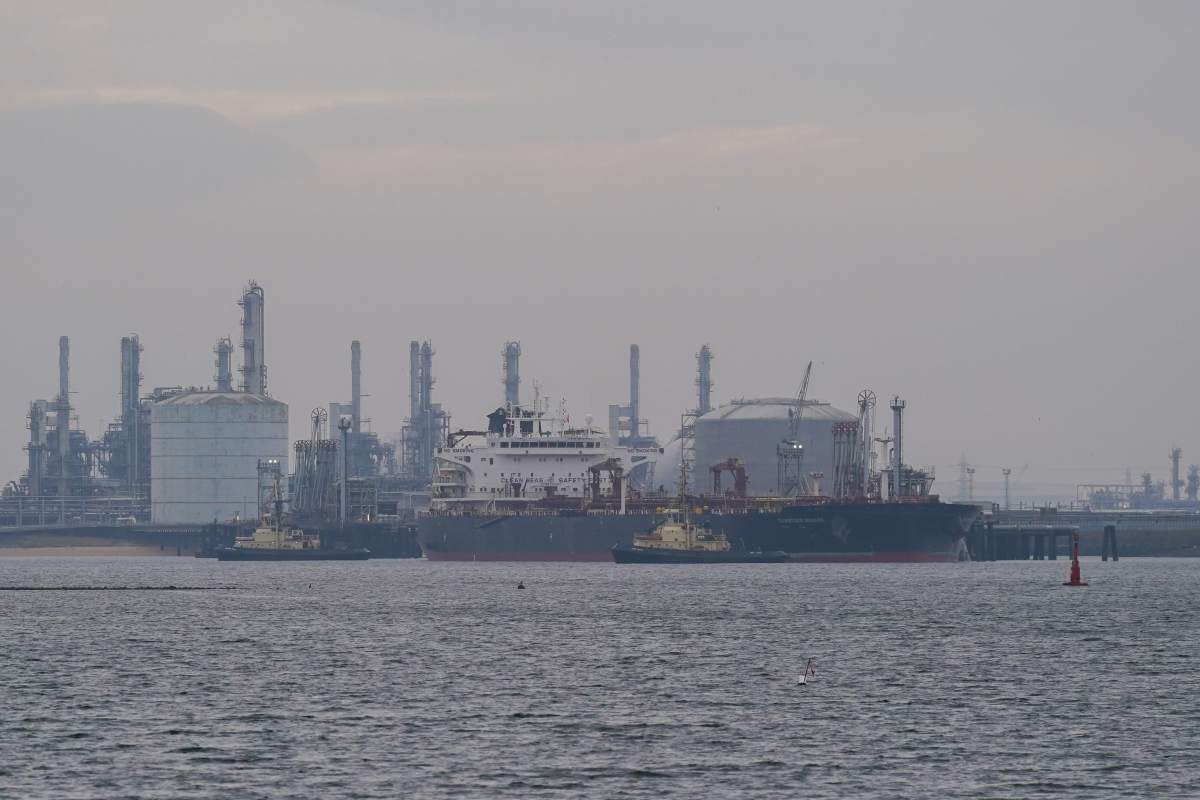
Azizi defended the measure as a legitimate exercise of territorial oversight, stating that the necessary fees will be collected in exchange for the "specialized services" provided by Iranian maritime authorities under the new mechanism.
The implementation of unilateral transit tolls has already triggered immediate international blowback, with regional trade partners like South Korea voicing strong opposition to the proposed fees.
Financial analysts warn that adding regulatory transit costs to a corridor already plagued by war-risk insurance premiums will drive global oil and commodity prices even higher, compounding the inflationary strains currently squeezing Western consumer economies.
Waterway authority challenges global navigation norms
The timing of the announcement underscores a definitive effort by Tehran to cement its geopolitical leverage over global supply lines.
Local state media outlets backed the lawmaker’s warning, declaring that traffic through the Strait of Hormuz is only possible through the direct "authority and will of the Armed Forces of the Islamic Republic."

This stance runs directly counter to decades of international maritime law, which treats the strait as an international waterway open to transit passage.
By framing the system within the "framework of its national sovereignty," Tehran is attempting to legitimize its control over the chokepoint before the United States can resume its paused naval escort operations.
With the newly designed route set to be unveiled shortly, the potential for a direct confrontation on the high seas remains critical.
If Washington attempts to push commercial vessels through the corridor without paying the mandatory tolls or securing prior approval, the fragile April ceasefire could collapse entirely.