China signals 'constructive' reset with US, pushes for relationship reboot
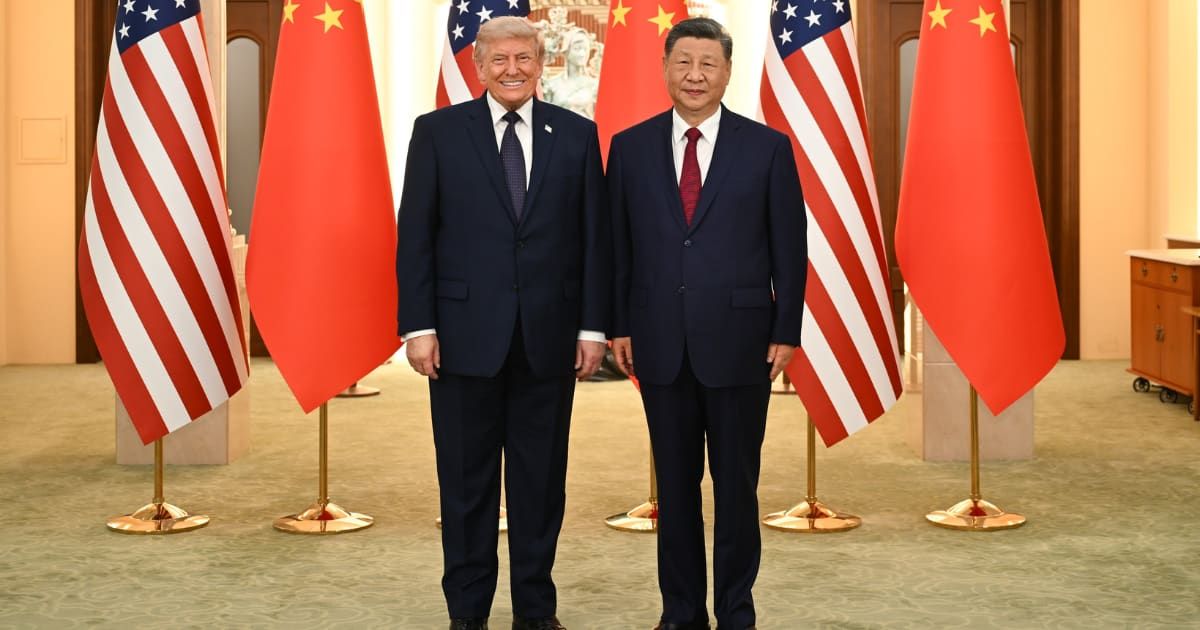
BEIJING, CHINA: After years of strategic rivalry, tariff fights, and rising military tensions, China has signaled a noticeably softer tone toward the United States, with Beijing now publicly calling for a more stable and cooperative relationship with Washington.
The messaging, delivered directly by Chinese officials on Thursday, May 14, comes as both powers attempt to manage growing global crises, from Middle East instability to trade and security disputes in the Indo-Pacific.
President Xi pointed out that the people of China and the U.S. are both great peoples. Achieving the great rejuvenation of the Chinese nation and making America great again can go hand in hand. We can help each other succeed and advance the well-being of the world.
— Mao Ning 毛宁 (@SpoxCHN_MaoNing) May 14, 2026
President… pic.twitter.com/ptG8J1cV1c
Beijing pushes for a fresh start with the US
The shift in tone came through a public message posted by Chinese Foreign Ministry spokesperson Mao Ning, who highlighted recent conversations between Chinese President Xi Jinping and President Donald Trump.
In her X post, Mao suggested that both countries now have an opportunity to move beyond confrontation and build what she described as a more stable long-term relationship.
“President Trump and I agreed to build a constructive China-US relationship of strategic stability,” Mao wrote while summarizing Xi’s remarks.
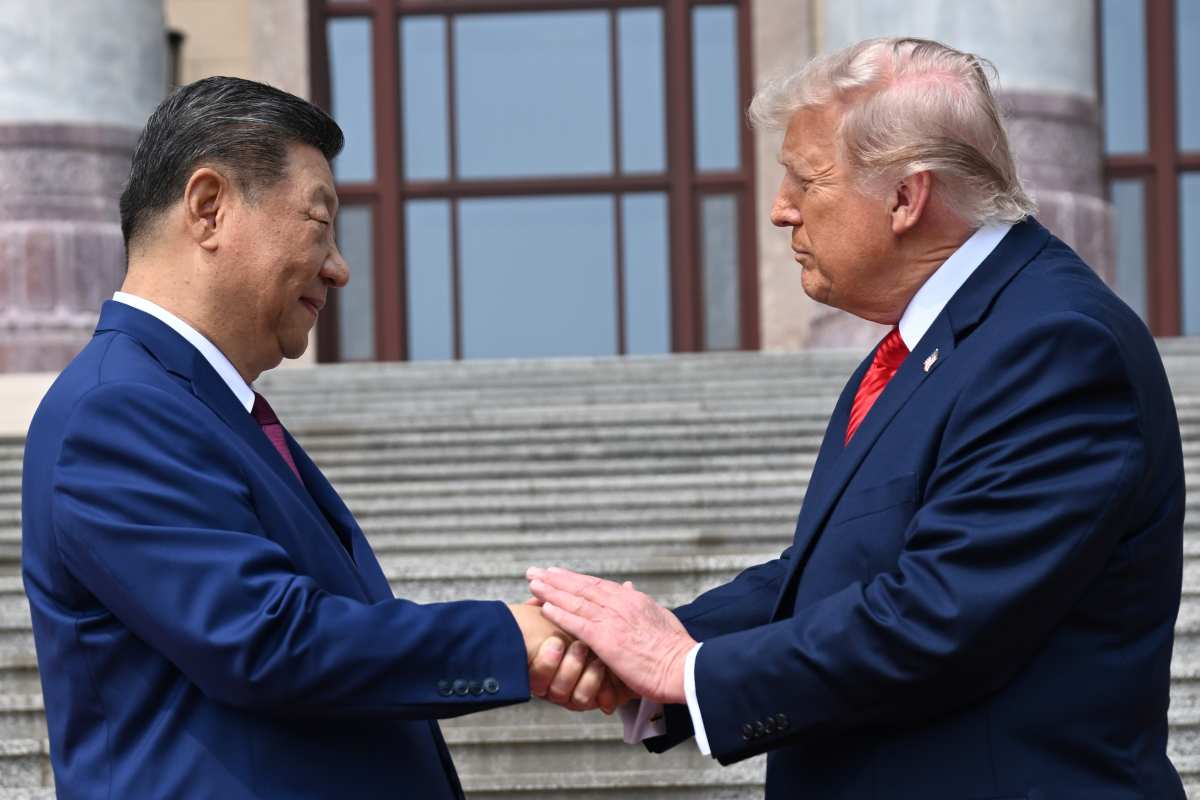
She added that such a relationship would help promote the “steady, sound and sustainable development” of ties between the world’s two largest economies.
The message was unusually optimistic by recent standards, particularly given the increasingly aggressive rhetoric both governments have used over trade, technology restrictions, military competition, and Taiwan.
Mao also invoked the domestic political visions of both leaders, writing that China’s national rejuvenation and Trump’s 'Make America Great Again' agenda "can go hand in hand."
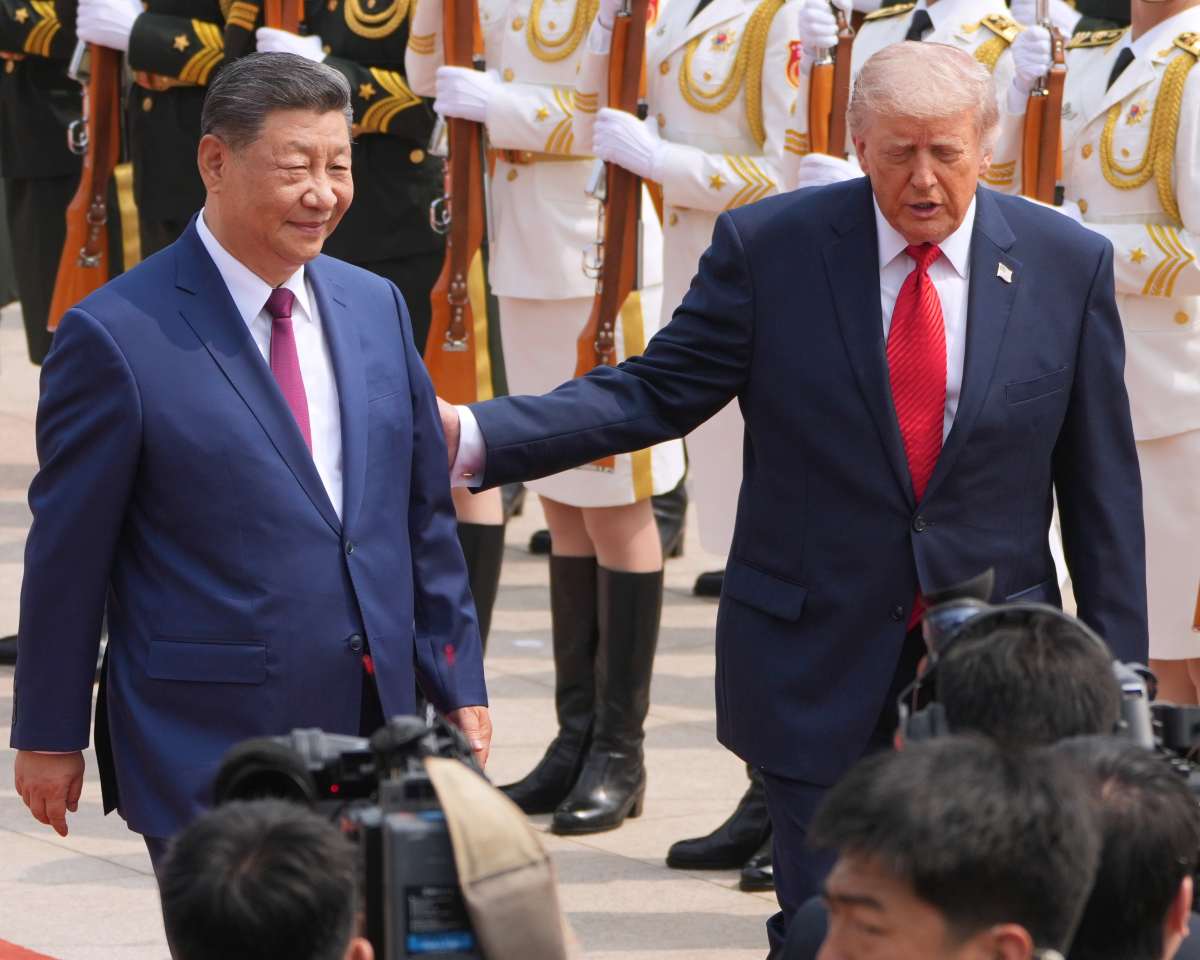
She further emphasized the scale of what is at stake.
“China-US relations concern the well-being of over 1.7 billion people of both countries, and affect the interests of over 8 billion people of the world,” she wrote.
The public outreach is being viewed as one of Beijing’s clearest signals in months that it wants to stabilize ties with Washington, even as strategic competition remains intense.
President Xi stressed to President Trump that the Taiwan question is the most important issue in China-U.S. relations. If it is handled properly, the bilateral relationship will enjoy overall stability. Otherwise, the two countries will have clashes and even conflicts, putting… pic.twitter.com/gqji6lEfL7
— Mao Ning 毛宁 (@SpoxCHN_MaoNing) May 14, 2026
Diplomatically, the timing is also significant. The message comes as the Trump administration seeks international coordination on multiple fronts, including global energy security, shipping routes, and the ongoing crisis involving Iran.
Beijing warns on fault lines
Despite the warmer rhetoric, Beijing also made clear that major fault lines remain.
In a separate public statement, Mao said Xi had raised the issue of Taiwan directly with Trump, calling it “the most important issue in China-US relations.”
Xi reportedly warned that how Washington handles Taiwan will determine whether the relationship remains stable or moves toward confrontation.
According to the Chinese readout, Xi said support for “Taiwan independence” and regional peace were “as irreconcilable as fire and water,” asserting that Beijing continues to treat the island as its most sensitive geopolitical red line.
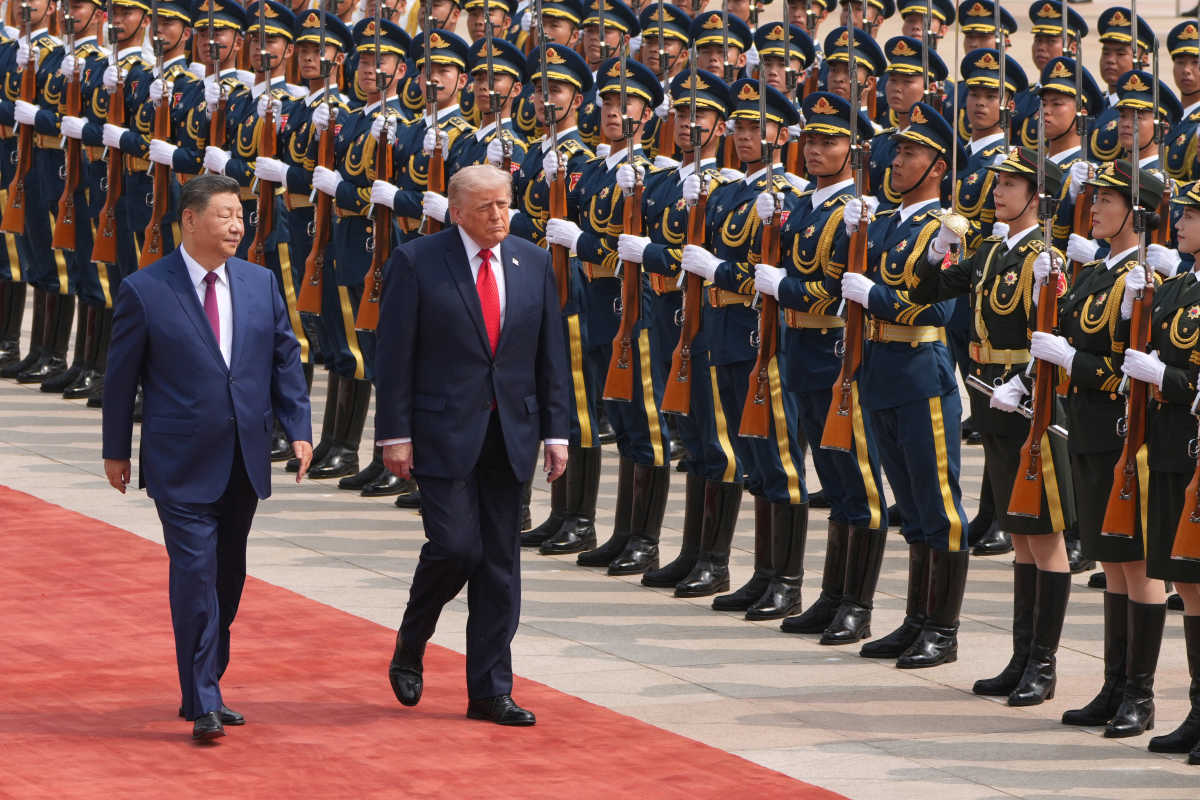
At the same time, both leaders appear to have found some common ground elsewhere.
According to a White House summary of recent discussions, Trump and Xi also agreed that the Strait of Hormuz must remain open to international commerce and should not become a pressure point in the ongoing Middle East conflict.