Iran hits US bases across Middle East in fiery payback for Strait of Hormuz strikes
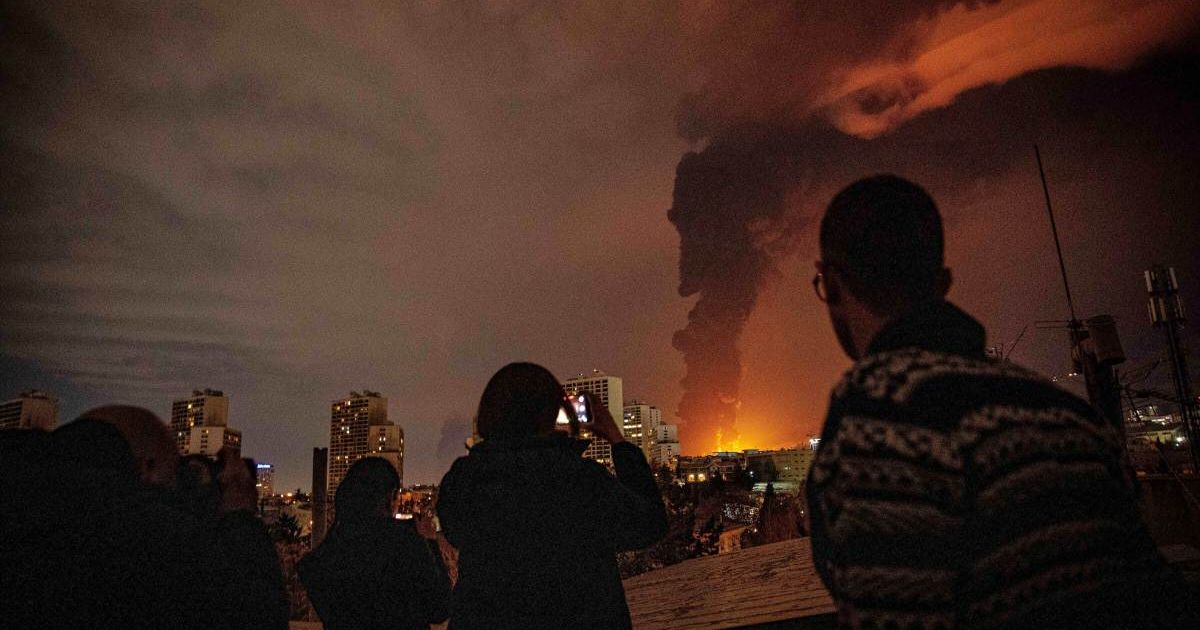
WASHINGTON, DC: President Donald J Trump's fragile ceasefire agreement with Iran faces its gravest challenge yet after Tehran claimed it launched retaliatory strikes against US military targets across the Middle East, marking the first direct confrontation since both sides signed a memorandum of understanding last week.
Iran's Islamic Revolutionary Guard Corps (IRGC) said Saturday, June 27, it targeted American military positions in response to US strikes on Iranian missile, drone and radar facilities around the Strait of Hormuz.
While US officials had not confirmed the Iranian claims at the time of publication, the reported exchange raises fresh doubts about whether the Trump-brokered ceasefire can survive its first major military test.
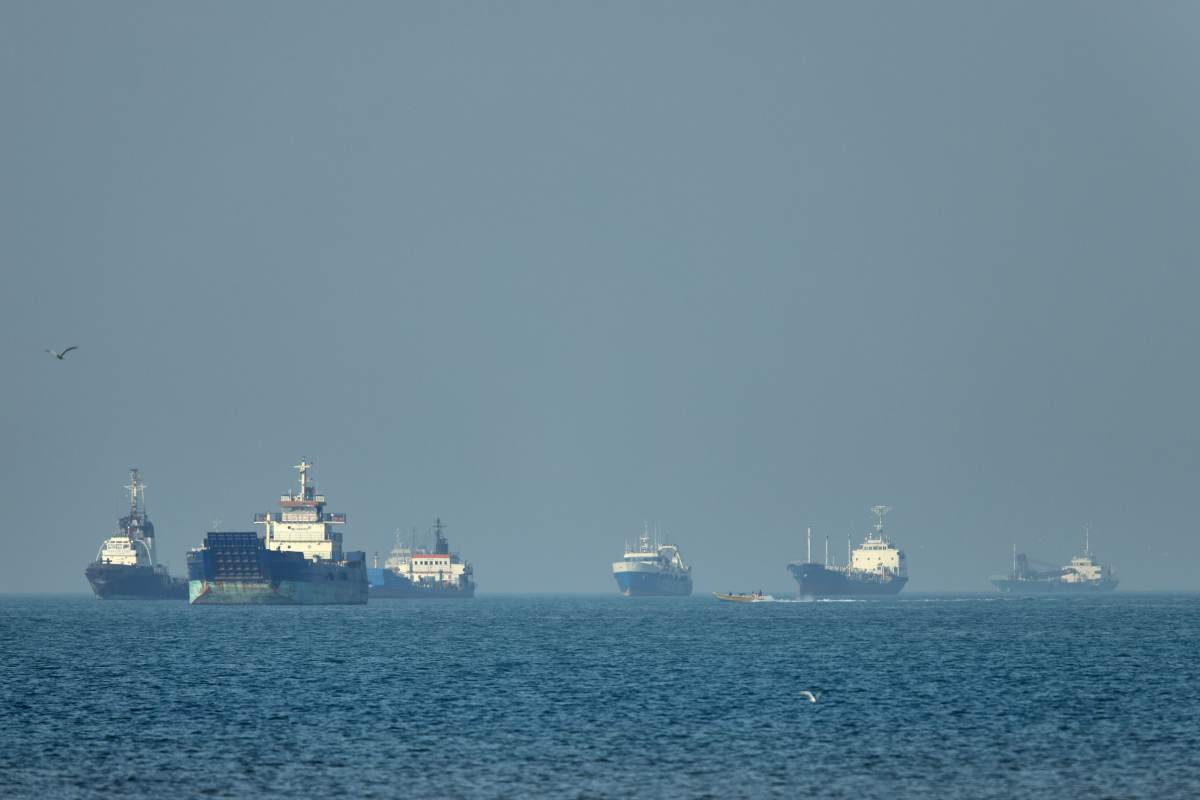
The escalation follows several days of mounting tensions over commercial shipping in the strategic waterway after Washington accused Tehran of violating the agreement by targeting merchant vessels transiting the Strait of Hormuz.
Retaliation rattles regional ceasefire
Iran condemns US airstrikes as flagrant violation of ceasefire MOU
— Tehran Times (@TehranTimes79) June 27, 2026
🔹The Iranian Foreign Ministry strongly condemned US airstrikes on Friday night targeting coastal monitoring facilities in southern Iran, calling it a blatant violation of the UN Charter and the MOU on ending the… pic.twitter.com/S6u1dRn1Fd
Iran's Foreign Ministry accused Washington of violating the ceasefire after CENTCOM announced on Friday that US aircraft had struck Iranian missile storage sites and coastal radar installations, describing the operation as a response to threats against commercial shipping.
Hours later, Iranian state media reported that Revolutionary Guard forces had retaliated against US military assets across the region.
Bahrain, home to the US Navy's Fifth Fleet headquarters, separately reported overnight drone attacks and condemned them as a violation of its sovereignty, though authorities did not immediately identify the intended target.
The developments represent the first reported military exchange between Washington and Tehran since the ceasefire framework was unveiled, placing renewed pressure on ongoing diplomatic contacts.
Shipping corridor faces fresh strain
UKMTO WARNING 076-26
— UKMTO Operations Centre (@UK_MTO) June 27, 2026
Click here to view UKMTO Products⤵️https://t.co/alTxwBuCqv#MaritimeSecurity #MarSec pic.twitter.com/wVnubqrMdp
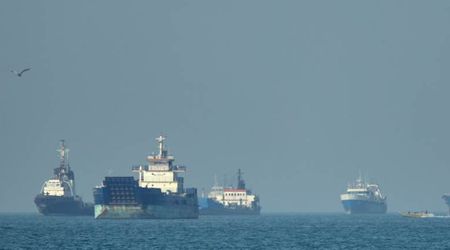
The renewed violence has also unsettled maritime traffic through one of the world's most important energy corridors.
The United Kingdom Maritime Trade Operations (UKMTO) reported that an unidentified projectile struck a commercial tanker transiting the Strait of Hormuz, damaging the vessel but causing no injuries among the crew.
In response, the Joint Maritime Information Center raised the security threat level in the waterway to "substantial" and announced adjustments to shipping routes near Oman to improve the safe movement of commercial traffic.
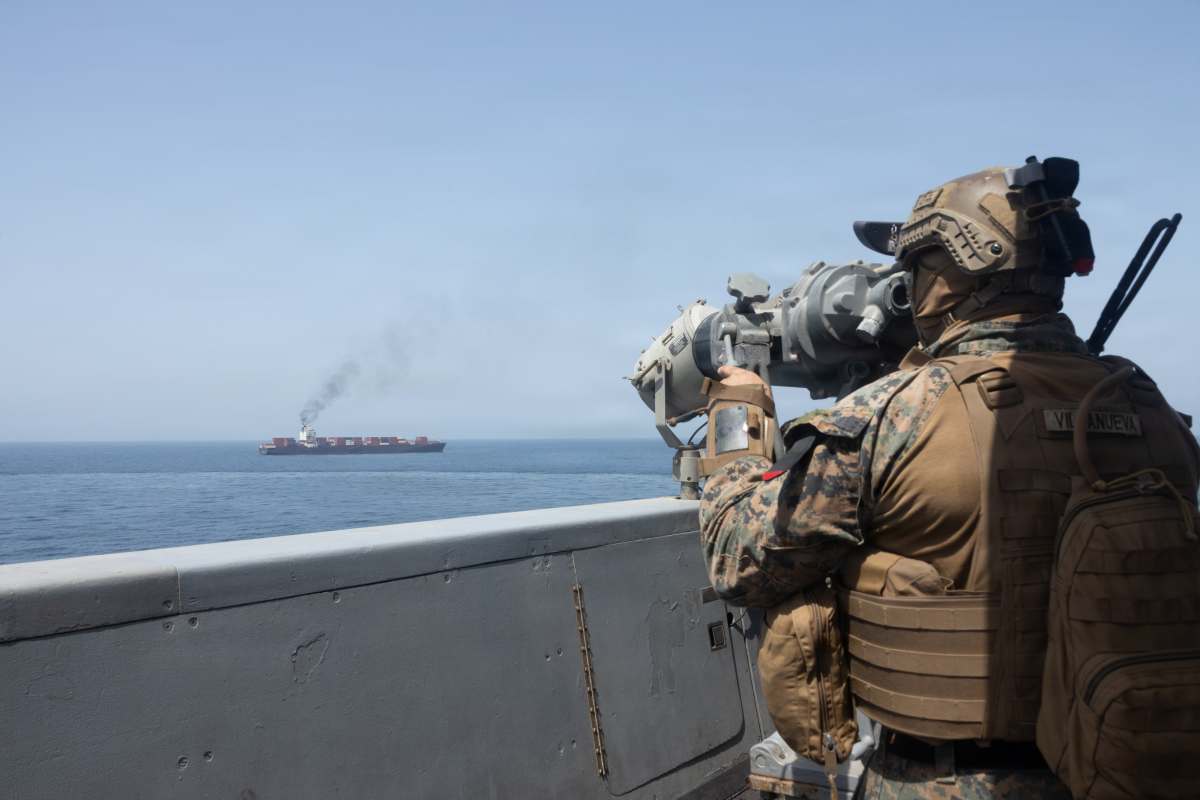
The latest confrontation stems from Thursday's reported attack on a merchant vessel, which Trump described as a "foolish violation" of the ceasefire.
Although US officials have indicated they do not view the current exchanges as a return to full-scale conflict, the renewed strikes have placed the administration's signature Middle East peace effort under immediate pressure.
The memorandum requires Iran to use its best efforts to ensure safe passage through the Strait of Hormuz, but disagreements over implementation, including whether Tehran can impose future shipping fees, continue to complicate negotiations as both sides assess their next steps.