Rubio scrambles to stop Hezbollah war from sinking fragile US-Iran peace talks
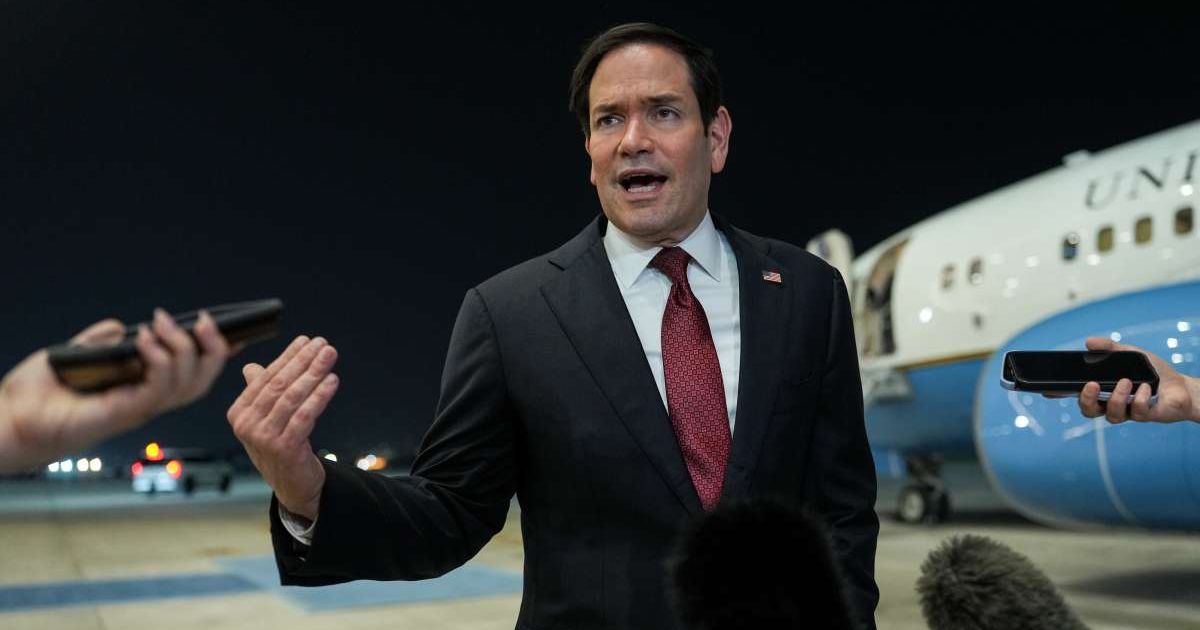
ABU DHABI, UAE: Secretary of State Marco Rubio is scrambling to prevent a widening Israel-Hezbollah conflict from derailing the Trump administration's fragile diplomatic opening with Iran, publicly rejecting Tehran's repeated demands that Lebanon be folded into the broader negotiating framework.
Speaking upon his arrival in the United Arab Emirates on Tuesday, June 23, Rubio sought to draw a hard line between ongoing US-backed Israel-Lebanon discussions and separate negotiations aimed at transforming last week's preliminary US-Iran understanding into a permanent agreement.
The future of Lebanon belongs to the Lebanese people through their sovereign, elected government.#NYI pic.twitter.com/1N2aVh0nZs
— NewYork-Insight (@NewYork_Insight) June 23, 2026
The dispute has emerged as one of the most consequential obstacles facing the administration's Middle East strategy.
Iranian officials have repeatedly warned that continued Israeli military operations in Lebanon could jeopardize the diplomatic process, while Washington is attempting to keep the talks narrowly focused on Iran's nuclear program, sanctions relief, and regional security commitments.
The disagreement exposes a growing divide over what issues belong at the negotiating table and whether Tehran can leverage Hezbollah-related tensions to influence the broader diplomatic track.
Marco Rubio rejects Lebanon linkage demands
⚡️🇺🇸🇱🇧🇮🇷 — US Secretary of State Marco Rubio on the round of talks between Israel and Lebanon, after landing in the UAE: "This is separate from the negotiations with Iran, Lebanon belongs to the Lebanese. The discourse with Iran concerns their support for Hezbollah..The future of…
— MaxOsint Intel (@maxosintintel) June 23, 2026
"It’s separate because Lebanon is a sovereign country," Rubio told reporters, making clear that Washington will negotiate Lebanon's future directly with Beirut rather than through Tehran.
While acknowledging Iran's longstanding support for Hezbollah, Rubio argued that the future of Lebanon should be determined by its elected government rather than external actors.
The secretary's comments represent the administration's strongest public effort yet to prevent Lebanon from becoming a bargaining chip inside the larger diplomatic process.
His remarks came as another round of Israel-Lebanon discussions continued at the State Department, with US officials attempting to preserve a fragile ceasefire that has faced repeated strain from cross-border military activity.
Gulf allies seek stronger guarantees
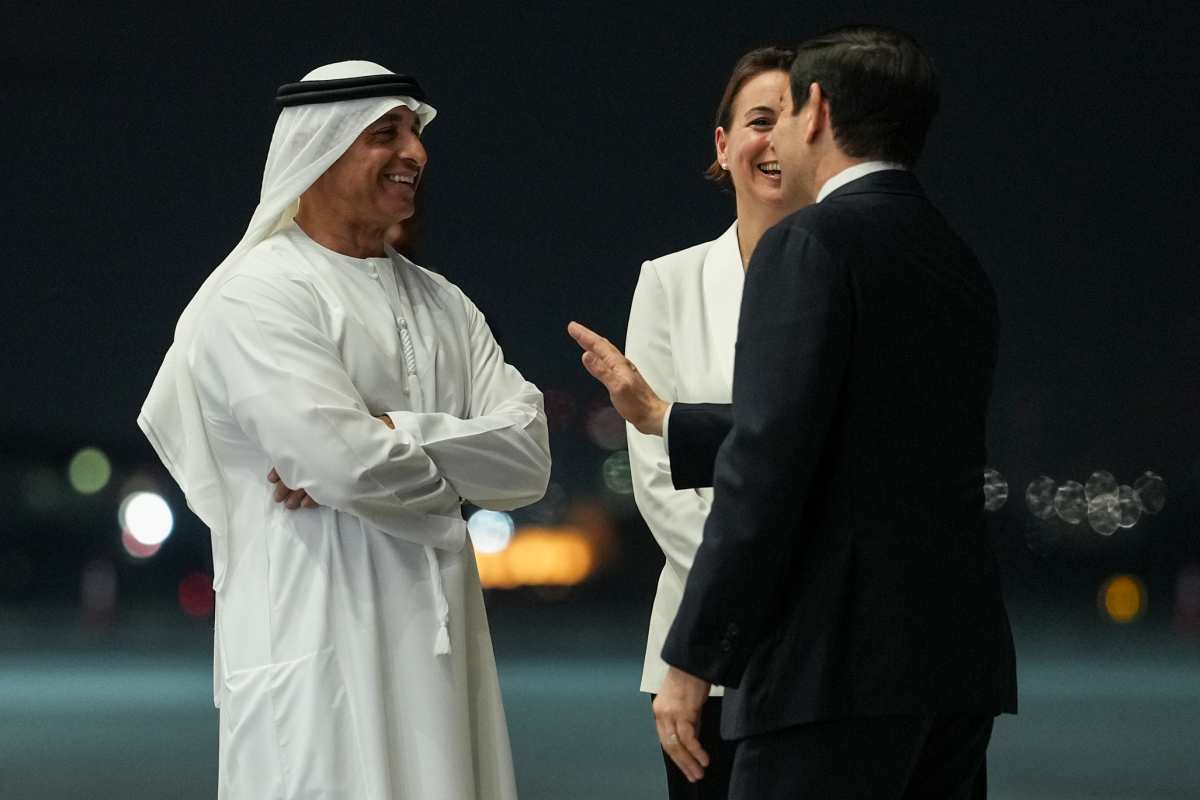
Rubio's visit to the UAE, Kuwait and Bahrain reflects growing concern among Gulf partners about the direction of the negotiations and their long-term security implications.
"We're really here to hear from them more than we are to talk," Rubio said, emphasizing that regional allies will play a critical role in shaping future decisions.
The secretary acknowledged that concerns about Iran's missile capabilities and support for armed proxy groups remain central issues throughout the region.
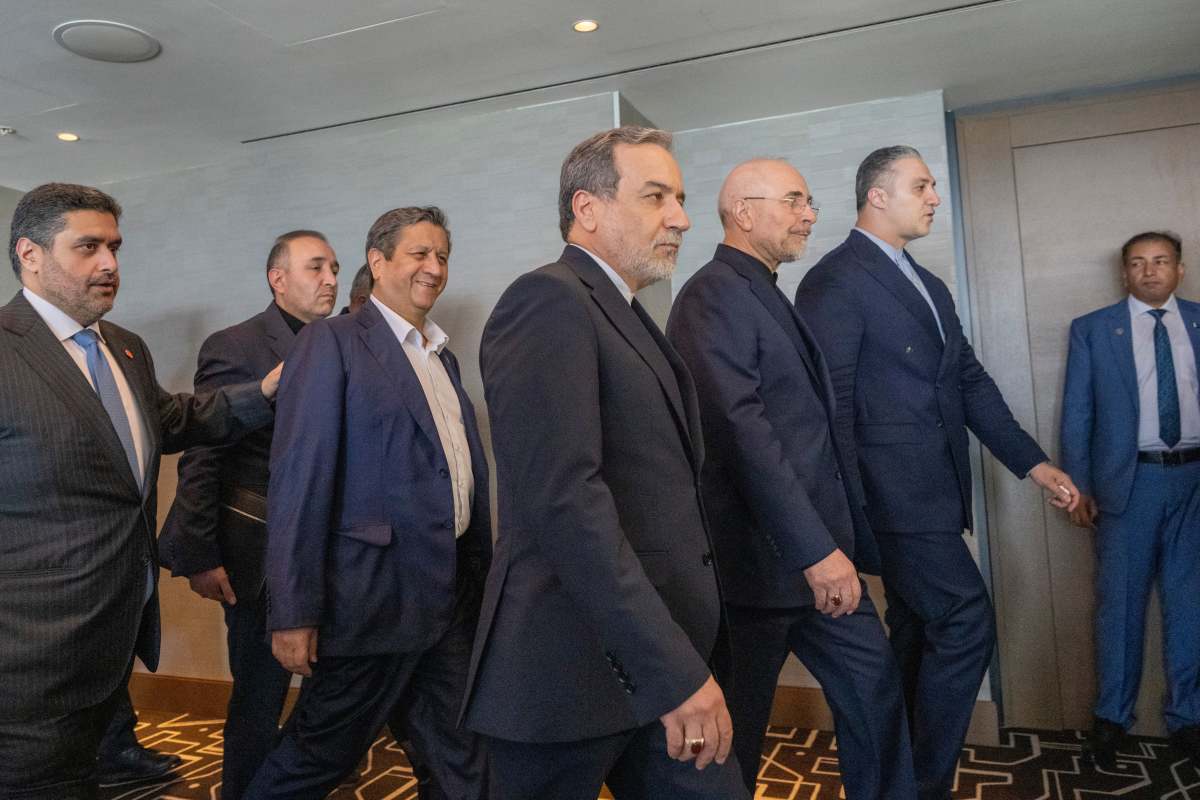
While Gulf governments broadly support efforts to avoid another major conflict, officials remain cautious about any agreement that fails to address Tehran's regional influence beyond its nuclear activities.
Rubio stressed that discussions remain a work in progress despite what he described as productive groundwork laid during recent talks in Switzerland.
Proxy concerns remain unresolved
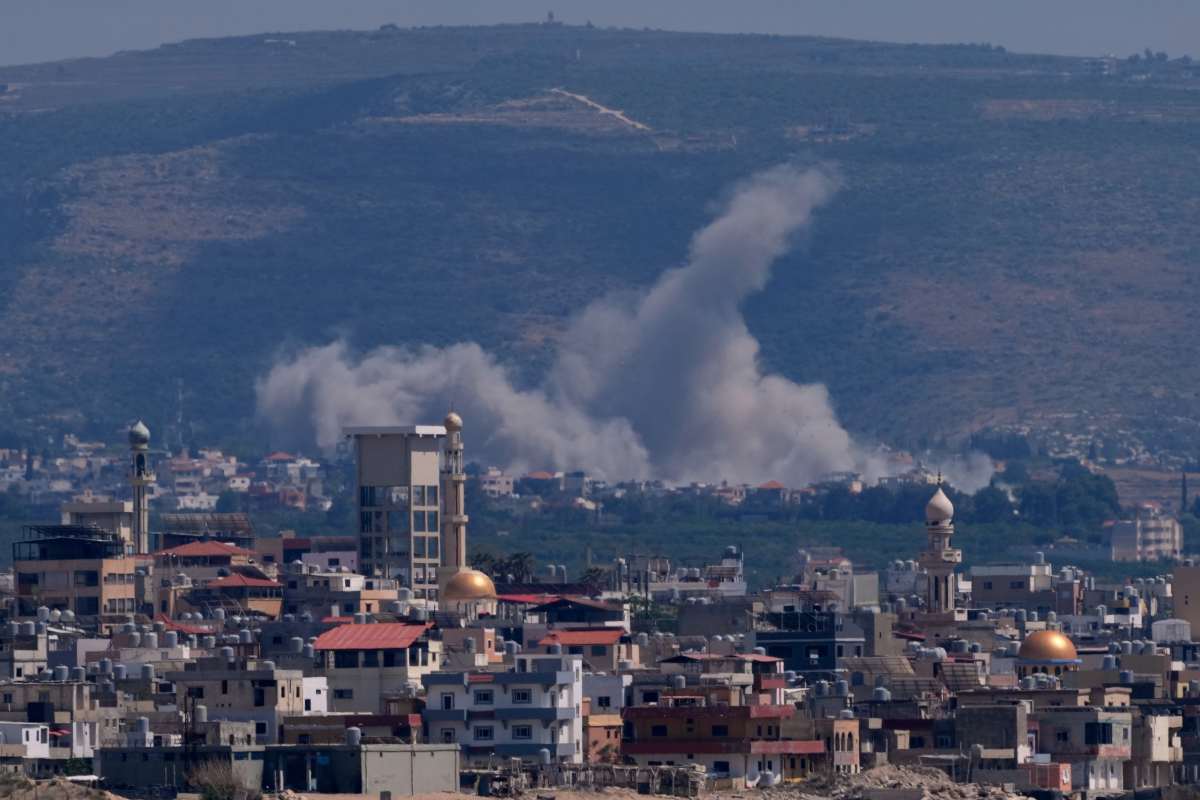
Even as Washington seeks to compartmentalize negotiations, the administration continues to view Iran's regional network as a major obstacle to lasting stability.
Rubio argued that a genuine end to hostilities across the Middle East cannot occur while groups aligned with Tehran continue operating across multiple fronts.
He pointed specifically to Hezbollah and other armed factions in Iraq as issues that will eventually need to be addressed.
Although those concerns are not explicitly outlined in the preliminary framework announced last week, Rubio indicated they remain firmly on the administration's agenda.
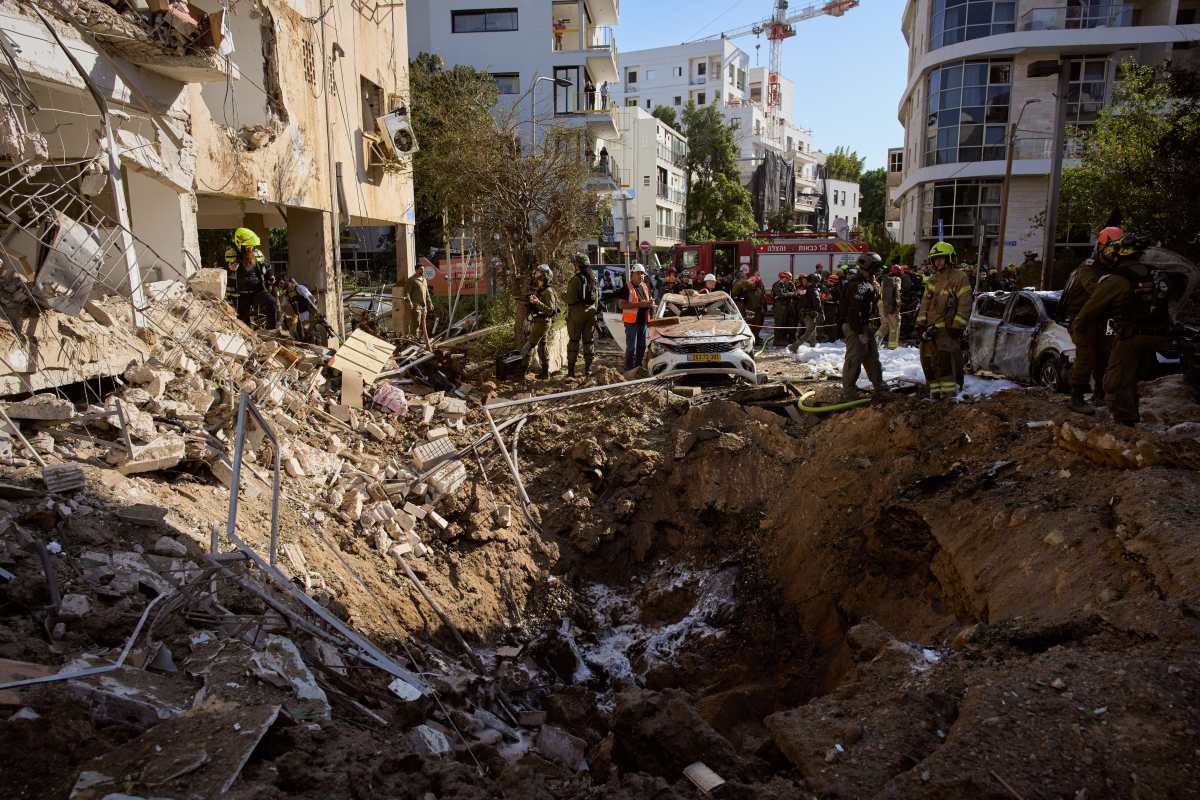
With Tehran continuing to link Lebanon's security situation to broader negotiations, and Gulf allies pressing for stronger safeguards, the White House now faces a delicate balancing act: preserving diplomatic momentum while preventing regional flashpoints from pulling the entire process off course.