'2 weeks, 2 years': Trump says US can bomb Iran for years, then warns of another Great Depression
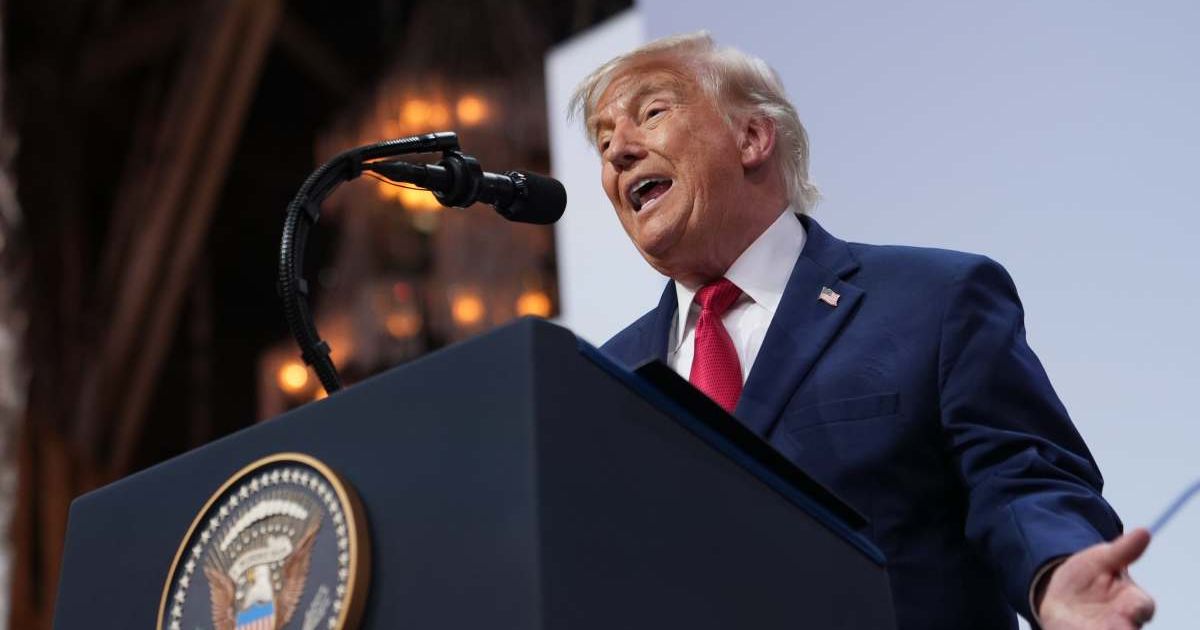
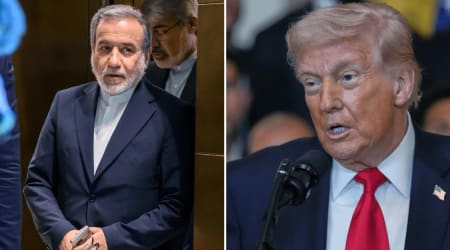
ÉVIAN-LES-BAINS, FRANCE: President Donald J Trump delivered a striking, dual-track defense of his newly announced Middle East ceasefire framework at the close of the 52nd G7 summit, asserting that while the United States possessed the unyielding military leverage to drop bombs on Iran for up to two more years, he chose diplomacy to insulate the global financial system from a catastrophic, 1929-style depression.
Speaking during a high-stakes press conference in the alpine resort town of Évian-les-Bains, Trump attempted to reframe the unreleased treaty text as both an absolute military triumph and a necessary intervention to protect domestic stock markets.
The remarkable juxtaposition highlights an aggressive messaging strategy by the White House to appease congressional defense hawks while justifying the extensive sanctions relief granted to Tehran.
Trump: We could have dropped more bombs for another 3 weeks, 2 weeks, 4 weeks, 2 years pic.twitter.com/qY3lhbQBdj
— FactPost (@factpostnews) June 17, 2026
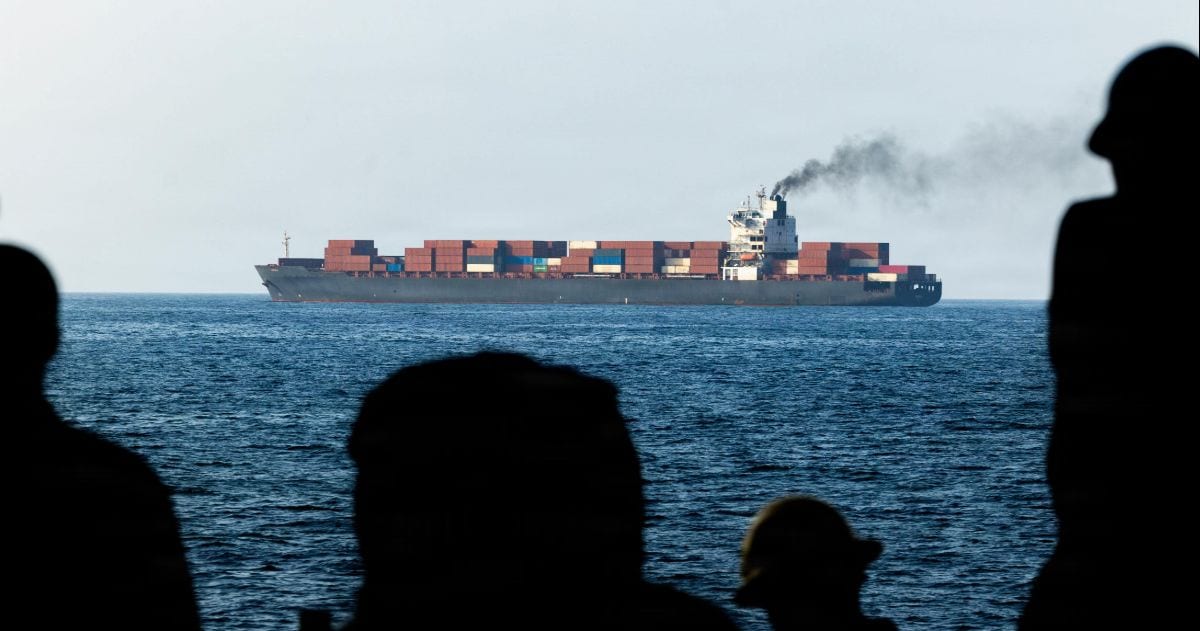
The conflict, which ignited following pre-emptive strikes on February 28, rapidly triggered severe energy volatility, sending global crude prices skyrocketing and threatening a profound inflationary crisis.
Trump argued that while his tactical commanders were fully prepared to sustain an open-ended bombing campaign to systematically dismantle the remainder of Iran's infrastructure, extending the naval war risked causing a systemic corporate meltdown that would have entirely erased domestic industrial gains.
Executive claims unlimited aerial combat endurance
Trump: "And it's a memorandum of understanding. If it doesn't get done in 60 days, that's alright. We go back to bombing ... we might have to" pic.twitter.com/ck9XKUxuYV
— Aaron Rupar (@atrupar) June 17, 2026
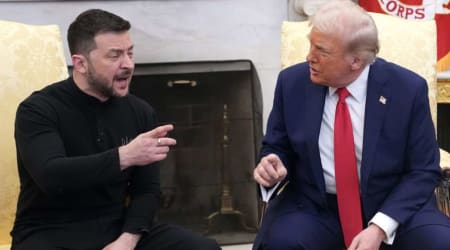
"If we didn’t do this deal, we could have dropped more bombs for another three weeks, two weeks, four weeks, two years," Trump told reporters, emphasizing that Washington held a position of total military dominance at the bargaining table.
The president directly linked this crushing aerial pressure to the creation of the 60-day preliminary memorandum of understanding, which mandates the toll-free reopening of the blockaded Strait of Hormuz.
Trump warned that the administration retains total readiness to resume its intensive bombing campaign should the upcoming technical negotiations in Switzerland collapse.
Referencing an earlier bilateral session with Indian Prime Minister Narendra Modi, Trump reiterated that the United States will go right back to dropping bombs right smack in the middle of their head if the regime misbehaves or breaches its non-proliferation commitments.
Historical economic comparison drives treaty completion
Trump: "The one president I did not want to be was the late, great Herbert Hoover" pic.twitter.com/ItzMEn1Clt
— Aaron Rupar (@atrupar) June 17, 2026
Shifting directly to global commerce, the president adopted a surprisingly cautious financial tone, admitting that his primary administrative objective was preventing a severe domestic market catastrophe.
Trump revealed that he has studied past executives extensively and deliberately structured the current peace framework to avoid replicating the devastating policy errors of the early twentieth century.
"The one president I did not want to be was the late, great Herbert Hoover," Trump asserted, claiming that the 31st president directly accelerated the 1929 stock market crash by raising corporate taxes and tightening interest rates too fast, all at the same time.
Rather than allowing his administration to be defined by a prolonged war that could trigger an identical economic depression, Trump chose to capitalize on the market's positive reactions to the peace talks.
Financial markets validate executive diplomatic strategy
TRUMP: Every time we talked about the possibility of peace, the stock market shot up like a rocket ship. It never went down.
— LuxAlgo (@LuxAlgo) June 17, 2026
The stock market is more brilliant than anybody there is, other than me of course. pic.twitter.com/jM6lN7IQaY
The president concluded by declaring that the financial sector had consistently validated his transactional approach to foreign policy, describing the stock market as far more brilliant than any conventional political analyst.
Trump noted that every single time backchannel negotiators signaled that the United States was going to settle the conflict, the indices shot up like a rocket ship, whereas rumors of prolonged military friction caused massive, immediate drop-offs.
By prioritizing industrial market stability and scheduling an executive press conference to fully unveil the treaty's text, the White House is betting that the promise of economic insulation will successfully neutralize bipartisan domestic pushback before the formal Friday signing ceremony commences.