Trump invokes Defense Production Act as Iran war strains US weapons stockpiles
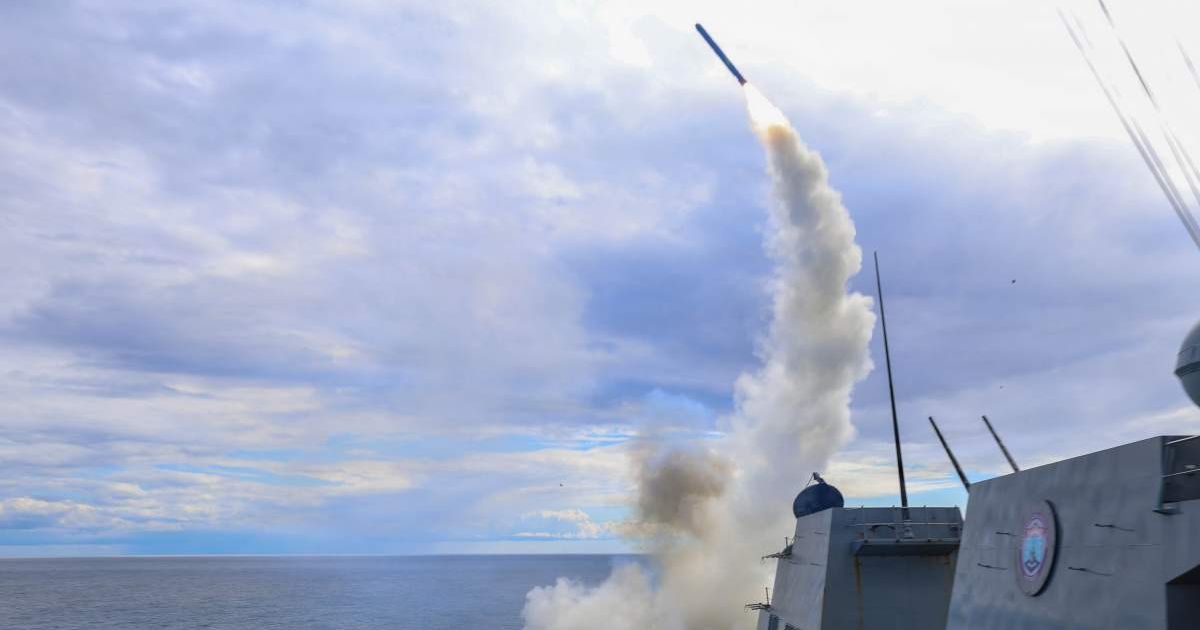
WASHINGTON, DC: President Donald Trump has invoked the Defense Production Act (DPA) to address production constraints affecting US munitions and weapons supply chains, according to a presidential memorandum released on Tuesday, June 16.
The action comes amid growing scrutiny of US military stockpiles following the conflict with Iran and ongoing concerns about the defense industrial base’s ability to meet future demand. The memorandum delegates authority to Defense Secretary Pete Hegseth to use provisions of the law aimed at expanding weapons production and addressing supply-chain bottlenecks.
DPA authority expanded to address supply chain bottlenecks
In the memorandum, Trump stated that production limitations could threaten national defense readiness. “I hereby find that conditions exist which may pose a direct threat to the national defense or its preparedness programs,” Trump wrote.
The memorandum cited “limited production capacity, fragile supply chains, long-lead dependencies, and related production bottlenecks” as factors that could affect the availability of critical military equipment.
🇺🇸 Trump invoked the Defense Production Act to force-feed the U.S. munitions industry
— Mario Nawfal (@MarioNawfal) June 16, 2026
Rocket motors, guidance systems, and the supplier bottlenecks that have been quietly failing America's military for years.
He is wasting no time to rebuild the arsenal that just got depleted… pic.twitter.com/Y8Wvw3dryP
Under the directive, the Pentagon is authorized to pursue voluntary agreements with private industry through the Defense Production Act. The law, first enacted in 1950, gives the federal government broad authority to expand production of materials deemed necessary for national defense.
It can require companies to prioritize government contracts and permits collaboration among firms that might otherwise face antitrust restrictions.
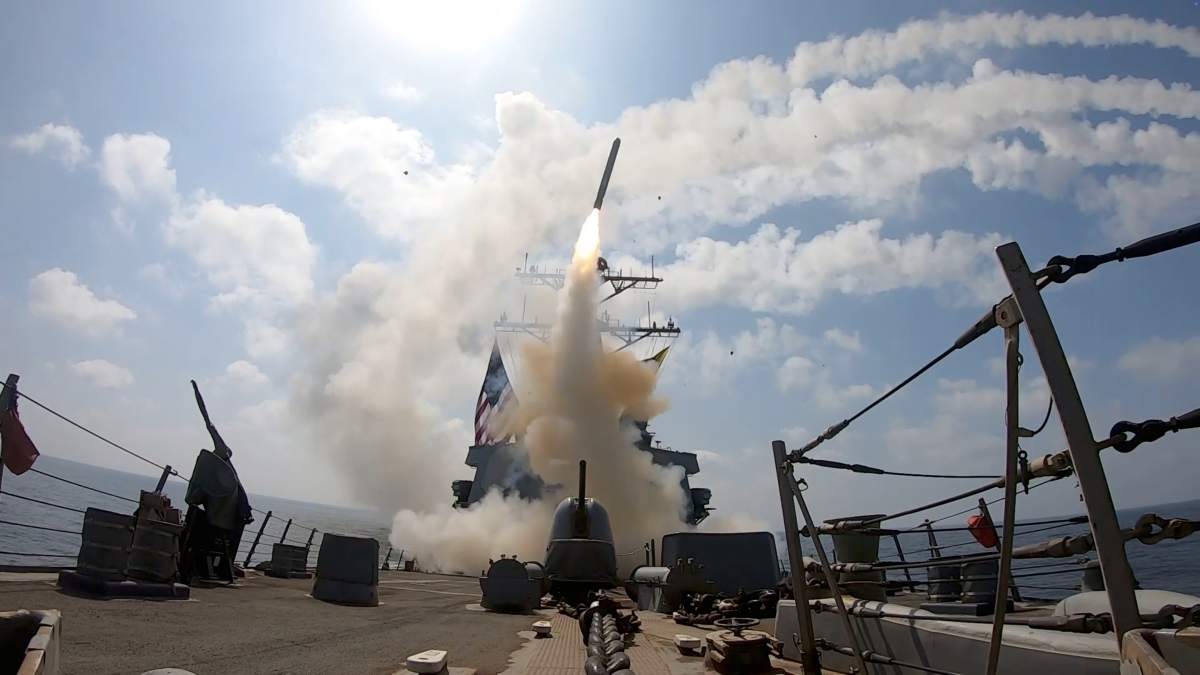
The memorandum specifically highlighted concerns involving munitions, missiles and key components such as solid rocket motors, igniters and guidance systems, which officials have described as among the most capacity-constrained areas of defense production.
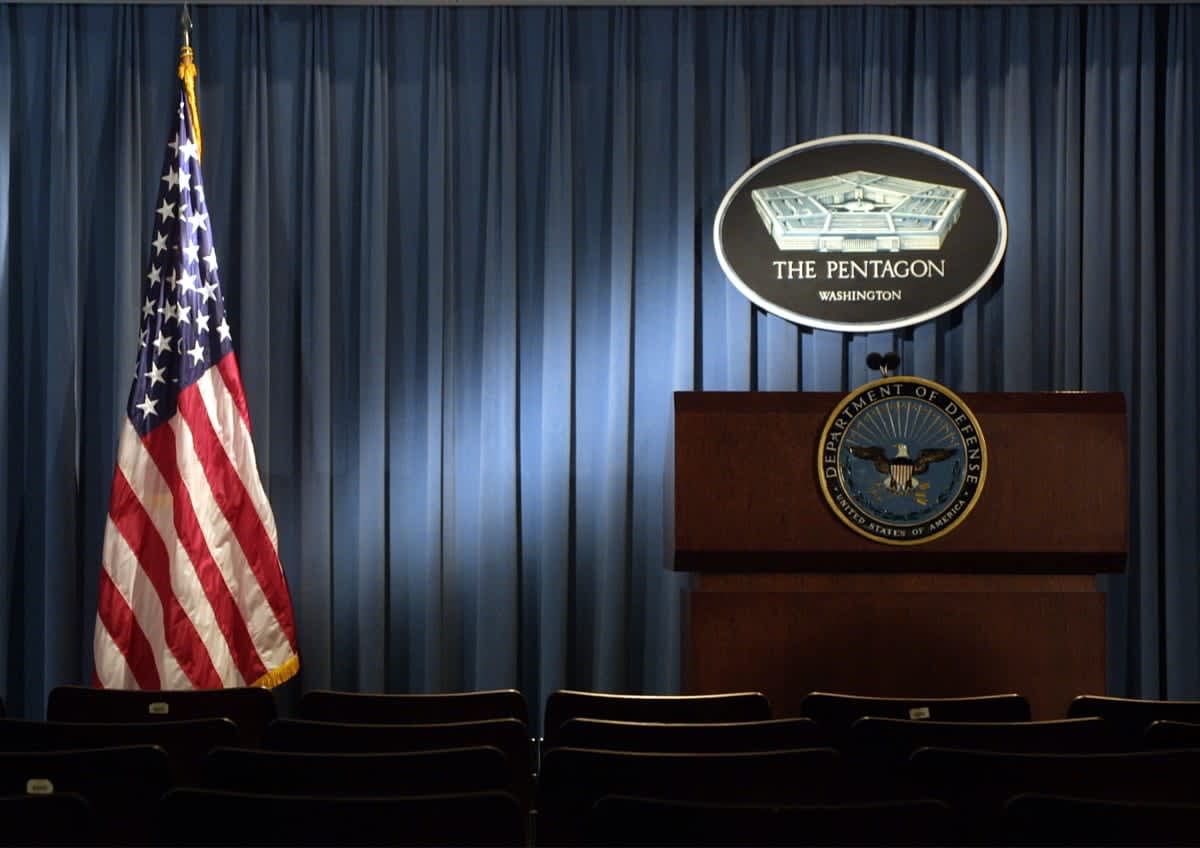
The assistant secretary of defense, Michael Cadenazzi, for industrial base policy, said that the administration has been exploring mechanisms under the DPA to bring defense companies together to address industrial base challenges.
“This is 30 years of collective neglect of these issues and an unwillingness to take action.”
— CNAS (@CNASdc) June 16, 2026
Assistant Secretary of War Michael Cadenazzi, @OASWIBP, on the persistent issues in the defense industrial base. pic.twitter.com/NuF30almgu
“Sometimes we need the collective wisdom of all the assembled companies to collaborate and solve our problems for us and we want them to provide their best advice from the industrial side,” Cadenazzi said.
Iran conflict renewed focus on stockpile levels
The administration’s action follows increasing attention on US weapons inventories after military operations involving Iran.
An April analysis by the Center for Strategic and International Studies estimated that the United States may have used more than half of its inventory of four critical munitions systems, including Tomahawk cruise missiles, during the campaign. The issue has become a point of debate within the administration.
During a Senate hearing yesterday, Defense Secretary Hegseth said that it would take "months to years" to replenish munitions spent on Trump's war with Iran.
— Home of the Brave (@OfTheBraveUSA) May 1, 2026
Today, Trump claimed that we have "more than double" the munitions we had prior to the war with Iran. pic.twitter.com/g2FtmWMu3G
In testimony earlier this year, Hegseth acknowledged that replenishing certain munitions could take “months to years.” However, talking to CBS’ on Sunday, June 14, he rejected suggestions that the military faces a significant shortage.
🚨 NEW: Pete Hegseth SPARS with CBS News host Margaret Brennan after she claims: “There is a crisis with munitions stockpiles right now in private industry.”
— TV News Now (@TVNewsNow) June 14, 2026
Hegseth: “No there’s not. That is a manufactured story that the media wants to peddle!”
Brennan: “You have testified… pic.twitter.com/Ub9mQQ5SEf
“That is a manufactured story that the media wants to peddle and ultimately our stockpiles are great, and they're only getting stronger,” Hegseth said.
The administration is seeking to increase total Defense Department spending to approximately $1.5 trillion through reconciliation legislation, which would allow Senate Republicans to approve the measure without Democratic support.
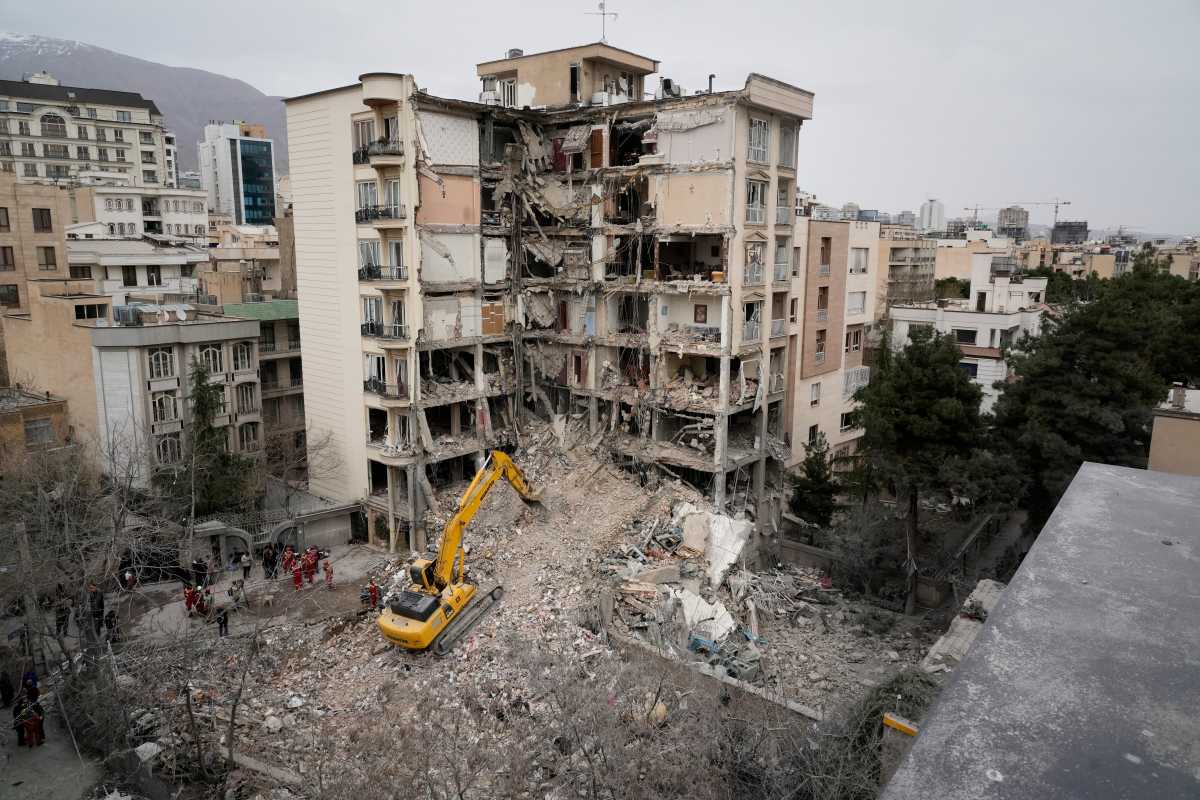
Administration officials have continued to argue that strengthening domestic weapons production remains necessary regardless of diplomatic developments with Iran, particularly given ongoing tensions in the region and the possibility of future military contingencies.