Obama slams Trump's 100-day war, warns US 'worse off' after abandoning 2015 nuclear pact
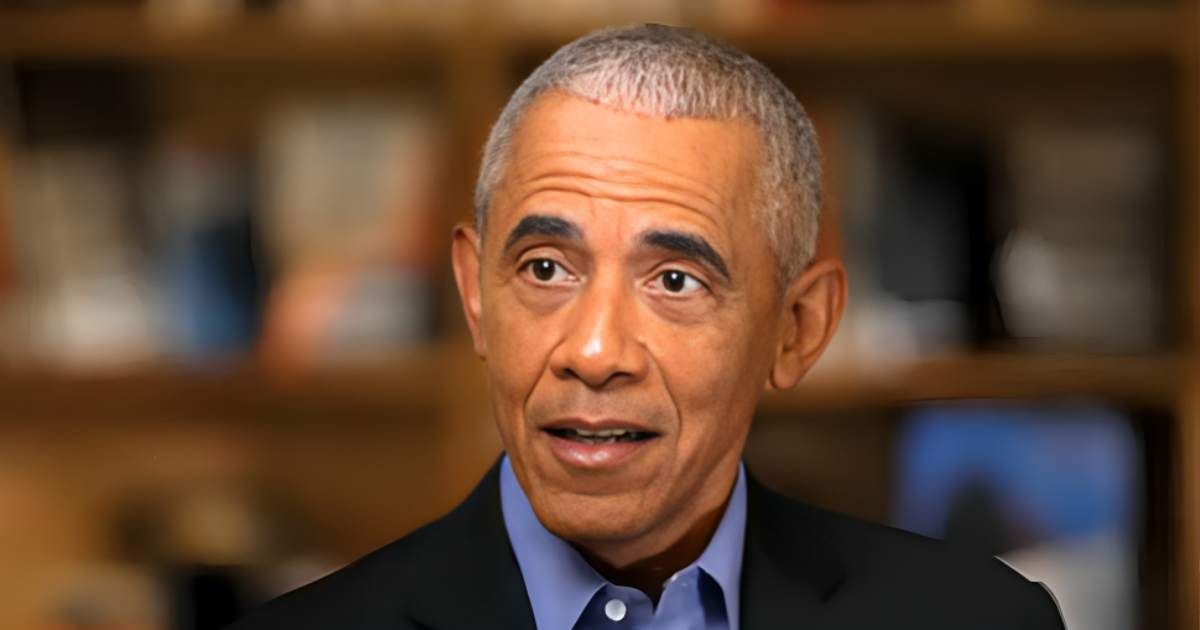
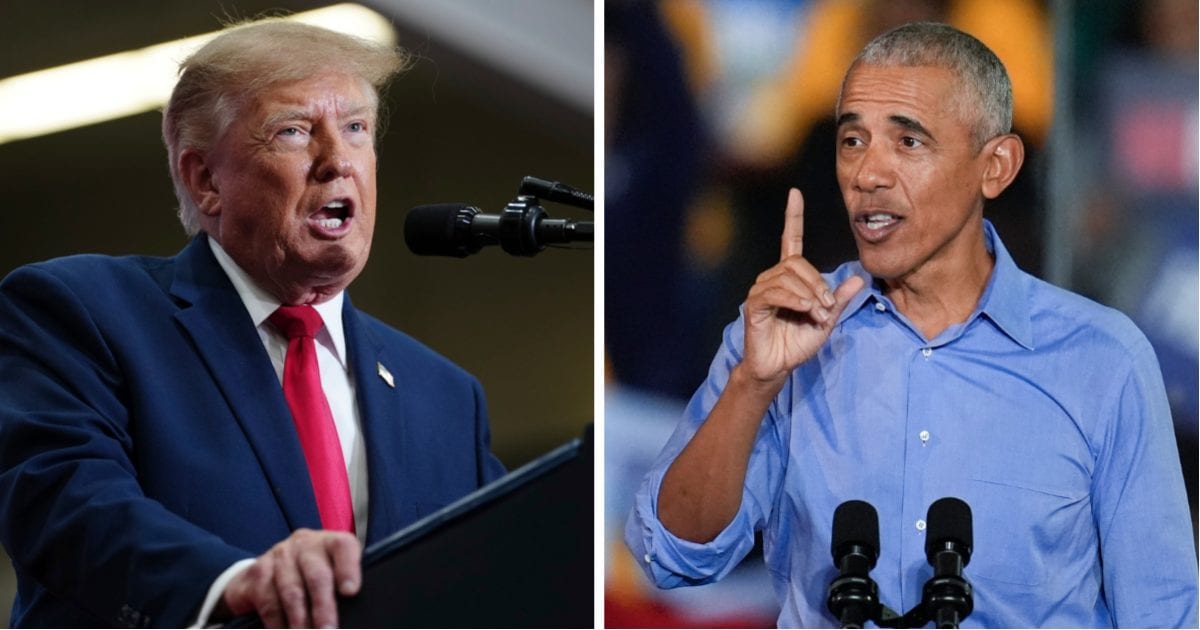
CHICAGO, IL: Former President Barack Obama delivered a scathing assessment of President Donald J Trump’s newly brokered Middle East truce, warning that after months of open warfare, billions of dollars spent, and significant loss of life, the United States has emerged in a weaker position than before the conflict began.
Speaking to NBC’s 'TODAY' show co-host Craig Melvin, Obama argued that the current preliminary memorandum of understanding merely returns Washington to a volatile status quo, effectively undoing years of non-proliferation progress while exposing deep structural fractures in American foreign policy.
The targeted intervention reopens a fierce national debate over whether Trump’s high-stakes conflict yielded any meaningful strategic gains or simply trapped Washington in a circular path back to familiar diplomatic parameters.
President Obama weighs in on the Iran MOU/deal.
— Reggie B. (@reggiebblue) June 19, 2026
"There was a deal in place in which Iran had agreed not to develop a nuclear weapon. This administration pulled out of it which caused Iran to develop more nuclear capacity.
We've now fought a war, spent billions of dollars, put… pic.twitter.com/4a3fEbrP5s
The conflict erupted following a sequence of pre-emptive strikes on February 28, a dynamic Obama suggests was entirely avoidable.
By dismantling the joint verification frameworks established during his own administration, Obama asserted that the current executive team triggered a predictable regional crisis, forcing a late-stage reliance on temporary ceasefires to mask an expensive administrative retreat.
Former president questions underlying conflict rationale

"We’ve now fought a war, spent billions and billions of dollars, you know, put enormous strain on our military. A lot of people have died," Obama noted, expressing profound skepticism regarding the war's ultimate accomplishments.
He emphasized that under the original Joint Comprehensive Plan of Action (JCPOA), Tehran had already legally agreed to comprehensive verification protocols to halt atomic weapons procurement.
Obama pointed out that the decision to unilaterally pull out of that multi-lateral agreement during Trump's first term in 2018 directly caused Iran to advance its nuclear capacity.
Rather than permanently resolving the threat, the newly brokered 60-day bridge defers the core atomic enrichment dispute to secondary technical tracks, providing immediate sanctions waivers to the regime before locking in ironclad, verifiable disarmament concessions.
Presidential center represents alternative civic vision
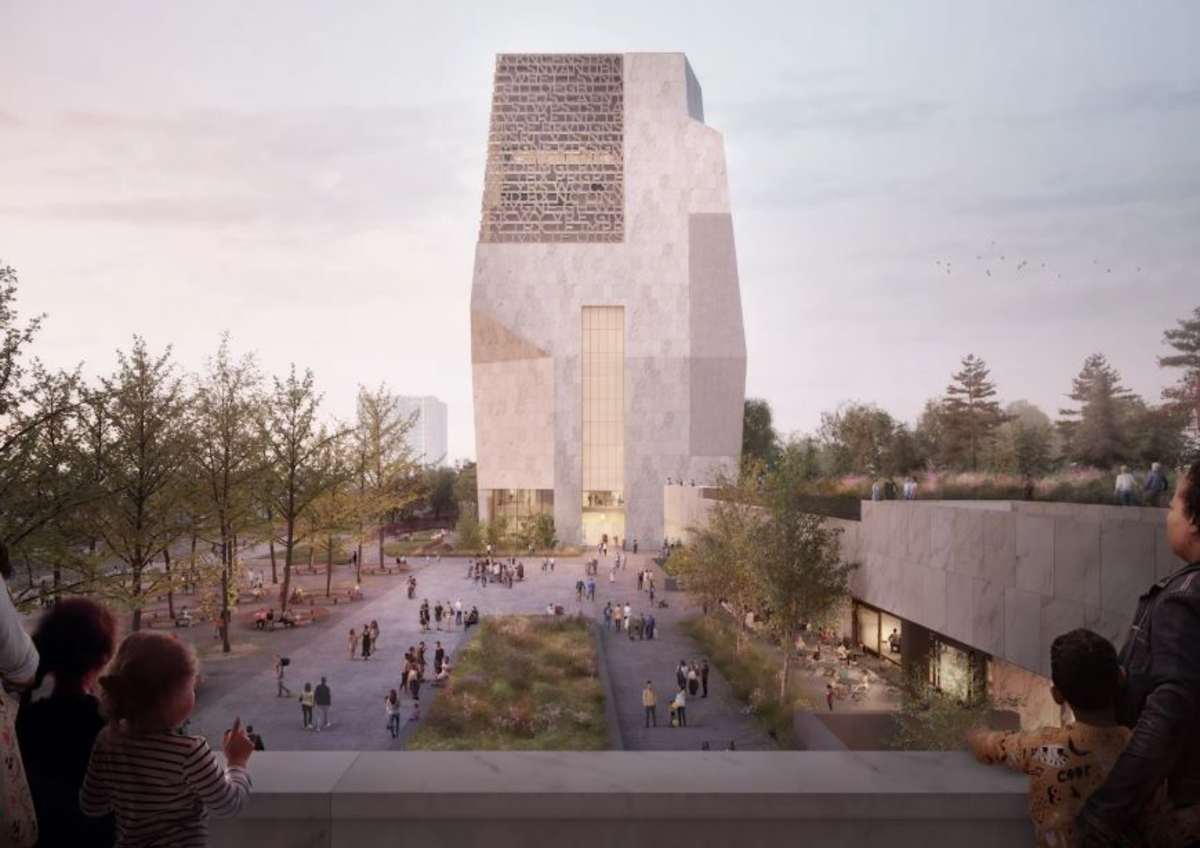
The high-profile foreign policy critique coincided with media previews for the upcoming public opening of the Obama Presidential Center on Chicago’s South Side.
Obama framed the massive architectural complex as a tangible reminder of what American leadership, international consensus, and democratic virtues looked like prior to the current era of intense domestic polarization.
He observed that many citizens currently feel as if the nation's civic habits, institutional virtues, and shared understandings of governance have started to crumble under the weight of continuous political disruption.
Obama noted that the center is explicitly designed to remind individuals of their enduring capacity to enforce civic responsibility, ensuring that elected officials remain accountable to the public rather than governed by unilateral executive overreach.
Versailles signature fails to guarantee long-term stability
The former president's warnings hit the airwaves just as the White House struggles to defend the fragile truce against immediate structural failures on the ground.
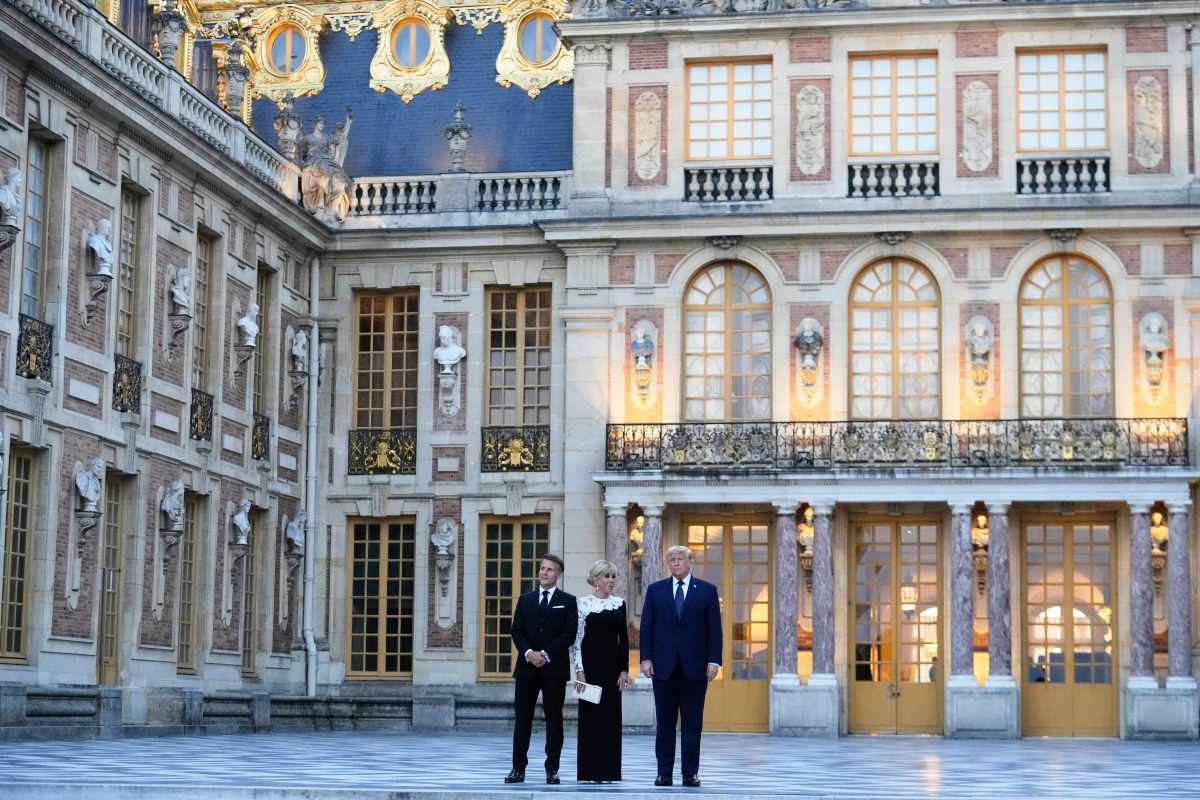
Though Trump celebrated the preliminary accord during a dinner at the Palace of Versailles on Wednesday night, the agreement is already facing a total operational collapse following the Islamic Revolutionary Guard Corps' sudden re-closure of the Strait of Hormuz on Friday morning.
With international nuclear talks in Switzerland officially postponed and the administration facing intense bipartisan blowback over front-loaded trade waivers, Obama’s critique highlights the growing vulnerabilities of the White House strategy.
By pointing out that the current administration spent months dropping bombs only to end up back where it started, the former president has handed congressional hawks a potent narrative to challenge the upcoming treaty negotiations.