Iran says ‘no plans’ for next round of peace talks as US delegation heads to Islamabad
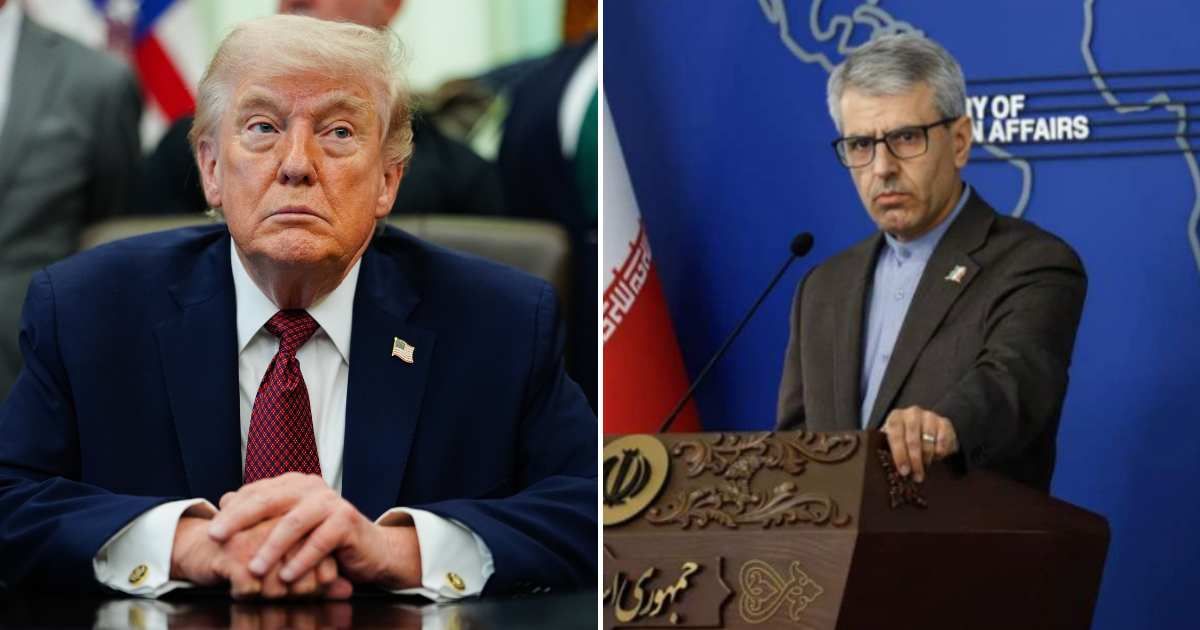
WASHINGTON, DC: Uncertainty over ongoing US-Iran negotiations intensified on Monday, April 20, after Iran’s foreign ministry said there are currently no plans for a second round of talks.
The statement comes amid rising tensions following recent US actions and conflicting signals about diplomatic engagement.
While Washington has announced a delegation to Pakistan for discussions, Tehran has not confirmed its participation.
Iranian officials have also expressed mixed messaging, combining skepticism about the process with calls for diplomacy.
Iran pauses talks, expresses skepticism
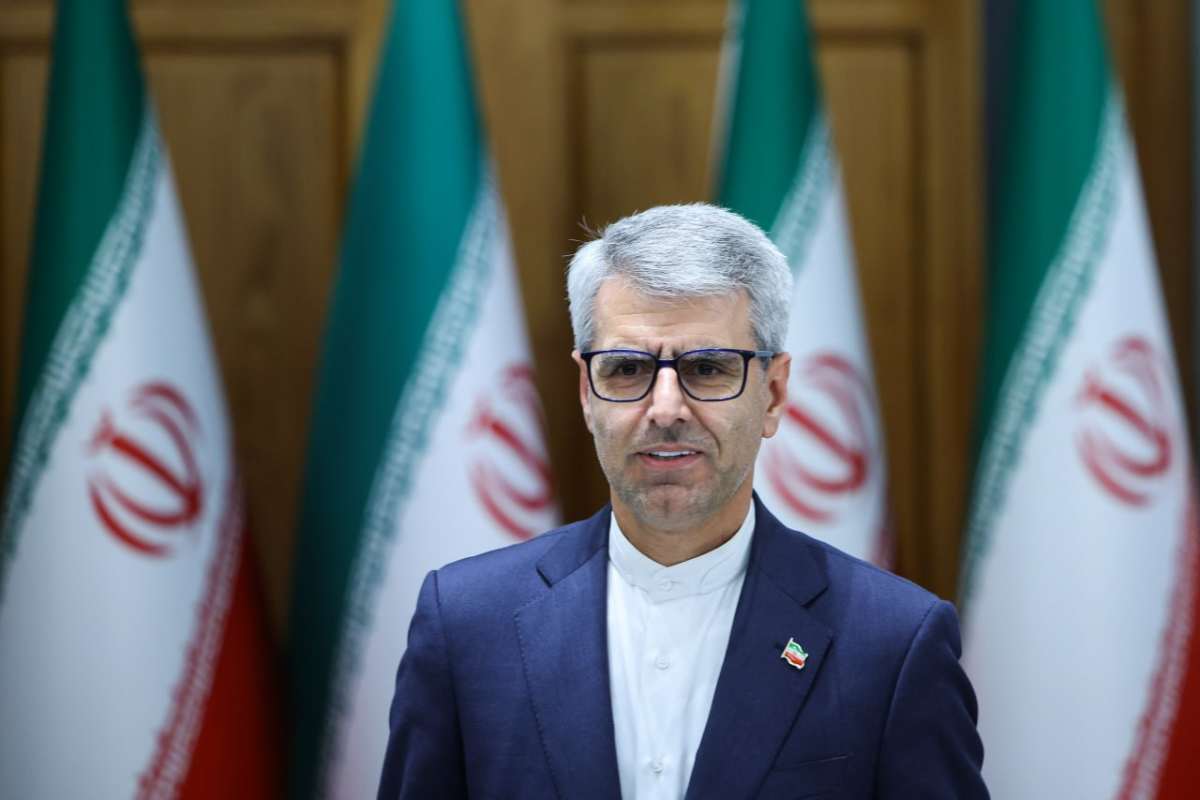
Iran’s foreign ministry spokesperson Esmaeil Baqaei said there are no immediate plans to continue negotiations with the United States.
“As of now, we have no plans for the next round of negotiations,” he said during a weekly press conference. He added, “We don’t believe in deadlines or ultimatums to secure Iran’s national interests.”
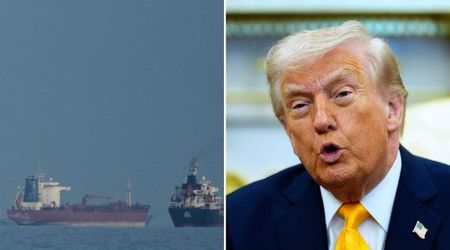
The remarks follow heightened tensions after the United States seized an Iranian-flagged ship, prompting a strong reaction from Tehran and raising doubts about whether talks will proceed.
Despite earlier indications that a second round of negotiations could take place, Iranian state media later cast uncertainty over participation.
Iran's Foreign Ministry spokesman Esmail Baghaei:
— Clash Report (@clashreport) April 20, 2026
We have no plans for the next round of negotiations. pic.twitter.com/CFb16qt8vM
Baqaei also struck a cautious tone regarding relations with Washington.
Iran is “certainly not optimistic” about its dealings with the United States, he said, though he described the country’s position as pragmatic.
“To the extent that one could say there is a certain degree of pessimism... and this is entirely reasonable,” he said, adding, “Being pessimistic about the enemy is the same as being wise."
The developments come as the United States prepares to send a delegation to Islamabad for potential talks.
While Iranian officials had earlier indicated that representatives might attend, no final confirmation has been given, leaving the status of negotiations unclear.
Pezeshkian urges an end to conflict
Amid the uncertainty, Iran’s President Masoud Pezeshkian emphasized the need to reduce tensions and prioritize diplomacy.
“War benefits no one, and while standing firm against threats, every rational and diplomatic route should be used to reduce tensions,” he said during remarks at the Ministry of Justice.
JUST IN: 🇮🇷🇺🇸 Iranian President Masoud Pezeshkian calls for resolving conflict with the US through diplomacy.
— BRICS News (@BRICSinfo) April 20, 2026
"War benefits no one, and while resisting threats, we need to use any reasonable and diplomatic ways to ease tensions." pic.twitter.com/74kHOGAdoL
Pezeshkian also stressed the importance of transparency with the public during the ongoing crisis. “People must be informed of the realities of the country. Providing inaccurate information or unrealistic promises not only does not help resolve issues but will also weaken public trust,” he said, adding that “both achievements and challenges should be shared honestly with the public.”
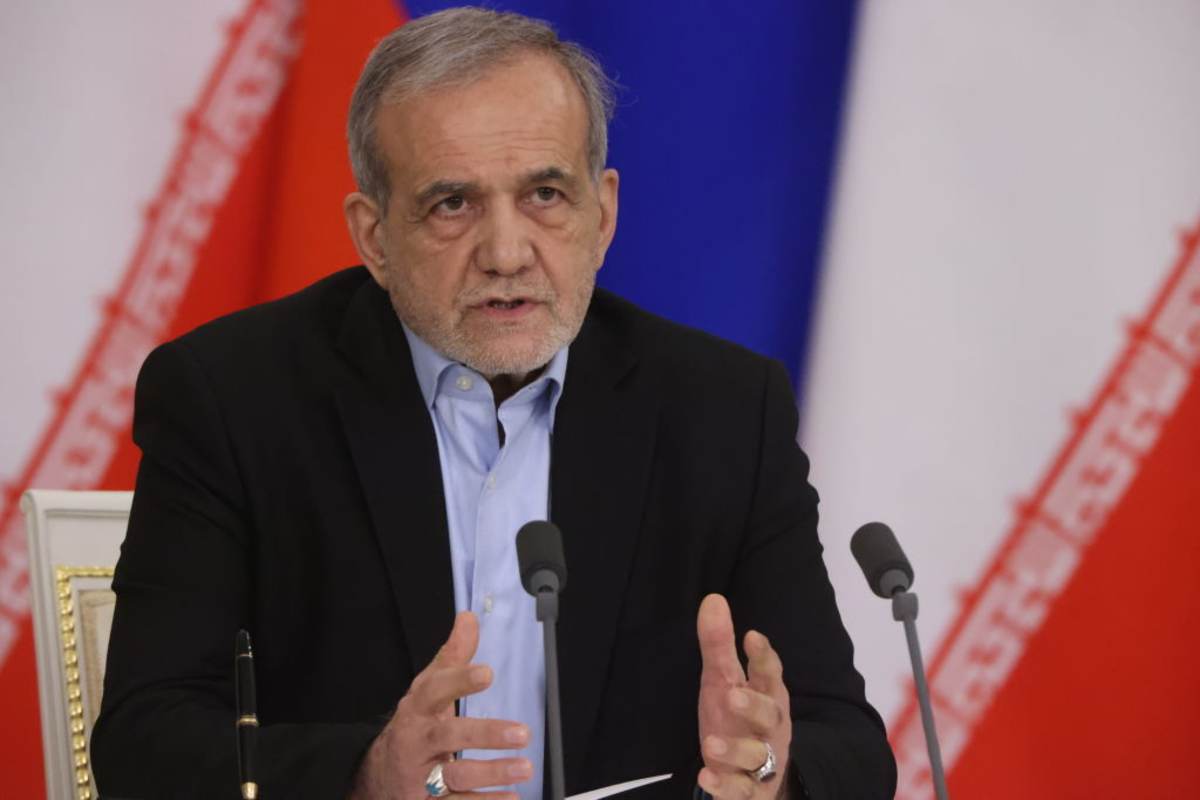
The president highlighted the need to bring the conflict to an end and focus on domestic recovery. “Continuing the conflict benefits no one, not us, not the other side, and not the future of the region or coming generations,” he said.
He added that after hostilities cease, Iran will face significant challenges related to reconstruction, financial resources, and market stability.
Iran’s economy has already been under strain, with officials estimating substantial damage from the conflict, including impacts on key industries such as steel and petrochemicals.