Judge freezes $110B Hollywood merger in major setback for Paramount and Warner Bros
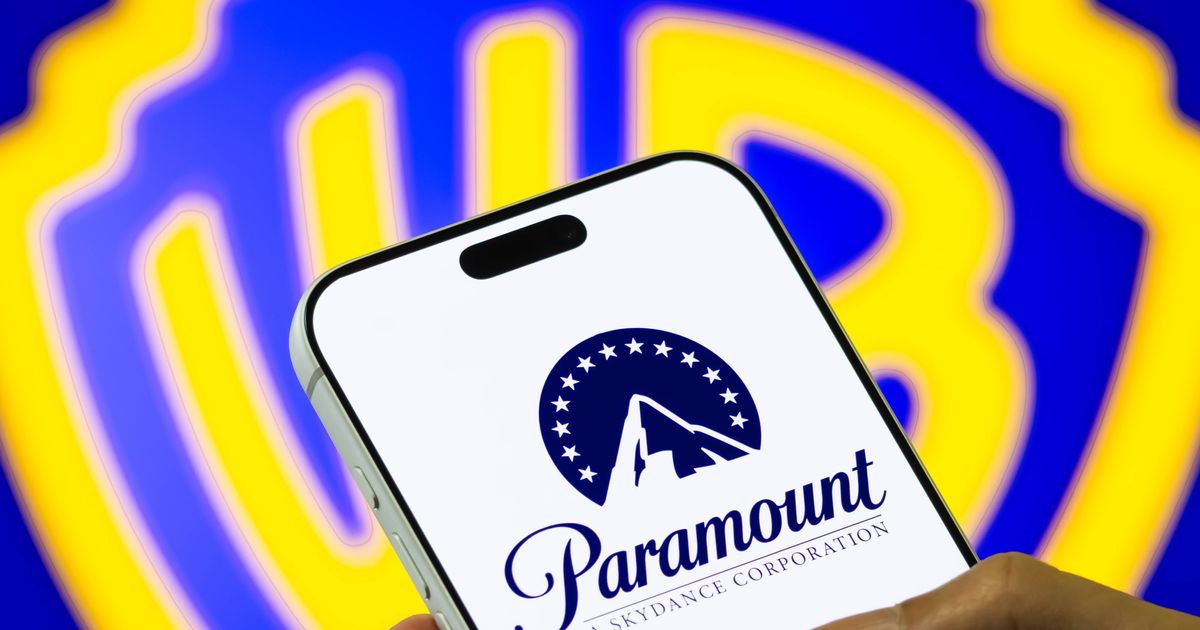
WASHINGTON, DC: A proposed $110 billion merger between Paramount Skydance and Warner Bros Discovery has suffered a major legal setback after the companies agreed to pause the transaction until at least June 2027, giving a federal judge time to consider a sweeping antitrust lawsuit brought by a coalition of Democratic attorneys general.

The agreement, filed Friday in federal court, extends a temporary halt ordered earlier this week and casts fresh uncertainty over what would become one of the largest media mergers in US history.
If approved, the deal would dramatically reshape the entertainment industry by bringing together iconic movie studios, leading streaming platforms and some of the country's most influential television news brands under a single corporate umbrella.
Antitrust fight stalls blockbuster deal
The pause follows a lawsuit filed by 12 Democratic state attorneys general, led by California Attorney General Rob Bonta, who argue the merger would significantly reduce competition across the media landscape.

According to the court filing, Paramount Skydance and Warner Bros Discovery agreed not to close the transaction until at least next June while the Northern District of California weighs whether the merger should proceed.
The legal challenge represents one of the most aggressive attempts in recent years to block consolidation in the entertainment industry, reflecting heightened scrutiny of major corporate mergers by Democratic-led states.
Hollywood giants face uncertain future
If completed, the merger would create an unprecedented media powerhouse by combining Paramount Pictures and Warner Bros Pictures, while also placing Paramount+ and HBO Max under the same corporate ownership.
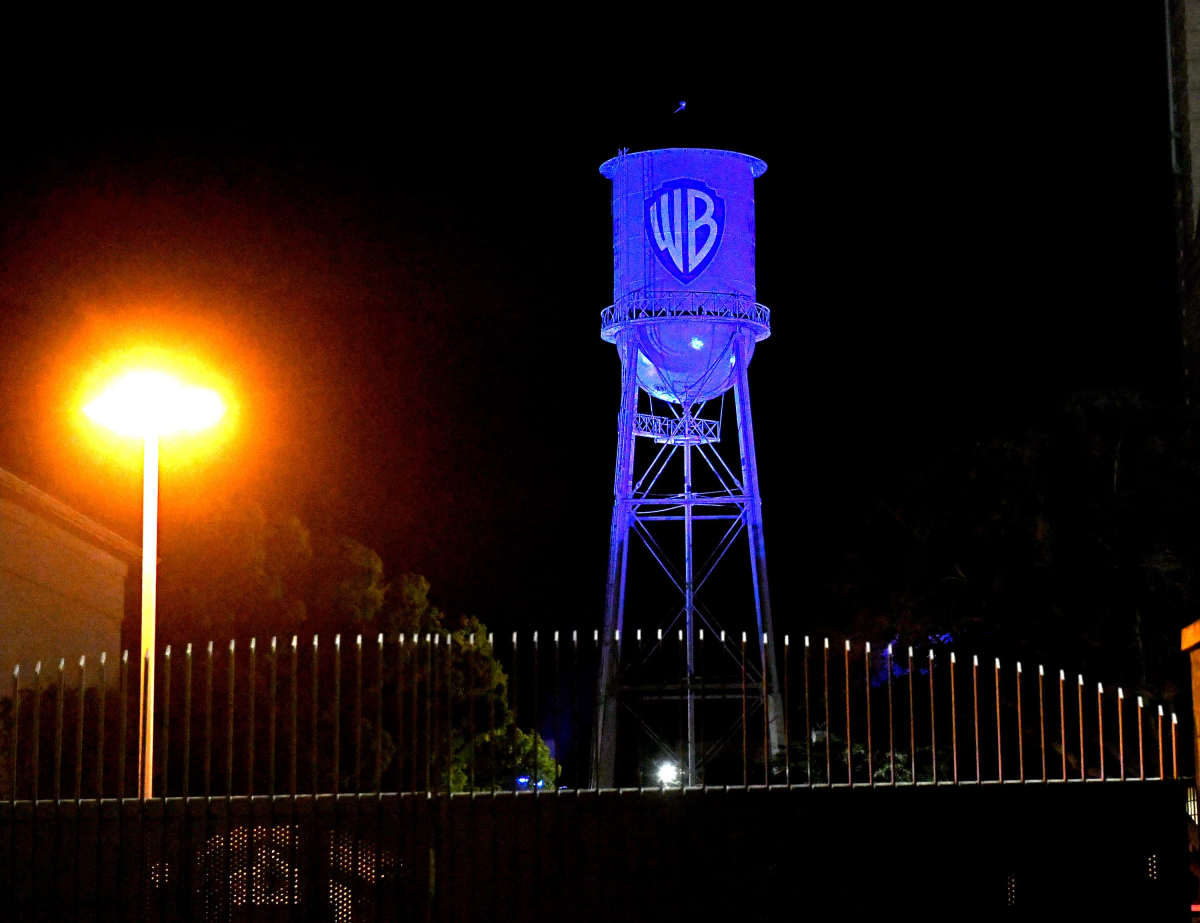
The combined company would additionally control two of America's most recognizable television news organizations, CBS News and CNN, raising concerns among regulators about market concentration across entertainment, streaming and broadcast news.
While the agreement does not terminate the merger, it significantly delays the companies' timetable and leaves the future of the blockbuster deal in the hands of a federal court.
The outcome could determine not only whether the $110 billion transaction survives, but also how aggressively regulators challenge large-scale media consolidation in the years ahead.