Judge orders Trump officials to disclose who created the $1.8B 'anti-weaponization' fund
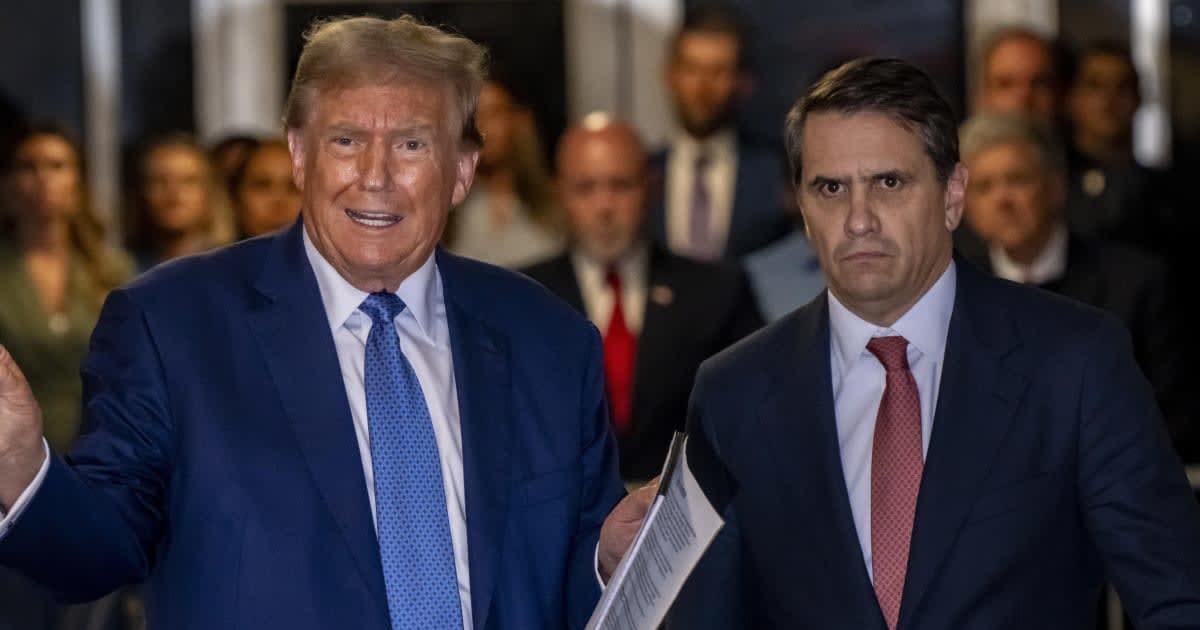
WASHINGTON, DC: On Friday, a federal judge told the Trump administration to reveal who came up with the structure for the nearly $1.8 billion 'anti-weaponization fund.'
Attorney General Todd Blanche has already called the fund "dead," but now the administration has to name the people behind it. US Magistrate Judge Ivan D. Davis of the Eastern District of Virginia sided partly with the plaintiffs. He granted part of their request to force the government to hand over these names, someone who was at the hearing told NBC.
What Trump's anti-weaponization fund was set up to do
“Today’s order granting discovery is a significant step in getting to the bottom of the slush fund,” Aman George, senior counsel at Democracy Forward, a nonprofit organization representing the plaintiffs, said in a statement.
“We will continue to meet the government in court until our investigation is complete and the slush fund is permanently halted.”
The fund came out of a settlement between President Trump, two of his sons, his company, and the IRS. They planned to allocate about $1.8 billion in taxpayer money for payouts to people claiming they’d “suffered weaponization and lawfare.”
That phrase is broad enough to include Jan. 6 rioters who were convicted of violent crimes but eventually pardoned by Trump.
In May, a fired Jan. 6 prosecutor and a law professor, who’d previously tangled with the Trump administration in court, sued to stop the deal, and the court put the arrangement on hold.
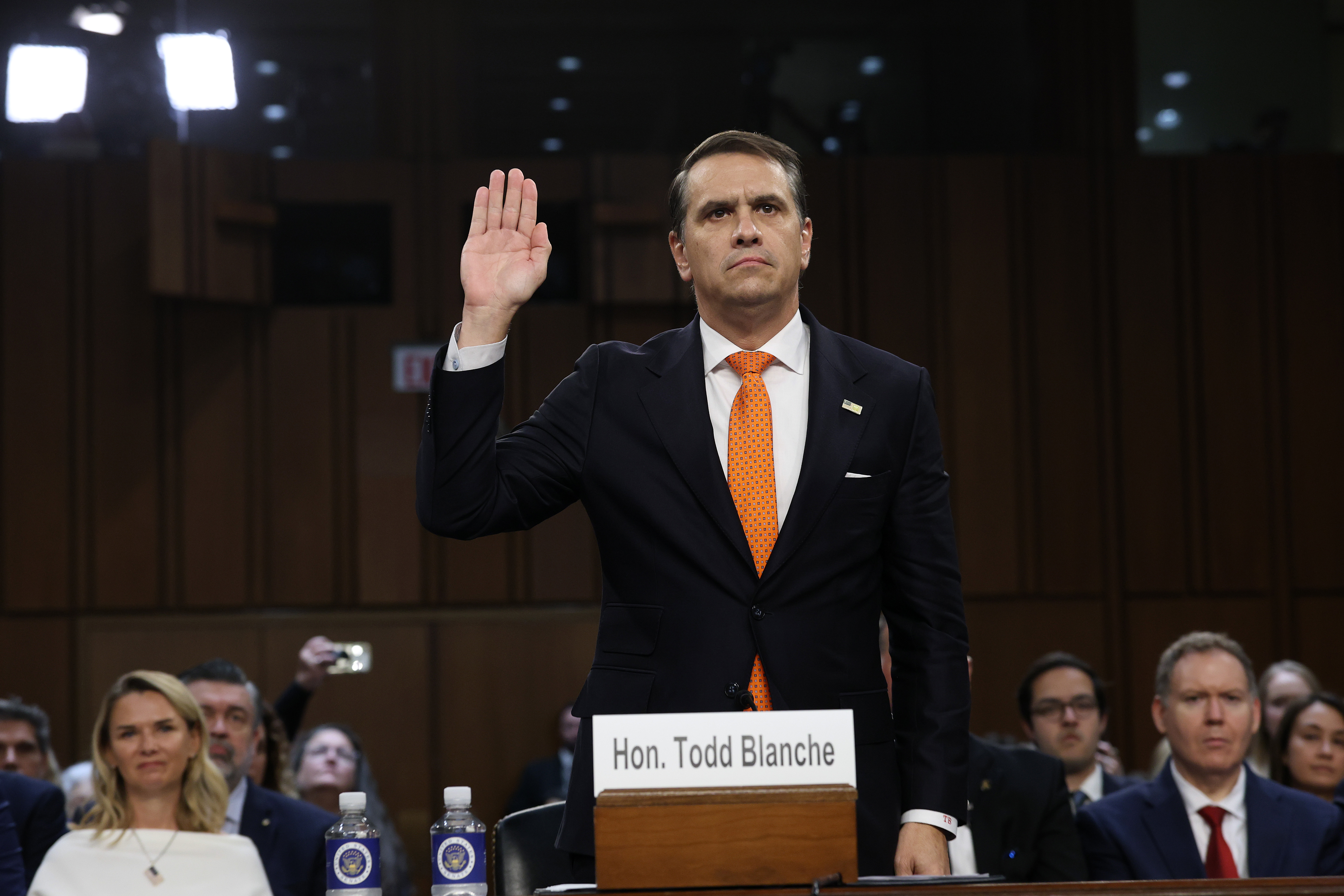
Not long after, IRS career staff joined the fight against the agreement, which also gave Trump and several family members immunity from IRS audits.
How the Trump-IRS agreement could keep the fund alive
The agreement was temporarily blocked in May by a federal judge following a lawsuit filed by a fired Jan. 6 prosecutor and a law professor who had previously tangled with the Trump administration in court.
Career IRS workers also joined the lawsuit against the Trump-IRS agreement, which made the president and several family members immune from IRS audits.
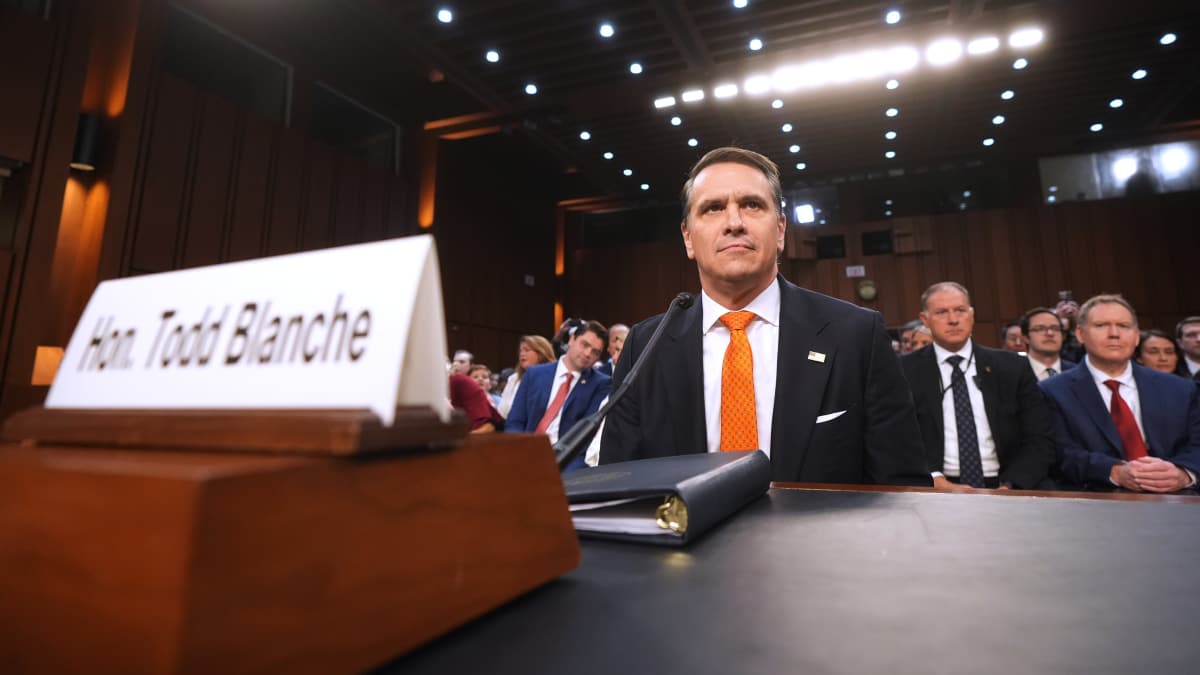
The 'anti-weaponization' fund drew bipartisan criticism in Washington, putting Blanche's nomination as attorney general in jeopardy.
He later put in writing that the fund “is rescinded” and that “there is no fund.” But in a major legal loophole, the document signed by Blanche did not include the signatories of the initial agreement, meaning the fund and related IRS immunity could be revived at a later date.
That loophole has lingered as Trump has refused to denounce the fund.
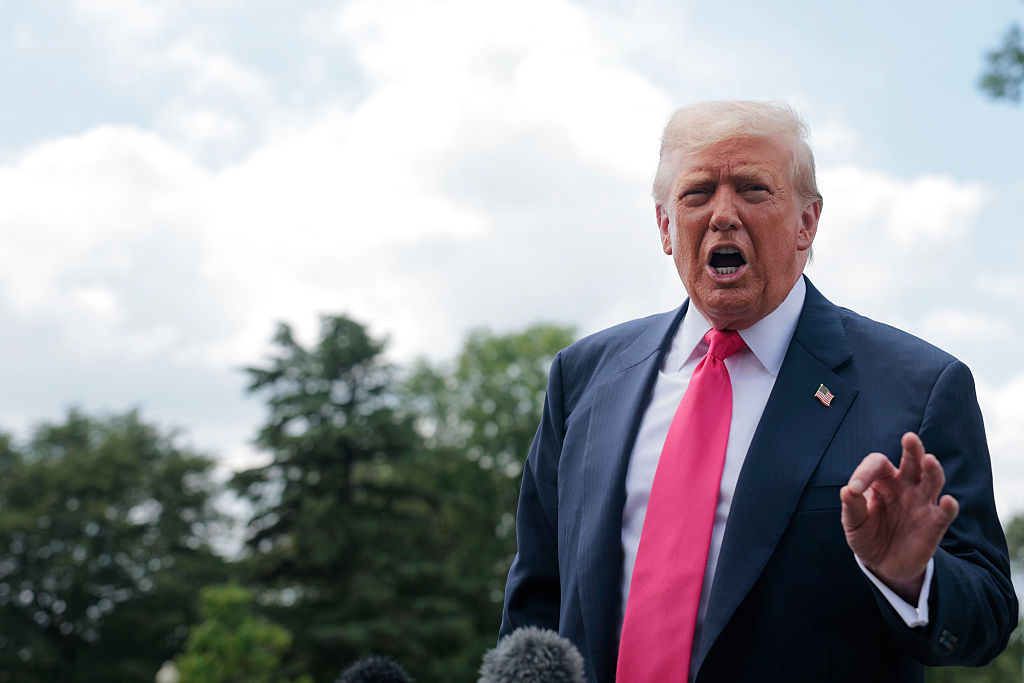
At a Cabinet meeting this summer, Trump, who has not ruled out giving payouts to Jan. 6 rioters, said that the fund “is dead, but you know, I wish it weren’t,” and reiterated that he thinks “people were horribly treated.”
Friday's discovery order marks a significant step for plaintiffs seeking to unwind the arrangement entirely, potentially exposing internal decision-making within the administration over how the settlement was structured and who was involved in crafting its terms.